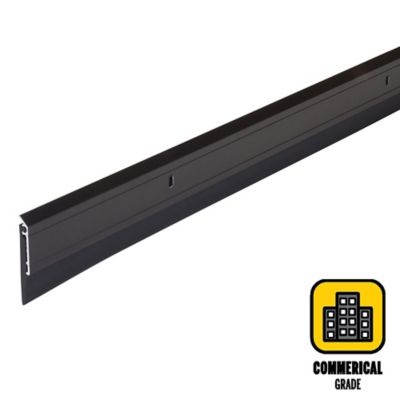
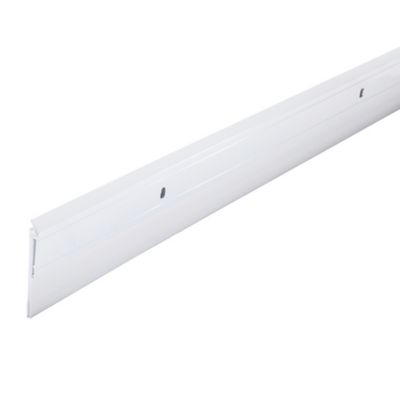
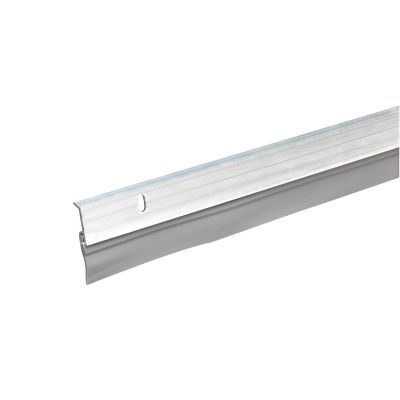
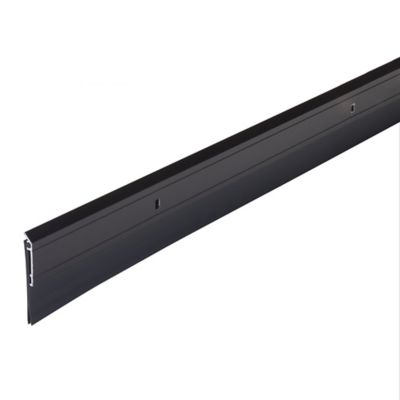
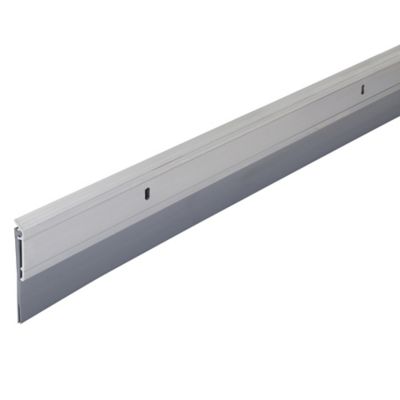
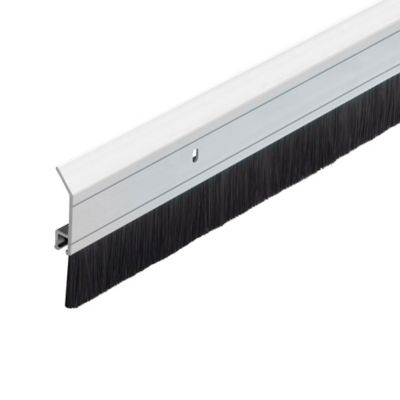
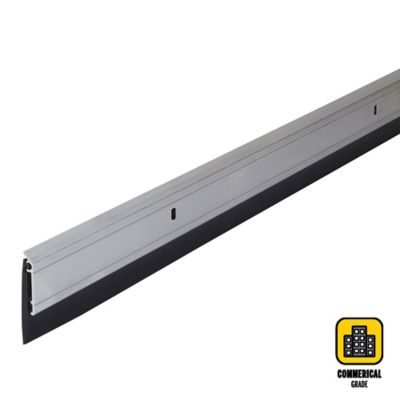
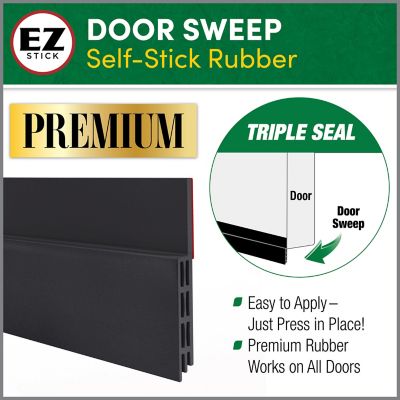
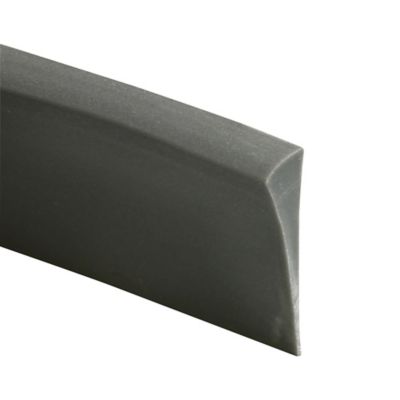
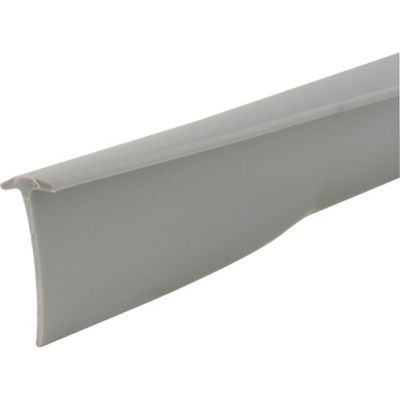
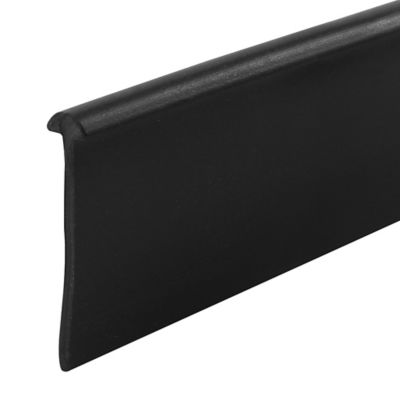
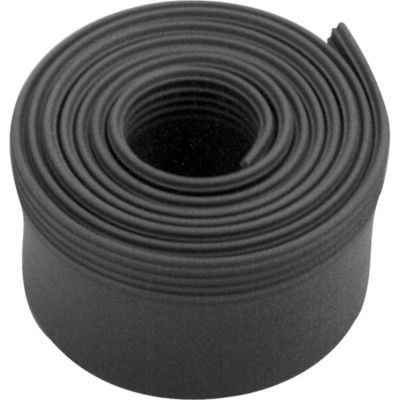
Door sweeps for metal doors are sealing strips that close the gap between the bottom of a swinging door and its threshold or floor. Most combine a rigid metal holder with a flexible rubber, vinyl, or brush insert that reaches below the door edge. That small strip can make a noticeable difference at a workshop entrance, utility room, detached garage, or farm office, helping limit drafts, blowing dust, and insect entry without getting in the way of everyday foot traffic. A sweep works at the bottom of the opening; it does not replace the seals along the jambs and across the top. The best fit depends on the door’s construction, the size of the bottom gap, and the surface the seal meets when the door closes. Aluminum holders offer a lightweight option that resists rust, while stainless steel holders can suit settings where moisture exposure and frequent cleaning are considerations. The flexible portion matters just as much as the metal backing. Rubber and vinyl blades provide a continuous sealing edge against a reasonably even threshold, though their flexibility and resistance to tearing vary by material and design. Brush sweeps have closely packed bristles that can follow small variations in the floor while allowing the door to move with less resistance. They are often a practical match for dust control and frequently traveled openings, but a brush does not necessarily provide the same air or water seal as a solid blade. Around a gravel drive or a shop where sawdust collects near the entrance, those differences matter more than appearance alone. A sweep can help reduce what travels beneath the door, but it is not a substitute for drainage, a properly fitted threshold, or pest exclusion elsewhere in the building. Matching the sealing style to the opening keeps expectations sensible and puts the focus on how the door functions each day.
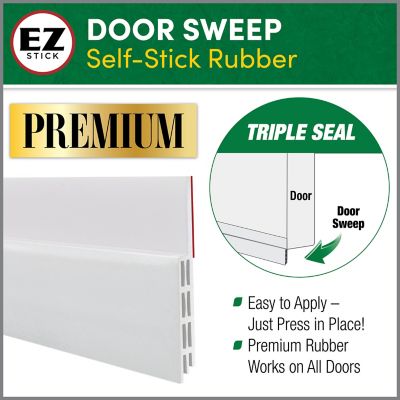
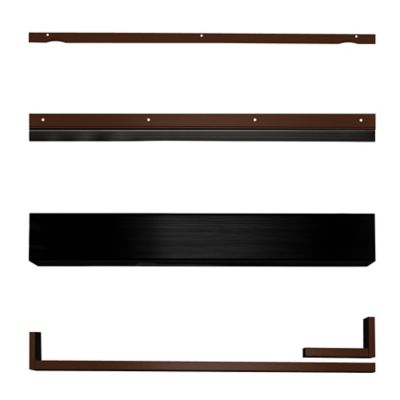
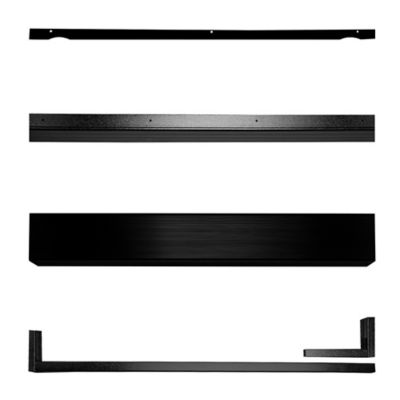
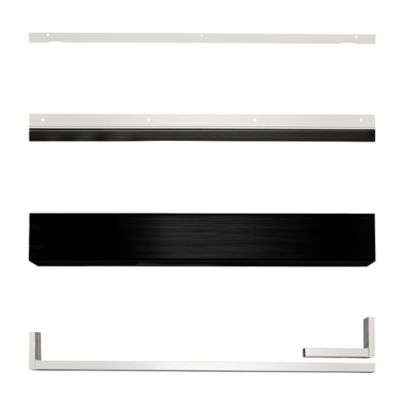
Mounting style separates several common types of metal door sweeps. A flat surface-mount sweep attaches to one face of the door, with its flexible insert extending down to meet the threshold. Many designs have slotted mounting holes that allow small height adjustments, helpful when the gap is not perfectly even from the hinge side to the latch side. A U-shaped door bottom, also called a door shoe, wraps around the lower edge and may carry one or more sealing fins beneath the door. This style needs to match the door’s thickness as well as its width, and the space beneath the door must accommodate the entire assembly. Recessed or mortise-mounted seals sit within a prepared opening in the door bottom; they are not an interchangeable fit for every steel door. A hollow metal door may have limited material behind its outer skin, so its construction and the seal manufacturer’s fastening requirements deserve attention. Screw-mounted and adhesive-backed designs also have different demands. Mechanical fasteners need suitable attachment points, while adhesive backing depends on a clean, compatible surface and the conditions listed for the adhesive. Width is only one part of sizing: the holder’s height, the insert’s reach, the clearance beneath the door, and any nearby trim all affect fit. For example, a door above a raised threshold presents a different sealing surface than one that swings across a bare concrete slab. A sweep that presses too hard can drag, fold over, or keep the latch from catching; one that barely reaches may leave an open path under the door. The goal is light, consistent contact at the closed position without excessive resistance through the swing. Some holders and inserts can be trimmed according to their manufacturer’s directions, while others have end fittings or internal parts that limit trimming. Existing holes, kick plates, and door-bottom damage can also influence which mounting arrangement makes sense. These details are especially important on steel entry doors that already have several layers of hardware sharing a narrow strip of space.
Daily use gives door bottom seals a workout, especially where boots carry grit across a threshold and the door swings open dozens of times between chores. Homeowners, property caretakers, shop operators, and farm crews may all need a seal that suits that kind of traffic. A smooth threshold and a straight, properly hung door give the flexible insert a better chance to maintain even contact. If a door sags or rubs at one corner, a longer sweep may hide part of the gap without fixing the alignment problem. Likewise, a threshold with deep grooves or broken edges can leave openings even beneath a new seal. For business entrances, service buildings, and other frequently traveled exterior openings,
Commercial Door Sweeps for Exterior Doors provides a related category to consider alongside the door’s traffic level and hardware requirements. Fire-rated doors call for particular care: replacement seals and any changes to the door must comply with the door assembly’s listing and applicable requirements. Accessible entrances also need to maintain suitable clearance and opening force rather than gaining a tight seal at the expense of easy operation. Ongoing care is generally straightforward, but it makes a difference in service life. Dirt trapped along a blade can abrade the flexible edge, and packed debris in brush bristles can interfere with contact. Cleaning methods should follow the material maker’s recommendations, with attention to the underside of the seal and the threshold it touches. Loose screws, a shifted holder, split vinyl, hardened rubber, and flattened bristles are signs that adjustment or replacement may be needed. Some assemblies accept replacement inserts, allowing the metal holder to remain in place if it is still sound and the matching insert is specified for it. For a busy mudroom, feed-room entrance, or work shed, the right door sweep is one that fits the opening, holds its position, and lets the door close and latch without a shove. That balance supports a better-sealed doorway without making an everyday trip through it a struggle.