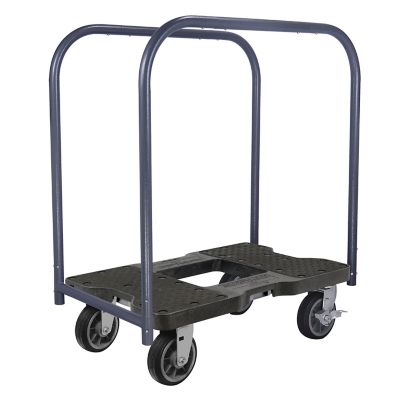
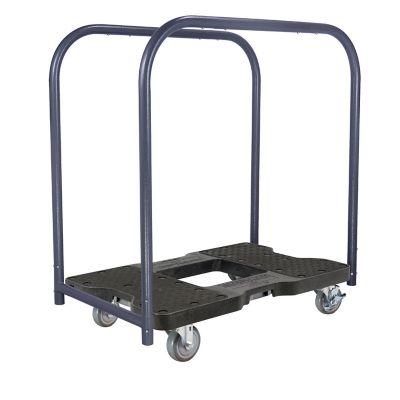
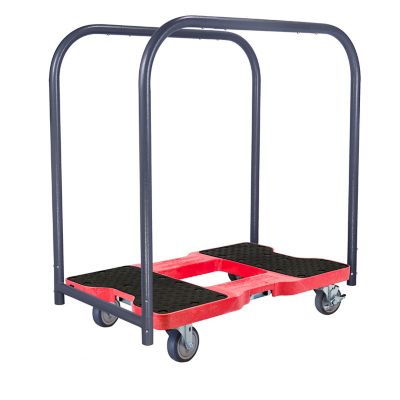
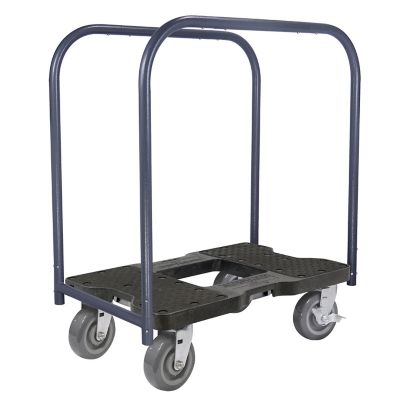
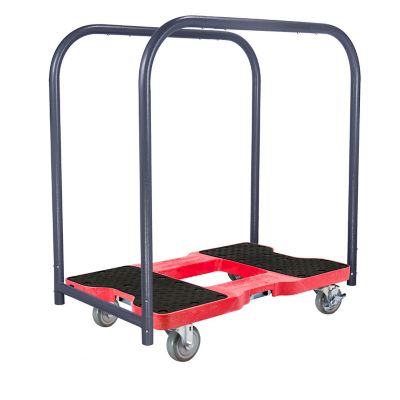
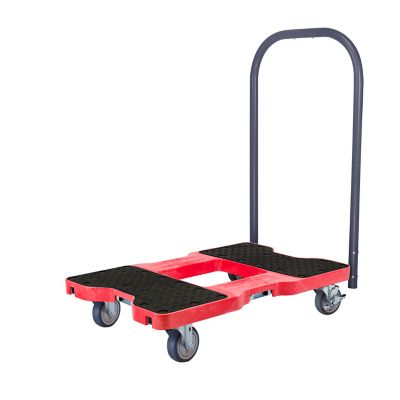
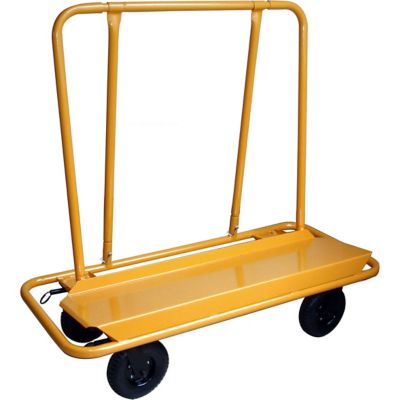
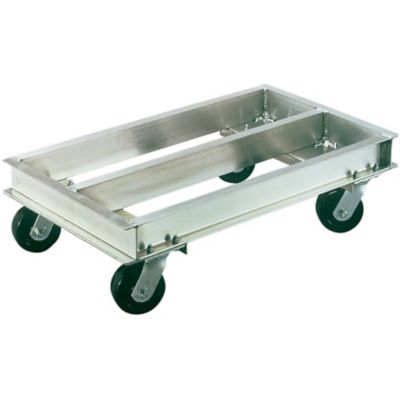
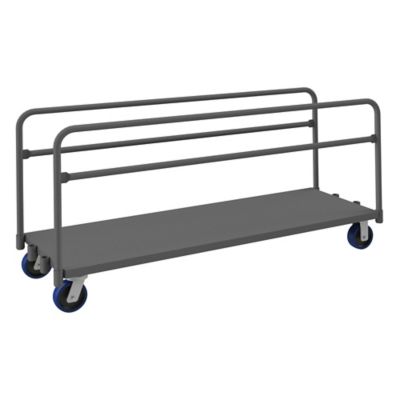
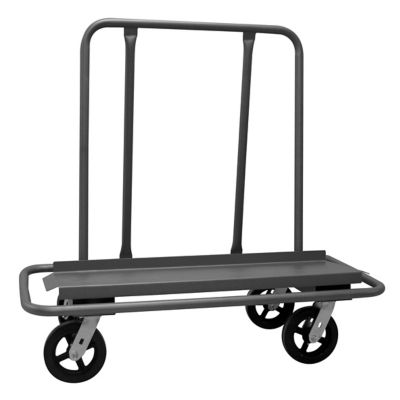
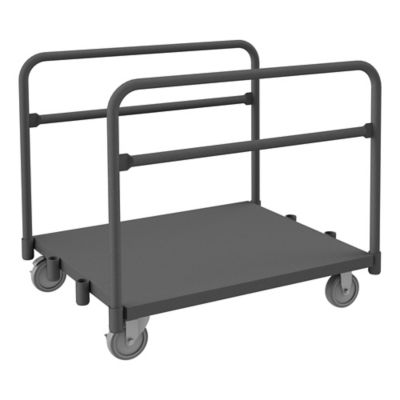
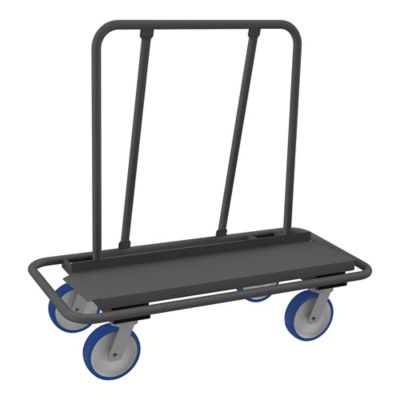
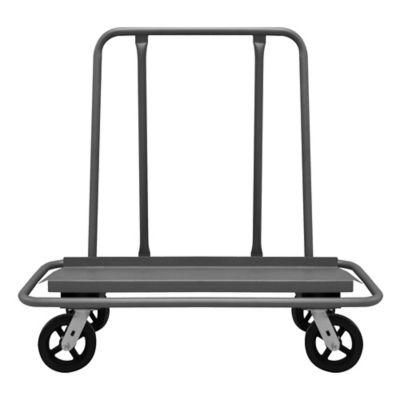
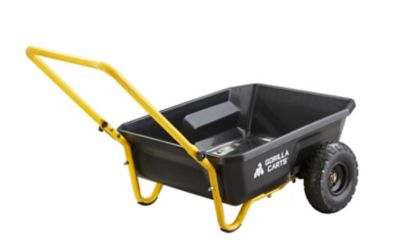
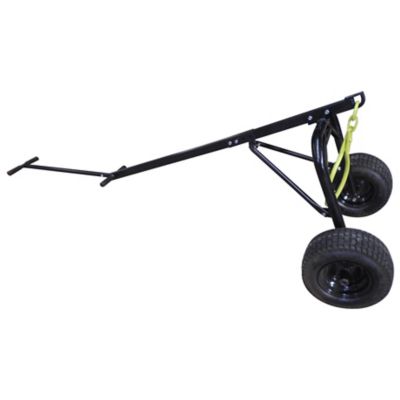
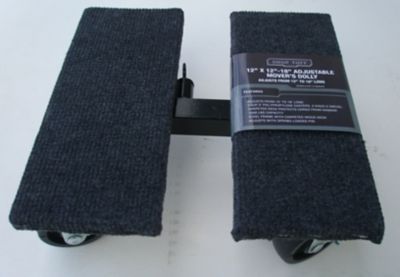
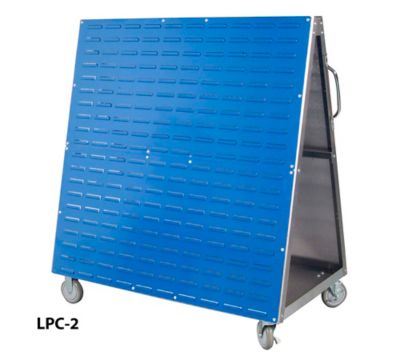
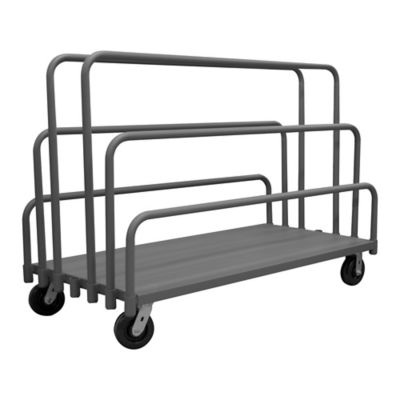
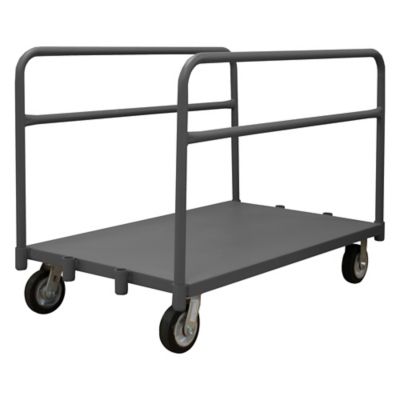
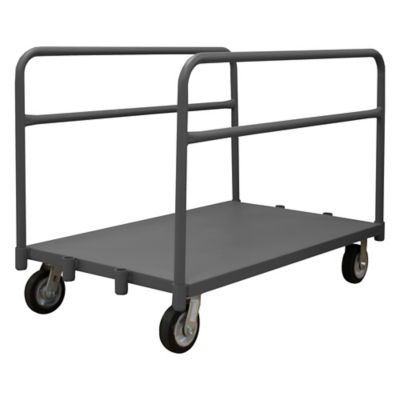
Panel cart dollies are handy helpers for moving the long, awkward materials that tend to pile up around a farm, ranch, homestead, or busy property. Livestock panels, wire fencing, gates, lumber, trellis sections, folded tarps, and other oversized supplies can be difficult to carry by hand, especially when one end catches on a post or drags through the dirt. A panel cart dolly gives those materials a stable place to ride, helping one person move a load with less lifting, less twisting, and fewer trips back and forth. They can be especially useful when setting up or repairing pens, dividing pasture areas, building garden fencing, or clearing materials from a work zone. During the warmer part of the year, a dolly can make light work of hauling fencing supplies across the yard, while during the cooler months it can help move panels into a barn, shed, or covered storage area before wet weather rolls in. The right design depends on the jobs you handle most often, so take a close look at the cart’s weight capacity, frame construction, deck size, wheel placement, and overall balance. A sturdy frame matters when the load is long or uneven, and a properly positioned center of gravity helps keep the cart from tipping when crossing packed soil, gravel, or a threshold. If your property includes rough ground, look for wheels suited to outdoor use and a clearance height that can roll over small ruts without hanging up. Smooth, hard surfaces may call for a different wheel setup than a pasture lane or gravel drive. A comfortable handle can also make a noticeable difference at the end of a long workday, particularly when gloves, boots, and a full load are part of the routine.
Before choosing a panel cart dolly, measure the materials you expect to move and think through the route from storage to the work area. Panels that seem manageable in a stack can become unwieldy once they are loaded, so a cart with enough length and support helps prevent the load from sliding sideways. Features that help secure the material, such as side supports, retaining bars, tie-down points, or a raised edge, can be valuable when traveling over uneven ground. If the cart will be used for fencing projects, consider whether it can carry rolled wire, posts, tools, and smaller hardware along with the main panel. For animal enclosures, smooth surfaces and well-finished edges are worth attention because rough welds or exposed metal can snag clothing, rope, or wire. Check the rated capacity rather than relying on appearance alone, and remember that the heaviest part of a load should sit low and close to the cart’s main support area. Distribute weight evenly, secure tall or flexible materials before moving, and keep the walking path clear of hoses, rocks, loose boards, and other obstacles. On slopes, move slowly and maintain control from the uphill side when possible. A cart is meant to reduce strain, not encourage oversized loads that are hard to stop. Many property owners find that a panel cart earns its keep beyond fencing season. It can carry feed bags, gates, garden supplies, firewood, bedding, or cleanup materials, provided the load is within its design limits. When choosing between compact and larger styles, consider where the cart will be stored, how wide the gates and shed doors are, and whether it needs to turn between buildings or along narrow paths. A model that fits neatly beside a wall and is ready to roll may get more use than one that is difficult to maneuver or takes up too much room.
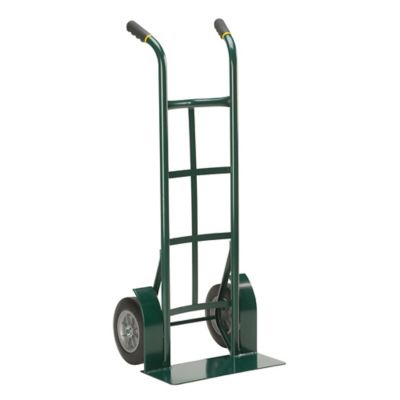
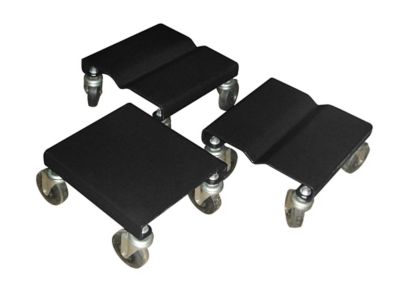
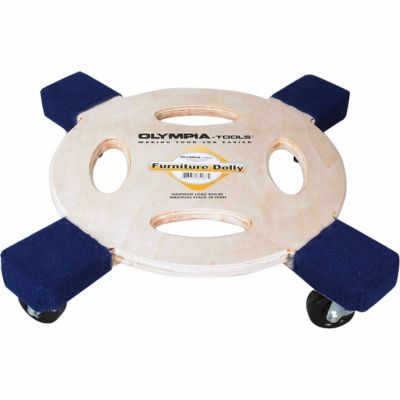
For shoppers comparing panel cart dollies with other material-handling equipment, the main difference is often the shape and support needed for long, flat, or flexible loads. A basic hand truck may work well for upright items, but panels and fencing sections can extend beyond its frame and become difficult to balance. A general-purpose platform cart may carry boxes and supplies, yet lack the side support needed to keep a large panel stack in place. For broader hauling tasks, take a look at
Heavy Duty Dollies to compare options made for moving substantial loads around a farm, workshop, garage, or jobsite. A panel cart dolly can be a thoughtful gift for a new landowner, a hobby farmer, a fencing contractor, or anyone spending weekends improving a rural property. It is the kind of practical tool that may not draw much attention sitting in the shed, but it can save sore shoulders and valuable time when there is a long stretch of fence to repair before dark. Picture a stack of panels waiting beside the gate, muddy boots by the barn door, and a fresh roll of wire that needs to reach the far side of the pasture; a dependable cart turns that chore into a steady, manageable trip instead of a two-person wrestling match. After each use, brush away dirt, grass, and grit, check the wheels for wrapped wire or debris, and inspect fasteners, welds, handles, and tie-down points. Store the dolly under cover when possible, keep moving parts clean, and address loose hardware or damaged wheels before the next heavy load. With a suitable capacity, stable support, and wheels matched to the ground around your property, a panel cart dolly can become a regular part of fence work, livestock care, landscaping, and everyday hauling.