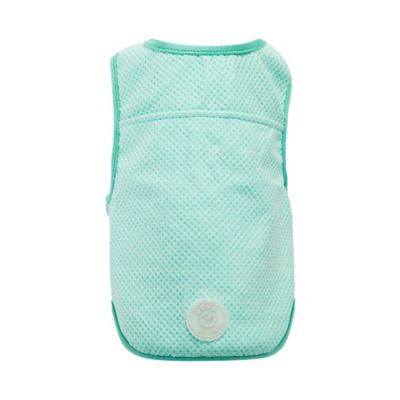
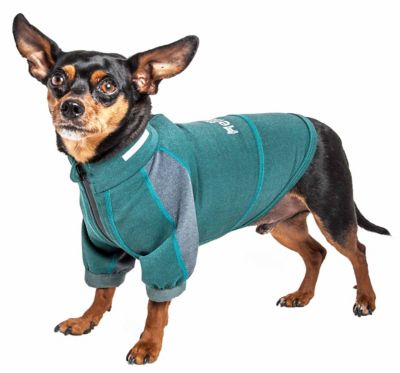
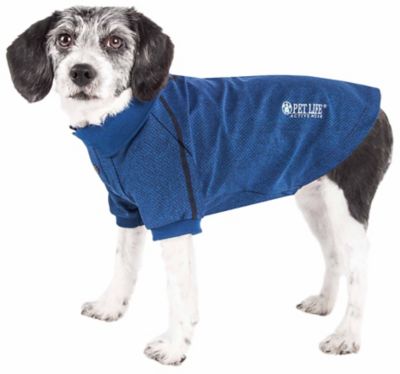
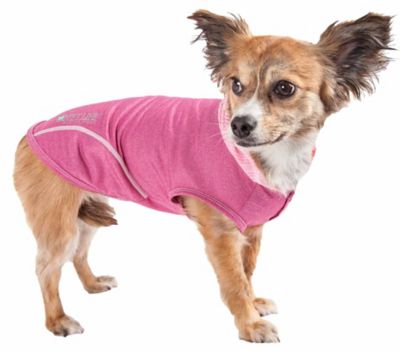
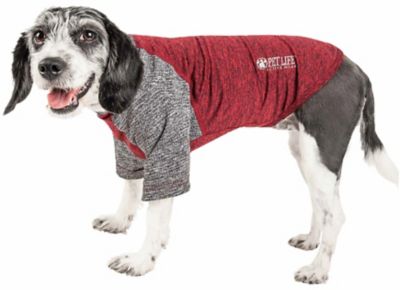
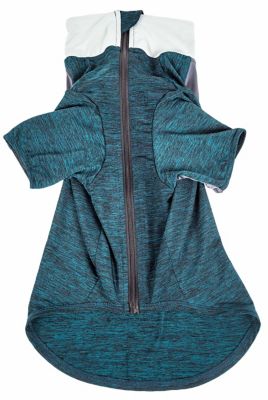
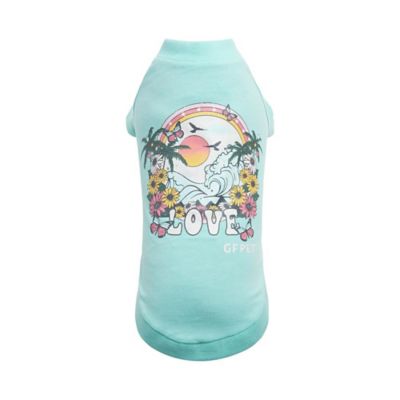
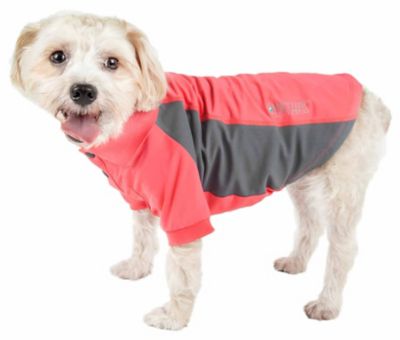
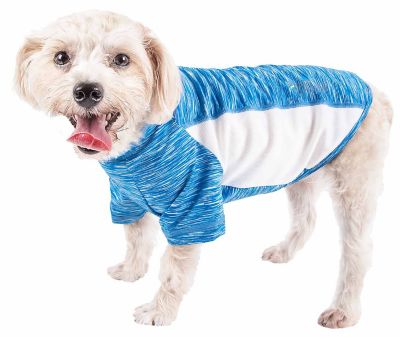
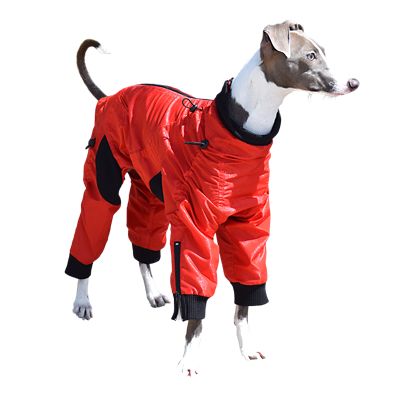
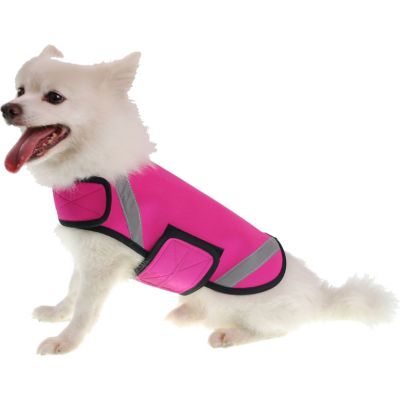
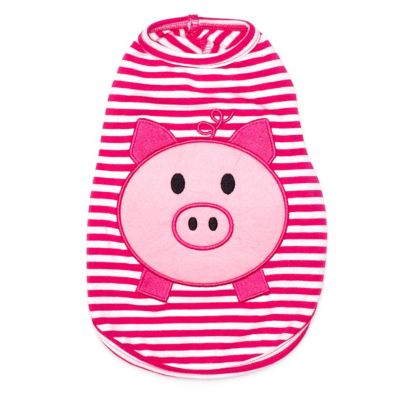
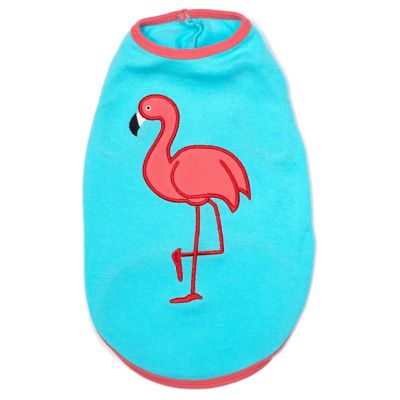
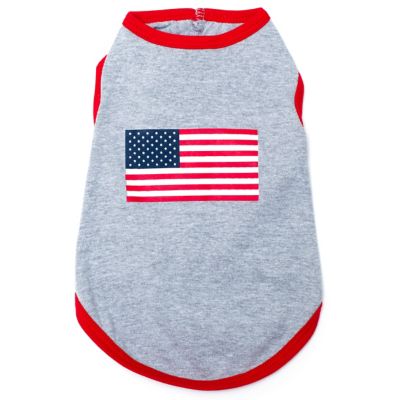
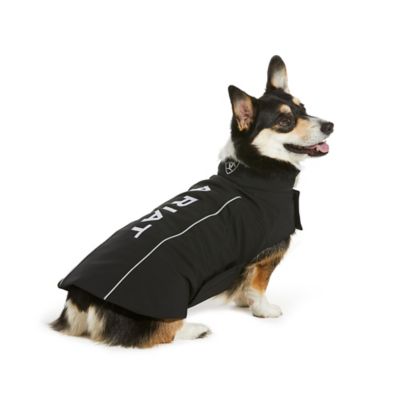
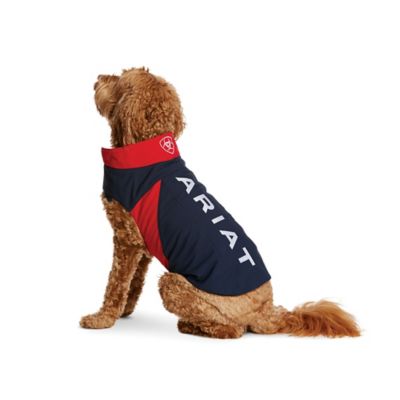
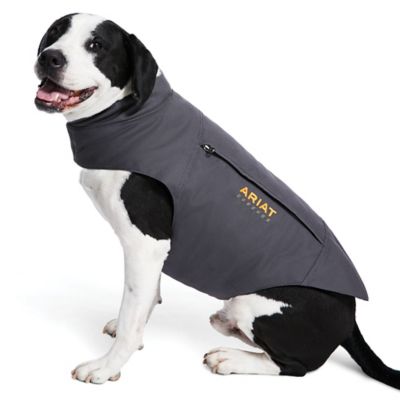
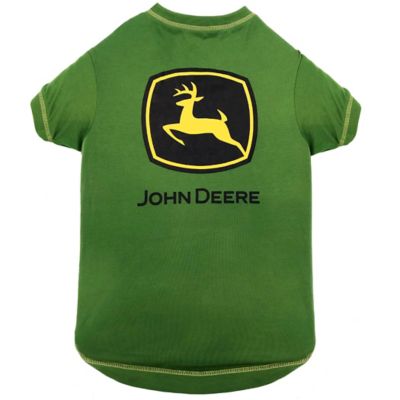
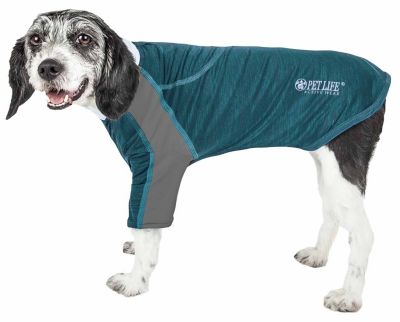
Dog shirts for sun protection can make time outdoors more comfortable for dogs that spend long hours in open yards, fields, campsites, boats, patios, or on sunny walking trails. A lightweight sun shirt adds a layer between your dog’s skin and direct sunlight, which can be especially helpful for dogs with short, thin, light-colored, or recently trimmed coats. Dogs with naturally sparse hair, pink skin, hairless areas, or a history of sun sensitivity may also benefit from extra coverage, though clothing should always be used along with shade, fresh water, and sensible limits on heat and exercise. A shirt is not a replacement for veterinary care or a pet-safe sunscreen recommended by your veterinarian, and it does not make it safe to leave a dog in a hot vehicle or wear a layer during dangerously hot weather. Look for a shirt made from lightweight, breathable fabric that allows air to move over the body and dries quickly after a splash in the creek or a romp through wet grass. Many sun-protective dog shirts list a UPF rating, which describes how well the fabric helps block ultraviolet radiation. UPF 30 offers useful protection, while UPF 50 or UPF 50+ provides a higher level of coverage when your dog will be in strong sun for extended stretches. Coverage matters, too. A shirt that reaches across the back and sides can help protect more skin than a small garment that covers only the shoulders, but the best choice depends on your dog’s coat, body shape, activity level, and comfort.
A proper fit is just as important as the fabric and UPF rating. Start by measuring your dog instead of relying only on breed labels or weight ranges. Measure around the widest part of the chest, along the back from the base of the neck to the base of the tail, and around the neck if the size chart calls for it. A shirt should sit smoothly without squeezing the ribs, rubbing behind the front legs, or restricting a full stride. It should also leave enough room for your dog to sit, lie down, stretch, and take a comfortable bathroom break. Stretchy materials can make it easier to get a close, flexible fit, while adjustable closures may help when a dog falls between sizes. Check for practical details such as a leash access opening, smooth seams, a comfortable neck, and fabric that will not snag easily on brush or fencing. A darker or heavier fabric may absorb more heat, so breathable construction and a lighter feel are often valuable during bright, warm days. Introduce the shirt gradually at home. Let your dog sniff it, place it on for a few minutes, and offer praise before trying a longer walk. Watch for scratching, freezing, chewing at the fabric, excessive panting, or signs of overheating. Remove the shirt if your dog seems uncomfortable, and inspect the skin after use for chafing or dampness. Washing the garment according to its care instructions helps clear away dirt, grass, and body oils, while allowing it to dry fully between uses helps keep it fresh for the next outing.
Dog shirts for sun protection are a practical choice for many kinds of households. A family with a short-haired dog may use one for long afternoons in the backyard, while a farm or ranch dog may wear one during supervised chores near open pasture where natural shade is limited. Hikers, campers, anglers, and travelers often appreciate a shirt that packs easily and dries without much fuss. A senior dog that moves more slowly may need extra care during bright weather because it can take longer to reach shade or water. Dogs with light skin, clipped coats, or areas of thinning fur can need more coverage than a thick-coated companion, but every dog is different. For medium-size dogs, browsing a size-specific selection such as
Dog Shirts For Medium Dogs can help narrow the choices before comparing measurements and features. These garments can also make a thoughtful gift for a new dog owner, an outdoorsy friend, or someone welcoming a rescue dog with an unfamiliar coat and skin history. Choose a size that matches the dog’s measurements rather than guessing from appearance, and consider the activities the owner enjoys so the shirt fits into real life. During warmer weather, use sun-protective clothing during the cooler parts of the day when possible, take regular shade and water breaks, and feel your dog’s ears, belly, and paws for signs of overheating. As the weather cools, a lightweight shirt can still be useful on bright walks, especially for dogs with exposed skin, but it should never be treated as a substitute for a warm coat when temperatures drop. With the right fit, breathable fabric, dependable coverage, and close attention to your dog’s behavior, a sun shirt can be a simple part of a comfortable outdoor routine.