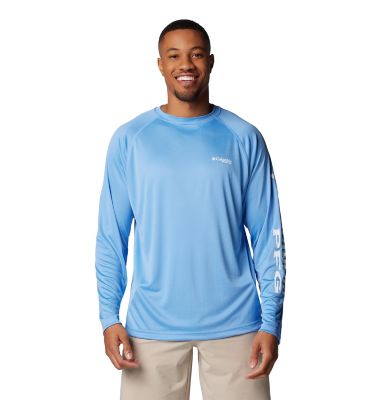
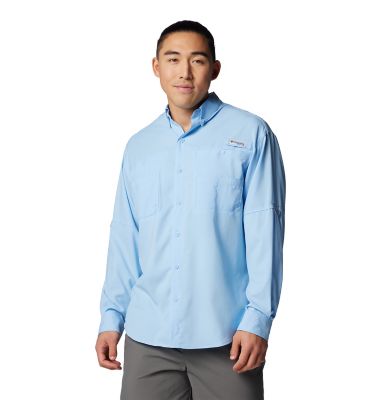
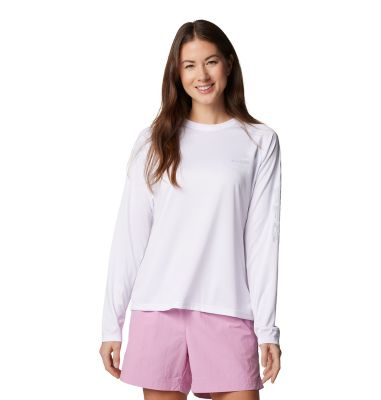
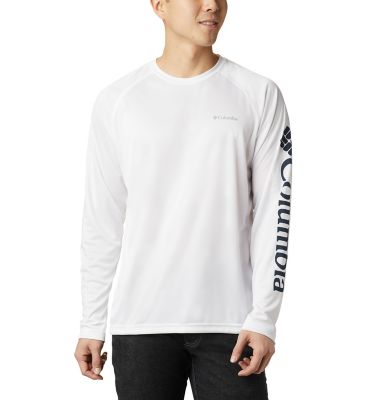
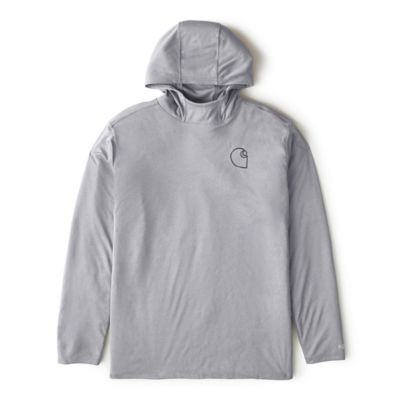
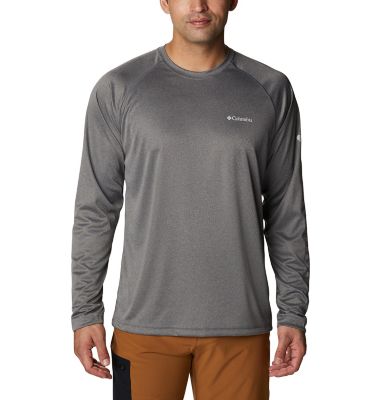
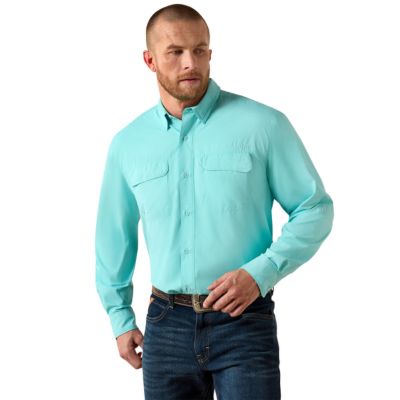
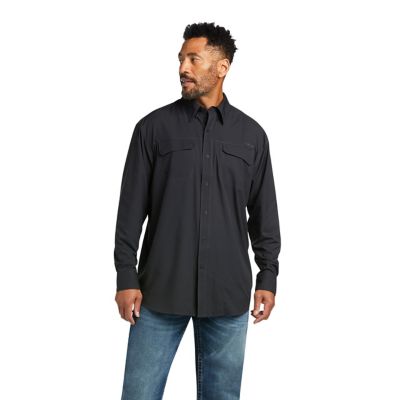
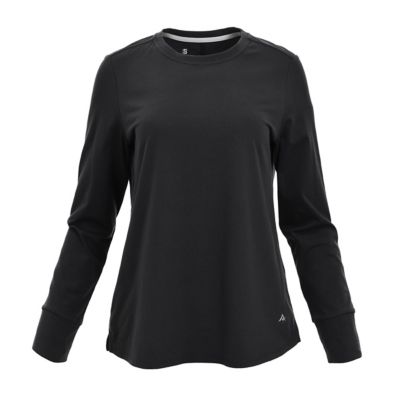
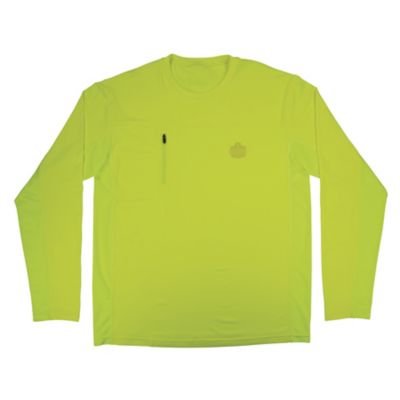
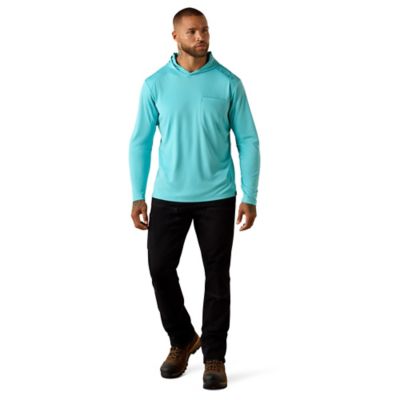
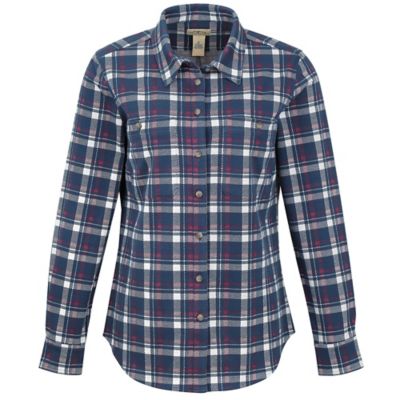
Long sleeve shirts with sun protection put a little more coverage between your skin and the sunlight while leaving you free to tackle chores, cast a line or walk the fence. Their defining feature is a fabric ultraviolet protection factor, or UPF, rating, which describes how much ultraviolet radiation passes through the material under test conditions. A UPF 40 fabric blocks about 97.5% of UV radiation, while UPF 50 blocks about 98%; a UPF 50+ label indicates protection beyond that threshold. Those ratings apply to the fabric, not to exposed skin, and they are different from the SPF rating on sunscreen. Ordinary long sleeves can provide some coverage, but fabric weight, weave, color and condition all affect how much sunlight gets through. A labeled UPF rating gives shoppers a clearer basis for comparing sun protection than sleeve length or appearance alone. For time on a tractor, beside a pond or out checking livestock, coverage also comes down to where the shirt sits as you move. Sleeves that reach the wrists, a hem that stays down when you bend and a neckline that covers comfortably all help keep skin covered. Collared styles offer more coverage around the neck, while hooded designs can cover part of the head and neck without the stiffness of a standing collar. Coverage varies by design, so a hood or collar should not be taken as protection for the entire face. Sun-protective shirts work alongside a broad-brimmed hat, sunglasses, shade breaks and sunscreen on exposed skin rather than taking their place. That matters around water and other surfaces that reflect sunlight, as well as on overcast days when UV radiation can still reach the ground. The appeal is straightforward: comfortable coverage that can stay on through a stretch of outdoor work or recreation, with less exposed skin along the arms.
Fabric and fit make a big difference when a shirt needs to earn its place in the daily rotation. Polyester and nylon fabrics are common in sun-protective clothing because they can be woven into lightweight materials that shed moisture and dry readily. Some blends include elastane for stretch across the shoulders and elbows, while others rely on a roomy cut, articulated sleeves or underarm panels to allow movement. Cotton-containing fabrics may appeal to shoppers who prefer a familiar, soft feel, though cotton content alone does not establish a shirt’s UPF rating or drying performance. Moisture-wicking construction helps move perspiration away from the skin, but comfort also depends on airflow, fabric thickness and how closely the garment fits. A breathable knit can suit an active day on foot, while a woven button-front shirt offers an easygoing look that moves from the feed store to the fishing dock. Mesh panels and back vents can improve airflow; their placement and construction matter when comparing overall coverage. A little room through the torso can keep fabric from clinging, and enough sleeve length helps prevent the cuffs from riding up when reaching for a gate latch or steering wheel. An overly tight fit can stretch some fabrics and affect their protective performance, making the garment’s sizing information worth a close look. Seams that sit smoothly under a shoulder strap, cuffs that do not rub and a hem that stays tucked can matter more after several hours than they do at first try-on. Button cuffs offer adjustment, while pullovers keep the front simple and zip necks allow the neckline to open or close. Chest pockets can keep small belongings close, though loaded pockets may pull on a lightweight shirt. For men who divide their time between chores and recreation,
Men's UV Shirts offer a practical starting point for an outdoor wardrobe built around coverage and freedom of movement.
The right construction also depends on what the day holds. Carrying feed bags, working near rough lumber and brushing past fence posts put different demands on a shirt than sitting on a boat or walking a trail. Tightly finished seams, secure buttons and reinforced stress points can help a garment handle repeated wear, while a lighter, smoother fabric may feel better for steady movement without much abrasion. No lightweight sun shirt takes the place of clothing or protective equipment required for machinery, chemicals or other job hazards. Loose cuffs, hanging cords and extra fabric need particular attention around moving equipment. For everyday wear, care requirements are part of the decision, too. Many sun-protective shirts fit into a regular laundry routine, but the garment label sets the rules for wash temperature, drying, bleach and fabric softener. Those directions help preserve the fabric, its fit and any performance treatments. Prompt attention to mud, sweat and sunscreen marks can make cleanup easier, without the harsh scrubbing that may wear down fibers. A UPF rating should not be treated as a promise that the fabric will perform the same way indefinitely: stretching, thinning, damage and wetness can affect protection, depending on the material and its testing. Worn elbows, snagged sleeves and small holes are worth noticing before a shirt heads back out for another long day. Practical details matter for gift giving as well. Someone who fishes from the bank may appreciate sleeves that stay put while casting, while a gardener may prefer a longer back hem for bending over beds. A ranch hand might favor room across the shoulders and a collar that sits comfortably beneath a hat. Familiar sizing, a preferred neckline and straightforward care can make a sun-protective shirt an easy addition to that person’s routine. Across those different uses, long sleeve shirts with sun protection combine measurable fabric coverage with the everyday details that make clothing comfortable enough to keep wearing.