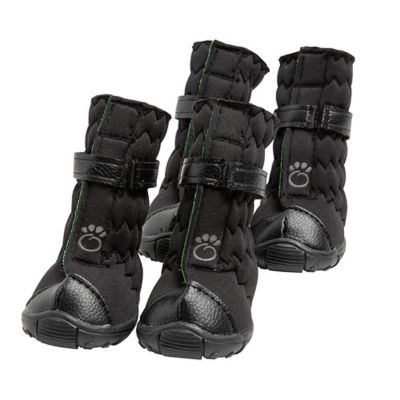
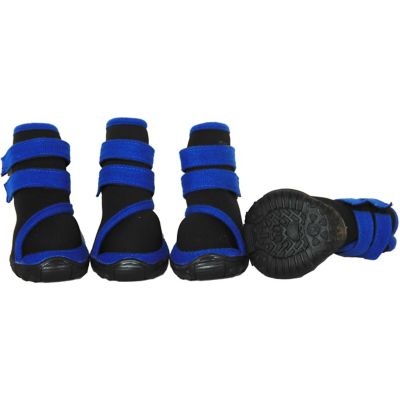
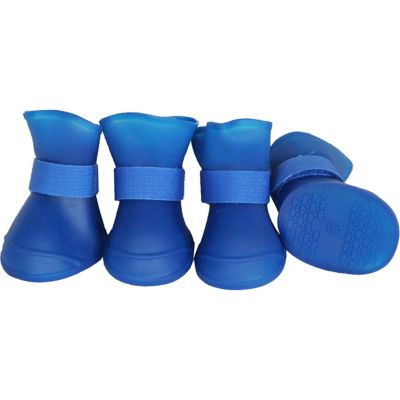
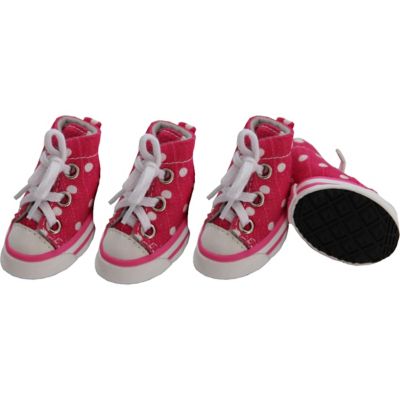
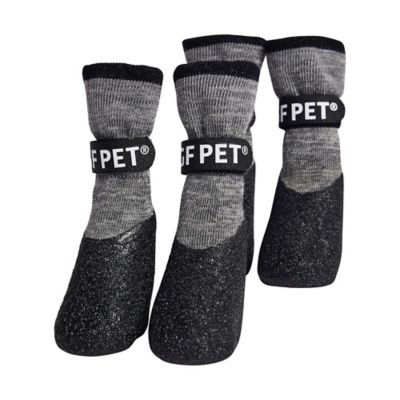
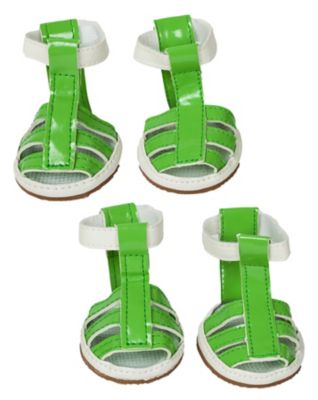
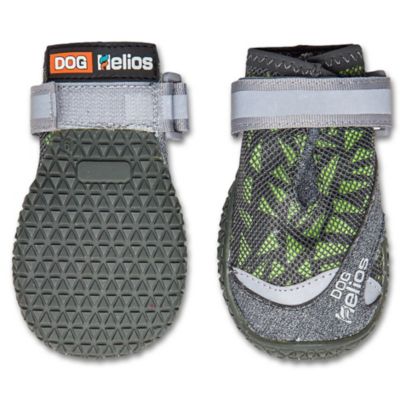
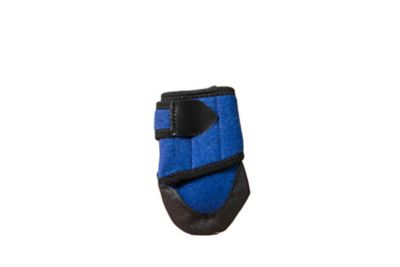
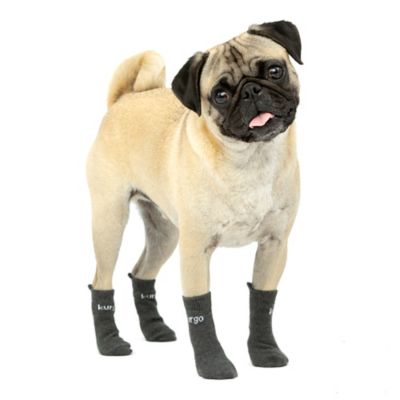
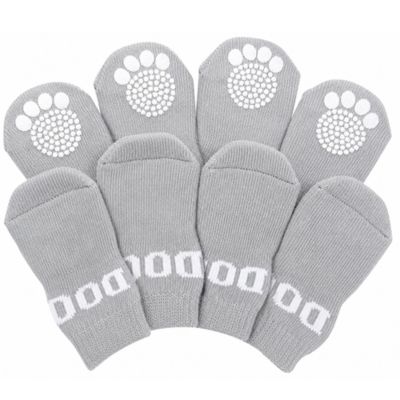
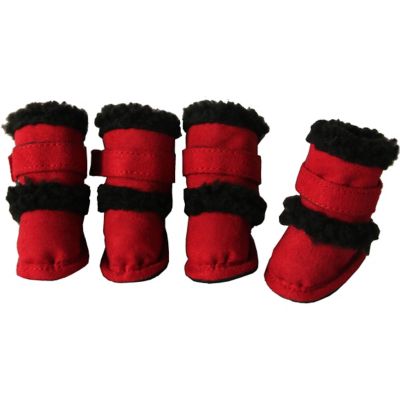
Dog shoes for medium dogs can help protect paws during everyday walks, trail outings, chores around the property and trips through changing weather. A good pair gives your dog’s feet a barrier against rough gravel, sharp sticks, hot pavement, packed snow, ice melt and wet ground. Medium-size dogs come in all sorts of shapes, from sturdy stocky mixes to long-legged sporting breeds, so the right fit depends more on paw measurements and boot design than on weight alone. Before ordering, place one front paw on a sheet of paper while your dog is standing naturally, then mark the widest part of the paw and measure it. Repeat with a rear paw, since front paws are often wider than back paws. Check the product sizing chart and compare the measurement with the chart rather than guessing from your dog’s breed or general size. A boot that is too loose can twist, slide off or collect dirt, while one that is too tight may rub between the toes or press against the paw pads. Adjustable straps, secure closures and a shaped sole can make a big difference for active dogs that trot, run and sniff their way across uneven ground. Look for sturdy soles when your dog spends time on rocky trails or rough farm lanes, and consider flexible rubber or lightweight booties when the main goal is keeping moisture and salt away from sensitive paws. Breathable uppers can help reduce trapped heat during longer outings, while waterproof materials are useful for muddy paths, damp grass and slushy conditions. Reflective details may also make your dog easier to spot when walks stretch into the dimmer hours of the day.
The best dog shoes for medium dogs depend on where your dog will wear them and how much time they spend outdoors. For neighborhood walks, a flexible sole with dependable traction can help on smooth sidewalks and slippery surfaces. Dogs that hike, hunt or roam across gravel need more coverage and a tougher tread to help shield their pads from stones, burrs and rough ground. During the warmer part of the year, pavement can become surprisingly hot, especially in open areas without shade. If the ground feels too hot for the back of your hand after several seconds, it may be uncomfortable for your dog’s paws as well. Ventilated materials and lighter construction can be helpful for warm-weather walks, but shoes should still be removed after an outing so you can check for heat, redness or trapped debris. As cooler weather arrives, waterproof dog boots can help keep paws dry, and a sealed design may help limit contact with salt and other ice-melting materials. Wipe your dog’s feet and shoes after walks in treated areas, then let everything dry fully before the next use. No pair of shoes replaces good paw care, so inspect the pads, nails and spaces between the toes regularly. Watch for limping, licking, chewing or a change in stride, which can signal that the fit needs adjusting or that your dog needs a break. It is normal for a dog to walk stiffly or lift its feet the first few times wearing boots. Start indoors on a clean floor for a few minutes, offer plenty of praise and gradually increase wear time before heading onto a trail. A thin, properly fitted dog sock may add comfort for some dogs and help reduce rubbing, but it should never bunch up inside the shoe or make the fit tight. Always check the closure after a few minutes outside, since movement can loosen a strap even when the initial fit seemed just right.
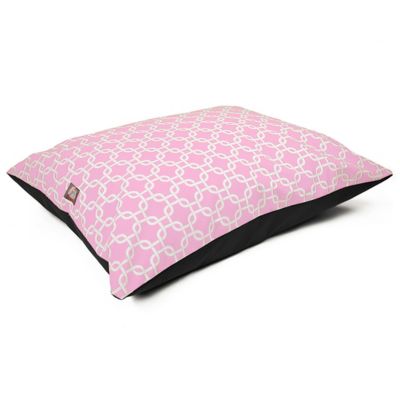
Dog shoes can be a practical addition to a care kit for medium dogs, whether you are outfitting a working companion, preparing for weekend walks or putting together a thoughtful gift for someone who takes their dog everywhere. They are especially handy for dogs recovering from a paw injury when recommended by a veterinarian, older dogs that need steadier footing, and dogs with sensitive pads that do not do well on rough or treated surfaces. Keep a spare pair in a truck, tack room or entryway so your dog is ready for a muddy chore, an unexpected wet trail or a long drive to a new walking spot. When choosing a pair, consider how easy the shoes are to put on with one hand, whether the closure stays secure under movement, how simple they are to clean and whether the sole offers the right balance of flexibility and protection. A dog that spends most days on a soft lawn may need something different from a dog that follows a family across gravel driveways and wooded paths. It can also help to buy according to the largest paw measurement and keep the package or receipt until your dog has tried the shoes on under supervision. Pairing paw protection with a comfortable rest area gives your dog a place to settle after an active day; browse
Dog Beds For Medium Dogs for another useful part of a well-rounded setup. With accurate measurements, gradual training and regular checks for comfort, the right dog shoes can help your medium dog move with more confidence through wet grass, rough ground, cool mornings and the everyday adventures that make outdoor time worthwhile.