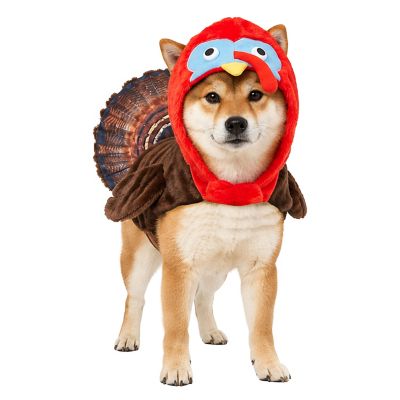
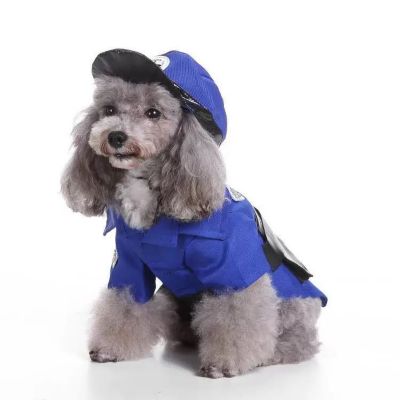
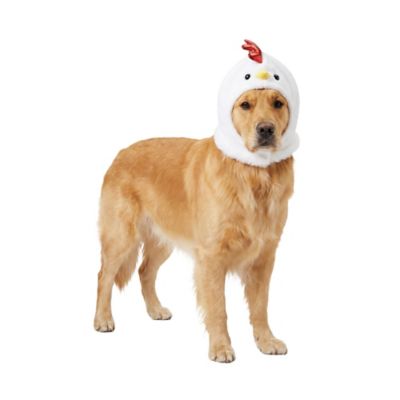
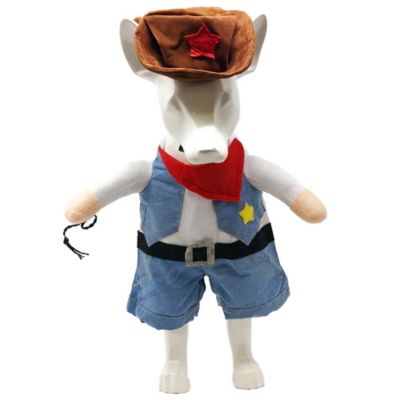
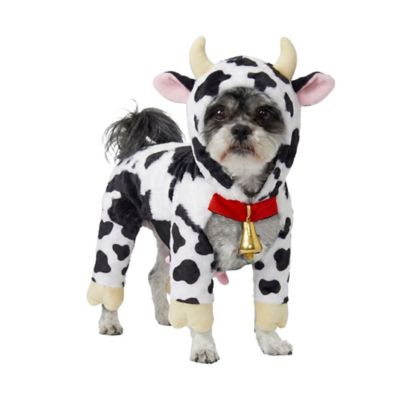
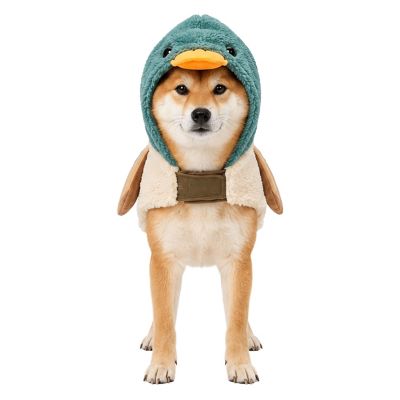
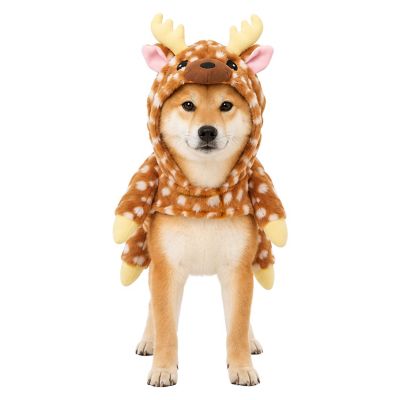
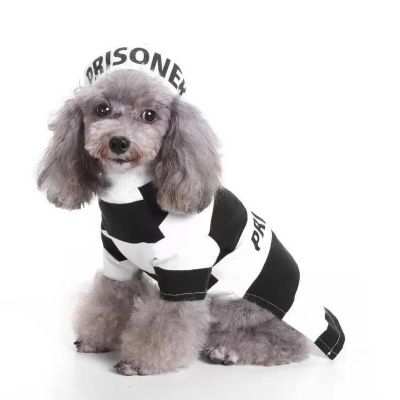
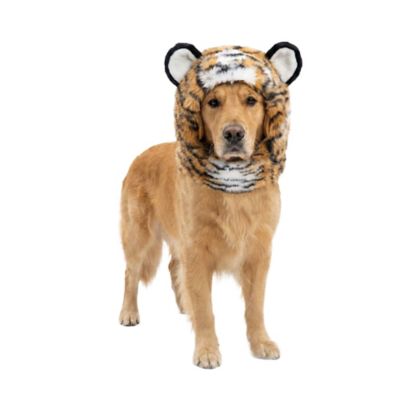
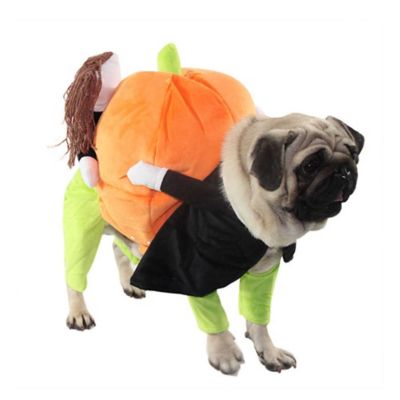
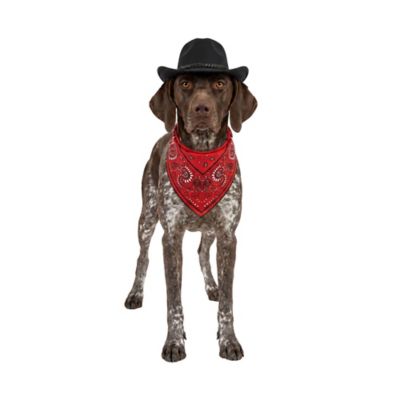
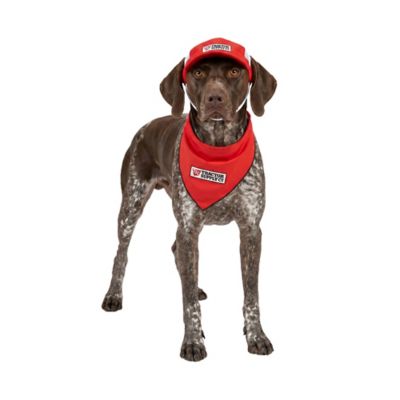
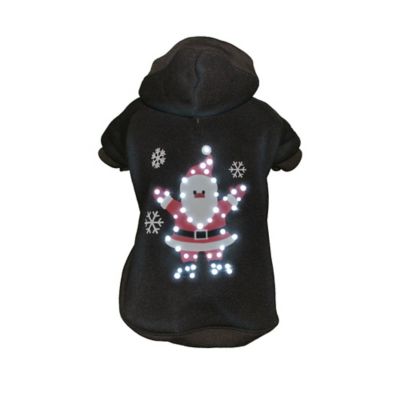
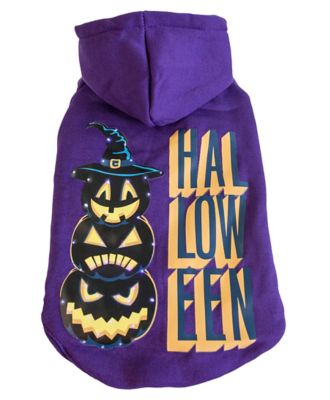
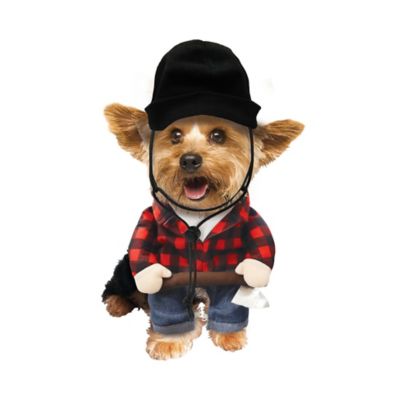
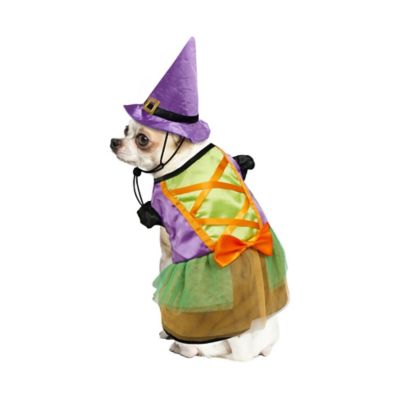
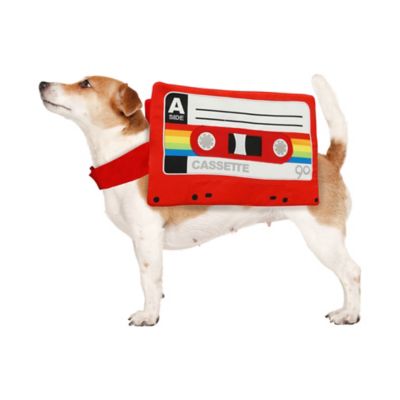
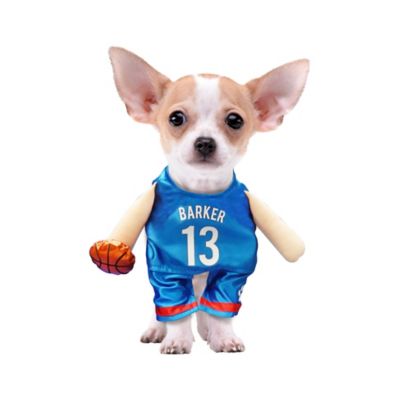
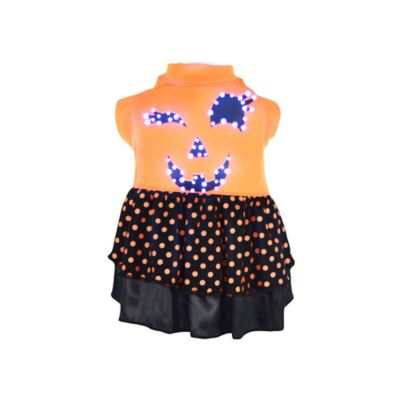
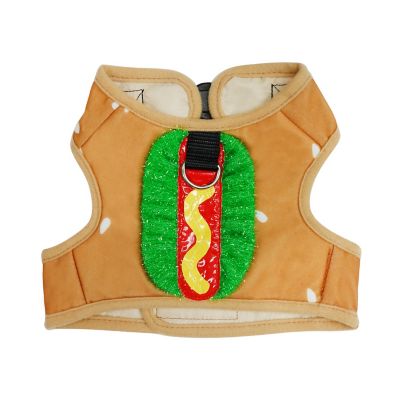
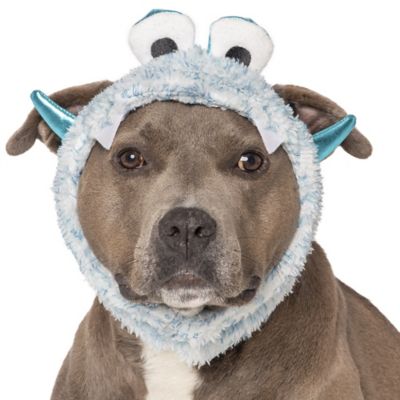
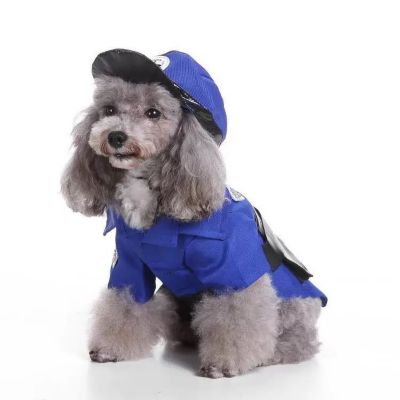
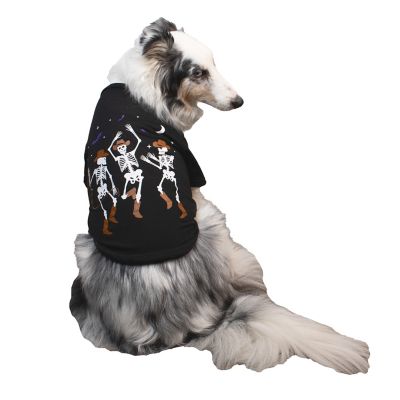
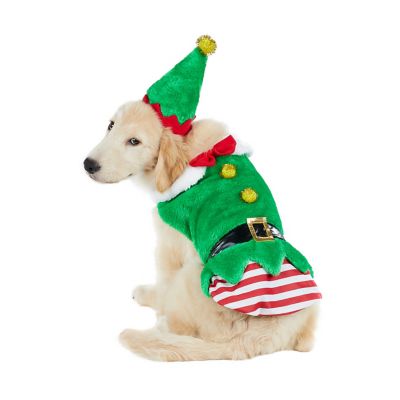
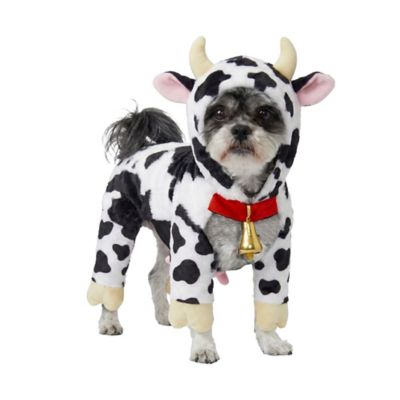
Dog costumes for medium dogs bring a little extra fun to Halloween gatherings, pet parades, birthday parties, and family pictures without requiring a full head-to-tail outfit. Common costume themes include animals, occupations, food, storybook characters, and superheroes, with looks ranging from a simple costume shirt to a fuller outfit with coordinated accessories. A farmyard animal theme fits right in with a front-porch photo, while a playful character look can help a four-legged family member join a group costume. For medium-sized dogs, the best match depends as much on body shape as the theme. A broad chest, long back, thick coat, or narrow waist can change how an outfit sits, even when two dogs weigh about the same. The word “medium” is a starting point, not a standard measurement across every costume. Chest girth, neck circumference, and back length give a clearer picture of fit, and each costume’s sizing chart helps make sense of those measurements. Chest girth generally refers to the widest part of the rib cage, while back length usually runs from the base of the neck toward the base of the tail; the maker’s measuring directions take priority. An outfit should leave room for easy breathing and normal movement without hanging so loosely that a paw can slip inside. Leg openings deserve a close look, especially on dogs with muscular shoulders or a deep chest. The belly and tail areas need enough clearance for bathroom breaks, too. A costume that looks good while a dog stands still should also sit comfortably when the dog walks, lies down, or settles beside a chair. For someone choosing a gift for a dog owner, recent measurements and a little knowledge of the dog’s comfort with clothing are more helpful than a breed name alone. A familiar, easy-on shape often makes a more practical gift than an elaborate outfit for a dog that has never worn one.
Materials and construction help determine whether a medium dog costume suits a quick snapshot or a longer stretch of supervised wear. Lightweight knit fabrics can give shirt-style costumes some flexibility, while smooth woven fabrics help shaped pieces hold their outline. Plush panels add texture to animal themes, though extra padding also adds weight and coverage. Mesh sections and open designs can reduce the amount of fabric against the body, but no material makes an outfit comfortable for every dog. Soft edges around the neck, chest, and legs matter because those areas move with nearly every step. Flat seams, covered fasteners, and a lining that does not bunch can make a noticeable difference when a dog sits down or turns around. Stretch panels offer some give, while adjustable straps can help fine-tune the fit within the stated size range. Neither should compensate for a costume that is too small. Hook-and-loop closures may be convenient for short dressing sessions, but keeping fur clear of the fastening surfaces helps prevent pulling. Snaps and other closures should sit away from spots where they could press against the body. Fuller costumes, capes, and attached props need particular attention to balance: a piece that slides sideways or swings between the legs can interfere with an otherwise easy stride. Hats and headpieces are a separate consideration, since some dogs tolerate a shirt but want nothing touching their ears. Eyes, nose, mouth, and ears should remain unobstructed, and nothing should restrict panting. Small trim, loose cords, and dangling pieces can tempt a dog that likes to chew. Supervised wear and prompt removal of anything the dog mouths help keep dress-up time sensible. A leash should attach to a properly fitted collar or harness, not to costume fabric or a costume accessory. Access to that everyday gear matters more than keeping every part of the outfit perfectly in place.
Care needs are another part of choosing dog costumes for medium dogs, especially when an outfit will make more than one appearance. A washable fabric can be handy after muddy paws brush against a hem or a treat leaves a mark near the collar, but the care label determines the right cleaning method. Some costumes allow machine washing, while shaped pieces, attached trim, or mixed materials may call for gentle spot cleaning. Removable accessories may have different care directions from the main garment. Closing fasteners before washing, where the label permits, can help keep them from catching on fabric, and checking seams afterward can reveal loose threads before the next wear. Drying directions matter as well, since heat can affect elastic, printed details, and certain trims. Clean, fully dry storage helps keep an outfit ready for another party or photo session, and placing shaped accessories where they will not be crushed helps preserve their form. Reinforced attachment points and neatly finished seams are worth considering for repeat wear, although a costume is still dress-up clothing rather than work gear or protective equipment. A few calm minutes at home can show whether an outfit stays in place before a busy gathering. A dog that freezes, repeatedly paws at the fabric, tucks its tail, or tries to pull away may be more comfortable without it. Treats and a relaxed setting can make a brief introduction pleasant, but there is no need to push through signs of distress. For dogs that prefer less coverage,
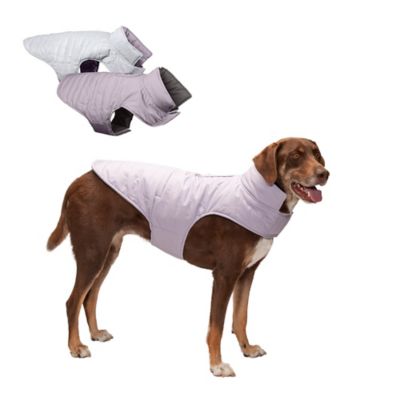
Dog Shirts For Medium Dogs offer a simpler clothing option to consider alongside costume styles. Whether the occasion is a neighborhood Halloween visit or a picture with the family, comfortable movement and a relaxed dog matter more than an elaborate look. The most enjoyable outfit is one that lets the dog stay part of the fun without getting in the way of being a dog.