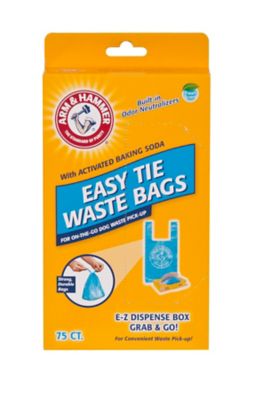
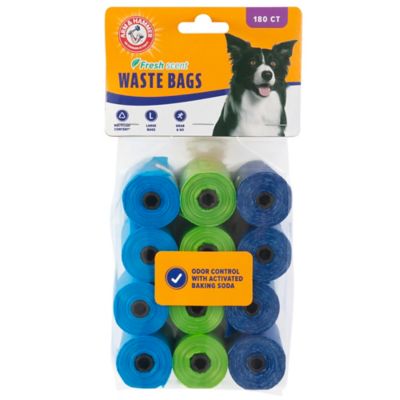
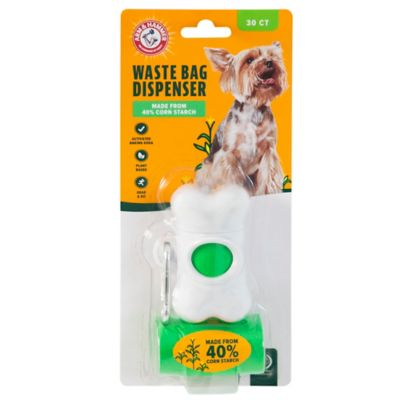
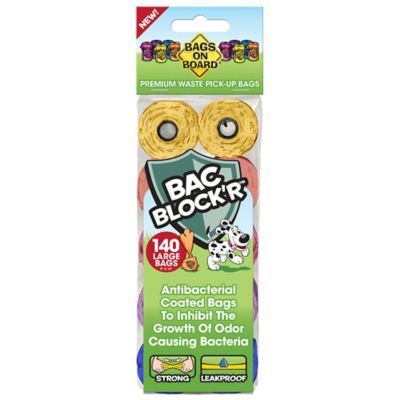
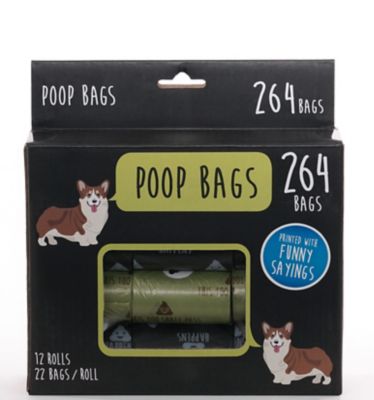
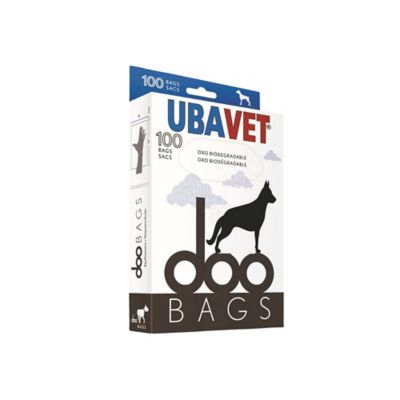
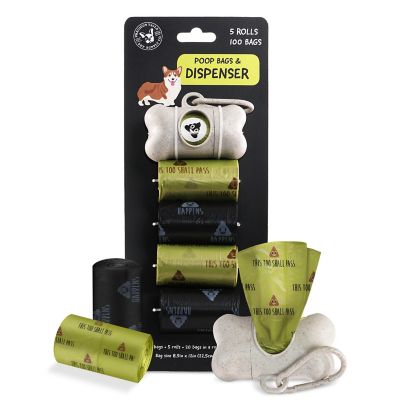
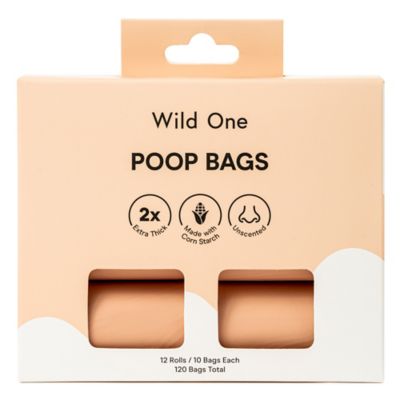
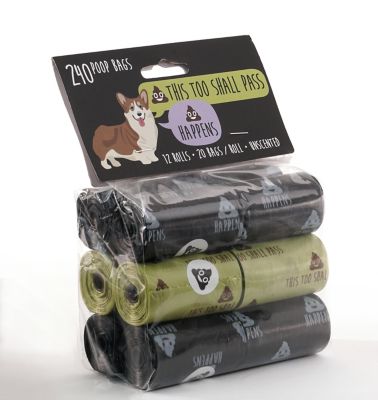
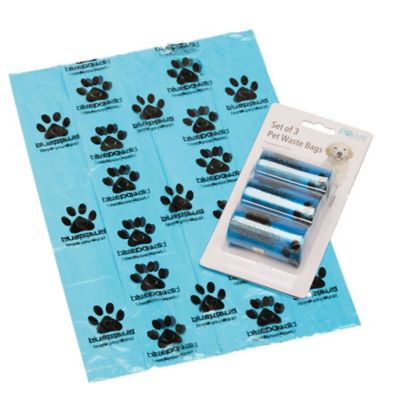
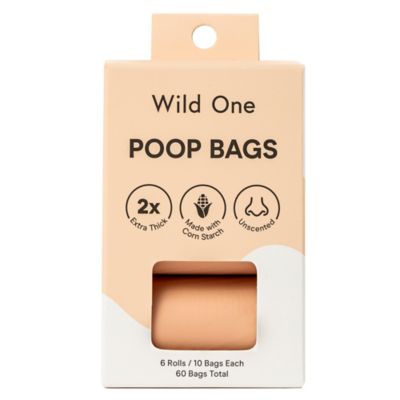
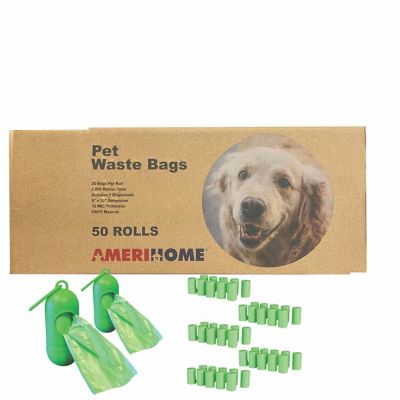
Dog poop bags give pet owners a straightforward way to collect, contain, and carry dog waste until it can go in an appropriate trash container. They belong beside the leash for a walk down the lane, in a travel kit for a rest-stop break, and near the door for everyday yard cleanup. Picking up after a dog keeps paths, shared spaces, and the ground around the house more pleasant for everyone who passes through. The right bag has enough room to cover the hand, gather the waste, and leave a clean section at the top for tying a secure knot. Bag dimensions matter more than the size of the dog alone: a roomy opening can help someone with larger hands, while extra length provides more space between the contents and the closure. Wider bags and expandable sides can be helpful for larger pickups or cleanup over uneven grass. Material thickness, seam construction, and resistance to punctures all contribute to how a bag handles the job. Thickness may be listed in mils, with one mil equal to one-thousandth of an inch, although thickness alone does not tell the whole story about strength. Twigs, gravel, and sharp edges can still damage a bag, so a sound bottom seam matters alongside the material itself. Opaque bags keep the contents out of sight, while scented and unscented versions offer different approaches to everyday handling. A fragrance can help mask smells, but it does not replace a firmly tied closure or prompt disposal. Unscented bags make sense for people who prefer fewer added fragrances around their pets and walking gear. Plastic, recycled-content plastic, and compostable materials each come with different handling and disposal considerations. Across those material choices, practical features such as an easy-to-find opening, cleanly separating perforations, and enough space for a knot can make a noticeable difference when one hand is holding a leash. Those details are especially welcome when a dog is ready to keep moving before the cleanup is finished.
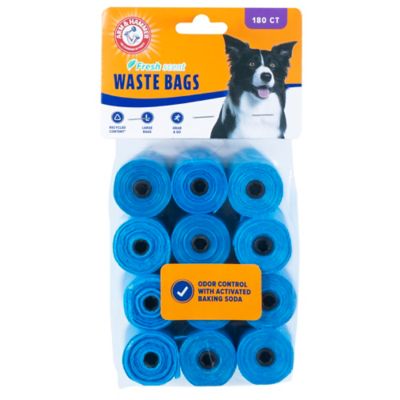
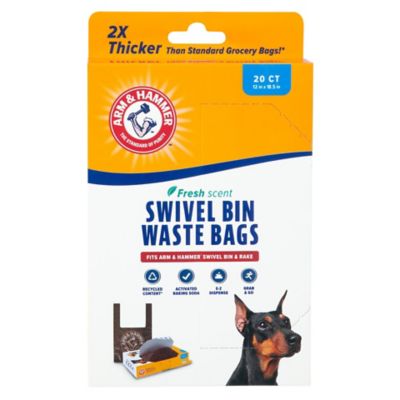
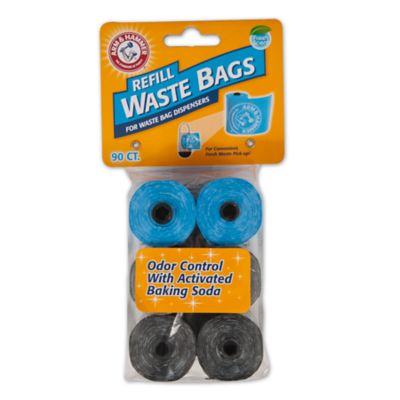
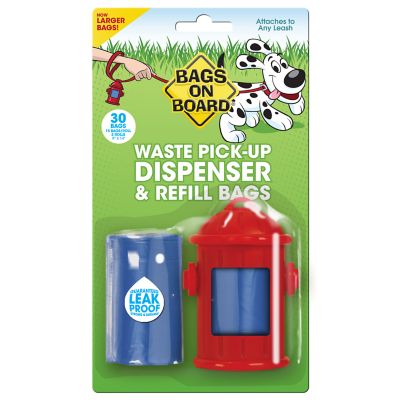
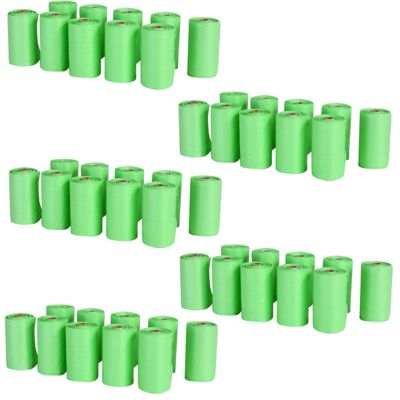
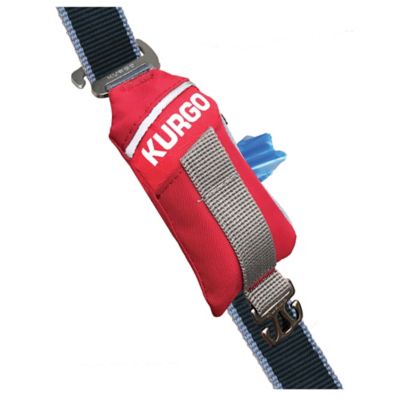
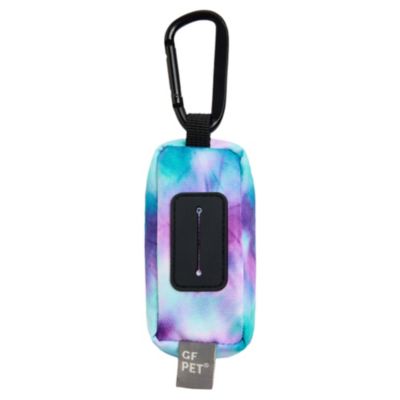
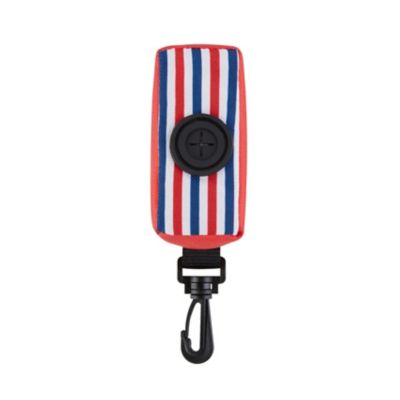
The way dog poop bags are packed can make them easier to keep close without weighing down a walk. Small refill rolls tuck into many leash-mounted dispensers, waist packs, and jacket pockets, while larger rolls or flat packs can suit a cleanup station near the back door or a designated pet area. Refill compatibility depends on the dispenser’s interior space, spindle arrangement, and opening, rather than a roll simply being labeled for dog waste. Roll width, diameter, and core style are worth comparing with the holder already attached to the leash. A roll that turns freely and feeds through the slot without bunching is easier to manage while a dog investigates the fence line. Clear perforations help separate one bag without pulling out several more, and a readily opened top saves fumbling during a quick stop. Flat-top bags leave room for a knot, while handle bags provide ends that can be tied together. Either style needs enough empty space above the waste to close securely without stretching the film too tightly. For households with more than one dog, bag count and package format help determine how often dispensers need refilling and whether separate walking kits make sense. A roll by each regularly carried leash can save a trip back to the house when different family members handle walks. Travel setups benefit from the same practical thinking: poop bags, a leash, and
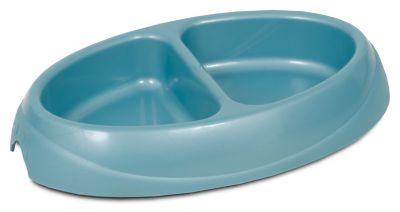
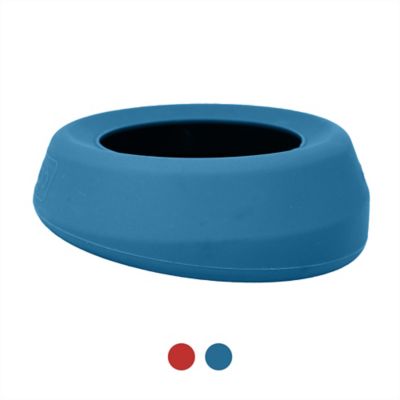
Plastic Dog Bowls cover separate needs during a stop away from home. An enclosed waste carrier may help keep a tied bag separate from water containers and personal belongings until a trash receptacle is within reach. At home, keeping unopened bags in their original packaging protects them from dirt and makes material and disposal information easy to find. Storage away from direct sunlight and moisture helps preserve their condition, and wiping out a dispenser keeps grit from interfering with the roll.
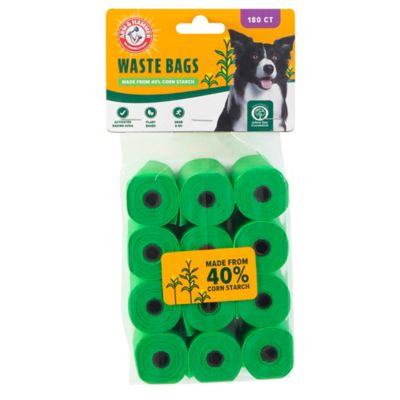
Disposal claims deserve a close look because recycled-content, plant-based, biodegradable, and compostable do not all mean the same thing. Recycled-content bags incorporate recovered material, but that does not make them compostable. Plant-based describes a material source and, by itself, does not establish where a bag can break down. Certified compostable bags are evaluated against a stated standard under specified conditions; industrial composting certification does not automatically mean a bag is suitable for a backyard compost pile. Dog waste adds another consideration, since many composting programs do not accept pet waste even when the bag itself meets their packaging requirements. Local collection rules and the bag’s labeling determine the appropriate disposal route. A compostable label is not permission to leave a filled bag beside a trail, toss it into brush, or bury it along a fence. For ordinary household cleanup, a securely closed bag placed in an appropriate trash container according to local rules keeps the waste contained. Dog poop bags do not belong in curbside recycling, and neither the bags nor bagged waste should go down a toilet. Pet waste can carry parasites and other germs, so it should stay away from vegetable beds, animal feed areas, and places where children play. Prompt pickup also helps prevent waste from being tracked indoors on boots or paws. A bag creates a handling barrier, not a substitute for washing hands after cleanup. For a working property, a small yard, or a household that spends plenty of time on the road, the most useful choice is a bag that fits the routine: roomy enough for the task, easy to separate and open, compatible with the preferred holder, and clearly labeled for disposal. Those everyday details help make cleanup a simple part of heading out with the dog rather than a scramble at the end of the leash.