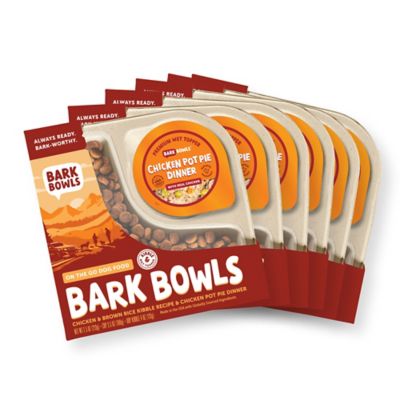
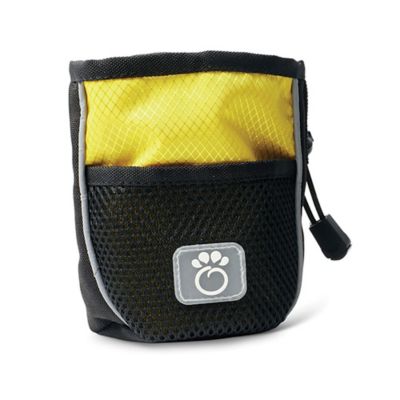
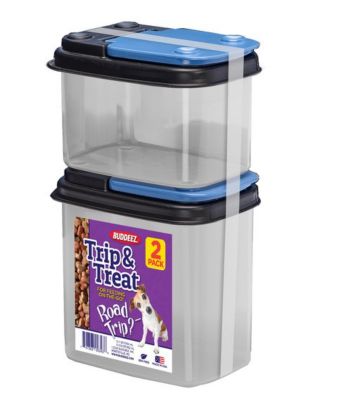
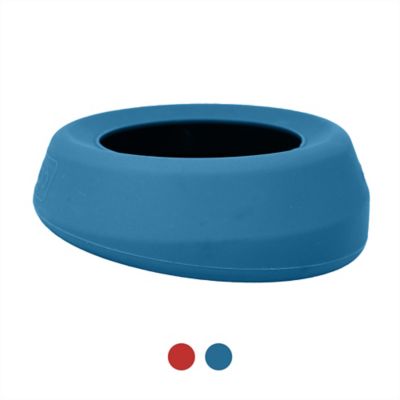
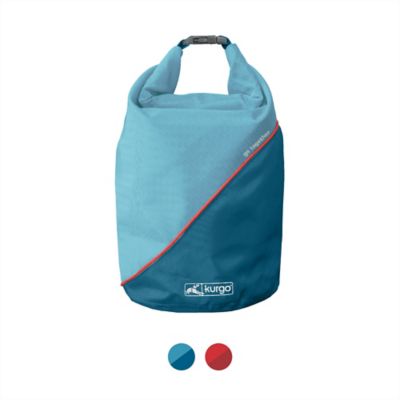
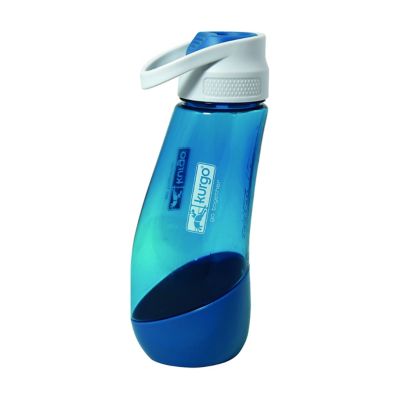
Dog food travel bags keep kibble contained and easy to carry when a dog’s next meal is happening away from home. They give loose scoops and open sacks a more manageable place to ride, whether the destination is a campground, a boarding kennel, a relative’s house or a cabin down a gravel road. The category includes compact food pouches, roll-top carriers and larger totes with separate compartments for feeding supplies. A food-only bag makes sense when bowls and other gear already have a spot in the truck, while a divided travel tote helps keep meals, treats and feeding accessories together. Capacity is one of the most useful starting points, and a cup measurement is often easier to match to a feeding routine than a weight estimate. Kibble size and density vary, so two bags rated for the same number of pounds may not hold the same number of meals for every dog. A dog eating two cups a day needs six cups for a three-day outing, with additional food packed separately for a delayed return. That simple meal count helps distinguish a handy overnight pouch from a carrier suited to several days away. For households traveling with more than one dog, separate inner containers can keep different recipes and portions straight. A label space is especially helpful when one dog gets a different formula or someone else will handle feeding. The bag’s packed shape matters, too: a tall, narrow carrier may tuck beside luggage, while a broader tote may sit more comfortably on a vehicle floor. A flexible design that folds down as the food supply shrinks leaves more room for the rest of the gear. For folks who regularly take a dog along to the farm, on road trips or for visits with family, a dedicated food carrier also makes it easier to keep the feeding routine familiar without hauling the full food sack along.
Materials and construction help determine how a dog food travel bag handles the ride. Nylon and polyester shells often offer a lighter carry and a surface that can be wiped down after contact with dust or muddy gear. Canvas has a more substantial feel, though its weight and cleaning requirements depend on the weave, coating and lining. The outer fabric alone does not establish whether a bag can hold loose kibble; direct food contact calls for an interior specifically intended for that purpose. Some carriers have removable food containers or liners, allowing crumbs and oils to be cleaned out without washing the entire tote. Others work better as an outer carrier for food kept in its original packaging or another suitable container. Roll-top closures reduce extra space as meals are served and can help contain kibble when folded and fastened as directed. Zippered openings provide broad access for a scoop, while buckles and carry handles can make a packed bag easier to lift out of a crowded cargo area. Neither a roll-top nor a zipper automatically means a carrier is airtight, leakproof or waterproof, so those features deserve a close look in the product details. Water-resistant fabric may help with minor splashes, but seams and openings can still let moisture through. Reinforced handle attachments, neat stitching and a supported base are practical details for a bag that will move between the house, vehicle and feeding spot. Shoulder straps should adjust to the person carrying the load, with enough clearance to lift the bag without dragging it against the ground. Pairing a food carrier with
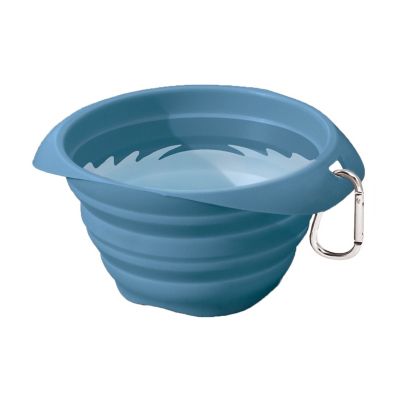
Dog Travel Bowls keeps serving supplies close at hand, particularly when an outside pocket or separate compartment gives a folded bowl its own place. A wide opening also helps when reaching the last few portions, and a closure that stays clear of the food makes packing up less fussy. For longer walks from the parking area to a campsite, the weight of the filled bag matters more than its empty weight.
Easy care is worth considering before the first trip, since dry food still leaves crumbs and an oily residue behind. Smooth, accessible interiors and removable inserts make those leftovers easier to spot, while deep seams and narrow corners can take more attention. Cleaning methods vary by fabric, lining and hardware: a wipe-clean shell does not necessarily mean the whole carrier can go through the washing machine, and a removable container is not automatically dishwasher safe. Follow the care directions for each part, empty out old crumbs before adding another batch of food and let washed components dry completely before closing them up. Keeping the original food package, or retaining its lot number and best-by information when food is transferred, preserves details that may matter later. A travel bag is a transport solution rather than a reason to change a dog’s diet, and keeping the usual recipe and measured portions can simplify meals away from home. At a boarding drop-off, clearly labeled portions and written feeding directions help the caretaker follow the routine. On a camping trip, a scoop stored separately from the kibble keeps a hand from becoming the measuring tool, and a separate pocket keeps a damp bowl away from dry food. Food carriers should stay secured during vehicle travel so they cannot slide into a footwell or tempt a dog to help itself along the way. At the destination, store the bag beyond the dog’s reach and follow any site rules for food storage around wildlife; a fabric carrier is not an animal-resistant container. These practical details also make dog food travel bags a thoughtful gift for someone who brings a four-legged companion along on regular outings. The best fit is not necessarily the biggest bag, but one that holds the needed meals, carries comfortably, cleans without a struggle and gives each feeding essential a sensible place to ride.