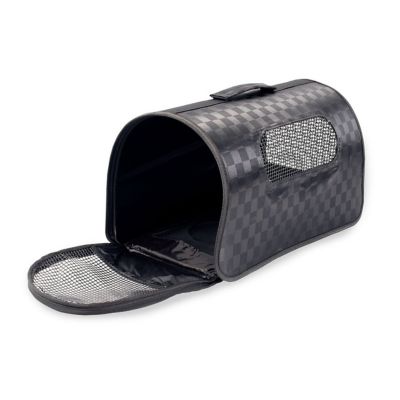
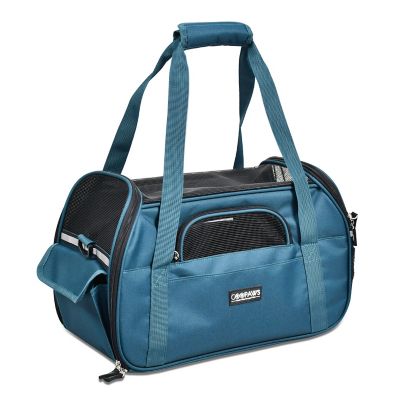
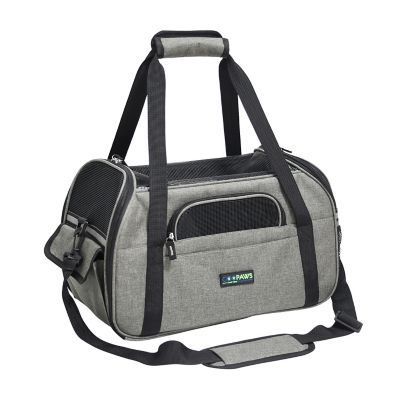
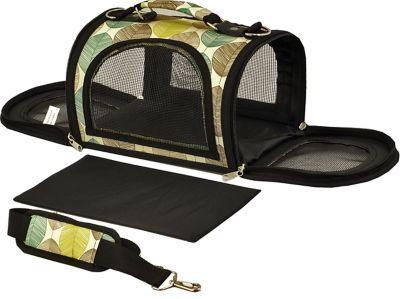
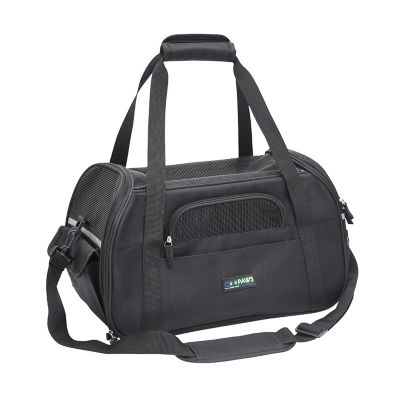
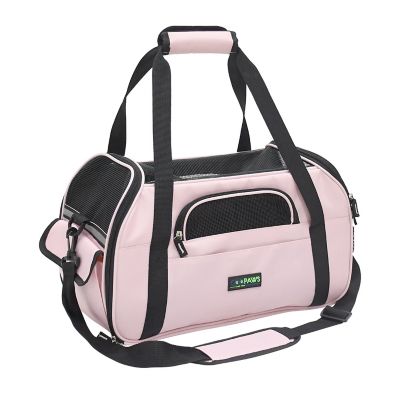
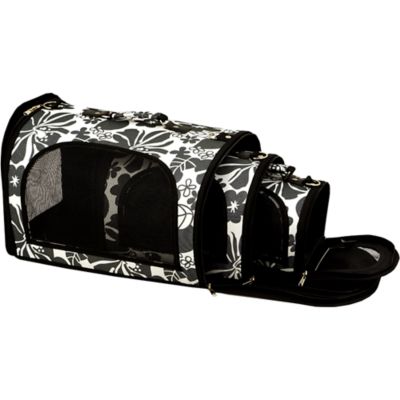
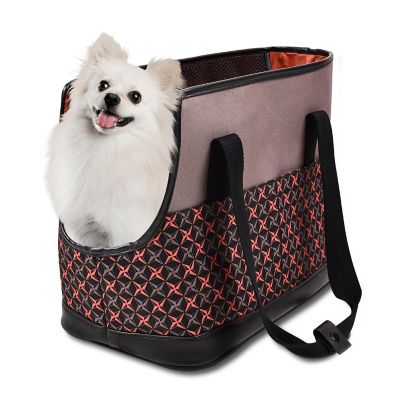
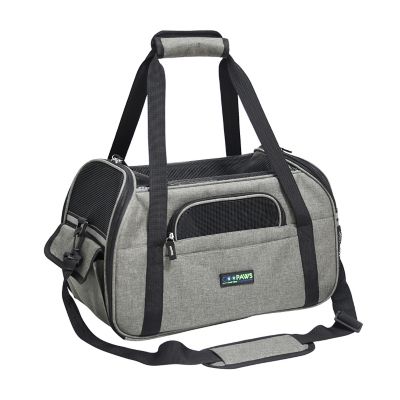
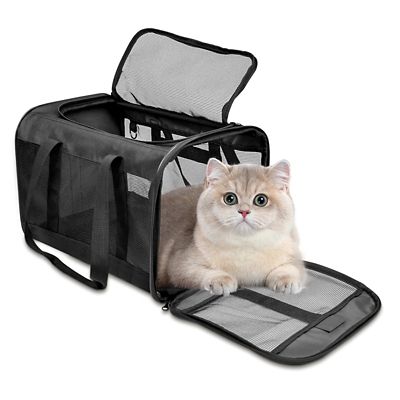
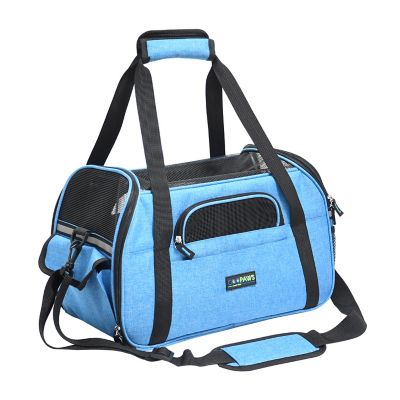
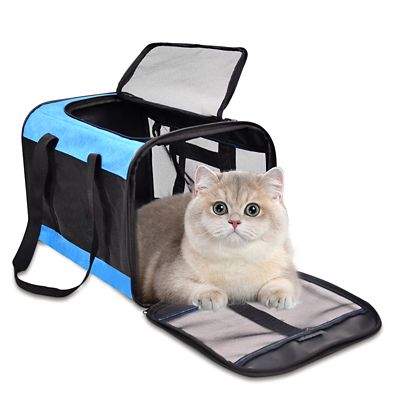
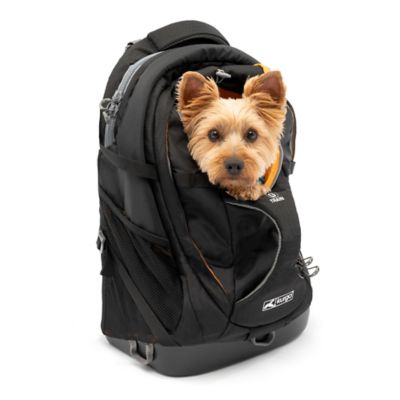
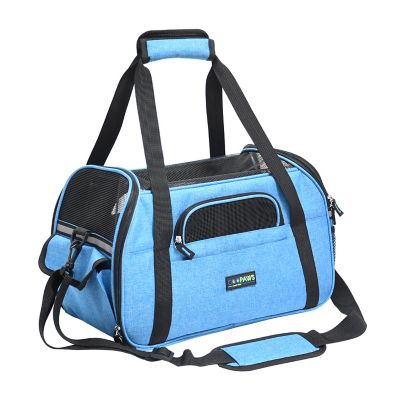
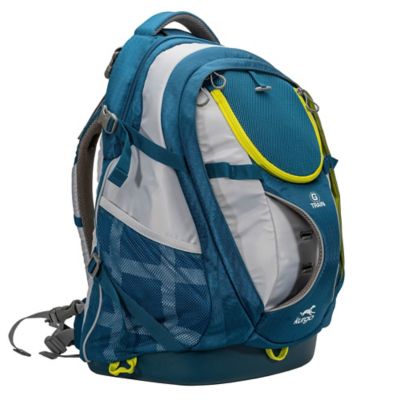
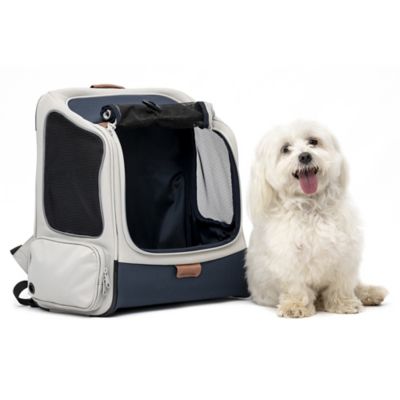
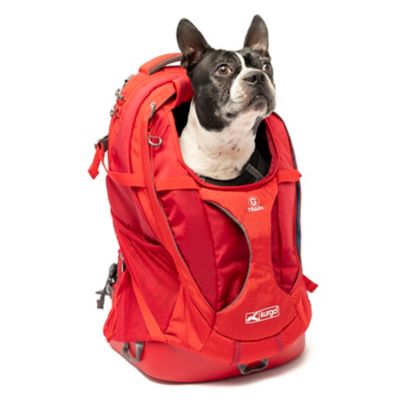
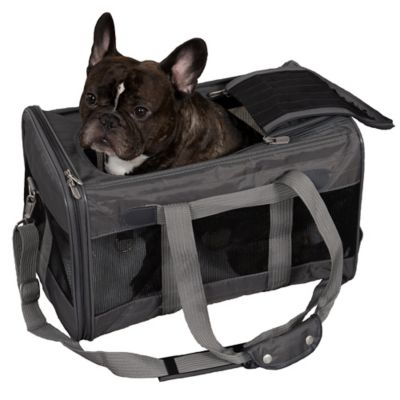
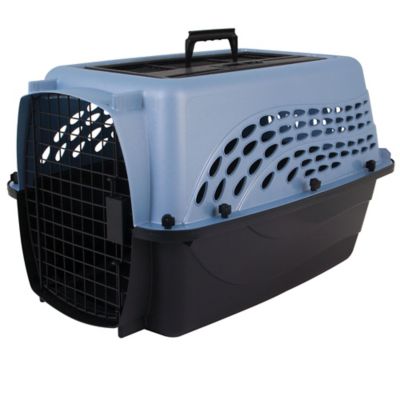
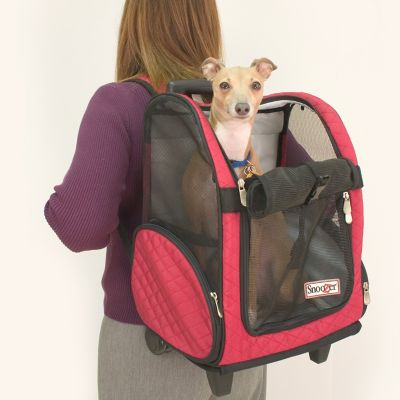
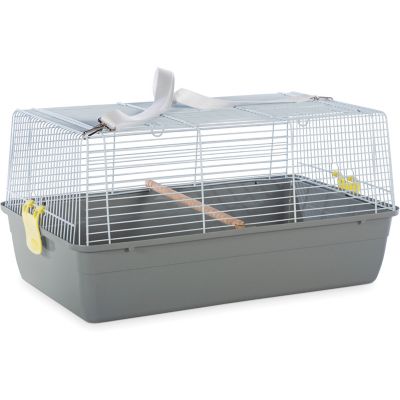
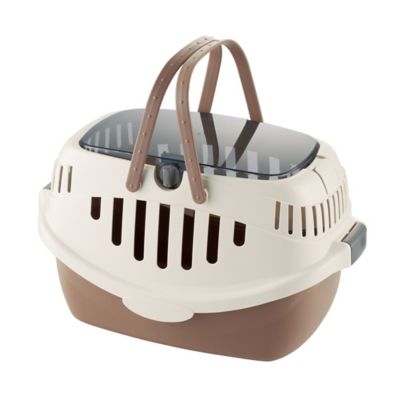
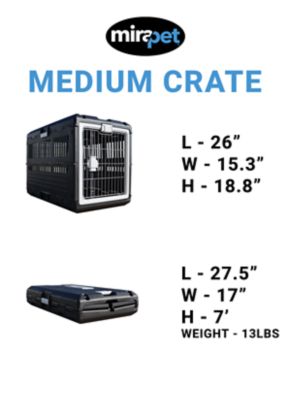
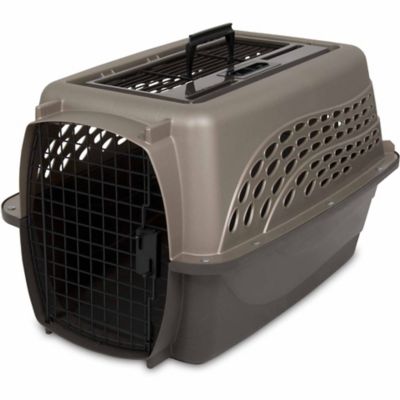
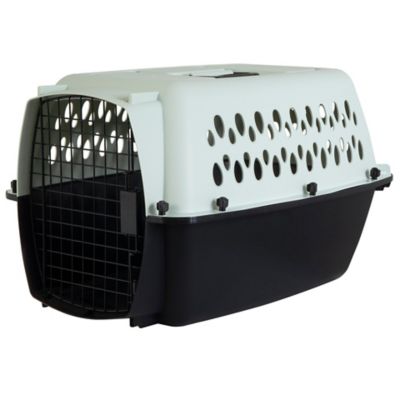
Pet carrier bags give small dogs and cats an enclosed place to ride while keeping them close and making short trips easier to manage. Common styles include soft-sided shoulder carriers, handheld totes, backpack carriers and sling-style bags, with each shape suited to a different way of getting around. A shoulder bag can leave a hand free for the vet’s front door, while a backpack spreads the load across both shoulders when the walk from the parking lot is a long one. Open sling styles generally suit calm dogs that tolerate close contact; cats and pets prone to slipping out need a fully enclosed carrier with secure closures. The right fit depends on more than the weight listed on a bag. Body length, standing height and build all matter, and the usable space inside may be smaller than the outside measurements suggest. A pet should have room to stand naturally, turn around and lie down comfortably without being squeezed against the sides. A long-backed dog and a stocky dog at the same weight may need very different dimensions. The carrier’s weight limit still matters, but it is only one part of the fit. Materials also shape how a bag feels in everyday use. Nylon and polyester shells are common choices for lightweight carrying, mesh panels provide airflow and visibility, and a supported base helps keep the floor from folding under a pet’s feet. Soft padding can make the ride more comfortable, while a removable bottom insert makes cleanup less of a chore. For someone carrying a cat across a gravel parking lot or taking a small dog through a busy lobby, a steady floor, a balanced handle and straps that sit comfortably can matter more than extra trim. A bag that carries well with the pet inside is a better match than one that only looks roomy when it is sitting empty.
Everyday pet travel calls for a balance of access, containment and easy handling. A wide top opening can make it simpler to lower a reluctant cat into the carrier, while an end opening lets a willing dog step inside without being lifted. Multiple access points can be handy, but every opening needs a closure that stays secure. Mesh should be firmly attached around its edges, and zippers, seams and strap connections deserve a close look because those areas take repeated pulling and movement. A pet that chews or claws at fabric may need a different carrier construction rather than a softer bag with more padding. Interior attachment straps, when included, should connect to a properly fitted harness according to the carrier’s directions, not to a collar, and they do not replace a closed opening. Pockets can keep a leash, waste bags or veterinary paperwork within reach, though packing them heavily can throw off the balance and add to the load on a shoulder. For trips in a pickup or car, a carrying bag is not automatically a crash-protection device. Follow the carrier and vehicle manufacturers’ directions for placement and restraint, and keep pets in the passenger compartment rather than an open truck bed. Air travel brings another set of requirements. There is no single airline-approved size that works for every carrier, route and aircraft. Airlines set their own rules for under-seat dimensions, animal size, ventilation and reservations, so acceptance needs to be confirmed directly before a trip. Soft sides may help a bag fit a specified space, but they do not make an undersized interior comfortable for the animal. Breathable panels also need to stay clear of luggage, clothing and other belongings. Whether the destination is a veterinary clinic across town or a family visit farther from home, a carrier should suit the actual trip as well as the pet riding inside.
Care and construction make a difference long after the first outing. A washable liner is useful after muddy paws, loose fur or a small accident, but cleaning directions can vary between the liner, shell and base insert. Some components can go in the washing machine, while others call for spot cleaning with a mild cleaner. Let every part dry completely before putting the bag back together, and keep cleaning products consistent with the manufacturer’s instructions. Water-resistant fabric may shed a small spill, but seams, mesh and zipper tracks can still let moisture through. Reinforced stitching, firmly anchored handles and a base that holds its shape help a carrier stand up to repeated lifting and setting down. Regular checks for frayed straps, torn mesh, loose hardware and sticky zippers can catch trouble before the next trip. Storage matters, too: a folding bag can take up less room in a closet or vehicle, provided it opens fully and its supports lock into place as intended. Comfort at home can make travel less of a fuss. Leaving an enclosed carrier open in a quiet room, with a familiar washable blanket inside, gives a pet time to investigate without every encounter ending in a ride. Treats and brief, calm practice sessions can help build familiarity before an appointment. For households comparing bags with other transport styles,
Best Pet Carrier offers a broader starting point. The everyday details still carry the most weight: how the pet fits, how the bag rests against the person carrying it and how easily it can be cleaned afterward. A carrier bag can also make a practical gift for a pet owner when the animal’s measurements and travel habits are known. From a quick checkup to a longer visit with family, the best match keeps carrying manageable without asking the pet to squeeze into a space that is too small.