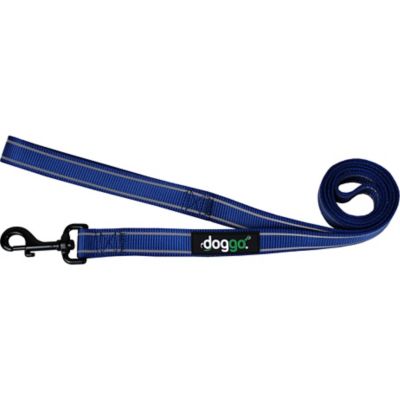
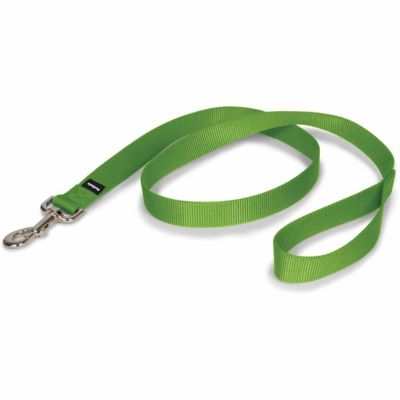
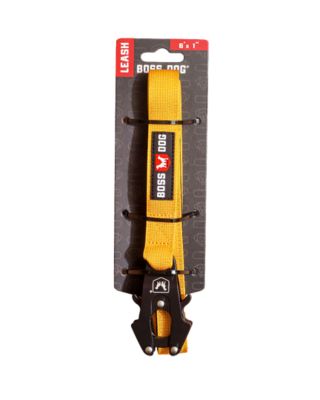
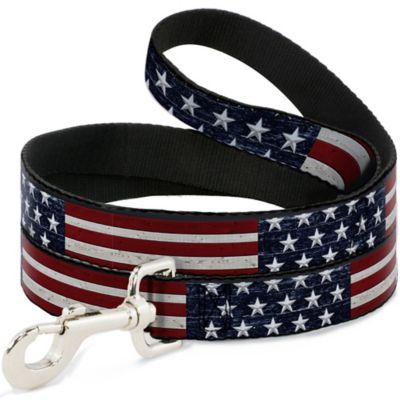
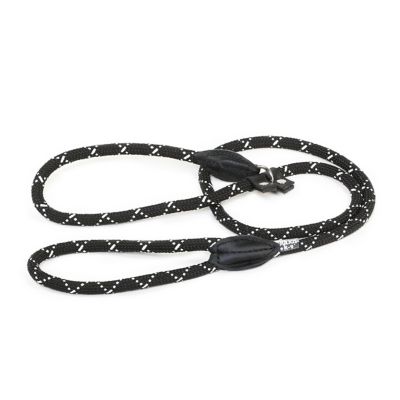
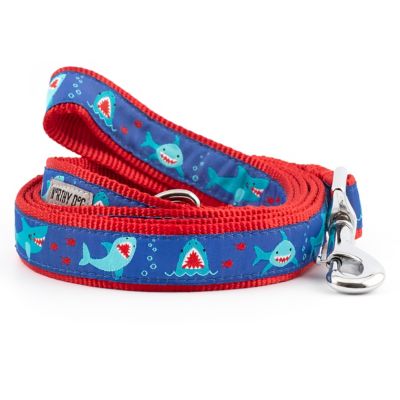
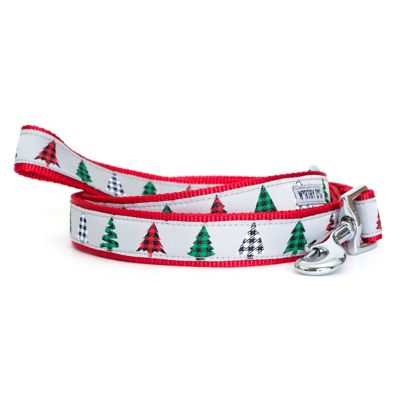
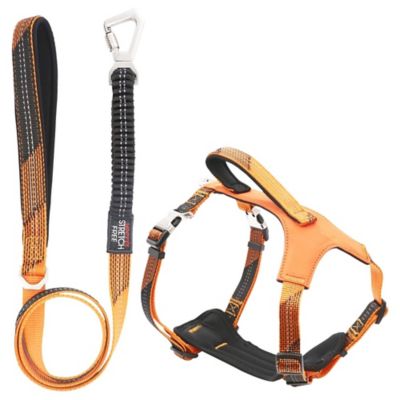
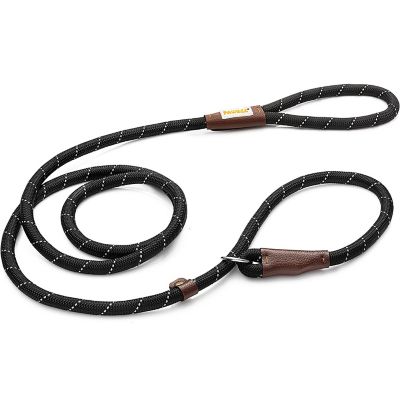
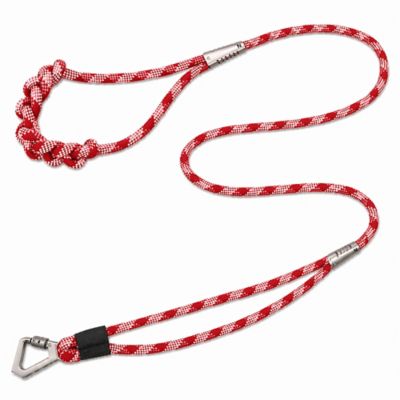
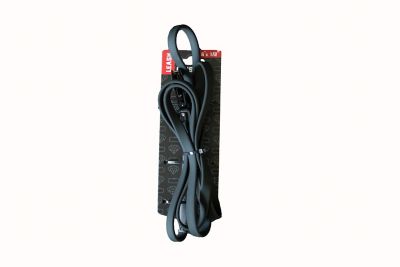
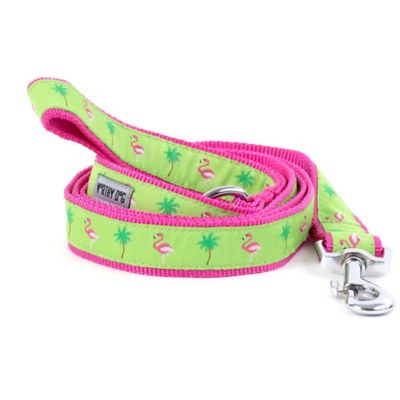
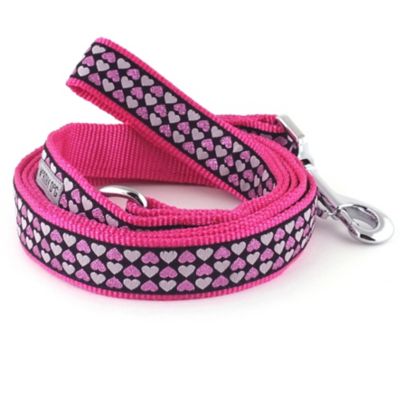
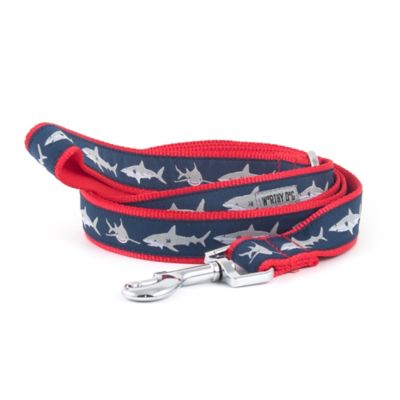
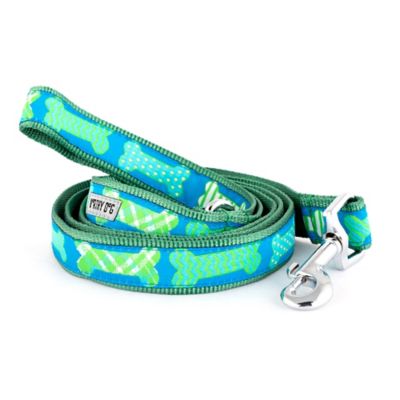
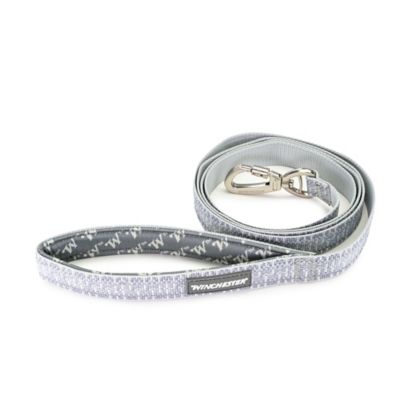
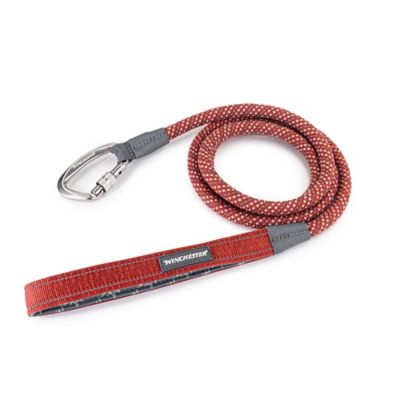
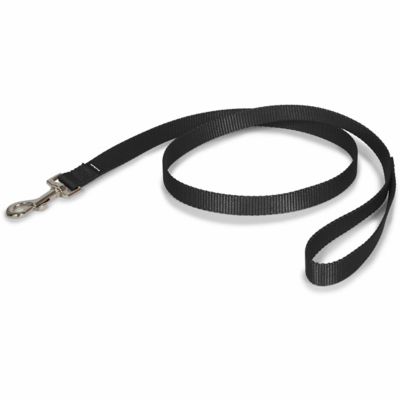
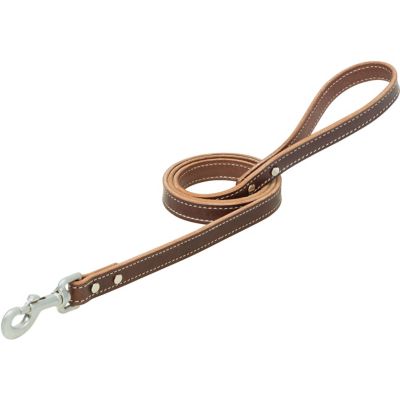
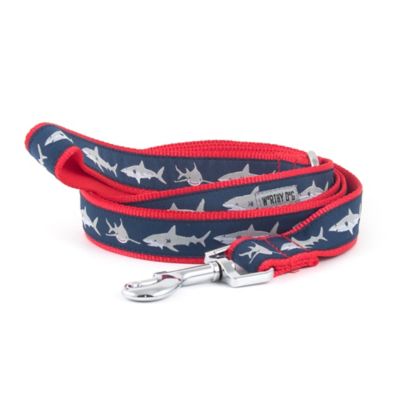
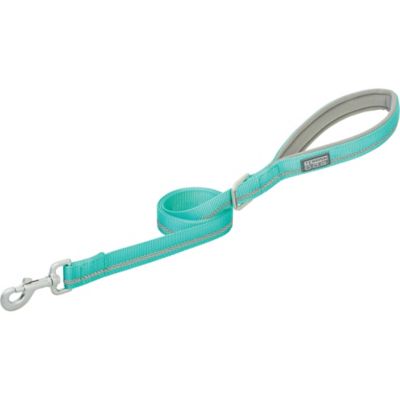
Finding the right dog leash for a large dog starts with thinking about strength, control and the way you spend time together. Big dogs can be gentle as a lamb at home and still bring plenty of muscle to a walk when they spot a squirrel, greet another dog or catch an interesting scent along the fence line. A dependable leash helps you guide that energy without putting all the strain on your hands or your dog’s neck. Look for sturdy materials such as heavy nylon, thick rope or waterproof-coated webbing, especially if your walks lead through damp grass, muddy trails or the edge of a pond. A leash around 1 inch wide often offers a solid balance of durability and comfortable handling for large breeds and strong pullers. Reinforced stitching at stress points is another good sign, as are bartacked connections where the handle and clasp meet the main strap. Hardware deserves close attention, too. A strong, all-metal snap hook or carabiner-style clasp should feel substantial in your hand and close securely onto a collar ring or harness. Check that the clasp is sized to match your dog’s gear and is easy for you to operate, even when your fingers are cold or wet. For many households, a standard fixed leash in the 4- to 6-foot range is the most practical choice for everyday walks, trips to the feed store, neighborhood strolls and quick potty breaks. It gives your dog enough room to sniff while keeping them close enough for steady direction around roads, driveways, livestock, children and other pets. A comfortable padded handle can make a real difference when a 90-pound dog suddenly leans into the leash. That little bit of cushioning helps prevent rubbing and keeps a firm grip during longer outings. If your dog has a habit of surging ahead, consider browsing
Heavy Duty Dog Leashes for options made with extra durability and close-control features in mind.
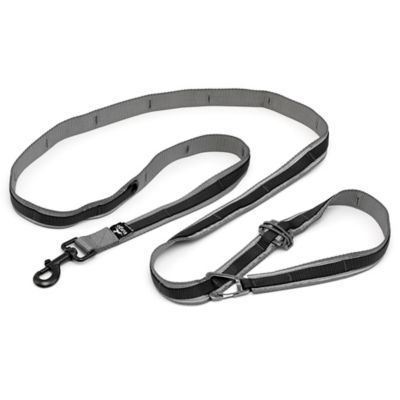
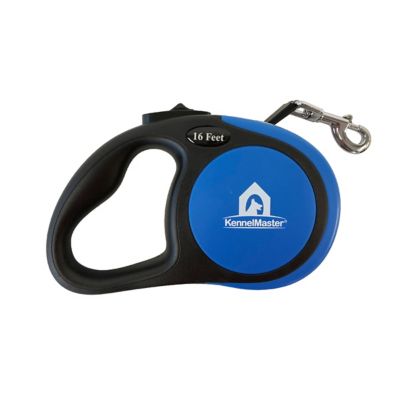
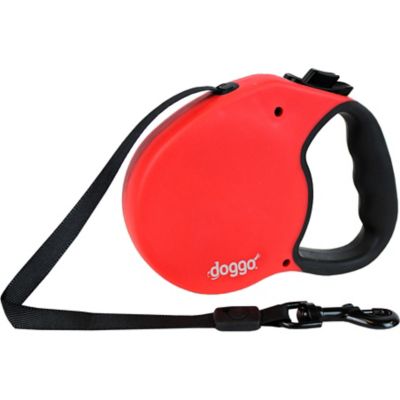
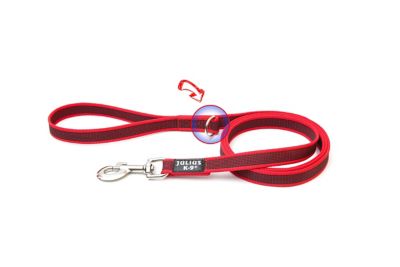
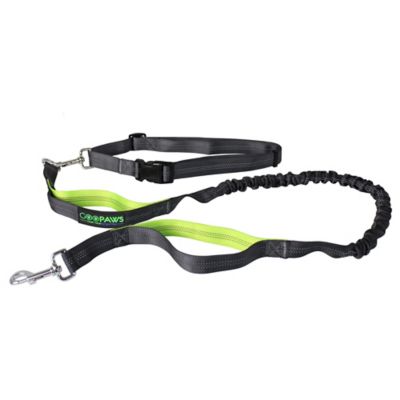
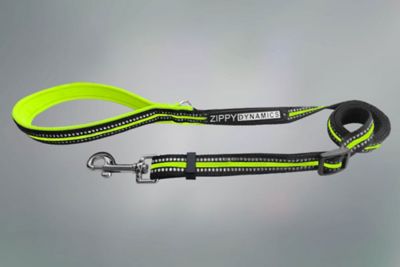
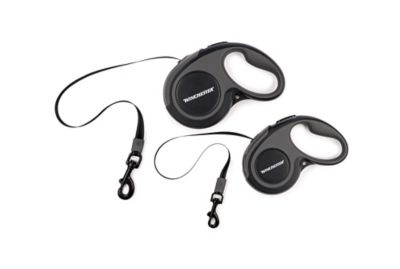
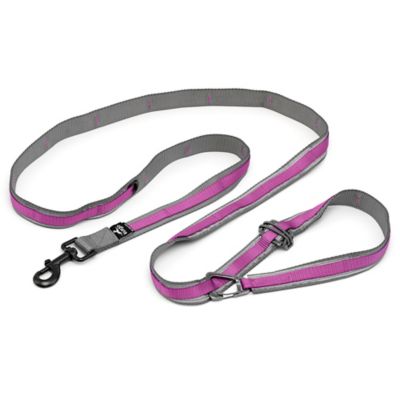
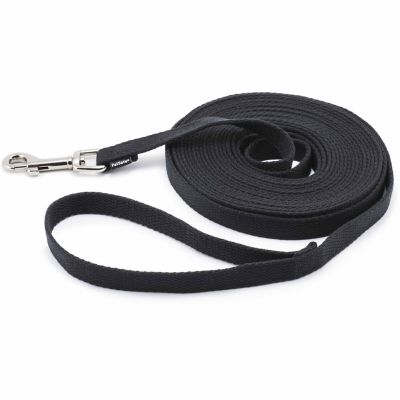
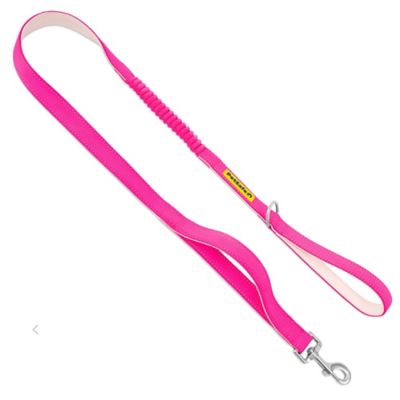
Different leash styles fit different kinds of dogs, handlers and outings. A dual-handle leash includes a second loop closer to the clasp, giving you the option to keep your dog right beside your leg when walking near traffic, crossing a busy parking lot or passing through a crowded trailhead. The regular handle still provides room for a more relaxed walk, while the lower handle gives you quick control when you need it most. This setup can be especially useful for a strong dog that is still working on polite leash manners, or for anyone who wants a little more confidence while handling a large breed. Longer training leads, often ranging from about 15 to 26 feet, allow a dog to practice recalls, stays and check-ins across an open yard or field while remaining connected to the handler. They are best used in clear, controlled spaces away from roads, brush and other hazards, and they require a little more attention to prevent tangles around legs, trees or fence posts. Retractable styles can offer extra roaming room on open paths, but large dogs need a leash designed for their size and pulling strength. Look for a wide tape-style line rather than a narrow cord, a substantial handle and a locking mechanism that is easy to use. Retractable leashes are not a substitute for close control in crowded areas, around unfamiliar animals or near traffic, where a fixed lead is usually the safer choice. Hands-free waist leashes can be handy for walking, jogging or hiking, particularly when they include a shock-absorbing section that softens sudden movement. Even with a hands-free design, keep your dog’s size, training and pulling habits in mind. A powerful dog can pull a person off balance, so active walks should begin in open, familiar areas and use a leash and harness combination that gives the handler reliable control. Matching the leash to the dog’s behavior is just as important as matching it to their weight. A calm giant breed may do beautifully on a comfortable standard lead, while a muscular young dog may need a reinforced leash, a traffic handle and continued training before enjoying more freedom.
A good leash also makes a thoughtful gift for someone bringing home a large-breed puppy, adopting an adult dog or getting ready for a new season of outdoor time. Pairing a leash with a properly fitted collar or harness, waste bags and a reflective accessory can help a new dog owner feel prepared for walks from the start. As the weather warms, many families spend more time on back roads, grassy paths, campsites and farm lanes, where a durable leash stands up to dust, dew and frequent use. During the cooler months, dogs often get extra energy from crisp air and longer evenings indoors, making dependable daily walks a welcome part of the routine. Reflective stitching or high-visibility colors can help make a dog and handler easier to see in low light, especially near rural roads, driveways or wooded trails. Before each outing, take a moment to inspect the leash for frayed webbing, loose stitching, stretched rope, bent hardware or a clasp that no longer closes smoothly. Give special attention to the point where the leash connects to the collar or harness, since that small area carries the force of every pull. Clean muddy or salt-covered materials according to the care instructions and let them dry fully before storing them. It is also wise to choose a leash based on the dog’s equipment: some collars and harnesses have larger or differently shaped attachment rings, and the clasp should fit without crowding or catching. For dogs that pull, a well-fitted harness may spread pressure more comfortably than a collar alone, but no leash replaces patient training and good judgment. Rewarding a loose leash, stopping when the dog pulls and practicing in quiet spaces can turn a hectic walk into a steady, enjoyable routine. With the right length, strong materials, secure hardware and a handle that feels good in your hand, a large dog leash becomes more than a simple connector. It is the everyday link that helps you explore safely, keep your dog close when needed and enjoy the familiar sights, smells and open air that make walking worthwhile.