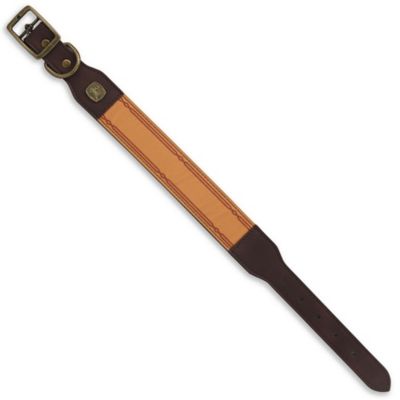
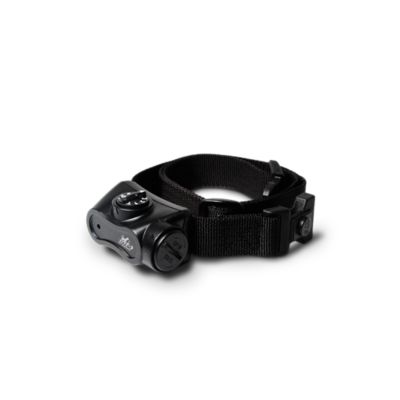
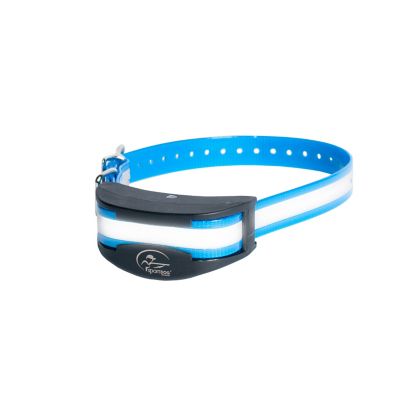
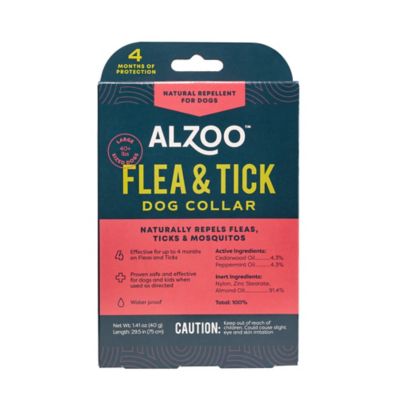
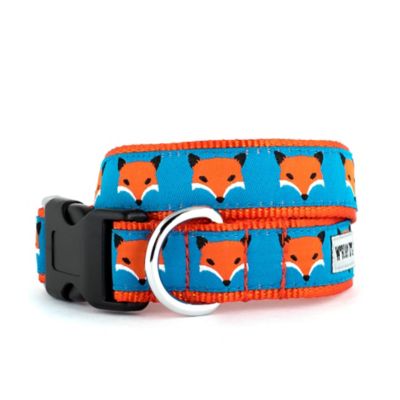
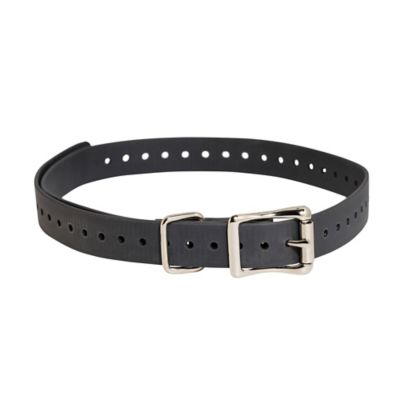
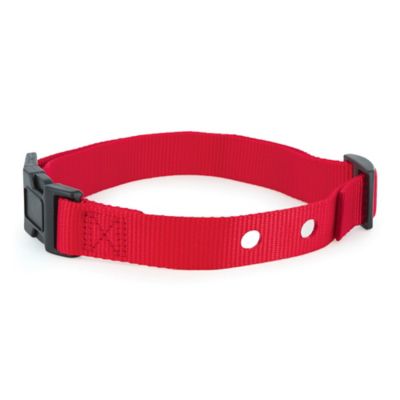
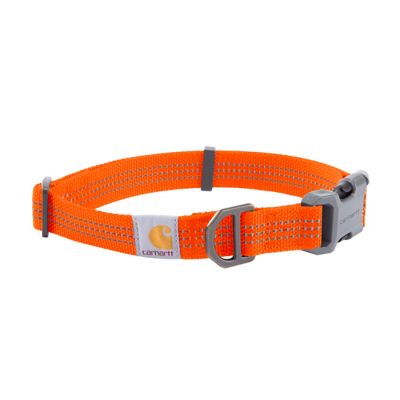
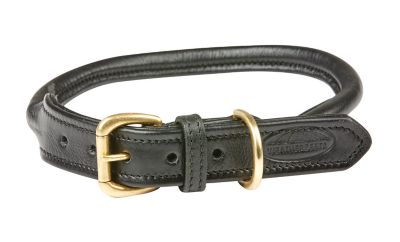
Dog collars for extra large dogs are made for the size, strength and everyday routines of big, powerful companions. Great Danes, Mastiffs, Newfoundlands, Saint Bernards, Bernese Mountain Dogs, Great Pyrenees and other giant breeds need a collar that sits comfortably around a substantial neck without feeling flimsy or pinching under pressure. A wider collar—often 1.5 to 2 inches—is a good starting point because it spreads pressure over more of the neck than a narrow strap. Look for sturdy materials such as full-grain leather, thick coated webbing or heavy-duty nylon, along with strong stitching and reinforced adjustment points. Hardware matters just as much. Metal buckles made from stainless steel, brass or aluminum and welded D-rings generally offer a more dependable connection than lightweight plastic pieces, especially for dogs that are strong on the leash or spend time outdoors. Before choosing a collar, measure around the middle of your dog’s neck with a soft tape measure, keeping it snug but not tight, and compare that measurement with the manufacturer’s size range. After the collar is fastened, you should usually be able to slide two fingers between the collar and your dog’s neck without forcing them through. Check the fit again as your dog’s coat changes, as a puppy grows, or after a trim. A collar that fit a fluffy dog in late summer may sit differently after a seasonal grooming appointment, while a thick winter coat can make an otherwise comfortable collar feel too snug. Extra-large dogs come in many shapes, so neck size is more useful than breed name alone. A long-necked dog may be comfortable in a different style than a broad-chested dog with a shorter neck, and a slim giant-breed dog may need a collar with plenty of adjustment rather than the widest option available.
The right collar depends on how your dog spends the day. For relaxed walks around the property, trips to town and regular identification, a comfortable everyday collar with a secure buckle and a dependable D-ring may be all that’s needed. Dogs that pull hard, jump toward distractions or need closer handling in busy public places may benefit from a heavy-duty style with reinforced hardware and an integrated traffic handle. A top handle gives you a quick, close-control grip when moving through a gate, crossing a parking area or guiding a big dog past livestock, other pets or unfamiliar activity. It should be used for brief control rather than lifting your dog or suspending weight from the neck. For training, walking and strong pullers, a properly fitted harness may help distribute force more evenly across the chest; many owners use a collar for identification and backup connection while relying on a harness for primary leash control. No collar replaces supervision, training or a leash suited to your dog’s strength. Inspect the stitching, buckle, D-ring and adjustment holes regularly, especially if your dog runs through brush, rolls in mud or spends long days outside. Dirt and moisture can work into hardware and weaken fibers over time, so follow the care instructions for the collar’s material and let it dry fully before storing it. Leather may need occasional conditioning, while nylon and coated materials can often be wiped clean with mild soap and water. Reflective stitching, bright colors or a place for an identification tag can add practical visibility during early-morning walks, shaded trails and the darker part of the cooler months. Keep current contact information on the tag, and make sure the collar does not interfere with your dog’s ability to breathe, swallow, scratch or move naturally. If your dog coughs, gags, slips out of the collar or shows irritation beneath it, stop using it and reassess the size and style with guidance from a veterinarian or qualified trainer.
A sturdy collar can be a thoughtful gift for someone welcoming a giant-breed puppy, adopting an adult dog or replacing gear that has seen years of farm roads, campground trails and neighborhood walks. It is also a practical choice for a family whose big dog is growing out of puppy equipment or for a working dog that needs reliable identification while moving between the house, kennel and yard. When giving one as a gift, an adjustable design is useful, but the recipient will still need to confirm the dog’s exact neck measurement before regular use. Consider the dog’s daily setting when choosing features: a washable collar suits muddy yards and wet-weather walks, a padded interior can help protect short or sensitive coats, and a simple leather or webbing design may fit naturally into an everyday routine. Extra-large dogs often carry themselves with plenty of confidence, but their size can make small fit problems more noticeable. A buckle that is hard to operate, a rough edge beneath the jaw or a D-ring that shifts out of place can become frustrating during every walk. The best match feels secure without being bulky, leaves room for identification and sits flat against the neck as the dog moves, sniffs and leans into the leash. Whether your dog spends cooler mornings checking the fence line, tagging along on a weekend outing or resting beside the porch after a long day, dependable gear makes those ordinary moments easier to manage. If your dog falls into a smaller size range, you can also browse
Dog Collars For Medium Dogs for options designed around different neck proportions and everyday handling needs.