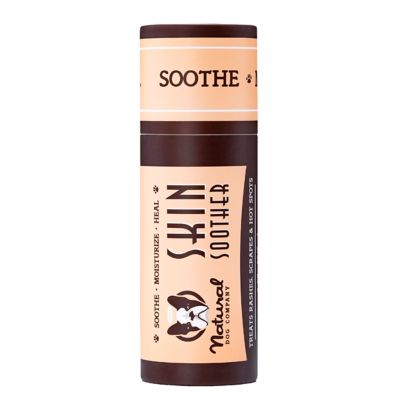
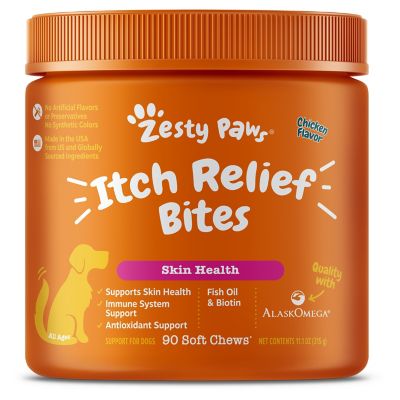
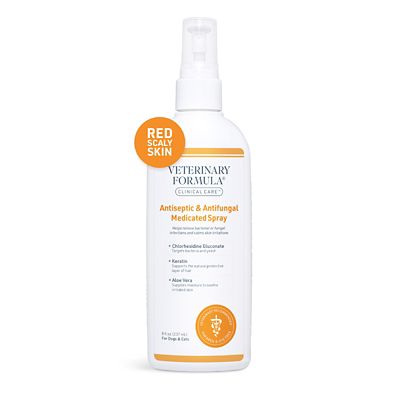
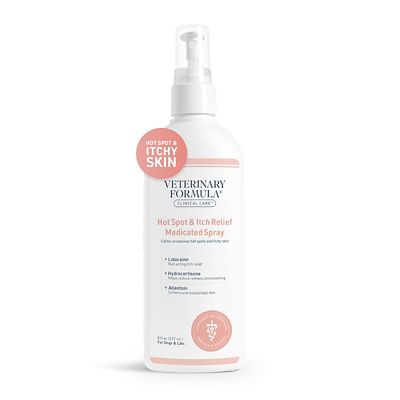
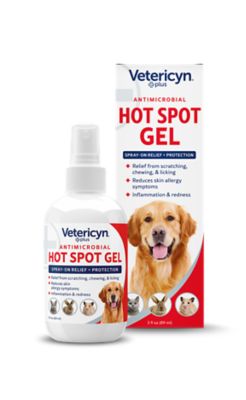
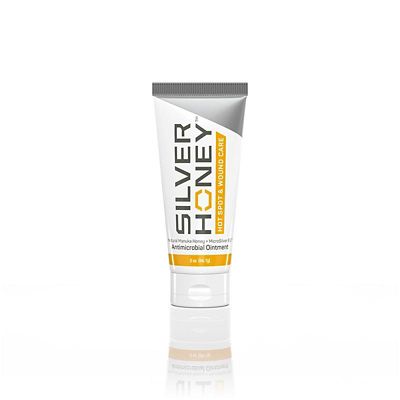
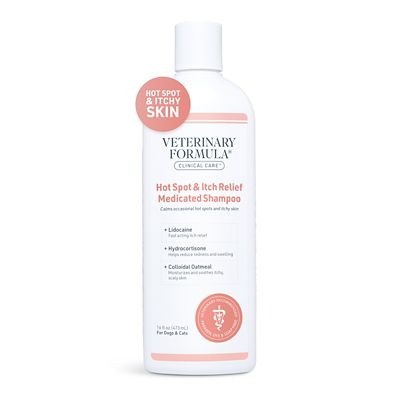
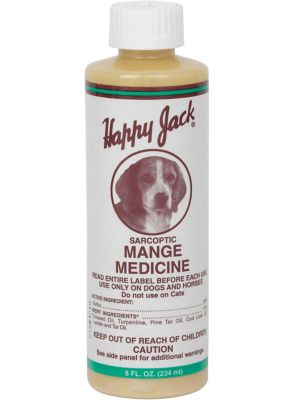
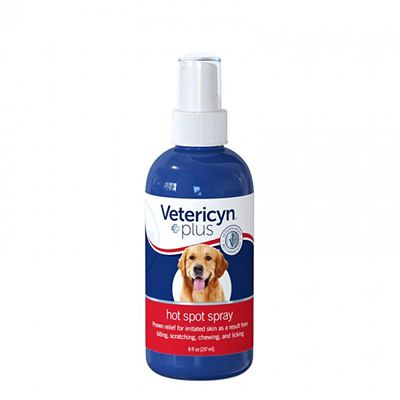
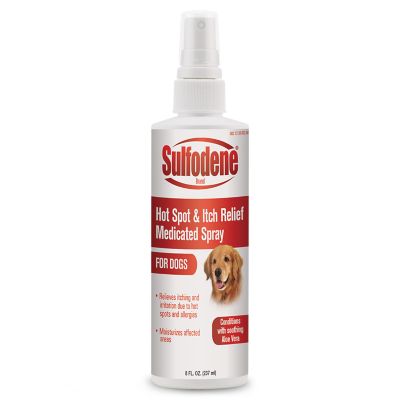
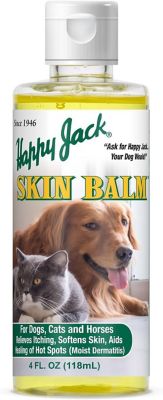
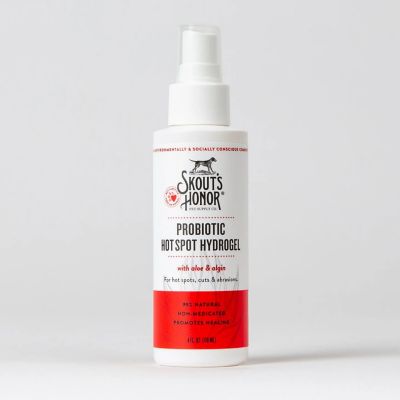
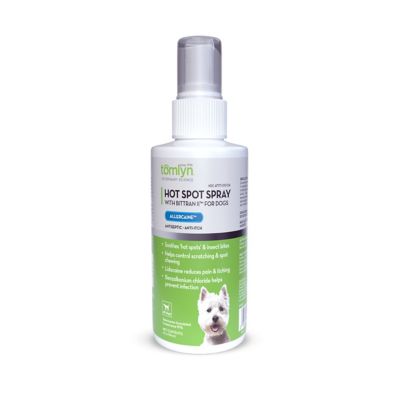
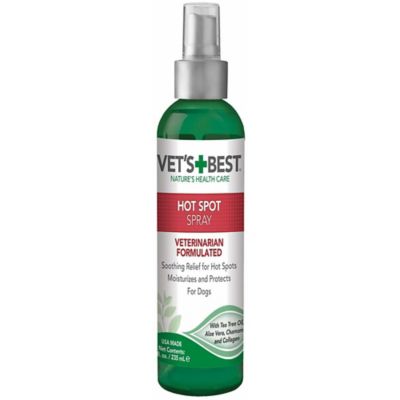
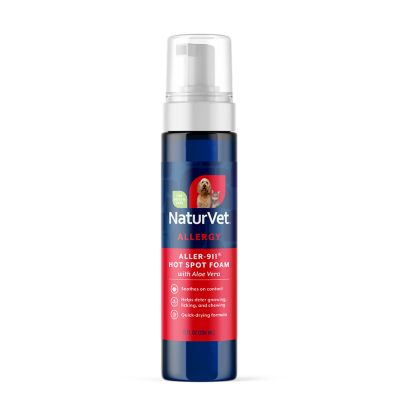
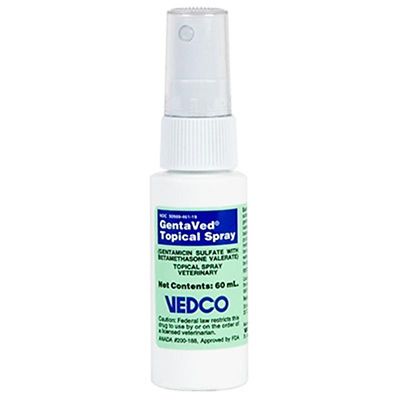
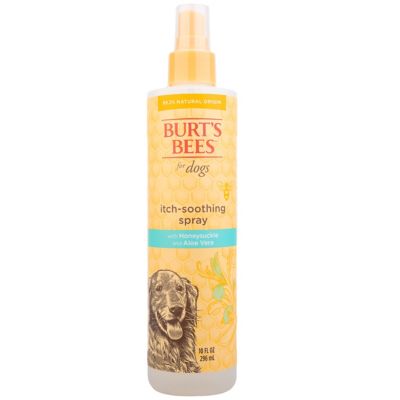
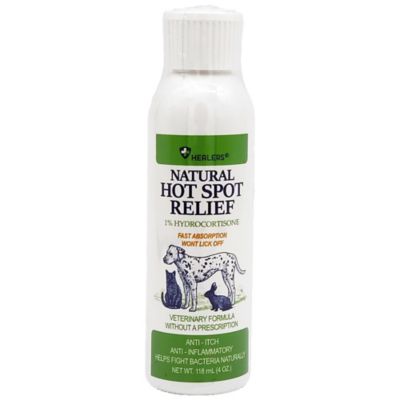
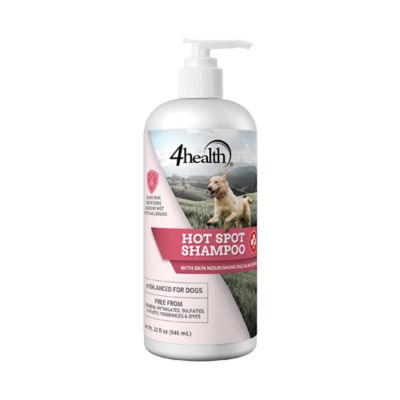
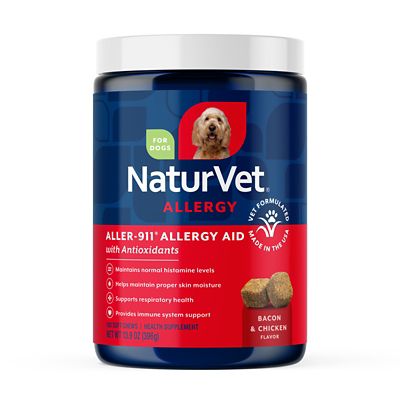
Dog hot spot remedies include topical cleansers, itch-relief formulas, and protective collars that support care for irritated skin and help limit licking or scratching. A hot spot, also called acute moist dermatitis, is a localized patch of inflamed, moist skin that can become red, raw, and painful. Repeated licking, chewing, or scratching can make the area grow quickly, especially when a thick coat hides the trouble underneath. Fleas, allergies, grooming irritation, and moisture trapped against the skin can all contribute, so soothing the surface is only part of the picture. The cause matters, too. Whether a dog rides along for chores, keeps watch by the gate, or spends most of the day stretched out beside the couch, skin discomfort deserves attention before it interrupts eating, resting, or normal activity. When comparing dog hot spot treatments, consider the location of the irritation, the condition of the skin, the dog’s coat, and any guidance from a veterinarian. A spray, wipe, or gel may serve a different purpose, and a formula for general itching is not automatically suitable for an open sore. Over-the-counter remedies do not replace veterinary treatment for an infection or another underlying skin condition. A spreading patch, pus, a strong odor, pronounced swelling, bleeding, or obvious pain calls for prompt veterinary attention. A dog that seems unwell or will not allow anyone near the sore also needs professional care rather than repeated attempts at home treatment. Depending on the cause and severity, a veterinarian may recommend prescription medication along with topical care and a way to prevent further chewing. For shoppers, the goal is to find supplies that match that care plan, not simply something that promises to stop an itch. Clear directions, dog-specific labeling, and appropriate application sites are more useful shopping details than broad claims about soothing every kind of skin problem. Keeping those differences in mind makes it easier to compare remedies by their intended job.
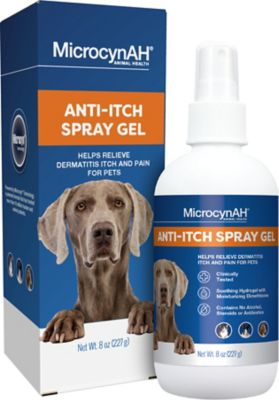
Formulation and application style make a practical difference when choosing hot spot care for dogs. Sprays can reach through parted hair with less rubbing, which may be helpful when touching the surrounding skin bothers a dog. Wipes offer a contained application format, although dragging a wipe over a painful lesion can cause more discomfort. Gels and other leave-on formulas vary in thickness, ingredients, and directions, so texture alone does not tell whether a remedy belongs on moist or broken skin. A heavy coating is not necessarily more helpful; some coverings can hold moisture against an irritated area. Cleansing formulas and itch-relief treatments also do different jobs. An antiseptic cleanser may be intended to help manage surface microbes, while an itch-relief formula may focus on reducing discomfort. Neither description means every formula is appropriate for every sore. When comparing
Anti Itch Sprays for Dogs, check whether the label addresses hot spots, general itching, or both, and whether veterinary approval is recommended before application to damaged skin. Active ingredients, application frequency, age restrictions, and warnings about eyes, ears, and licking deserve a close look. Puppies, pregnant or nursing dogs, and dogs already receiving medication may need additional guidance before a new topical treatment joins their care routine. Fragrance is another consideration, especially for a dog with a history of skin sensitivity. A pleasant smell does not tell how well a formula suits irritated skin, and fragrance-free labeling does not guarantee that every dog will tolerate it. Human skin creams, rubbing alcohol, hydrogen peroxide, and essential-oil mixtures are not interchangeable with dog-labeled remedies and can create irritation or other risks. Packaging matters as well: readable directions, a cap that closes securely, and an applicator that is easy to control help make handling less awkward. For a restless dog with a sore tucked beneath a collar line or behind a hind leg, those everyday details matter more than a fancy-looking bottle. Product selection should follow the label and veterinary guidance rather than a guess based on where the itching happens.
Protective fit is just as important as topical care because a dog can undo progress with a few determined minutes of licking. Recovery collars create a physical barrier, but their shape and reach need to suit both the dog and the location of the sore. A rigid plastic cone generally provides a different range of protection than a soft or inflatable collar. A broad-headed dog, a long-nosed dog, and a dog trying to reach a back foot may need very different fits. Neck measurements, manufacturer sizing directions, secure closures, smooth edges, and enough clearance for comfortable movement all belong in the comparison. A collar that looks comfortable but still lets the dog reach the affected area does not accomplish its main job. Soft fabric covers can be easier against furniture, while washable surfaces make routine cleanup simpler; any collar still needs checks for rubbing and trapped moisture around the neck. Recovery shirts and bandages are not automatic substitutes, since covering a hot spot can trap moisture or create friction unless a veterinarian recommends that approach. Coat care also affects access to the skin. Matted hair can hide the edges of a lesion, and trimming near painful skin is best discussed with a veterinarian rather than tackled with household scissors. Keeping applicators clean, following storage directions, and checking expiration dates help keep care supplies ready for their intended use. In a home with several dogs, separating treatment supplies from grooming tools can make handling more straightforward. A simple care setup is helpful for anyone juggling feeding, walks, and chores, but repeated flare-ups call for a closer look at allergies, parasites, or another trigger. The best match is a combination of appropriate skin-care supplies, protection that actually limits licking, and professional guidance when the sore needs more than surface relief. That keeps the focus where it belongs: helping the dog settle comfortably while the underlying problem receives the attention it needs.