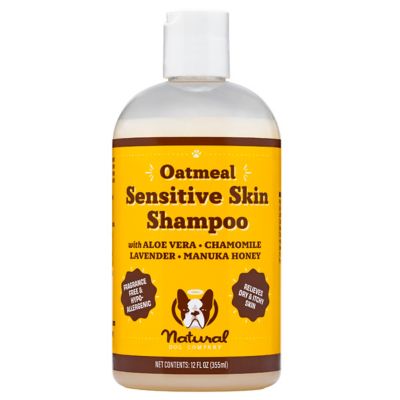
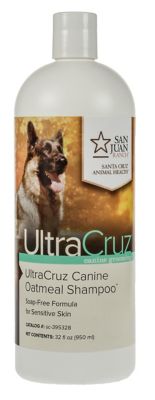
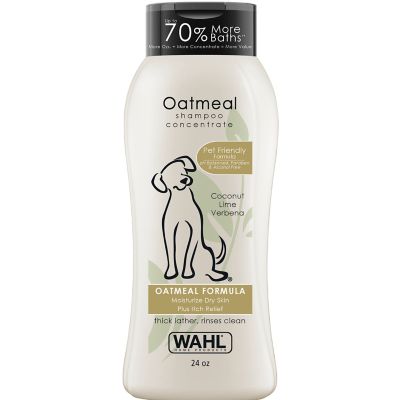
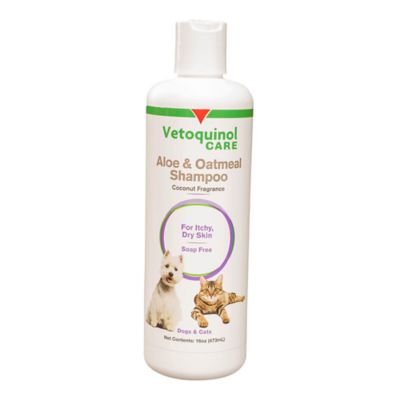
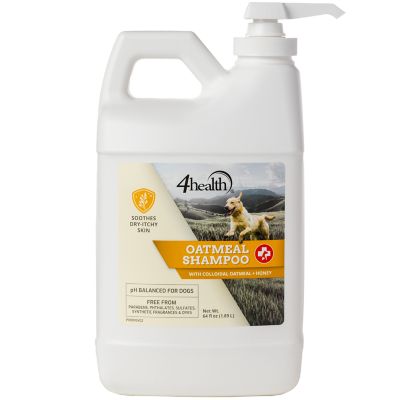
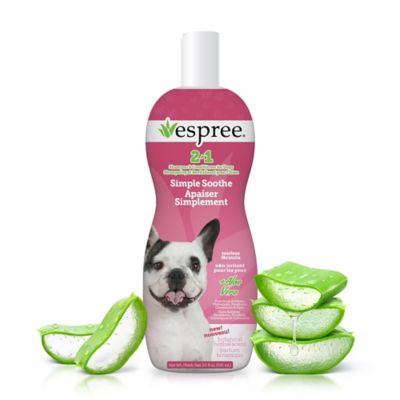
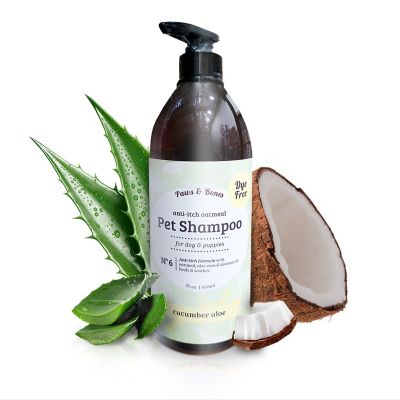
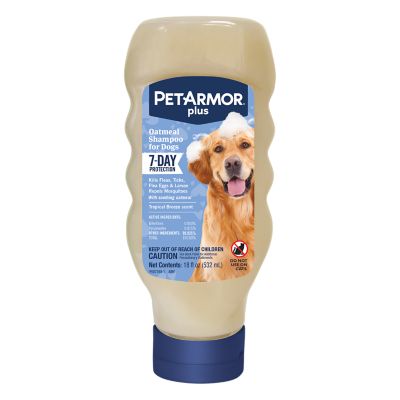
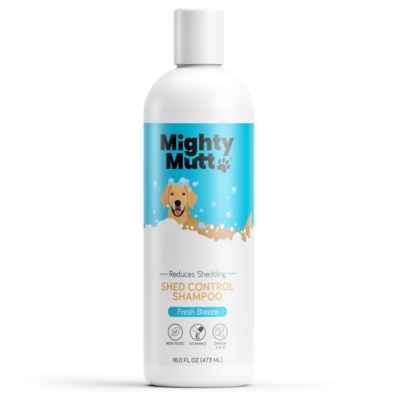
Oatmeal dog shampoo is a cleanser formulated for dogs that combines washing ingredients with oats, often colloidal oatmeal, to help clean the coat and soothe dry, itchy skin. Colloidal oatmeal consists of finely ground oats that disperse in water and can help support the skin’s moisture barrier. That makes oatmeal formulas worth considering for dogs whose skin tends to feel dry or uncomfortable after an ordinary bath. A dog that comes home with dusty shoulders from a walk down the lane needs dirt lifted from the coat without leaving the skin feeling stripped. Oatmeal shampoo can serve that everyday purpose, though the full formula matters just as much as the ingredient named on the bottle. Some formulas pair oatmeal with moisturizing or conditioning ingredients, while others focus on straightforward cleansing. Colloidal oatmeal, oat extracts, and other oat-derived ingredients are not necessarily interchangeable, so the ingredient list gives a clearer picture than the name alone. Oatmeal also does not automatically make a shampoo fragrance-free, tear-free, or suitable for every dog with sensitive skin. Added scents, cleansing agents, preservatives, and conditioners all contribute to how a formula performs and how an individual dog tolerates it. A mild scent may appeal to a household that wants a freshly washed coat without a strong perfume, while a fragrance-free option may be a better consideration for a dog that has reacted to scented grooming products. Even then, fragrance-free does not mean a reaction is impossible. Dogs with a known oat allergy need a different approach, and a formula described as gentle still needs to match the animal on the other end of the leash. The goal is a clean coat and comfortable skin, whether bath day follows a muddy romp around the yard or simply fits into an established grooming routine. Oatmeal shampoo belongs in that routine as a grooming product, not as a cure for every source of scratching.
The right oatmeal dog shampoo also depends on coat type, age, and the kind of mess that needs washing away. A short-coated dog may be easy to wet and rinse, while a thick double coat takes more attention to get water and cleanser down through the hair. Long coats, feathered legs, and full tails can benefit from conditioning ingredients that help the hair feel smoother and make brushing more manageable. Shampoo alone will not work out tight mats, though, and tangles generally need attention before the coat gets wet. For a dog that carries grass clippings, loose hair, and a little barn dust into the house, an oatmeal formula can be part of a routine that includes regular brushing between baths. A shampoo-and-conditioner formula may simplify wash day, while separate cleansing and conditioning products allow those steps to be matched more closely to the coat. Neither approach suits every dog, and a softer feel should not come at the expense of a thorough rinse. Concentration matters, too. Ready-to-apply formulas and concentrates have different directions, and adding extra shampoo does not necessarily make a dirty dog cleaner. Following the stated dilution and application directions helps keep the wash manageable and limits unnecessary residue. Puppy suitability deserves its own check because a product intended for adult dogs may have a minimum age on the label. The same goes for special directions involving pregnant or nursing dogs. A household with several dogs may find that each coat calls for a different formula or bathing schedule rather than one bottle serving every need. Bottle size, dispensing style, and an easy-to-close cap are practical details when one hand is steadying a wiggly dog. A manageable container can make more sense than a larger one that is awkward to lift beside the tub. For a broader look at how oatmeal formulas fit alongside other coat-care options,
Best Dog Shampoo offers another starting point for comparing dog shampoos.
Good results depend on more than what goes into the bottle. An oatmeal dog shampoo needs to reach the coat evenly, stay on only as directed, and rinse away completely. Thick hair around the chest, under the legs, and behind the ears can hold onto suds, leaving residue where it is easy to miss. Eyes, ear canals, and the inside of the mouth need protection from shampoo, even when a label describes the formula as gentle. A nonslip bathing surface and towels within reach make the job easier for a dog that would rather be back sniffing the fence line. Drying matters as well, especially in dense coats and skin folds where moisture can linger. Bathing frequency varies with skin condition, activity, coat type, and veterinary advice; more frequent washing is not always the answer to an itchy coat. Brushing away loose dirt between baths can help keep a dog tidy without another full wash, and bedding needs attention when it contributes to lingering smells. Strong odor that returns quickly, repeated scratching, greasy patches, hair loss, sores, or redness can point to something beyond ordinary dirt or dryness. Fleas, allergies, and skin infections need the right assessment, and a nonmedicated oatmeal shampoo does not replace treatment for those problems. Dogs receiving prescription skin care or topical flea and tick prevention may also have specific bathing restrictions, so both labels and veterinary directions matter. Human shampoo and household cleaning products are not substitutes for a cleanser labeled for dogs. After bath time, keeping the shampoo tightly closed and stored according to its label helps protect the formula from spills and contamination. Attention to the expiration date and any changes in smell or appearance belongs in routine grooming-supply care, too. For the dog that rides along in the pickup, keeps company around the place, or claims a favorite spot on the couch, a well-matched oatmeal shampoo can make ordinary coat care a little easier without turning every bath into a complicated project.