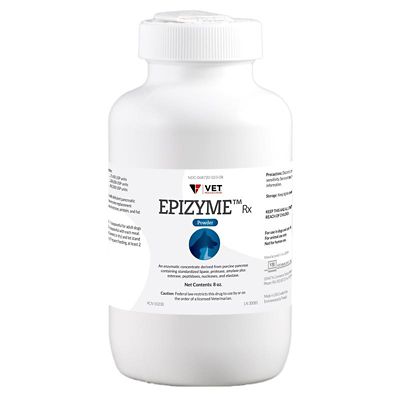
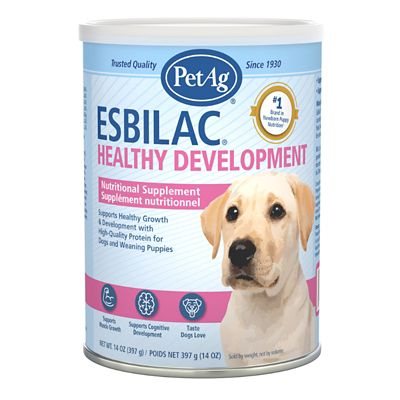
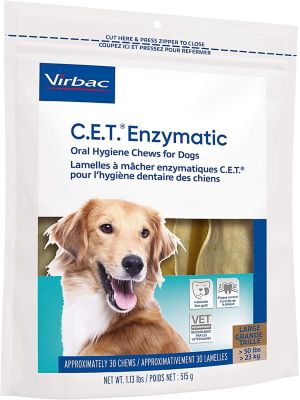
Dog digestive enzymes help break food into smaller components so a dog’s body can absorb nutrients. Protease breaks down proteins, lipase breaks down fats, and amylase breaks down starches. Dogs normally make digestive enzymes themselves, with the pancreas supplying several important types. Supplemental enzymes add to that process, but their value depends on the dog’s health and the reason for adding them. A healthy dog eating a complete and balanced diet does not automatically need an enzyme supplement. For a dog with a diagnosed enzyme deficiency, though, veterinarian-directed pancreatic enzyme replacement can be an important part of ongoing care. That distinction matters when comparing everyday digestive supplements with formulas intended for a medical condition. Gas, loose stools, weight loss, and changes in appetite can have many causes, so an enzyme supplement is not a substitute for finding out what is behind those signs. Persistent trouble deserves a call to the veterinarian rather than another scoop in the food bowl. For the dog that rides along during chores or stretches out beneath the kitchen table, the right fit starts with individual needs, not how active or hungry that dog happens to be. Age, body weight, diet, health history, and medications all help determine whether digestive support makes sense. Senior dogs do not necessarily need supplemental enzymes simply because they are getting older, and a bigger appetite does not establish an enzyme shortage. Dogs losing weight despite eating well need particular attention, since that pattern can point to a condition requiring testing. Digestive enzymes may help when insufficient enzyme production is the problem, but they do not treat every cause of gas or diarrhea. The most useful starting point is a clear purpose: supporting a veterinarian’s care plan or considering a supplement after discussing a dog’s digestive needs. That keeps the focus on the dog rather than broad promises on a package.
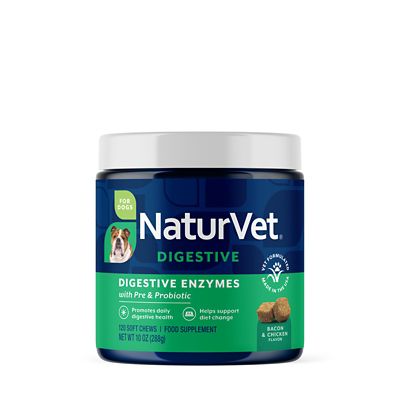
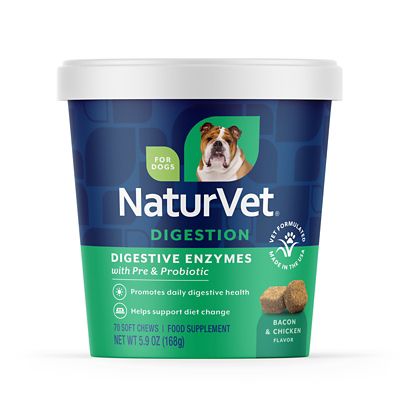
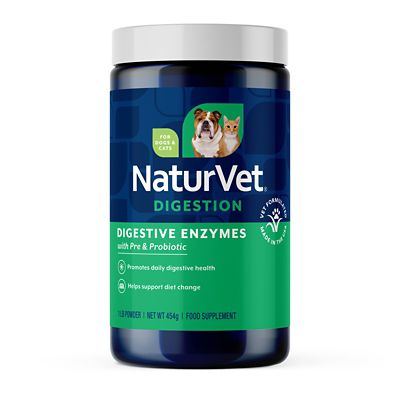
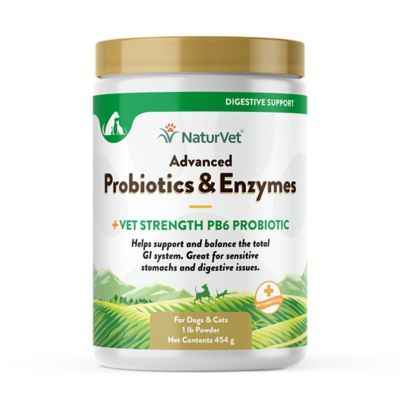
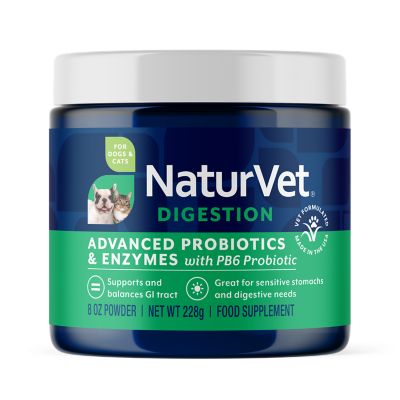
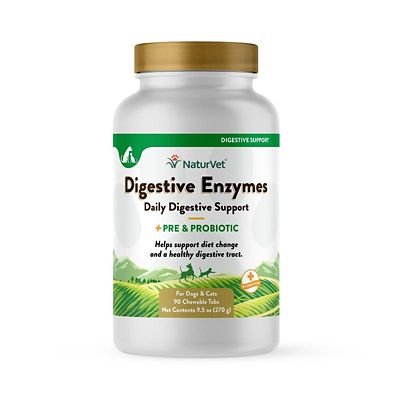
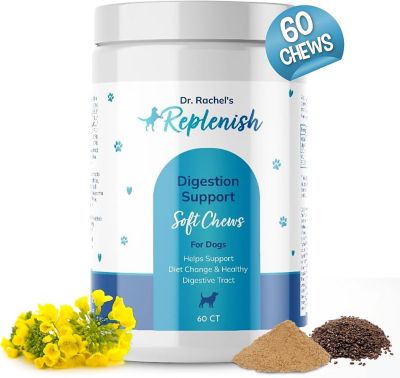
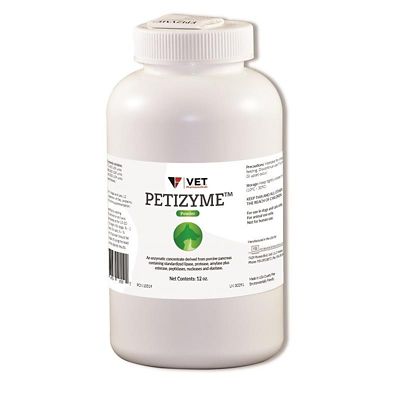
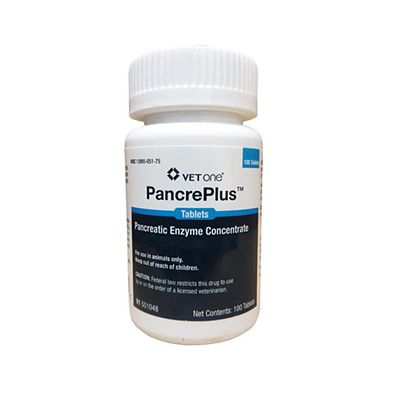
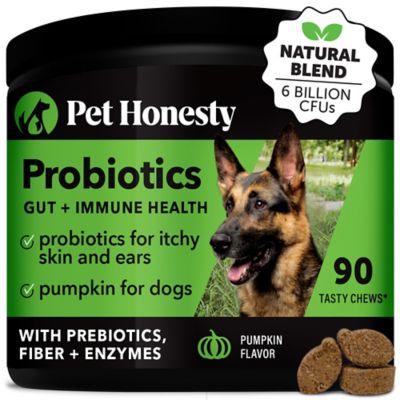
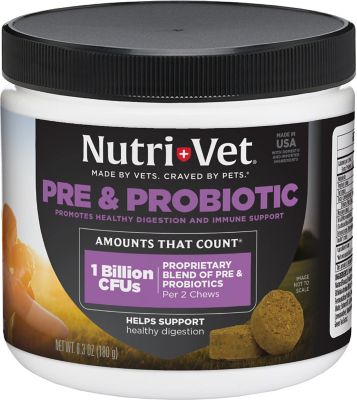
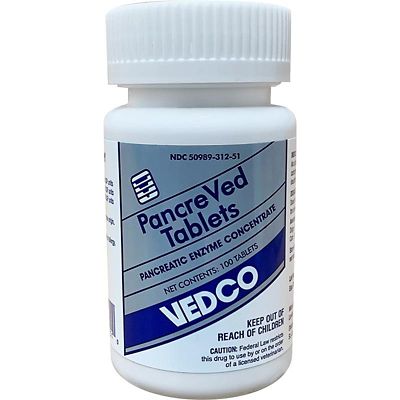
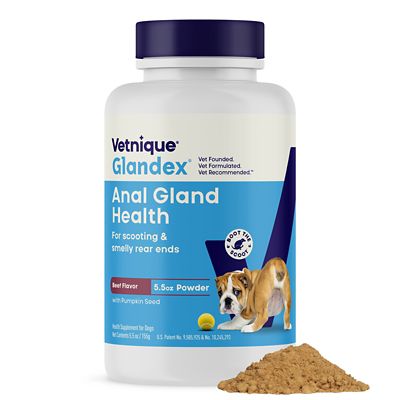
Dog digestive enzyme supplements come in forms such as powders, chewable tablets, soft chews, and capsules, each with practical differences at feeding time. A powder can suit a dog that eats meals from a bowl and accepts a small addition to its regular food. A chew may fit a routine where a measured serving is easier to offer separately, although taste preferences and chewing habits still matter. Capsules require attention to the label, since opening them or mixing their contents into food is not appropriate for every formula. Serving amounts can vary by concentration, body weight, and intended purpose, so a scoop from one container should never set the serving for another. Enzyme activity units describe how much work an enzyme can perform under specified conditions; a larger number of milligrams alone does not establish greater activity. Comparisons make the most sense when the enzyme type, activity units, and serving size are all considered together. Ingredient sources also differ. Some formulas contain animal-derived enzymes, while others contain enzymes from microbial or plant sources. A dog with known food sensitivities may need closer attention to both those sources and the flavorings, proteins, or other ingredients that accompany them. Chews can contribute calories, which count toward a dog’s daily intake along with treats and meals. Some digestive supplements combine enzymes with probiotics, prebiotic fibers, or other ingredients, but those components have different jobs. Unlike enzymes that break down food,
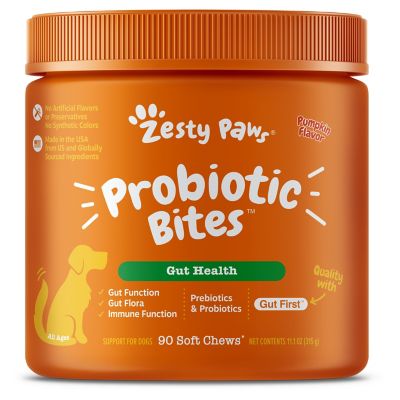
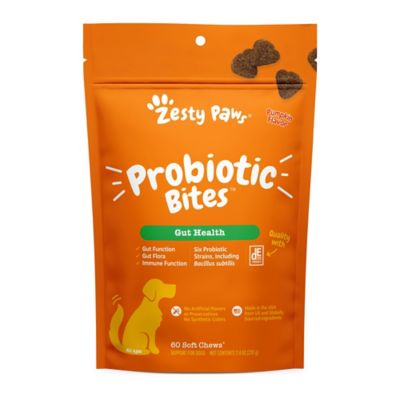
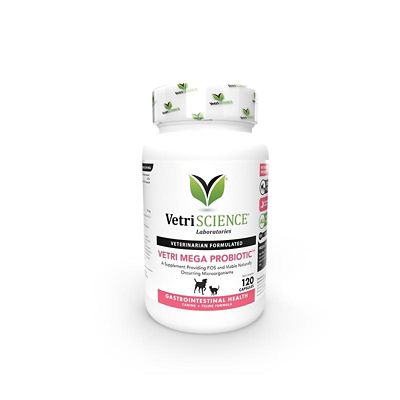
Probiotic Powders for Dogs supply beneficial microorganisms intended to support the gut’s microbial balance. Prebiotic fibers provide nourishment for certain intestinal microbes. A combination formula is not automatically a better match than a simpler one, especially when the goal is to identify what a sensitive dog tolerates. Clear labeling helps separate enzyme activity from other digestive-support features, making it easier to compare formulas with a veterinarian and avoid adding overlapping ingredients without a reason.
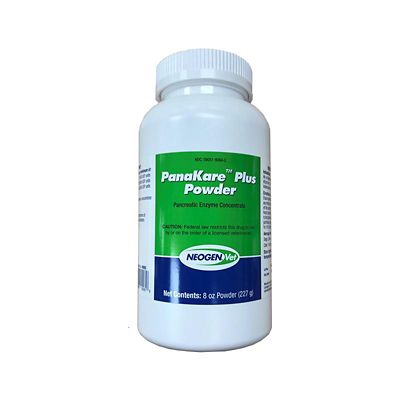
Daily handling matters as much as choosing a form that fits the feeding routine. Enzymes are sensitive to storage conditions, and label directions help protect their activity throughout the container’s stated shelf life. A tightly closed container in the recommended storage location is a better setup than an open bag beside a feed bin or a bottle left in a truck. Keep the original label and measuring tool with the supplement, check its expiration date, and store it where children and animals cannot reach it. A curious dog can treat flavored chews like a snack, making secure storage especially important. Powders call for careful measuring and handling that keeps dust away from faces. Concentrated pancreatic enzyme preparations can irritate the mouth or other tissues, so their handling and feeding directions deserve close attention. Mixing instructions are formula-specific; hot food, added liquid, or letting a mixture sit before feeding should not become part of the routine unless the label or veterinarian calls for it. In homes with more than one dog, separate bowls make it easier to keep each serving with the intended animal. A simple record of servings, appetite, stool changes, and body weight can also give the veterinarian useful information without turning mealtime into a guessing game. Any improvement should be assessed alongside the dog’s overall condition, not just a single better-looking stool. New vomiting, reduced appetite, or worsening digestive trouble warrants veterinary advice, while a swollen abdomen with repeated unsuccessful attempts to vomit calls for emergency care. Human digestive supplements are not interchangeable with dog formulas, and adding extra enzymes does not necessarily provide extra benefit. A complete diet, access to fresh water, sensible food transitions, and an appropriate veterinary plan remain the foundation. When digestive enzymes belong in that plan, a suitable formula, consistent measuring, and straightforward care help make them a manageable part of everyday feeding.