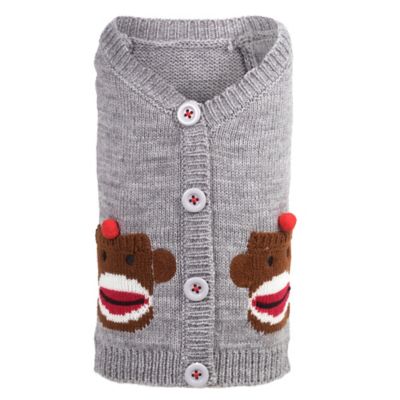
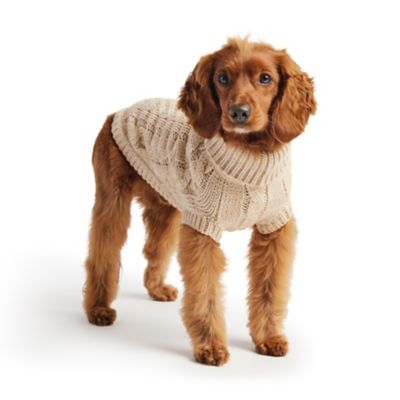
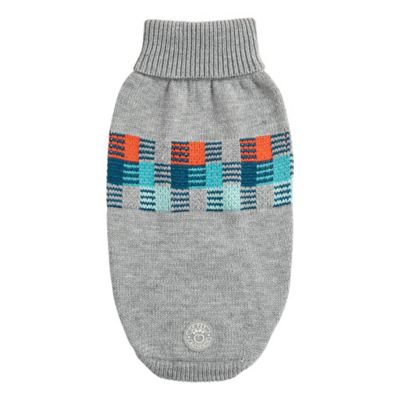
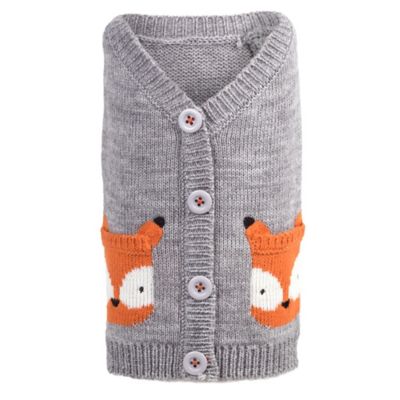
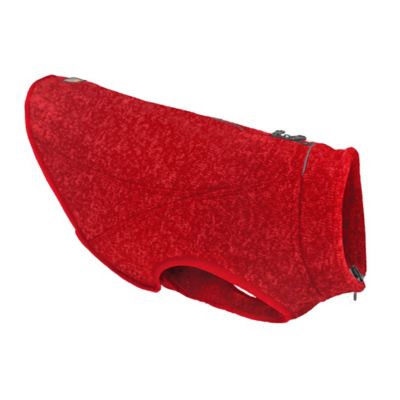
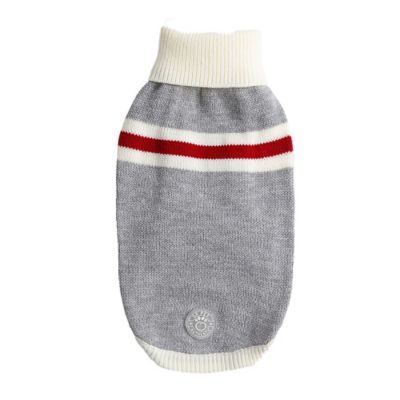
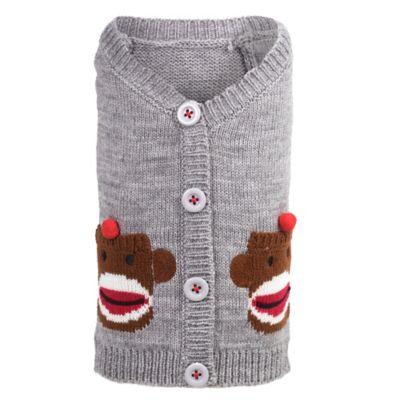
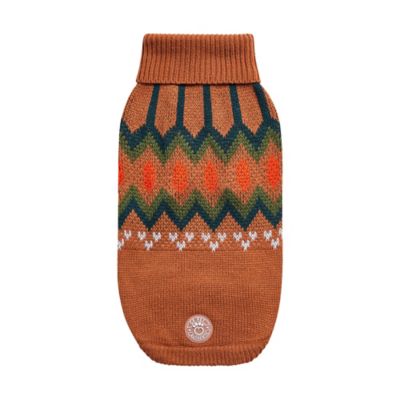
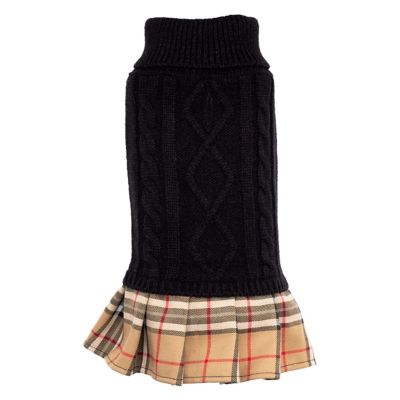
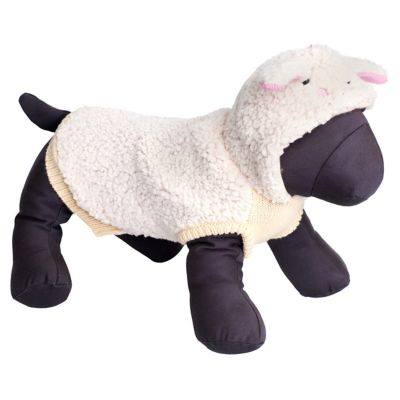
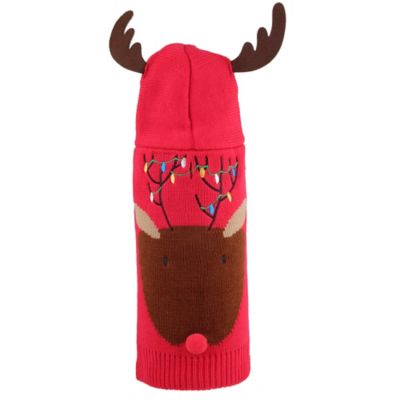
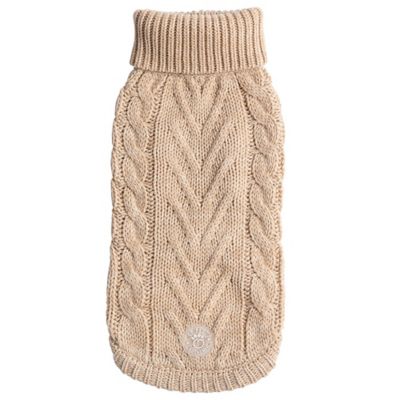
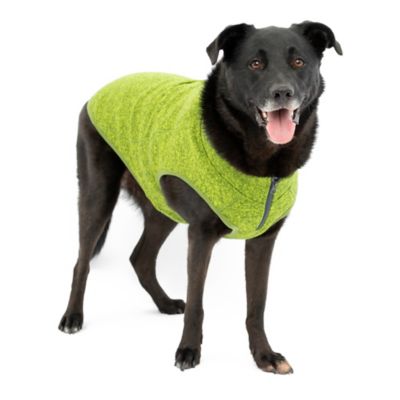
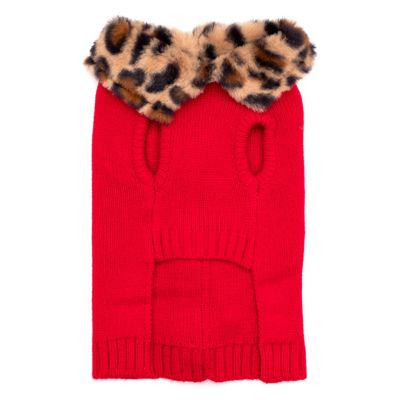
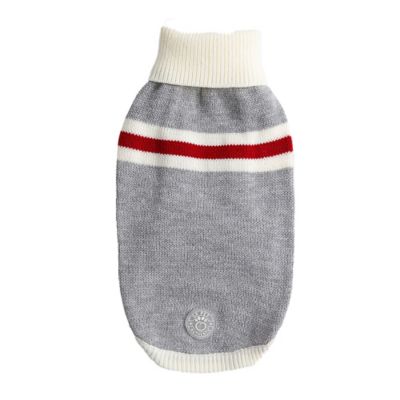
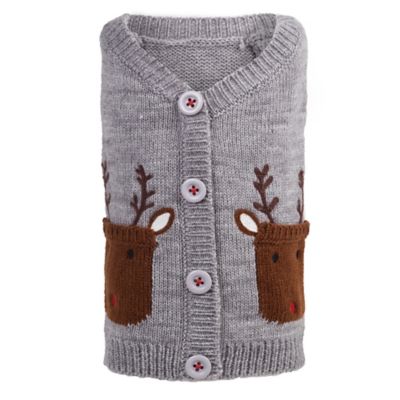
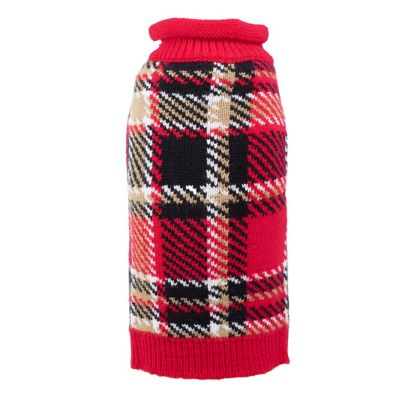
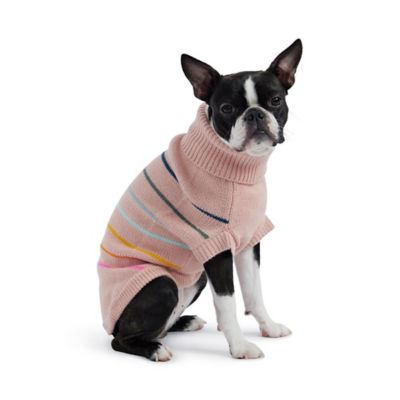
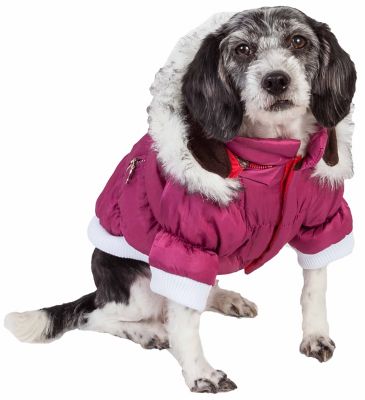
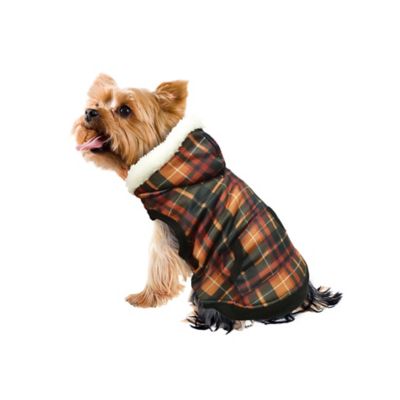
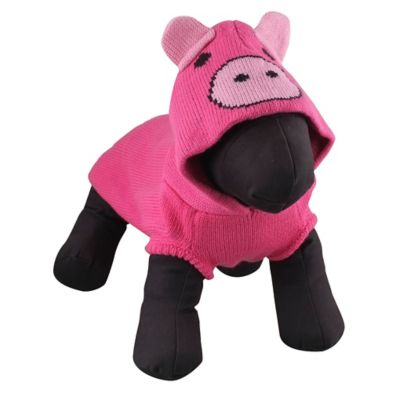
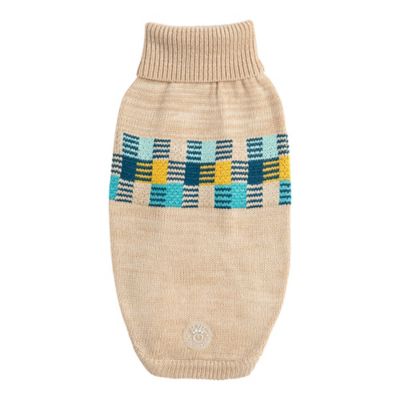
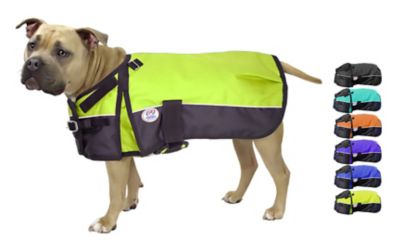
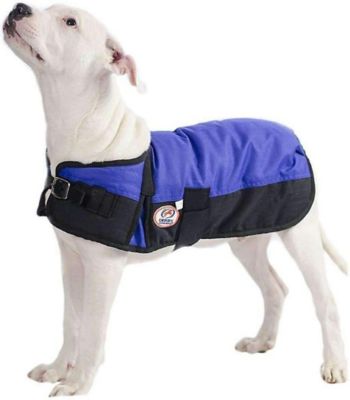
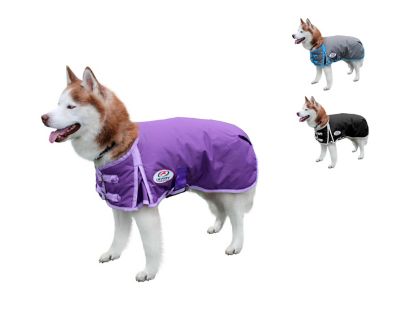
Dog sweaters for extra large dogs bring a little extra warmth to big companions that feel a chill despite their size. A tall, short-coated dog waiting by the back door, a senior stretching out on a drafty floor, or a lean dog heading down the lane may appreciate a soft layer over the chest and back. A thick coat of fur and a big frame do not always go together, so the right sweater depends as much on coat type, activity level, and comfort as it does on size. Knit dog sweaters range from lightweight layers with plenty of give to thicker styles that feel cozy on a quiet porch visit or a brisk walk around the property. Acrylic yarn can provide a soft feel with straightforward care, while polyester blends may help a garment hold its shape through regular wear. Cotton blends can suit lighter layering, though cotton holds moisture and takes longer to dry once wet. Wool blends can offer warmth, but the feel against the skin and the care instructions deserve attention, especially for dogs with sensitive skin or sparse fur. A smooth inner surface can be more comfortable around the chest, belly, and front legs than a coarse knit or bulky interior seam. Close-knit fabric generally leaves fewer openings for toenails to catch, while an open stitch creates a lighter feel that may be better suited to indoor wear than a windy walk. Cable patterns, ribbed panels, and simple colors bring different looks without changing the main job: helping a big dog stay comfortable. For a dog that spends the morning snoozing beside a desk and the afternoon tagging along for a short round of chores, an easy-moving sweater can fit naturally into the day. It should feel like a comfortable layer, not a heavy outfit that gets in the way of being a dog. Warmth needs vary, and a dog with a dense natural coat may need little or no extra insulation.
Fit makes a noticeable difference on extra large dogs, whose shapes can vary considerably even at similar weights. A broad-chested mastiff and a long-legged Great Dane may need very different proportions, so an extra large label alone does not tell the whole story. Chest circumference, neck opening, and back length give a clearer picture of how a sweater will sit, and the garment’s sizing chart matters more than a familiar size name. The chest should have room for a full breath and an easy stride without loose folds hanging beneath the body. Around the neck, a soft ribbed opening can sit comfortably without pressing against the throat, while the back should lie flat rather than bunching near the shoulders or stretching tight across the hips. Stretch helps with movement, but a sweater that has to stay pulled taut is not a good fit. Leg openings deserve just as much attention, particularly on dogs with heavy shoulders or a wide stance. Fabric that rubs behind the front legs can turn a pleasant walk into an uncomfortable one, and long sleeves may interfere with dogs that take a high step. Sleeveless shapes can leave more room through the legs, while short sleeves add coverage when their cut matches the dog’s build. Belly coverage also needs to allow clean bathroom breaks, especially for male dogs. For a senior with stiff joints, a generous opening or an accessible fastening may make dressing less of a production than a close-fitting pullover. Any buttons, straps, or other closures should sit away from pressure points and stay out of easy chewing reach. A sweater also needs to work with the dog’s everyday walking gear. A harness should still fit as intended over the garment, and a leash opening should line up without pulling the knit out of place. Comfortable movement looks ordinary: walking freely, lowering the head to sniff, sitting without strain, and settling onto a bed without wrestling the fabric into position.
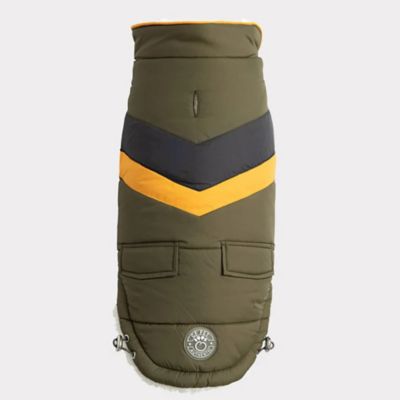
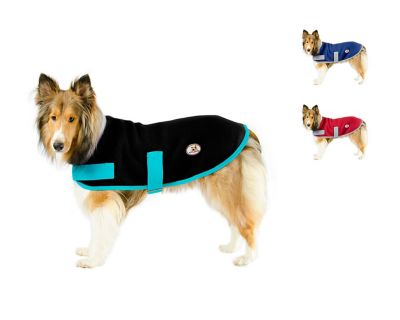
Everyday wear brings its own demands, from muddy pawprints across the belly to loose hair worked into the knit. Firm seams, tidy stitching around leg openings, and ribbing that springs back help a sweater stand up to repeated dressing and washing. Smooth fabrics and close stitches can make sense for a dog that brushes past porch furniture, though no sweater is a good match for pushing through briars, roaming near loose wire, or rough play where teeth and nails can catch. Care requirements vary by fiber and construction, so the label is the best reference for water temperature, wash cycle, and drying method. Some sweaters can go through a gentle machine cycle, while others need hand washing and flat drying. Fastening closures before washing can help prevent tangles, and reshaping a damp knit on a flat surface can help keep the body and neck from stretching out. A sweater should be fully dry before it goes back on the dog, with seams checked for damage and loose threads kept out of chewing reach. For households with more than one big dog, separate garments sized to each dog’s build make more sense than passing along a sweater that pinches one chest and sags on another. A well-fitting sweater can also make a thoughtful gift for someone who shares life with a large companion, provided the dog’s measurements and the owner’s care preferences are known. Sweaters are best suited to dry conditions unless their labeling says otherwise; ordinary knit fabric is not a rain barrier. For outings that call for a different outer layer,
dog coats for extra large dogs offer another category to consider, with coverage and weather protection depending on the design. Whatever the outing, clothing does not take the place of suitable shelter or a warm place to rest. Attention to panting, damp fabric, rubbing, or chewing helps keep an extra layer a comfort rather than a bother.