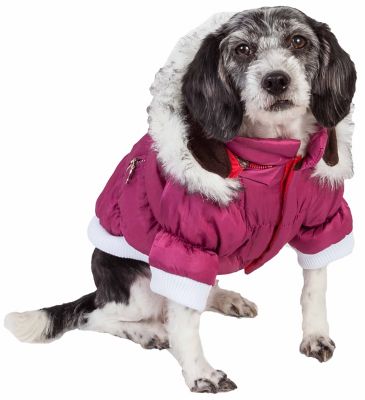
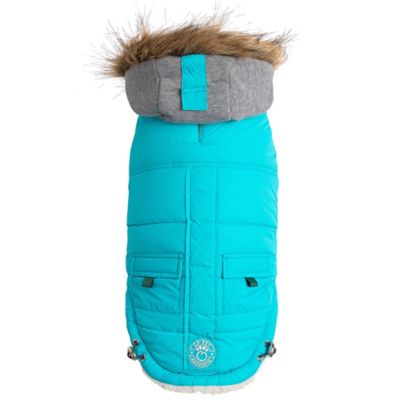
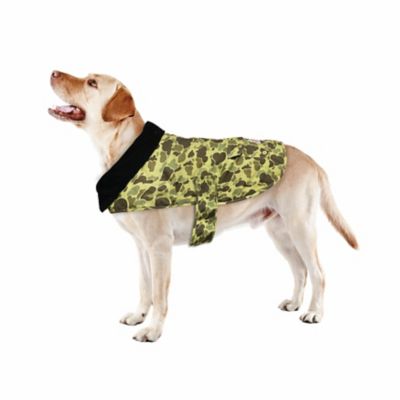
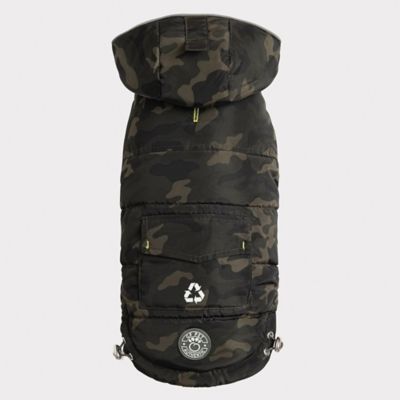
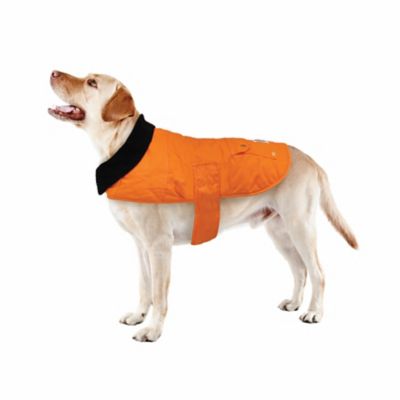
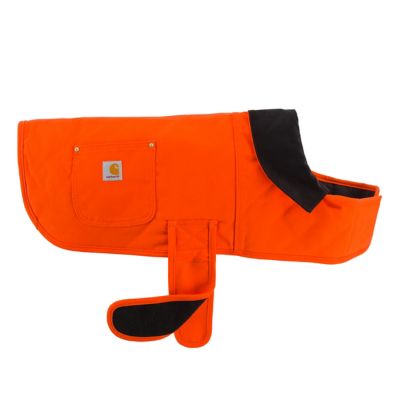
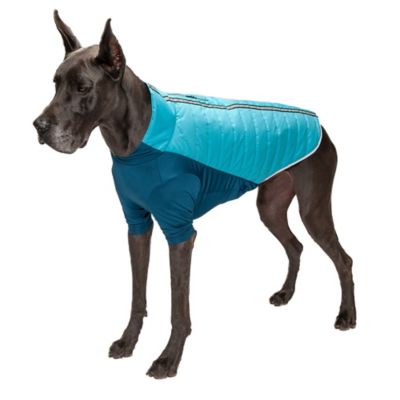
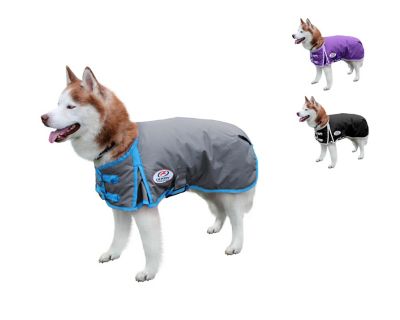
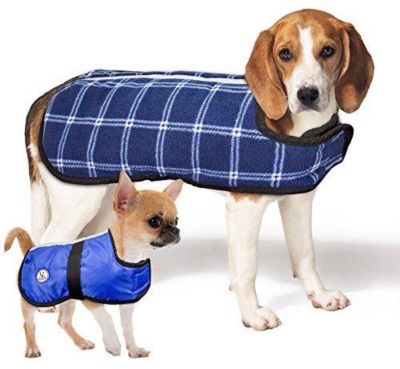
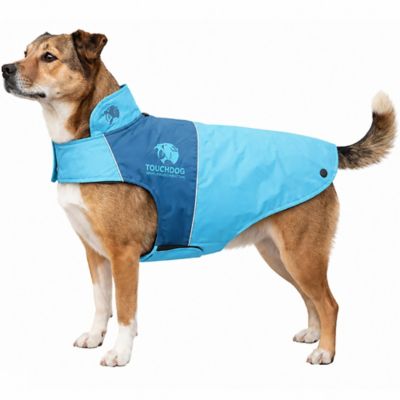
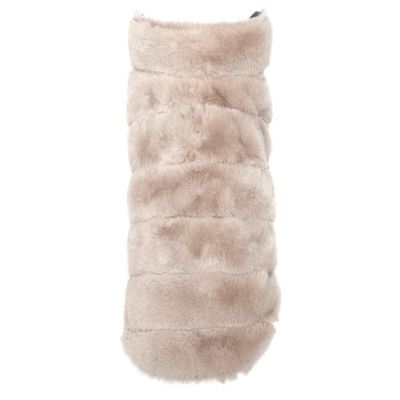
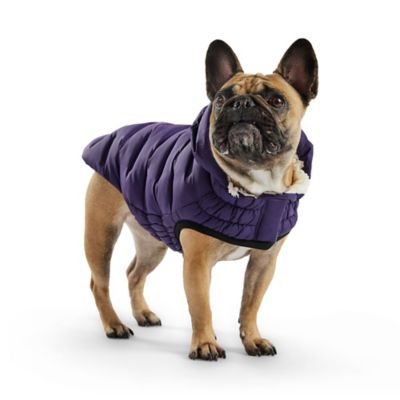
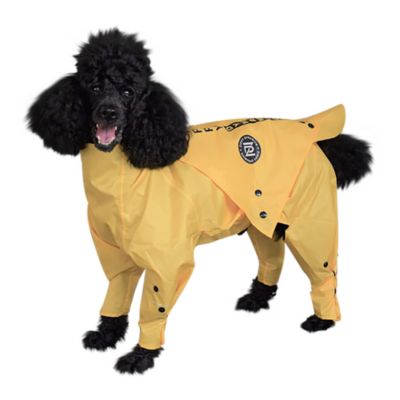
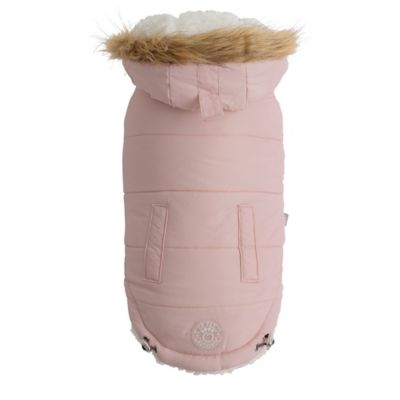
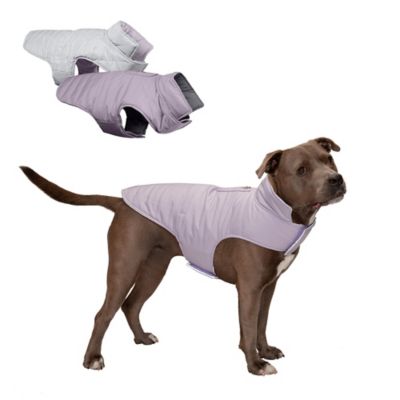
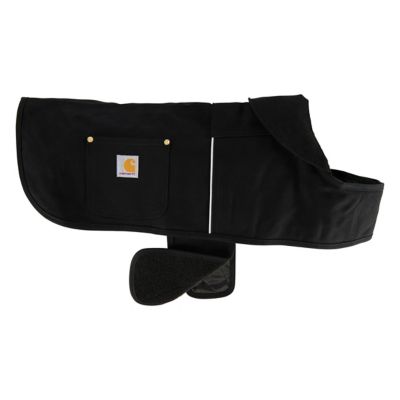
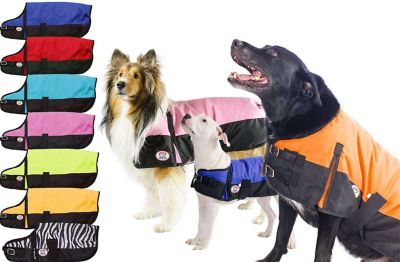
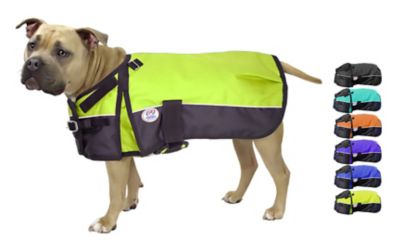
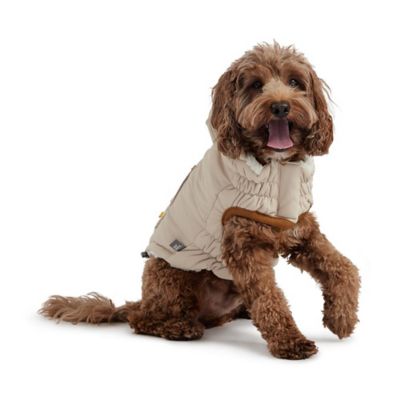
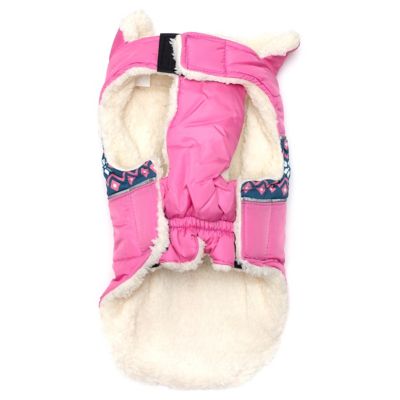
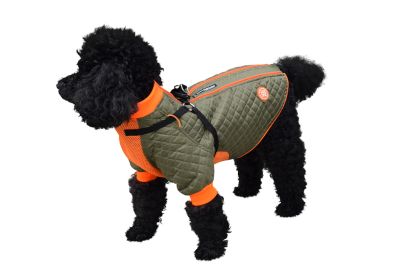
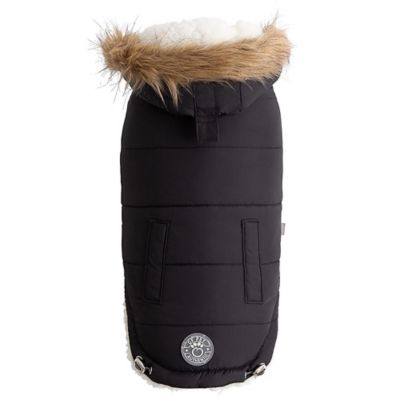
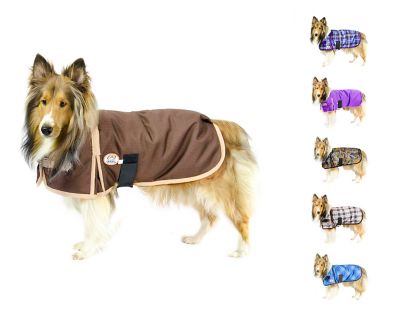
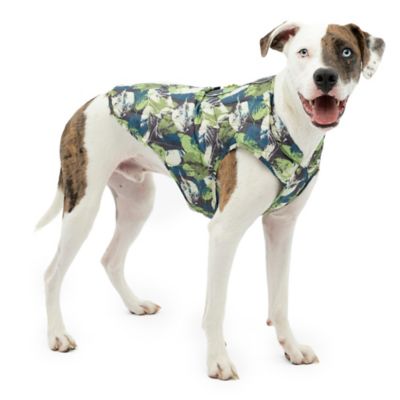
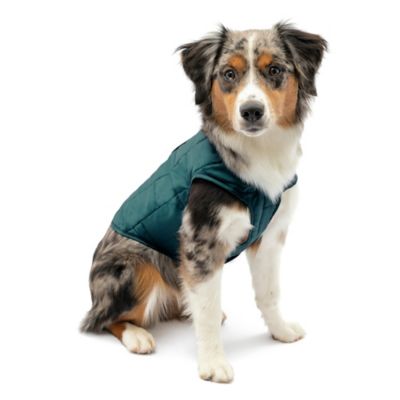
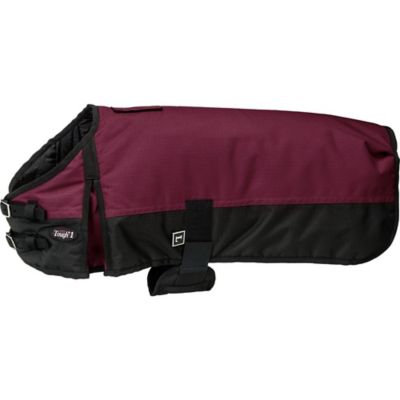
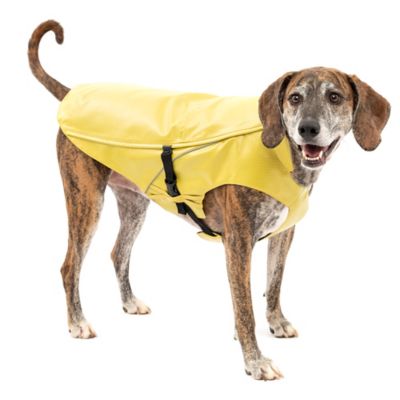
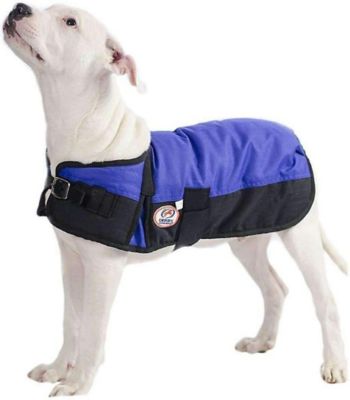
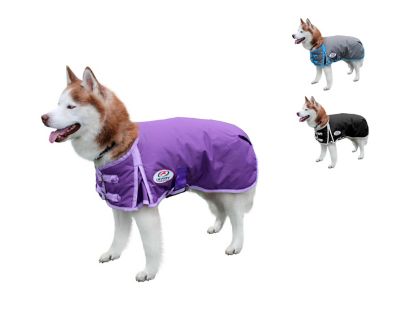
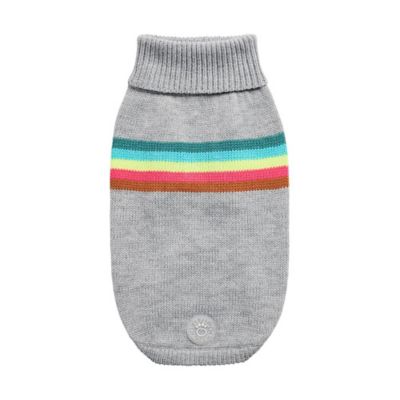
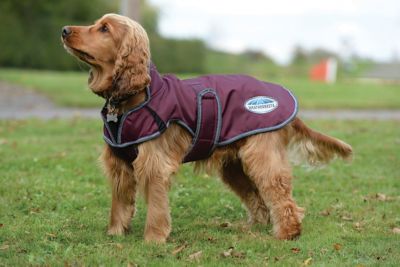
Dog coats for extra large dogs come in light rain shells, fleece-lined coats and insulated parkas, with different cuts for big dogs that carry their size in different ways. A deep-chested Great Dane may need more room behind the front legs, while a broad Mastiff may need more room through the neck and shoulders. Even two dogs that weigh about the same can need different sizes. An XL or 3XL label tells only part of the story, since those sizes can vary from one coat to the next. The most helpful numbers are the dog’s chest girth at the widest point behind the front legs, neck girth where the coat will sit and back length from the base of the neck to the base of the tail. A soft tape laid against the dog without pulling tight gives a better picture of fit than weight alone, especially on a thick-coated dog. An adjustable chest or belly strap can make room for a broad rib cage, but it won’t make up for a coat that’s too short across the back or tight at the shoulders. A coat that fits well stays centered when the dog lowers its head to sniff, reaches forward on a trot or hops into the truck. The front edge shouldn’t press into the throat, and the openings around the legs should leave room for a full stride. A longer back panel covers more of the rump, but it should still let the tail move freely. Belly panels add coverage where slush and mud splash up from below, as long as the underside leaves enough clearance for bathroom breaks. For a dog that wears a harness, a leash opening that lines up with the harness ring lets the leash clip on without pulling the coat to one side. Wraparound cuts can be easier to put on a big dog that would rather not step through sleeves or lift a paw.
The difference between a raincoat and a winter parka comes down to what the dog needs most: a layer to shed water, a layer to hold in warmth or a coat that does some of both. A lightweight nylon or polyester shell can make sense for a wet walk down the gravel lane when a thick lining would be more than the dog needs. Water-resistant fabric can shed a passing shower, while a waterproof shell with sealed seams is better suited to steady rain. A shell that blocks wind can help on an open stretch of road, but an unlined shell won’t offer the same warmth as an insulated coat. Fleece linings add warmth without much weight and can be a good match for walks in dry cold. For wet snow, an insulated parka with a weather-shedding outer layer helps keep moisture away from the lining. How much warmth a dog needs has as much to do with coat type, age and activity as it does with size. A short-haired dog standing beside the gate while chores get done may benefit from more insulation than a thick-coated dog trotting along the same fence line. An older dog that takes its time on a walk may also need more warmth than a younger dog that keeps moving. For a closer look at lined and insulated styles,
Dog Coats for Large Dogs Winter focuses on coverage for cold outings. In low light, reflective trim can help a dog stand out when a flashlight or headlights sweep across the lane. For dogs that brush against tall grass or squeeze past a gatepost, low-profile closures and straps that tuck out of the way can be more practical than loose ends that catch as the dog passes.
On an extra large dog, the spots that show wear first are often the edges around the chest and belly, the points where straps join the coat and the places that rub against a harness. Reinforced stitching at strap anchors and bound edges around leg openings can help a coat hold up to regular walks, trips to the barn and rides in the truck. A smooth lining may pick up less loose fur than a fuzzy one, while easy-to-reach buckles can be handy when a dog is eager to get out the door. Hook-and-loop closures offer room for small fit adjustments, though burrs and fur can collect in the fastener and keep it from closing all the way. Care matters just as much on a plain shell as it does on a lined coat. Once mud has dried, a quick brush can clear away the grit before washing. Closing the fasteners and following the care label helps protect the stitching and any water-repellent finish. Some coats can go in the washer, while others call for spot cleaning or a gentle wash and air-drying. Hanging a damp coat open lets the lining dry instead of leaving it folded over a leash hook with moisture trapped inside. Between outings, it’s worth a look at the belly edge and strap anchors, especially if the dog spends time lying on rough ground or pushing through brush. A coat can be a practical gift for someone who walks a giant-breed dog every day, takes a big dog along on chores or has recently brought home a short-haired rescue. The dog’s measurements matter more than the breed name when picking out a gift, and the recipient’s routine matters just as much. A packable shell is handy for someone who keeps a leash and towel in the truck, while an insulated coat with good chest coverage may make more sense for slow walks on an exposed road. The best fit for either routine is a coat that covers the dog where it counts without getting in the way of sniffing, striding or settling down for the ride home.