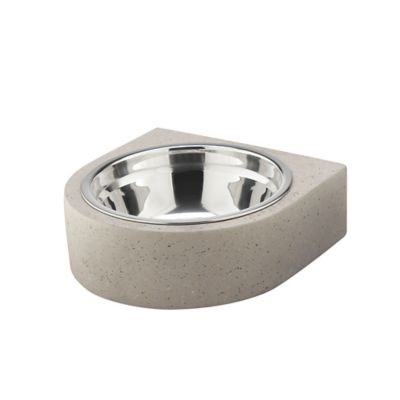
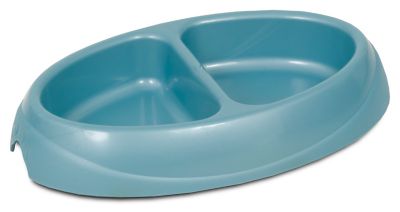
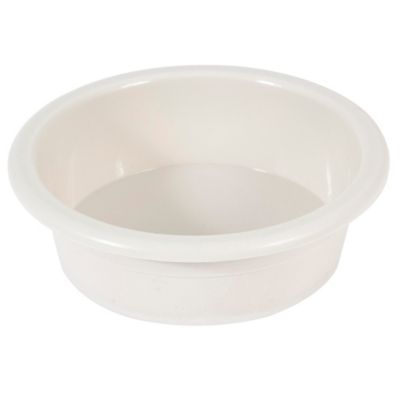
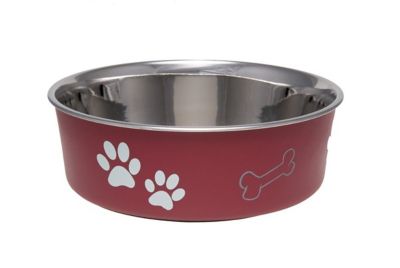
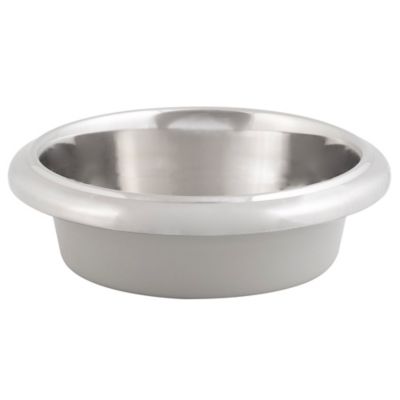
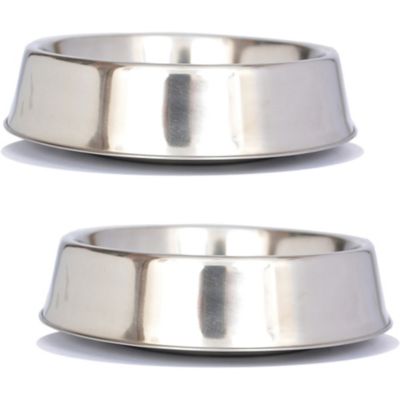
Dog bowls for Shih Tzu are generally easiest to eat from when they have a wide opening, a shallow feeding area, and a steady base. This small breed’s short muzzle and full facial hair make bowl shape especially important: a dog should be able to reach supper without pressing its nose against a tall rim or burying its face in the dish. A broad, open bowl gives that little face room to move, while a gently curved interior keeps kibble from getting trapped in sharp corners. Depth matters just as much as diameter. A bowl can hold a small serving yet still be too deep for comfortable access, so capacity alone does not tell the whole story. The better fit leaves food within easy reach, including the last few bites along the bottom. Some Shih Tzu do well with a slightly slanted food bowl that gathers the meal toward the front, though the angle needs to suit the dog rather than tip food over the edge. A low front lip can also make reaching the meal easier without requiring a raised stand. For a puppy, a compact, shallow dish leaves less rim to reach over; for an adult, a wider feeding surface may provide more room without adding unnecessary depth. Watching how a dog eats offers useful clues about fit. Repeatedly backing away, nudging food onto the floor, or struggling to reach the edges can point to a shape that needs a second look. Facial hair may still brush the food even with a well-fitting dish, but an open design can leave more room around the muzzle. Whether the feeding spot sits beside the kitchen cabinets or in a quiet corner off the mudroom, enough space around the bowl lets a Shih Tzu stand squarely instead of squeezing between furniture and a wall. That simple arrangement matters more than choosing a bowl by appearance alone.
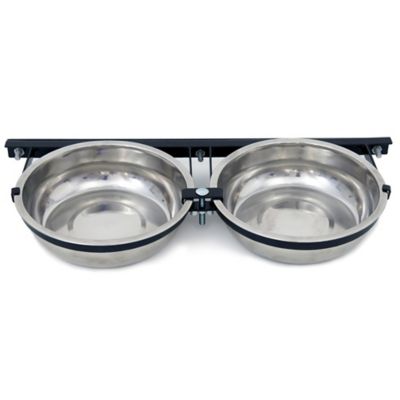
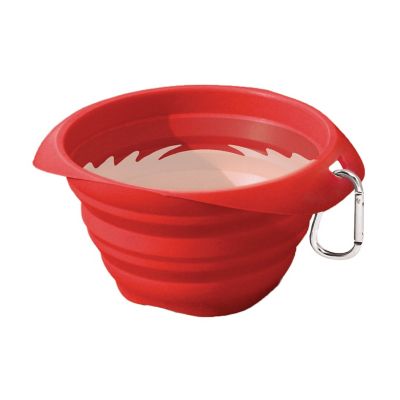
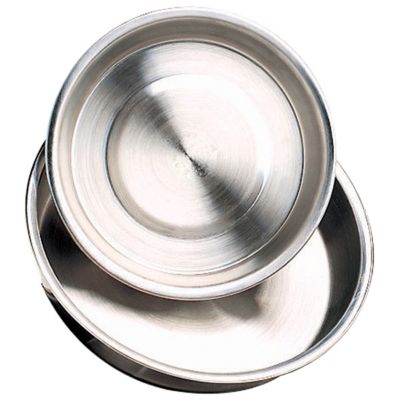
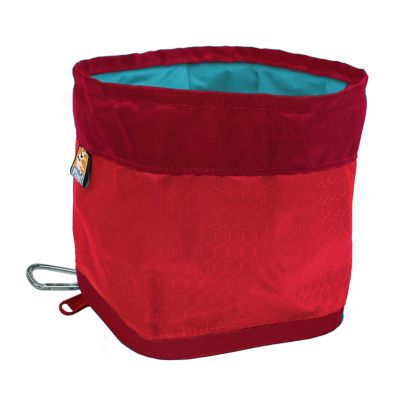
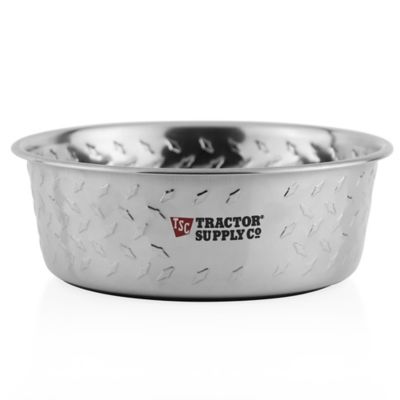
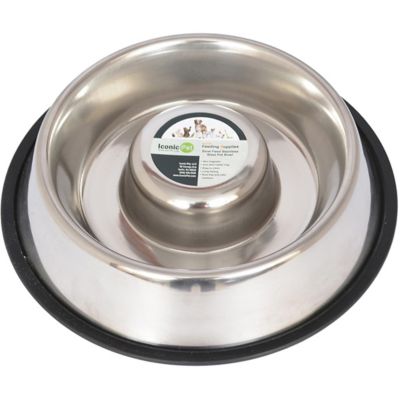
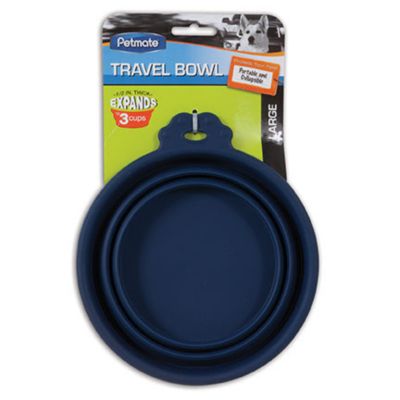
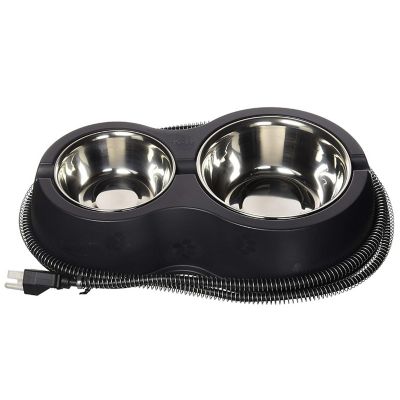
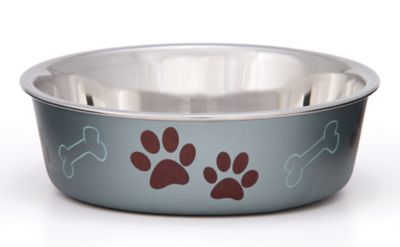
Materials help determine a dog bowl’s weight, cleaning routine, and ability to stand up to everyday bumps. Stainless steel is a practical choice for daily meals because its nonporous surface is easy to wash and does not have a glaze that can chip. A lightweight steel dish may scoot across a hard floor, however, so a nonslip ring or a well-fitting holder can make a noticeable difference when an eager eater noses into breakfast. Ceramic brings more weight to the feeding spot and can stay put without a separate stand, but it needs careful handling around tile floors and sinks. Ceramic pet bowls should be intended for food contact, with an intact, lead-free glaze; chips, cracks, or rough spots are reasons to replace the dish. Plastic is light and convenient to carry, though chewing and repeated washing can leave scratches that become harder to clean. A plastic bowl that develops deep grooves or damaged edges belongs out of the feeding routine. Flexible silicone bowls can work well for travel or visits away from home, provided they sit steadily when opened and are washed and dried before folding. Across materials, a smooth rim and accessible interior make both eating and cleanup simpler. Wet food can cling beneath an overhanging edge, and leftover kibble dust can collect where an insert meets its holder. Removable bowls make those spots easier to reach, while removable rubber rings need cleaning underneath as well. Food bowls should be washed after each meal, and water bowls need daily washing and fresh water. Dishwasher cleaning is an option only when the care directions allow it, including any limits for bases, finishes, or removable parts. A spare bowl keeps the feeding spot ready while another dish is being washed. Around a busy household, a low-profile base also helps keep the setup out of the walkway, and a washable mat can catch drips without leaving the dog standing on a slick patch of floor.
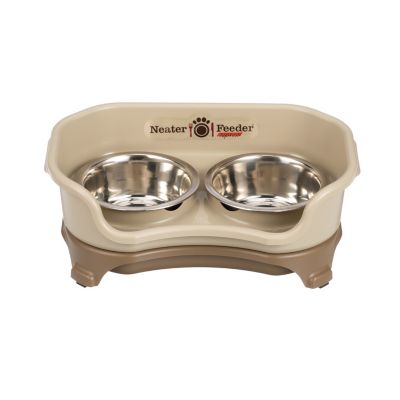
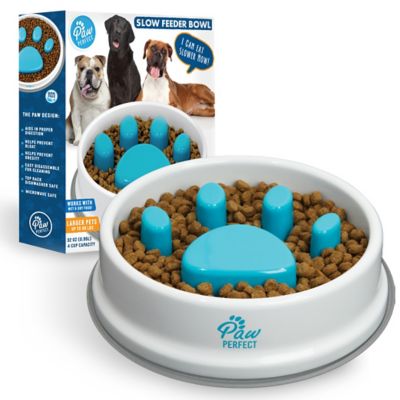
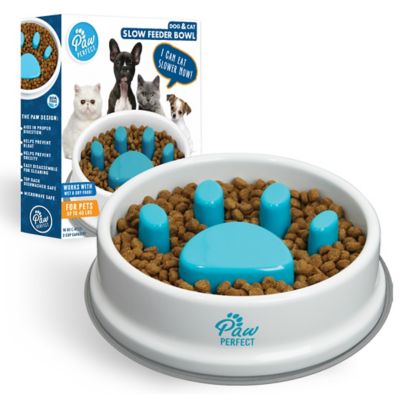
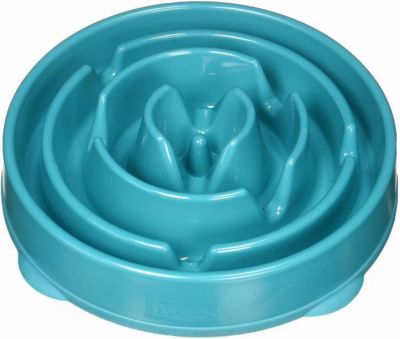
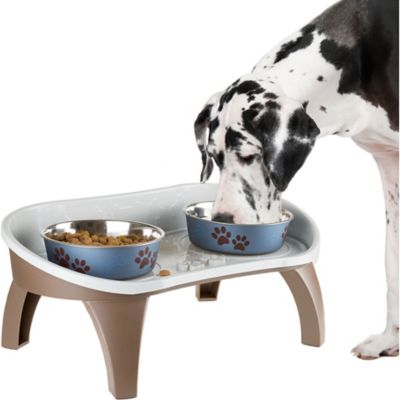
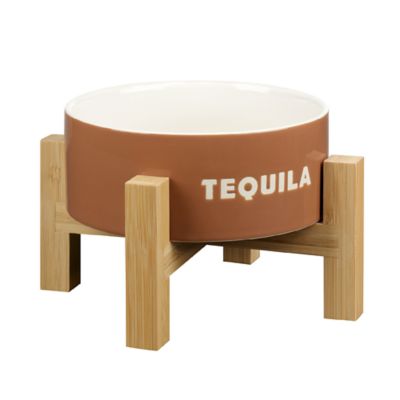
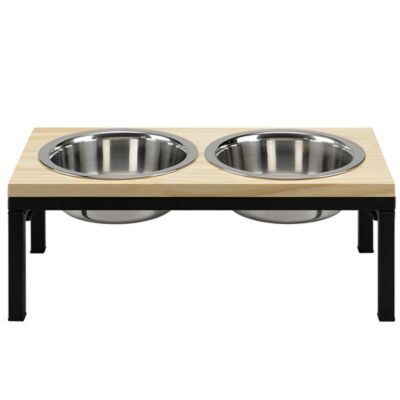
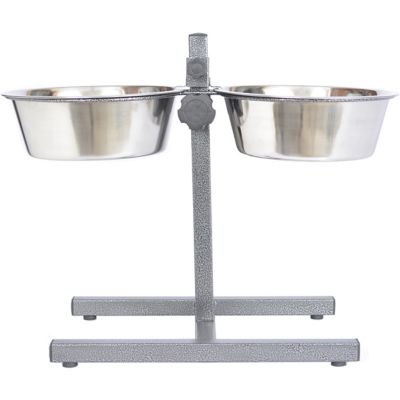
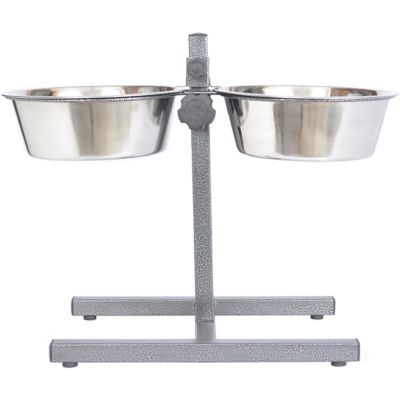
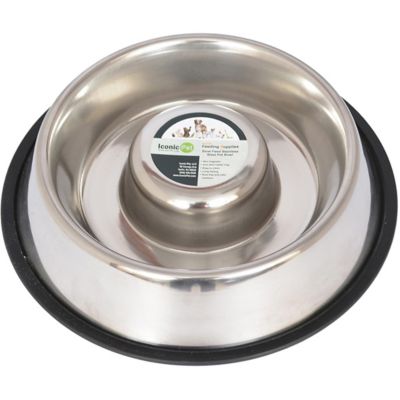
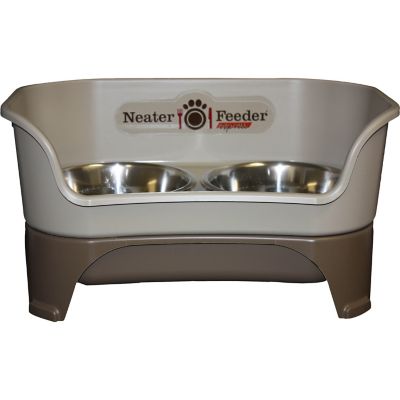
Food and water bowls serve different jobs, so a matching pair is not always the best fit for a Shih Tzu. A shallow food dish may suit a measured meal, while the water bowl needs enough capacity to keep water accessible between refills without placing the drinking surface far below a high rim. Longer facial hair can carry droplets away from the bowl, making an easy-to-wipe feeding area handy. A splash-limiting design may reduce some mess, but any insert should still allow the dog to drink freely and come apart for thorough cleaning. Slanted food bowls also have different usable capacities from level dishes, and their shape may be less practical for water. For dogs that rush through meals, slow-feeding bowls add ridges or channels that separate bites. With a short-muzzled breed, those spaces need to be broad and shallow enough to reach comfortably; tall obstacles and narrow grooves can turn dinner into a struggle. A simple open dish may be a better match for a dog that already eats at an easy pace. Raised bowls deserve the same attention to individual fit. A modest lift may suit some dogs, but elevation is not a requirement for every Shih Tzu and should not force the head upward or make the dog stretch. For a pet with neck discomfort, mobility changes, or trouble swallowing, a veterinarian can help determine the right feeding position rather than treating a stand as a remedy. The
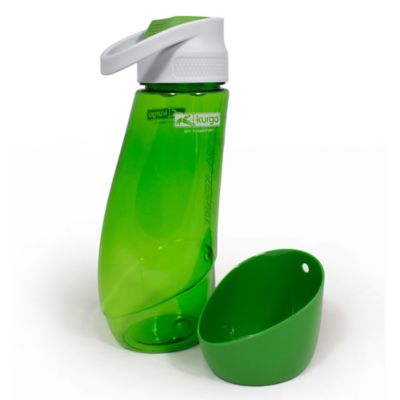
Best Dog Bowls for Senior Dogs page offers another place to explore bowl options with an older companion in mind. In homes with several pets, separate feeding spots give each dog room to finish without another nose crowding the dish. For trips, a familiar bowl can help keep meals consistent away from home. A bowl-and-mat set can also make a thoughtful gift for someone welcoming a Shih Tzu, especially when the size, cleaning needs, and feeding habits are already known. The most useful setup fits the dog’s face, stays steady through a meal, and is straightforward to keep clean day after day.