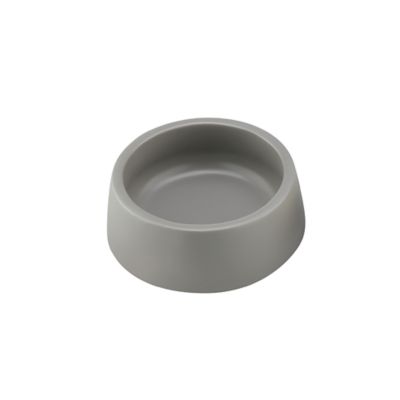
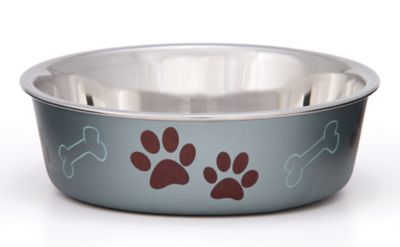
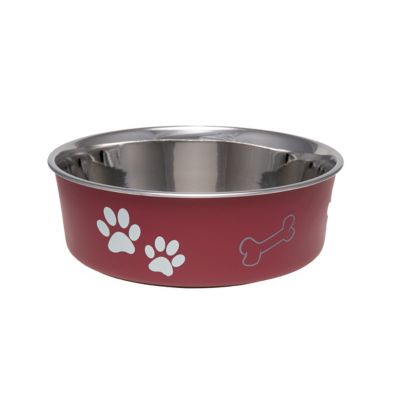
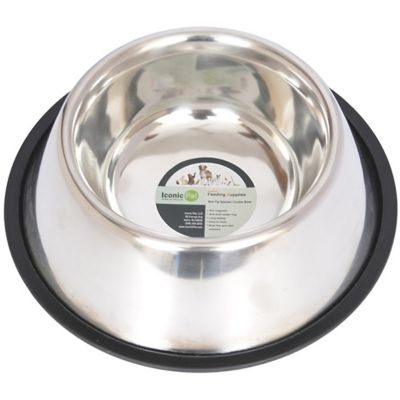
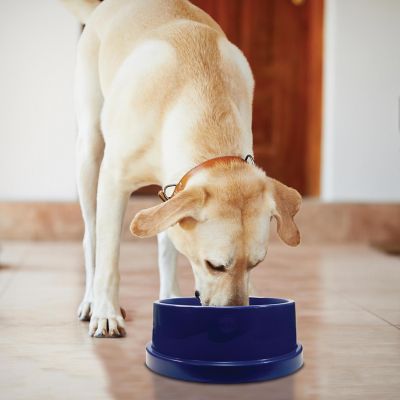
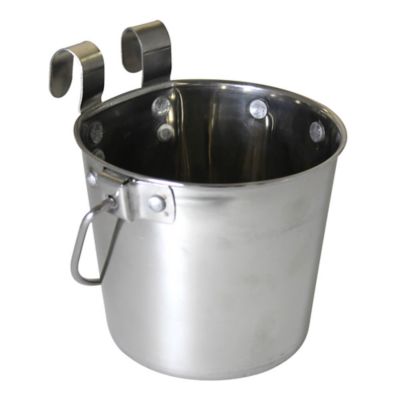
Dog bowls for Basset Hounds work best when their shape gives a broad muzzle room to eat while helping those long ears stay outside the dish. Tapered, spaniel-style bowls have a narrower opening and a wider base, with sloped sides that can help keep ear tips out of food and water. That shape matters for a hound whose ears otherwise trail through supper or soak up a drink before leaving a wet path across the kitchen. The opening still needs to be wide enough for comfortable access; a narrow rim does little good if a dog has to press its face against the sides to reach the last few bites. Bowl depth, opening width, and base width all matter more than a breed name on the label. Basset Hounds have short legs, substantial bodies, and plenty of determination at mealtime, so a steady base is worth looking for alongside an ear-friendly profile. A broad footprint or nonslip bottom can help keep a dish from scooting when a hungry hound noses food around the edges. Food and water bowls may also call for different proportions. A food dish should hold the measured meal with room to spare, while a water bowl needs enough capacity for regular drinking without requiring an awkward reach to the bottom. Listed capacity often describes how much a bowl holds near the brim, not the amount that fits comfortably during everyday feeding. For a puppy, easy access and a manageable depth take priority over buying the largest dish for later. For an adult, the right fit leaves room for the muzzle without inviting both ears into the meal. These details make long-eared dog bowls useful for everyday feeding in the kitchen, mudroom, or another quiet spot where a hound can settle in without getting underfoot. An ear-conscious shape can cut down on the mess, though no bowl design guarantees completely dry ears or a spotless floor.
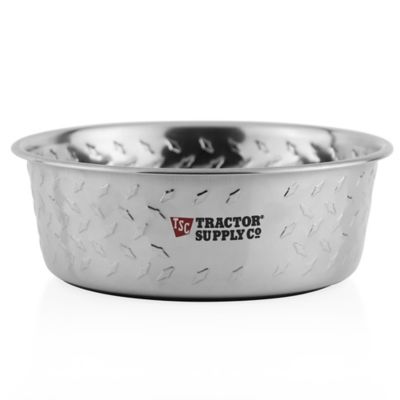
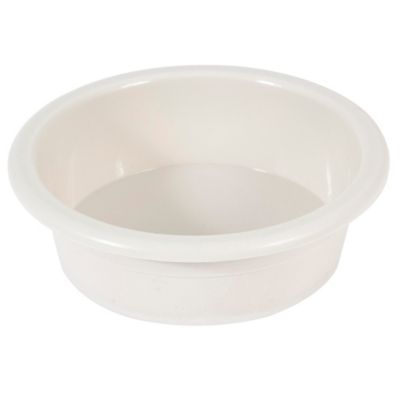
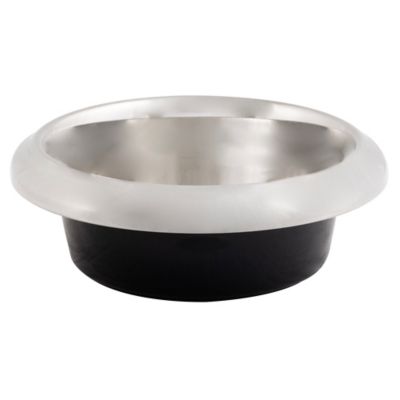
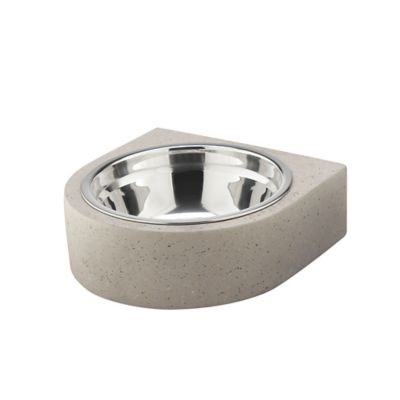
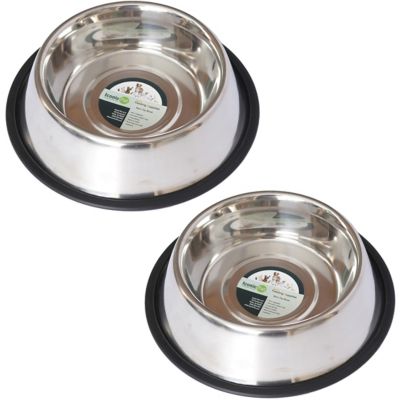
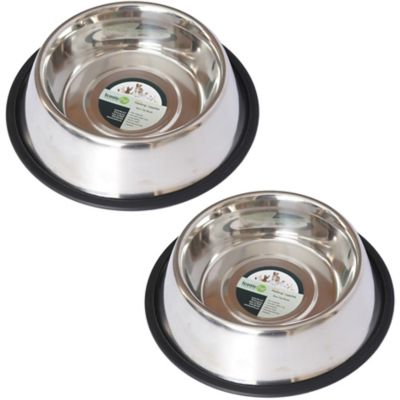
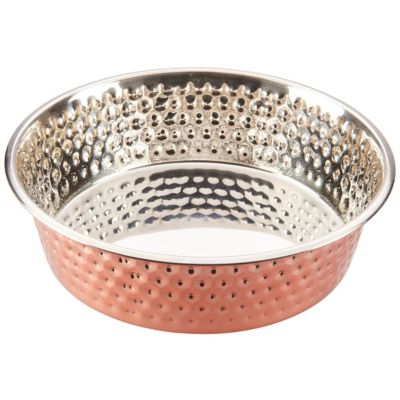
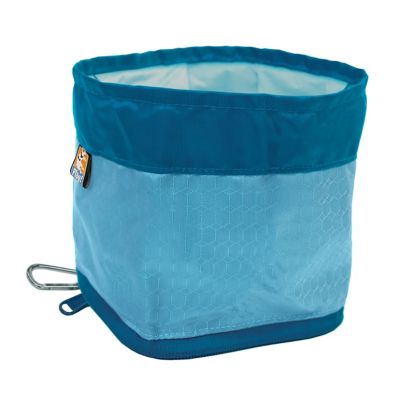
Materials make a noticeable difference in how a bowl handles daily meals, washing, and the occasional shove from a determined nose. Stainless steel dog bowls are a practical choice for frequent cleaning because their nonporous surfaces do not readily hold food residue when properly washed. They are also lighter to carry to the sink than thick ceramic dishes, although a lightweight bowl may need a nonslip ring or a secure holder to stay put. A smooth interior and a rim without hard-to-reach seams make cleanup simpler, especially after wet food. Ceramic and stoneware bowls bring more weight to the feeding spot, which can help resist sliding and tipping. Food-contact-safe finishes and clear care directions matter, and any dish with chips or cracks should come out of the feeding routine because damaged surfaces can harbor residue or leave sharp edges. Weight alone does not guarantee stability: a tall, narrow dish can still tip if its base is too small. Plastic bowls are easy to lift and carry, but chewing marks and deep scratches can make them harder to clean thoroughly. Flexible silicone bowls can suit travel or visits away from home, while a firm-sided dish generally offers a steadier everyday setup for a hound that leans into dinner. Dishwasher-safe construction can simplify care, but the bowl, rubber foot, and any removable insert may have different washing requirements. Food bowls need washing after meals, and water bowls need daily washing along with fresh water throughout the day. A quick rinse does not always remove the slippery film that develops inside a water dish. Tapered sides should still leave enough room for a brush or sponge to reach the bottom, and removable parts should separate easily for cleaning. For households feeding more than one dog, separate bowls make portions easier to manage and give each dog a defined eating spot. Matching dishes can look tidy, but choosing each bowl around the dog eating from it matters more than having an identical set.
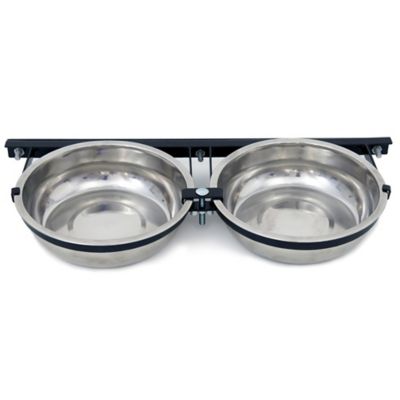
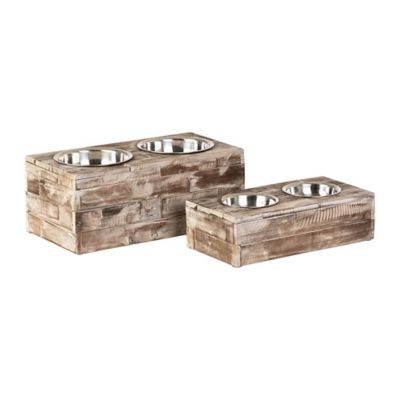
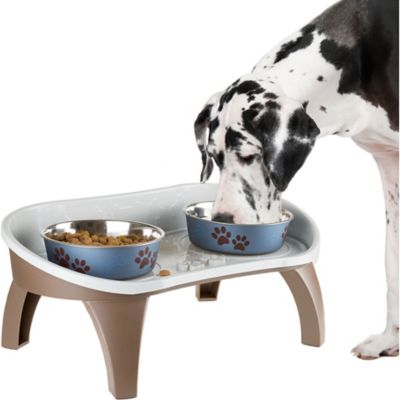
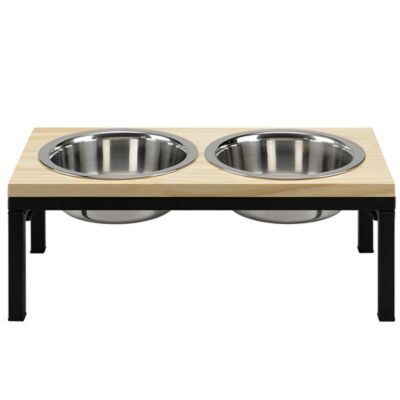
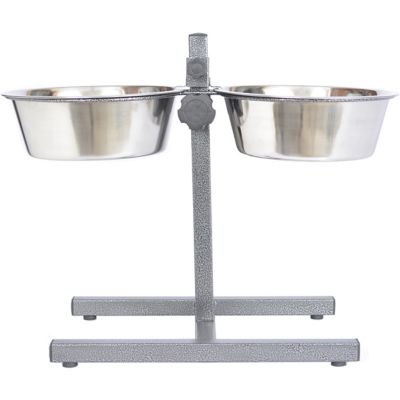
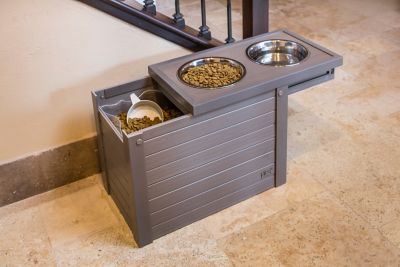
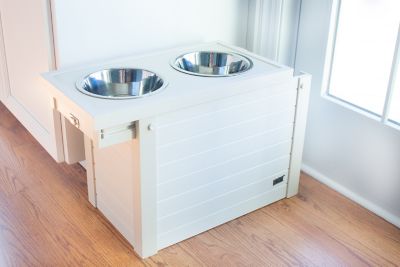
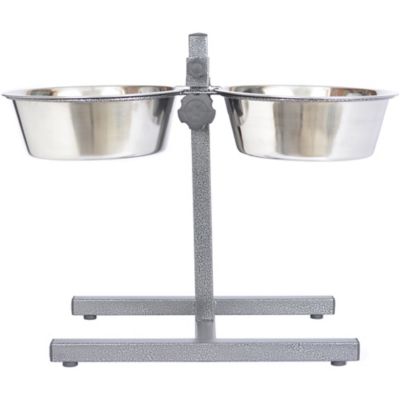
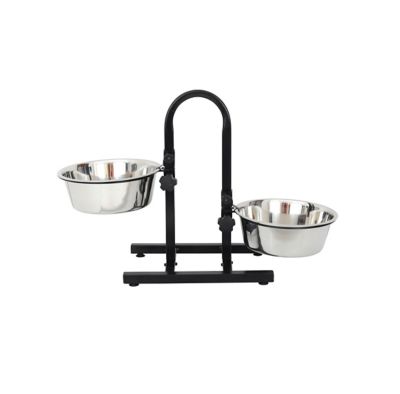
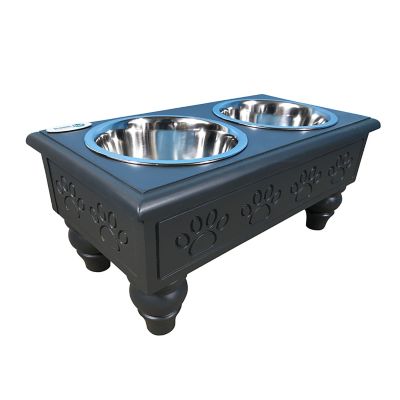
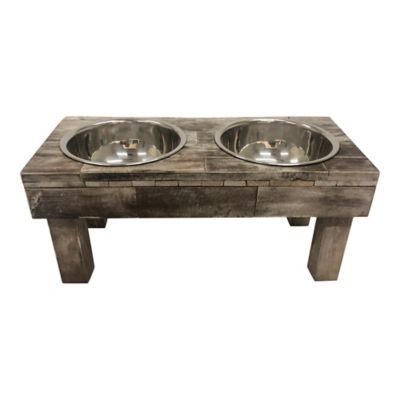
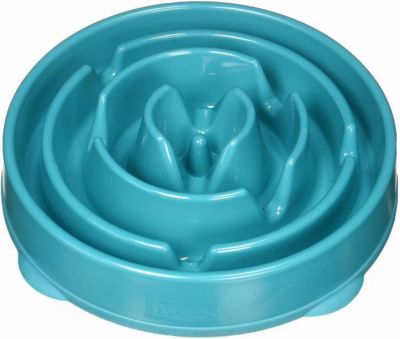
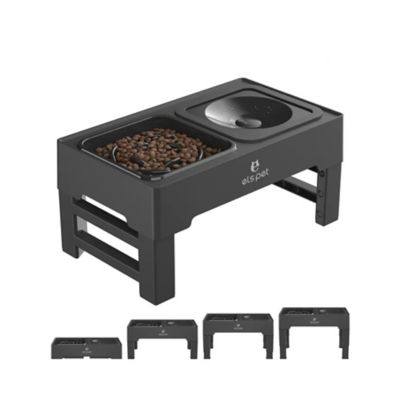
Feeding style matters just as much as material, particularly for a Basset Hound that treats every meal like a race. Slow-feeder dog bowls use raised ridges, channels, or compartments to spread food out and make a dog work around obstacles rather than take large mouthfuls at once. For a broad-muzzled, long-eared dog, those spaces need to be accessible without forcing the face deep into a tight pattern. A shallow, open layout may be more manageable than tall, closely packed ridges, depending on the individual dog. Slow-feeder inserts also need to fit securely in the bowl without lifting, shifting, or becoming something to chew. These designs may help slow eating, but they do not guarantee protection against bloat or other digestive problems. Raised dog bowls require similar attention to the individual dog rather than a one-height-fits-all approach. An elevated stand may suit some dogs with mobility limitations when a veterinarian recommends it, but Basset Hounds’ short legs make height especially important. A stand that puts the rim too high can make reaching food harder instead of easier. Raised feeding is not a proven way to prevent bloat, so a veterinarian’s advice is worthwhile before changing bowl height for a health concern. For age-related considerations,
Best Dog Bowls for Senior Dogs offers more context for matching a feeding setup to an older companion. At floor level, a washable silicone or rubber mat with a raised edge can catch splashes and ear drips while giving the bowl extra grip. The mat needs enough space around the dish to catch water as the dog lifts its head, and both the mat and the floor beneath it need regular cleaning. A feeding spot away from swinging doors and busy walkways helps keep meals calm. Whether the setup is for a new puppy or a gray-faced hound resting nearby during chores, comfortable access, steady footing, and easy cleanup are the details that earn their keep day after day.