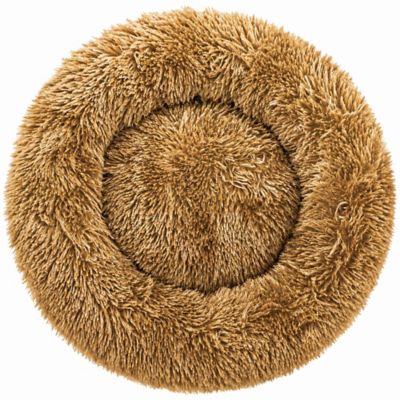
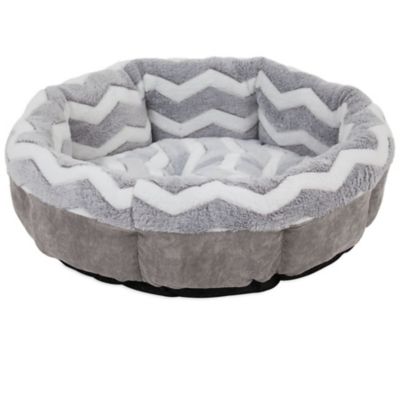
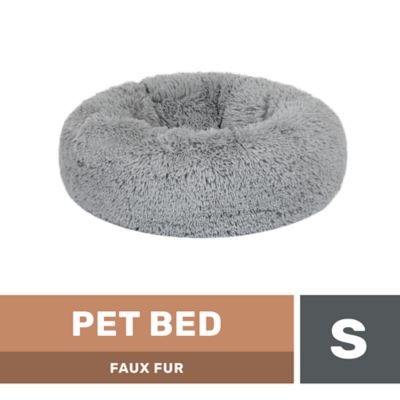
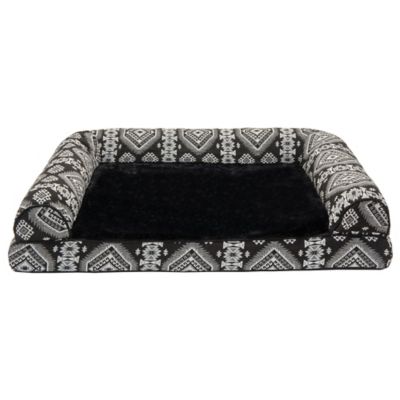
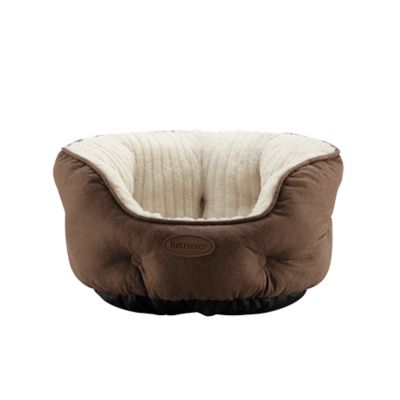
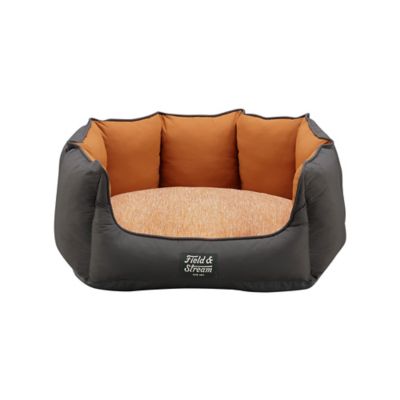
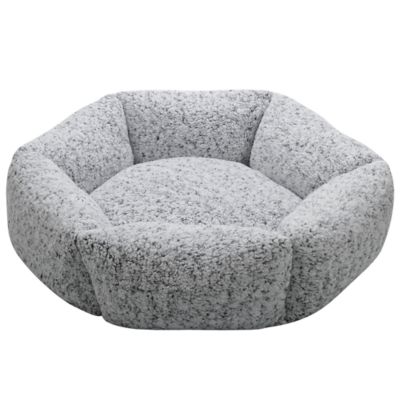
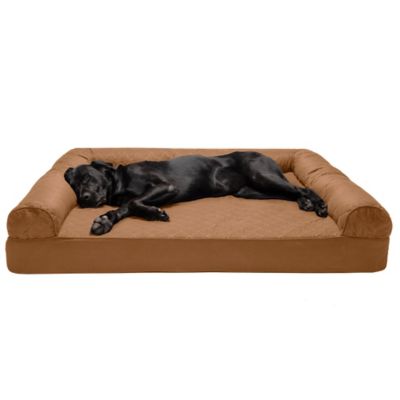
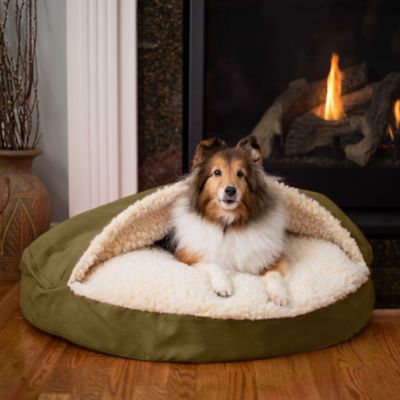
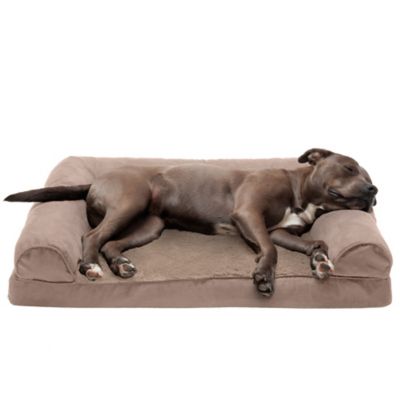
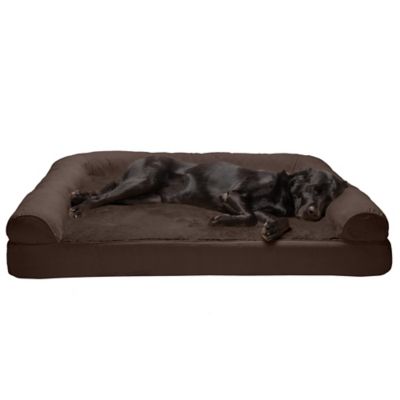
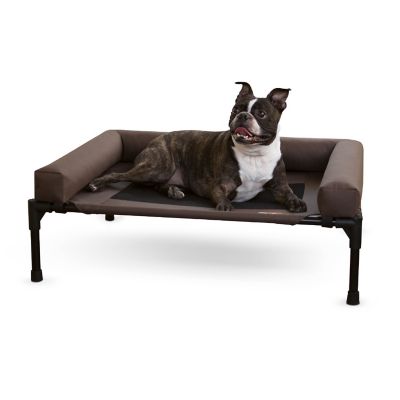
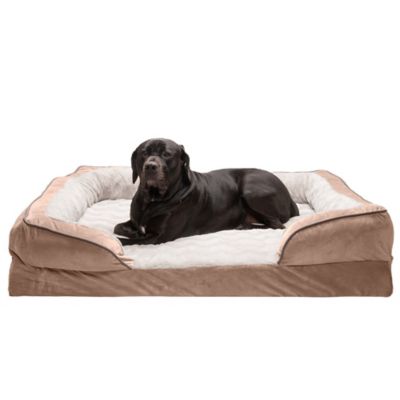
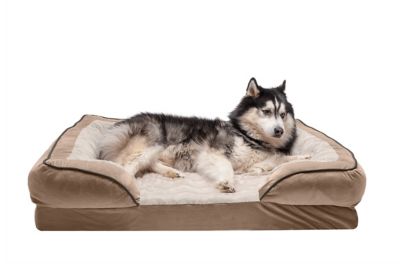
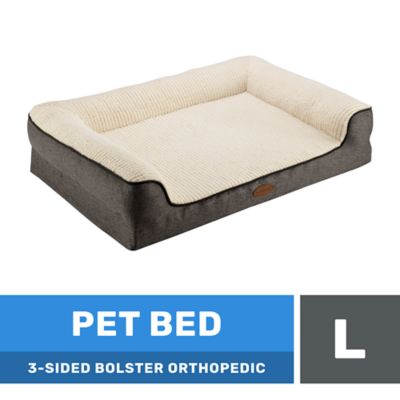
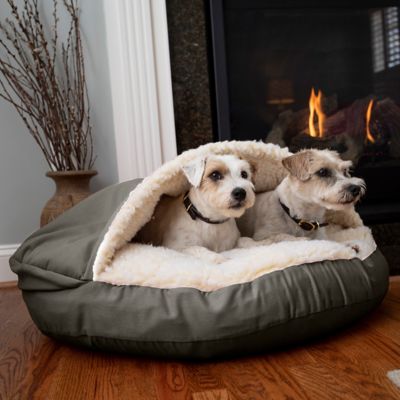
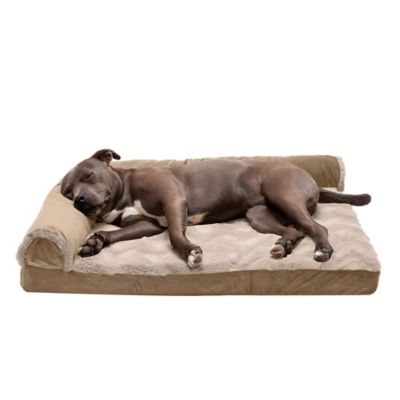
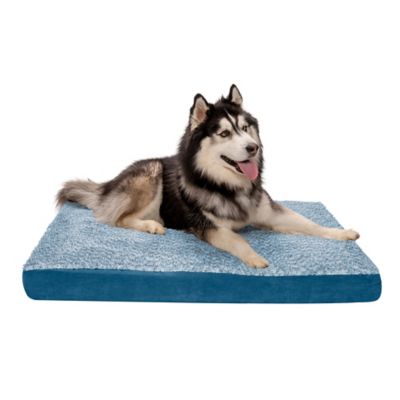
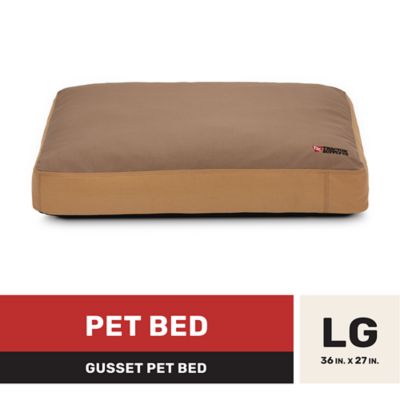
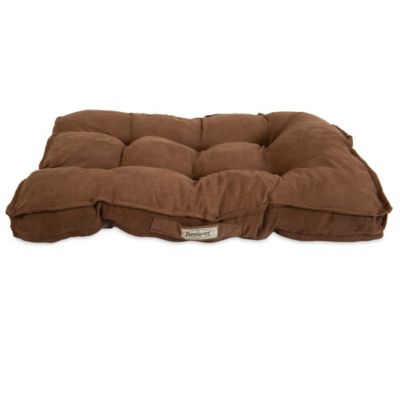
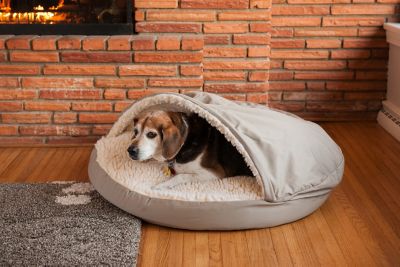
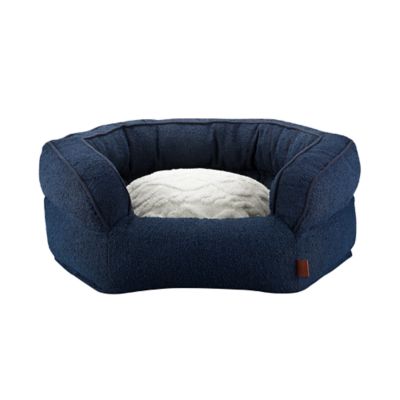
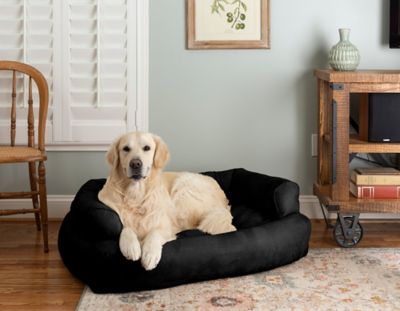
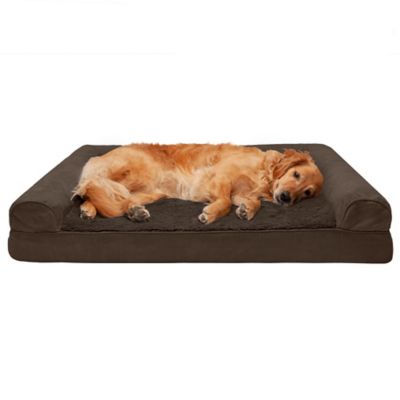
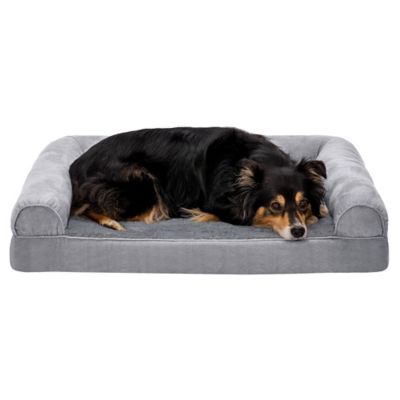
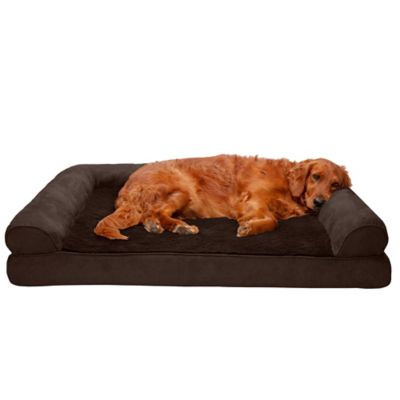
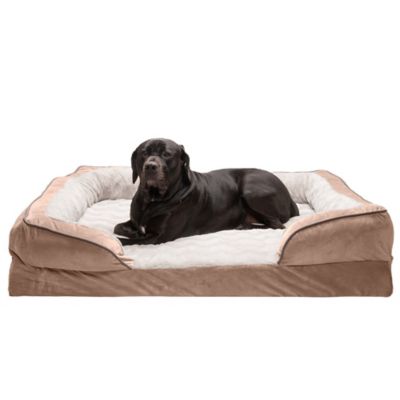
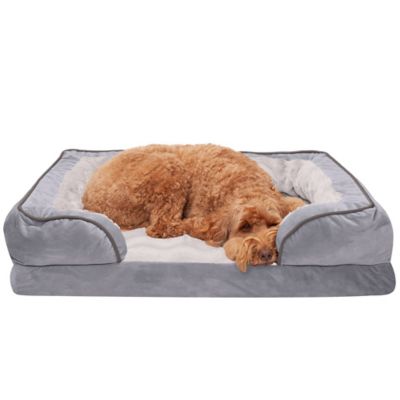
Dog beds with high sides have raised walls or padded bolsters around part or all of the sleeping area, giving dogs a place to curl up, lean back, or rest their chin. That built-in edge is the main difference between a high-sided bed and a flat dog mat. For a dog that circles twice before settling into a tight ball, the surrounding cushion can make a resting spot feel snug and sheltered without closing off the view of the room. A dog that likes to sleep pressed against the couch may appreciate the same kind of contact from a firm bolster. Round and oval beds suit many curl-up sleepers, while rectangular beds leave more room for dogs that alternate between tucking in and stretching out. Some designs have a continuous raised rim; others have three taller sides and a lower front opening. That lower entrance matters for short-legged dogs, puppies still finding their footing, and older companions that have trouble stepping over a tall edge. High sides can offer a comfortable headrest, but the height and firmness need to suit the dog: a soft rim that compresses under a chin feels different from a thick, upright wall. The enclosed shape may help some dogs settle into their own resting place, though a bed alone is not a treatment for anxiety. These beds fit everyday routines, from a farm dog napping after tagging along for chores to a house dog keeping an eye on the kitchen while supper gets started. An open top also lets a dog look around without leaving the cushion. For little dogs that prefer overhead coverage as well as raised sides,
Covered Dog Beds for Small Dogs offer a different kind of enclosed sleeping space. The best match comes down to how the dog actually rests, rather than whether a bed simply looks roomy from the outside.
Fit starts with the inside sleeping surface because thick sidewalls take up space within a bed’s overall footprint. A bed that fits neatly beside a chair may still feel cramped for a broad-shouldered dog once the bolsters are taken into account. Interior length and width should leave enough room for a natural sleeping position and an easy turn before lying down. Weight recommendations can help narrow the field, but they do not tell the whole story: a long-bodied dog and a compact dog of the same weight may need quite different shapes. Wall height deserves the same attention as floor space, especially for dogs that like to lay their head across an edge rather than keep it tucked inside. Underneath, the base cushion carries most of the dog’s weight. Loose fiberfill makes a soft, nestlike surface, while foam provides a more structured foundation. Memory foam conforms under pressure, and layered foam designs may combine a contouring top with a firmer support layer below. Beds described as orthopedic vary in construction, so cushion thickness, foam type, and support under the dog’s body matter more than the label alone. A substantial dog needs a base that does not flatten straight to the floor, while a smaller dog may settle comfortably into a lighter cushion. Cover fabrics affect everyday comfort and upkeep, too. Plush fleece and other soft pile fabrics give dogs a cozy surface to nestle into, though hair and bits of tracked-in grass can cling to the texture. Smooth woven polyester or canvas-style fabrics offer a less fluffy feel and can be easier to brush off between washes. Strong seams, well-attached bolsters, and protected zipper placement are useful details for dogs that paw at their bedding before lying down. No fabric bed is chew-proof, however, and persistent chewing calls for supervision and removal of bedding with torn covers or exposed filling. High sides work best as a resting boundary, not as something a dog has to climb or wrestle over to get comfortable.
A high-sided dog bed earns its place in the house through everyday comfort and manageable care. Removable covers make it easier to deal with paw prints, shedding, and the occasional slobbery chew toy carried over for a nap. Care labels matter because a washable cover does not necessarily mean the foam insert or stuffed bolster can go through the washer, too. Separate compartments for the base and side cushions can make cleaning more manageable, especially on larger beds that take up considerable space in a laundry machine. Some smaller styles allow the entire bed to be washed, but both the instructions and the washer’s capacity need to support that approach. Thorough drying helps prevent lingering moisture in thick seams and filling. A water-resistant cover can slow down small spills, while a waterproof inner liner offers a separate barrier around the cushion; neither description should be assumed without checking the bed’s construction. For puppies learning household routines or older dogs with occasional accidents, that distinction can make cleanup much simpler. Between washes, regular vacuuming and prompt spot cleaning help keep hair and dirt from building up where the cushion meets the walls. Placement matters just as much as fabric. A nonslip bottom can help limit sliding on smooth floors, particularly when a dog steps through the entrance or leans against one side. Beside a favorite chair, in a quiet corner of the living room, or near a home-office desk, a bed gives the dog a defined spot without putting it in the middle of foot traffic. In a crate, the full outer dimensions need to fit without bunching up the walls or blocking the door. Each dog in a multi-dog household may appreciate a separate resting space, especially when one likes to sprawl and another prefers to curl up undisturbed. A high-sided bed can also be a thoughtful gift for someone welcoming a dog home, provided the size, sleeping habits, and laundry needs are known. Enough interior room, an easy entrance, supportive cushioning, and practical cleaning features make these beds a comfortable part of daily life.