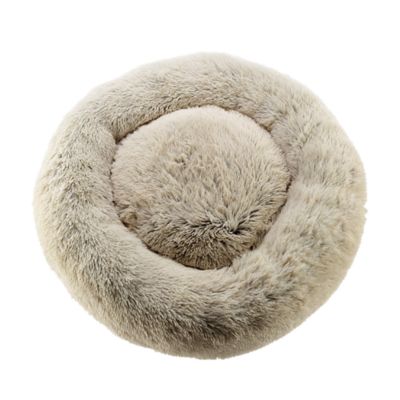
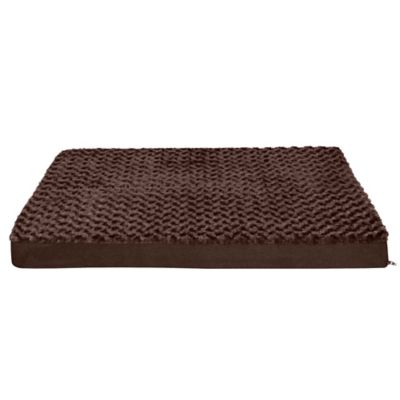
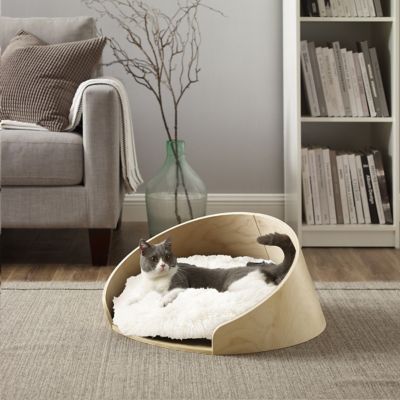
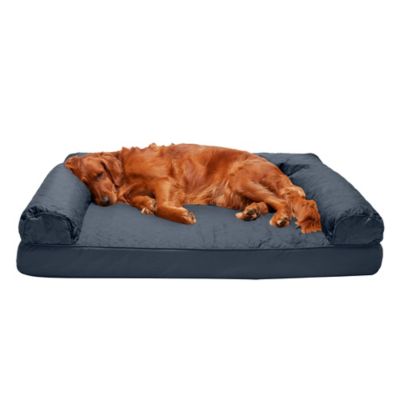
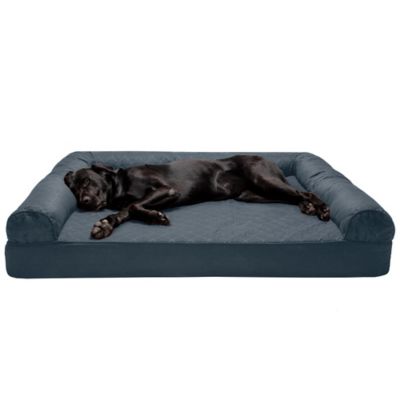
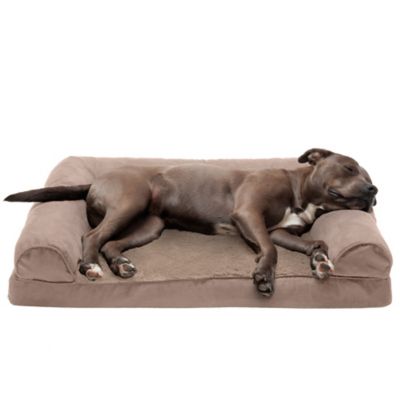
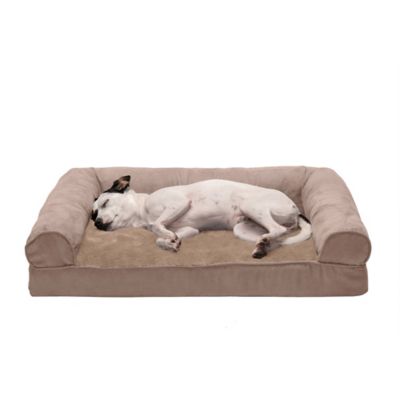
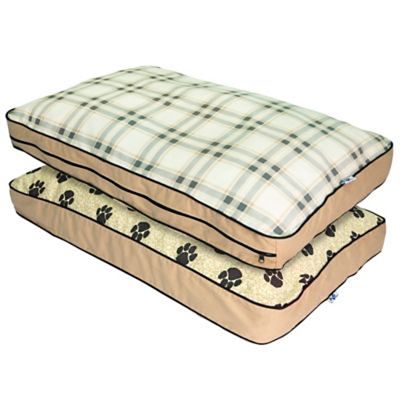
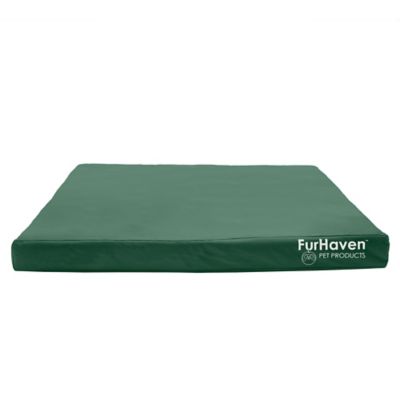
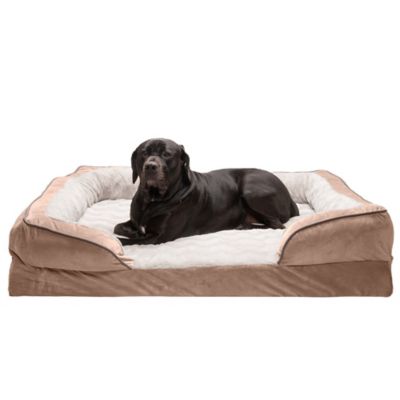
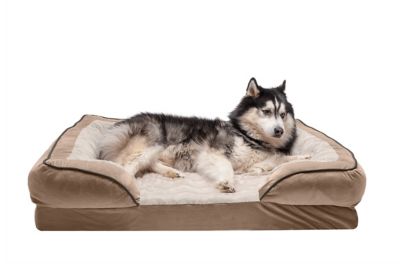
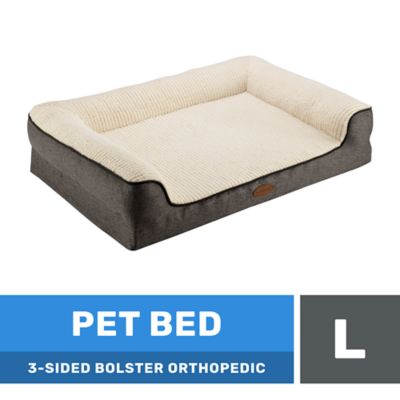
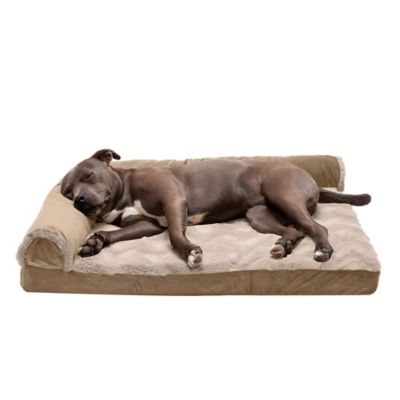
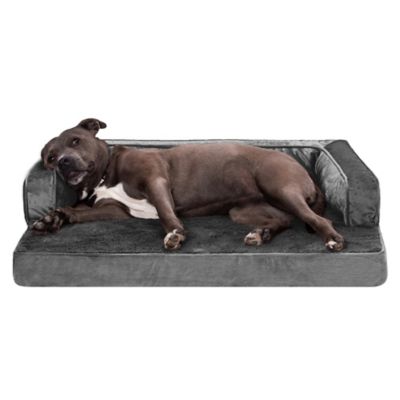
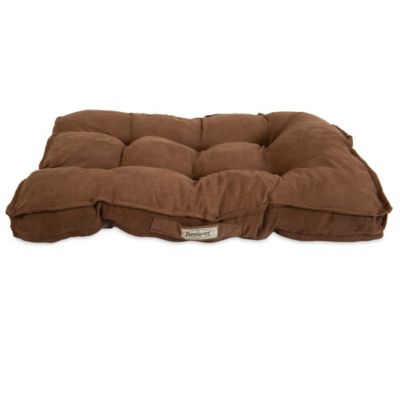
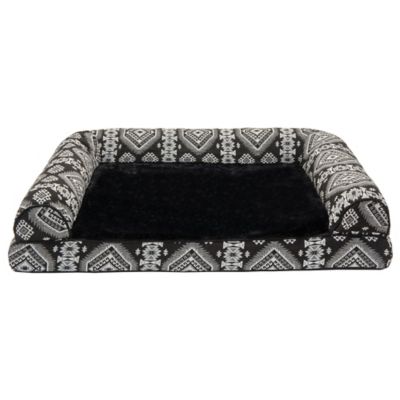
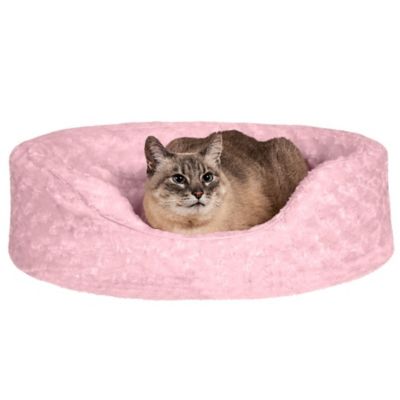
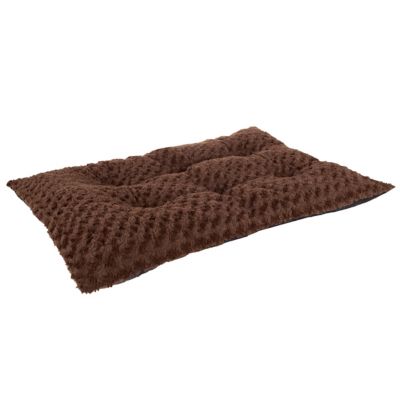
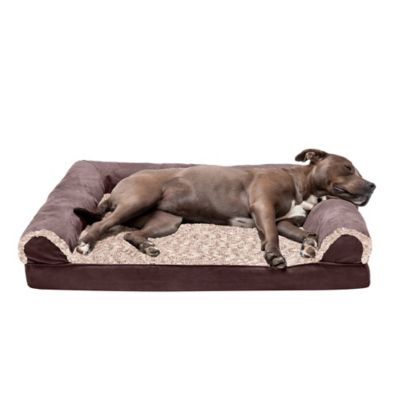
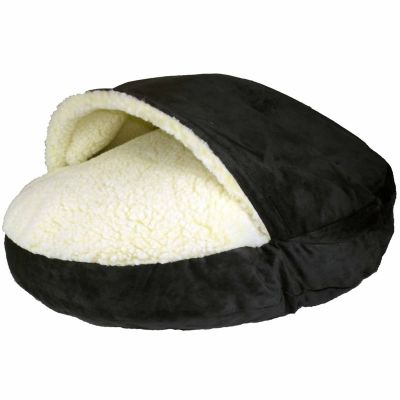
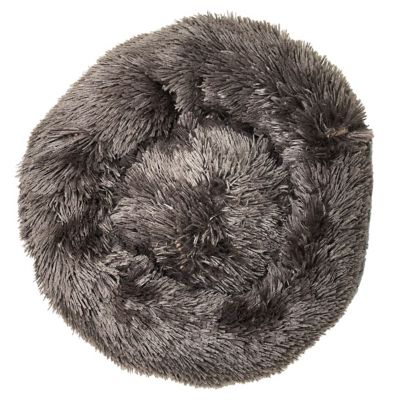
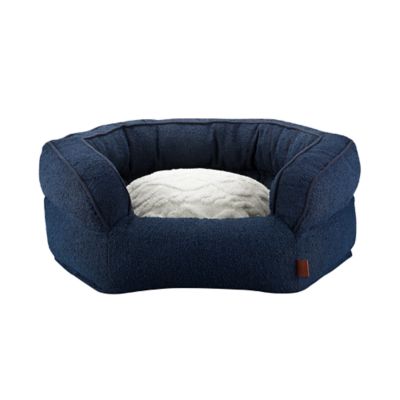
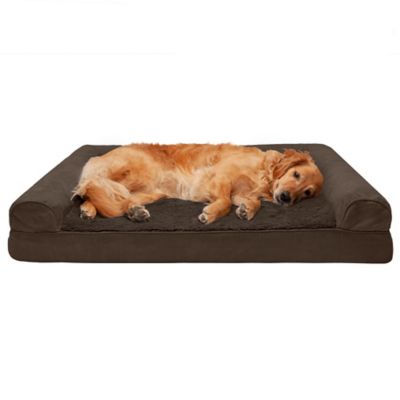
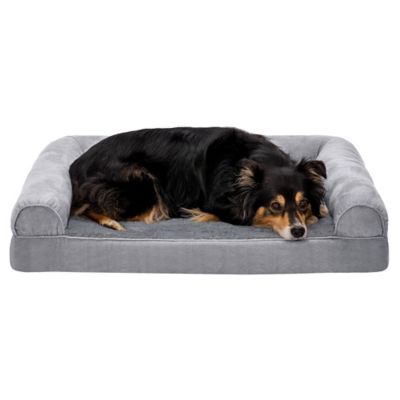
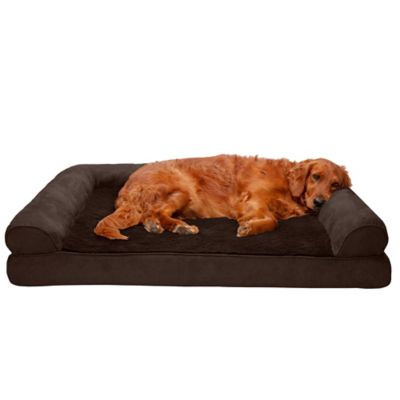
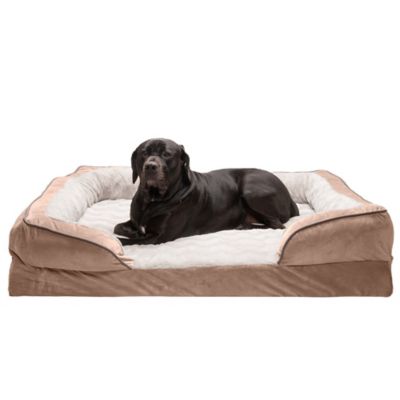
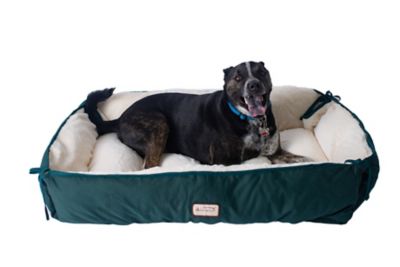
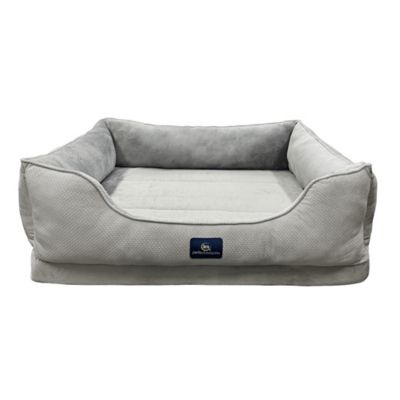
Dog beds for medium dogs give a hardworking companion, a porch watcher, or a family couch buddy a spot to settle down at the end of the day. Many beds labeled medium are intended for dogs weighing about 25 to 50 pounds, and common lengths fall around 30 to 36 inches, though sizing varies by bed shape and manufacturer. Weight is only a starting point: a long-bodied dog that sleeps stretched out needs a different footprint than a stockier dog that curls into a tight ball. The usable sleeping surface matters more than the outside measurements, especially on beds with thick walls or raised edges. Measuring a dog while resting in a favorite position, then allowing several extra inches of room, gives a better sense of fit than breed alone. Beagles, Cocker Spaniels, and other medium-sized companions can have very different sleeping habits, even within the same household. Flat rectangular beds leave room for legs to stretch, while oval nests and round beds suit dogs that tuck their noses close to their tails. Bolster beds provide a raised place to rest a chin, with an open front on some styles for easier entry. A bed should also fit the place where the dog naturally settles, whether that is beside a favorite chair, in a quiet bedroom corner, or near the kitchen without blocking a walkway. On a working property, an indoor resting spot away from muddy boots and swinging doors gives a dog somewhere to relax while the household carries on. For crate beds, the crate’s interior dimensions determine the fit; a mat should lie flat without bunching against the sides or interfering with the door. A well-fitting medium dog bed lets the dog change positions comfortably without taking over the whole room. That balance makes these beds practical for homes with limited floor space, multiple pets, or a companion that likes to stay close without being underfoot.
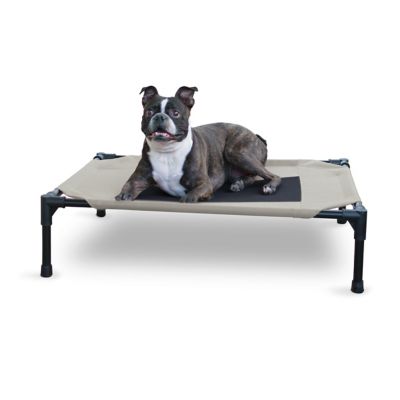
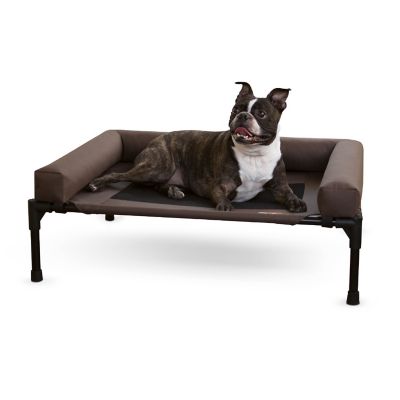
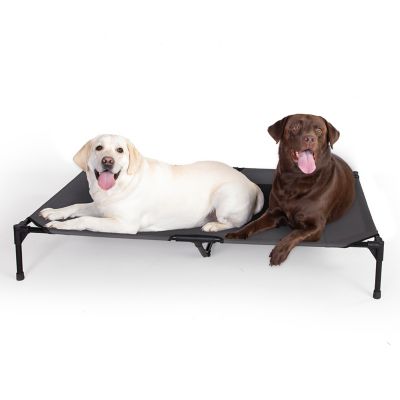
Materials and construction help determine how a medium dog bed feels through an afternoon nap or a full night’s sleep. Polyester fiberfill creates a soft, pillowy surface that suits many healthy adult dogs, though loose filling may shift or flatten and need occasional fluffing. Solid foam offers a more even base, while convoluted foam has a ridged surface that changes how cushioning is distributed. Memory foam contours under body weight, and layered designs often pair a softer upper section with a firmer foundation. Beds described as orthopedic generally emphasize support, but the label alone does not establish how much cushioning a particular dog will receive. Foam thickness, firmness, and the dog’s weight all affect whether the hips and shoulders stay cushioned above the floor. For an older companion or a dog with limited mobility, a low entry and a stable base can make settling down less of a chore. Bedding can improve comfort, but ongoing stiffness or difficulty getting up calls for veterinary attention. Raised mesh cots offer a different resting surface, lifting the dog above the ground and allowing air to circulate underneath. They can suit a sheltered porch or other supervised outdoor space when the materials are rated for that setting, while dogs that struggle with steps may do better with a lower bed. During cooler months, fleece, plush fabric, and enclosed sides can make an indoor sleeping spot feel snug, particularly away from drafts. Smooth woven covers tend to hold less loose hair than deep pile and may feel less warm to dogs that seek out cool floors. Tightly woven fabric, reinforced seams, and protected zippers are worth considering for dogs that paw and circle before lying down. No fabric bed is chew-proof, however, and a dog that tears into covers or swallows filling needs supervision and a different bedding plan. Nonslip backing can help limit sliding on smooth floors, but the bed should still sit level and stay steady when the dog steps aboard.
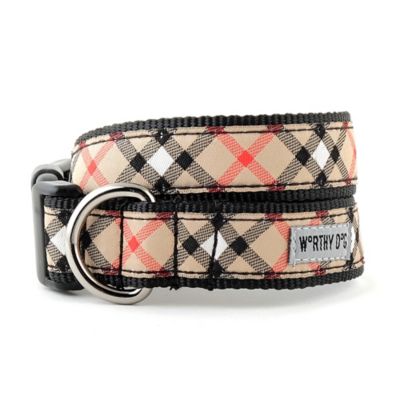
Everyday care matters when a dog comes home with dusty paws, sheds across the house, or claims the same sleeping spot after every walk. Removable, machine-washable covers make routine cleanup simpler, especially when the opening is large enough to take the cover off without wrestling with the cushion. Care labels still matter: a washable cover does not necessarily mean the foam insert can go in the washing machine. Some filled beds can be washed whole, while others call for spot cleaning, and larger cushions may exceed a household machine’s capacity. A water-resistant outer fabric can help with light surface moisture, while a waterproof liner beneath the cover offers a separate barrier around the filling. Those features are not interchangeable, and seams or zipper openings may still allow moisture through. For puppies learning household routines or older dogs with occasional accidents, a removable cover paired with a protective liner can make a meaningful difference in cleanup. Letting every layer dry fully before putting the bed back together helps prevent trapped dampness and lingering smells. Regularly lifting the bed to sweep underneath, brushing away hair, and checking seams keeps the resting area more pleasant for dogs and people alike. In a busy rural household, an easy-care bed near the living area and a separate travel mat can help keep truck dust from following a dog straight to its nighttime cushion. Portable mats also give familiar comfort during overnight visits, cabin stays, or quiet breaks away from home, provided the resting spot is safe and sheltered. For households getting a new companion settled in, bedding fits naturally alongside everyday walking gear such as
Dog Collars For Medium Dogs, with each chosen to suit the dog’s own measurements. A bed can also make a thoughtful gift for someone welcoming a medium-sized dog, especially when the dog’s sleeping habits and the household’s laundry needs are known. Enough room, suitable support, and manageable care help make that bed a comfortable part of the daily routine.