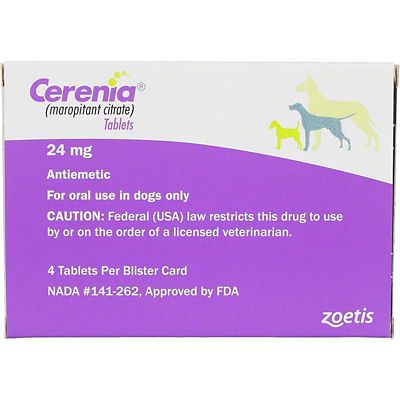
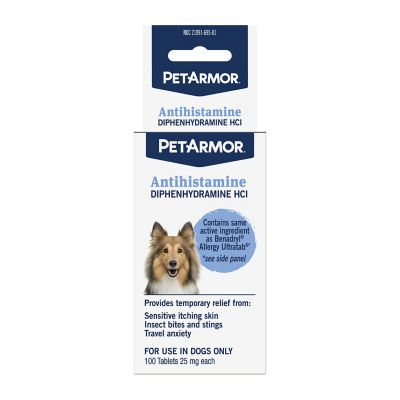
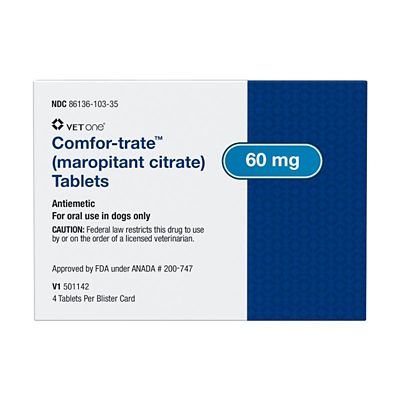
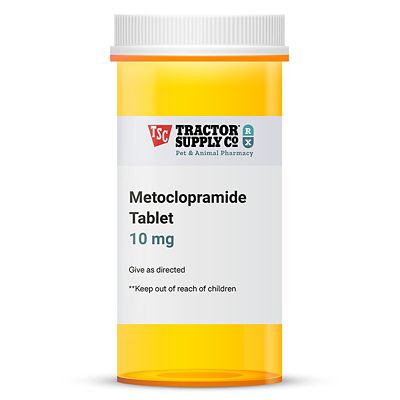
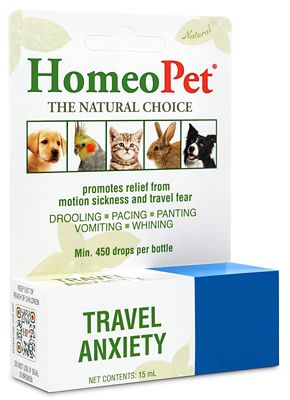
Dog travel sickness tablets can help make rides more comfortable for dogs that drool, lick their lips, whine, pace, vomit or seem uneasy once the truck, car or RV gets moving. Motion sickness often starts when the balance centers in a dog’s inner ear send signals that do not match what the eyes are seeing, though nervousness, strong smells and a full stomach can add to the trouble. These products may be useful for families heading to the lake, visiting relatives, taking a dog to the hunting cabin or making a longer trip during the warmer or cooler parts of the year. They can also come in handy for dogs that only ride in the vehicle for farm calls, grooming appointments or veterinary visits and have learned to associate the back seat with an upset stomach. The best choice depends on the dog’s age, size, health history and the cause of the discomfort. Some tablets are made specifically for dogs and require a veterinarian’s prescription, while other over-the-counter options may be considered only after a veterinarian confirms that the active ingredient and dose are safe. Never assume a human motion-sickness medicine is suitable just because it is sold without a prescription. Ingredients, strength and added ingredients vary, and some medicines can interact with treatments your dog already takes or may be unsafe for dogs with certain heart, liver, kidney or seizure conditions. Puppies, senior dogs, pregnant or nursing dogs and dogs with ongoing vomiting deserve extra care from a veterinarian before any travel tablet is used.
Timing is an important part of using dog travel sickness tablets properly. Follow the product label and your veterinarian’s directions closely, since some medicines are given about 30 to 60 minutes before leaving, while certain prescription anti-nausea tablets may need to be given roughly two hours before the trip. A veterinarian may recommend a different schedule based on the dog’s weight, the length of the ride and whether nausea or anxiety is the bigger concern. Do not give an extra dose because a trip is running long, and do not combine a travel-sickness tablet with a calming product, pain reliever or another antihistamine unless your veterinarian has specifically approved the combination. Some medicines may cause sleepiness, dry mouth or changes in coordination, while others are intended to control vomiting without making a dog drowsy. Ginger-based or other gentle supplements may be considered for mild stomach upset, but “natural” does not automatically mean risk-free, and these products should still be checked for safe dosing and suitability. Avoid feeding a large meal shortly before departure; many dogs do better with a normal meal several hours ahead of the ride, followed by small sips of water as appropriate. Keep the dog’s regular food, medications and water available at your destination, and bring a towel, waste bags and a washable blanket for the crate or seat. Tablets can support a smoother trip, but they do not replace a secure crate or harness, fresh air, steady driving and regular rest breaks.
When comparing dog travel sickness tablets, check the intended species, active ingredient, tablet strength, weight range and directions for repeat dosing. A product that fits a small dog may not be appropriate for a large dog, and splitting a tablet is only safe when the label or veterinarian says it can be split accurately. Share a complete list of your dog’s medications and supplements with the veterinary team, including flea and tick treatments, joint supplements and calming chews. Ask for guidance if vomiting continues, if the dog cannot keep water down, or if there is diarrhea, weakness, belly pain, pale gums, trouble breathing or unusual sleepiness. Those signs may point to something more serious than ordinary motion sickness and should not be covered up with another dose. Pain relievers deserve the same caution: dog owners considering
Dog Aspirin should speak with a veterinarian first, since aspirin is not a motion-sickness treatment and can cause stomach or other health problems when used incorrectly. For a better ride, introduce the vehicle in short steps, letting your dog sit in a parked vehicle before practicing brief trips around the property. Use a well-fitted restraint, keep the cabin cool and quiet, avoid sudden starts and hard turns, and stop regularly on longer drives so your dog can stretch and settle. With the right product, careful timing and a little patience, even a dog that once dreaded the sound of the tailgate can learn that a ride ends with a familiar bed, a shady rest spot or a happy arrival.