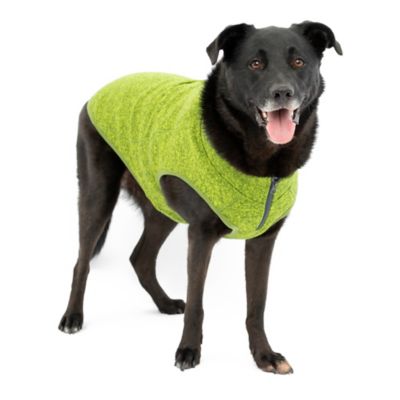
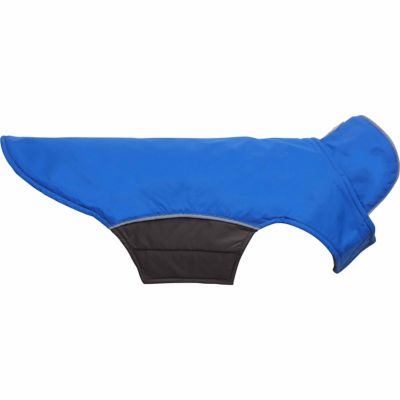
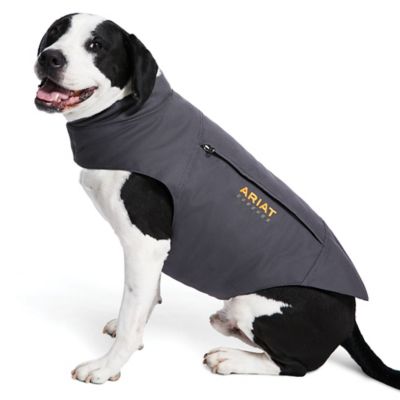
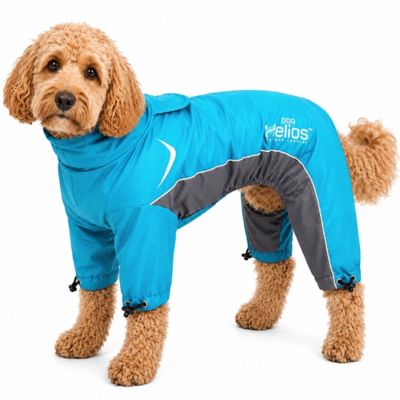
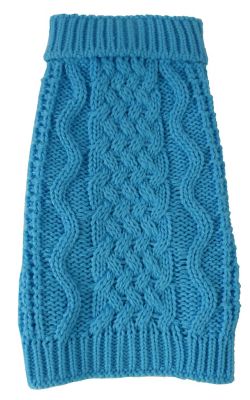
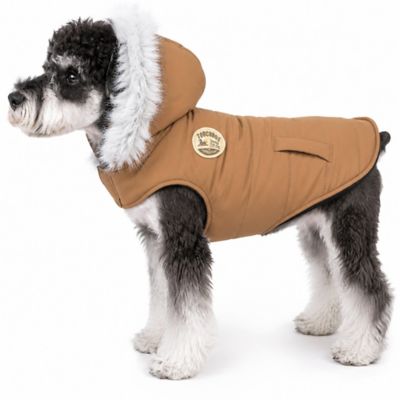
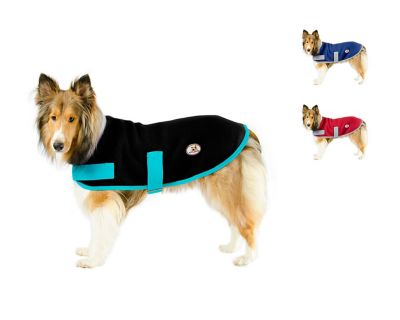
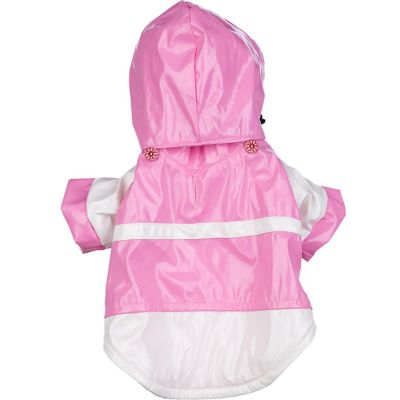
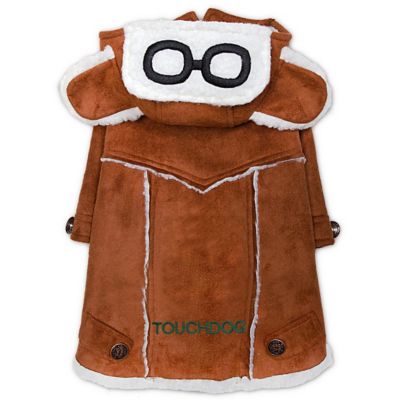
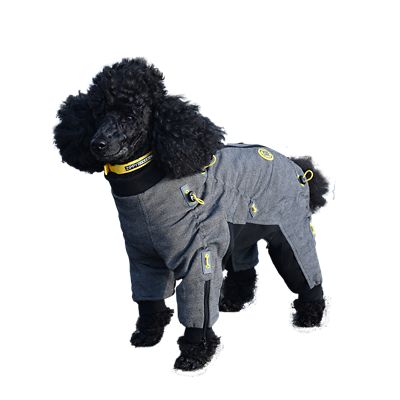
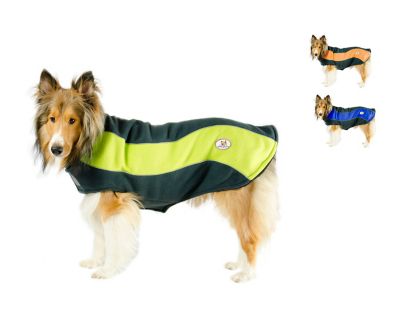
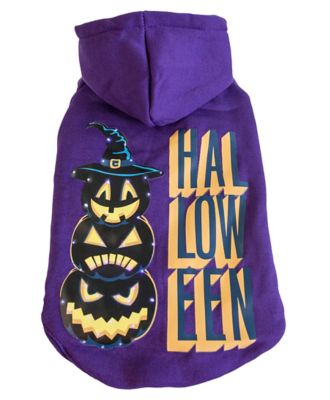
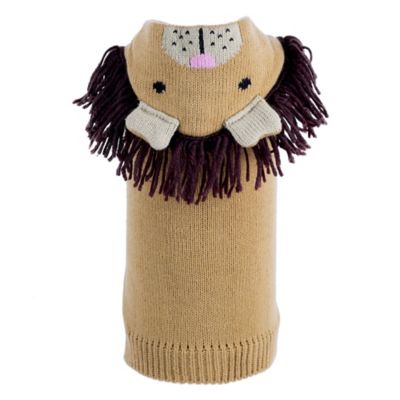
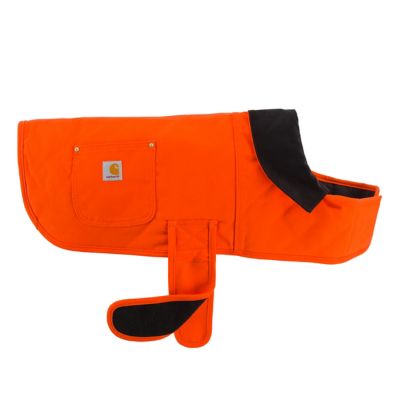
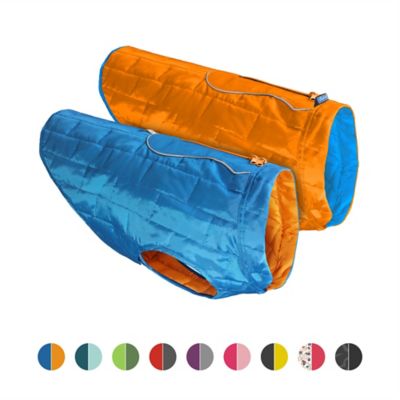
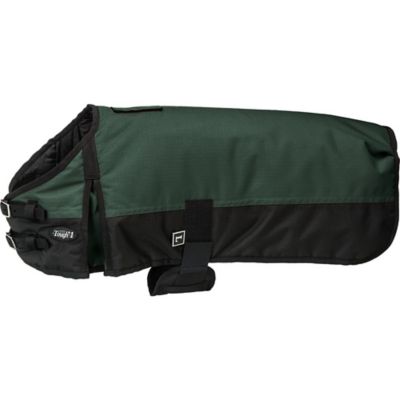
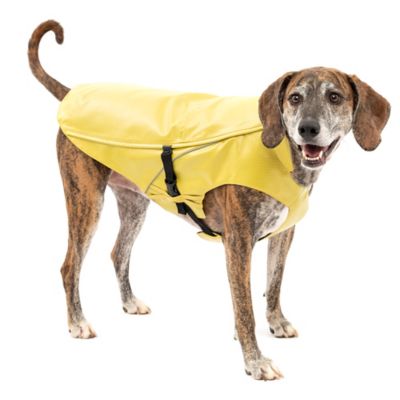
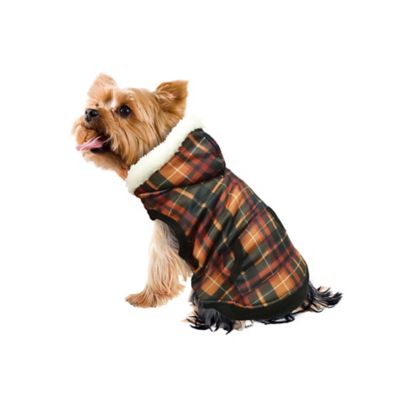
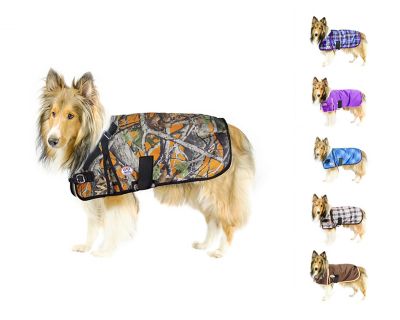
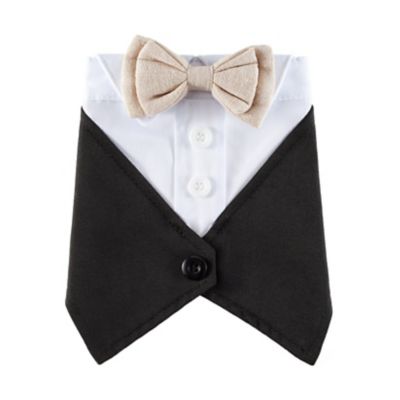
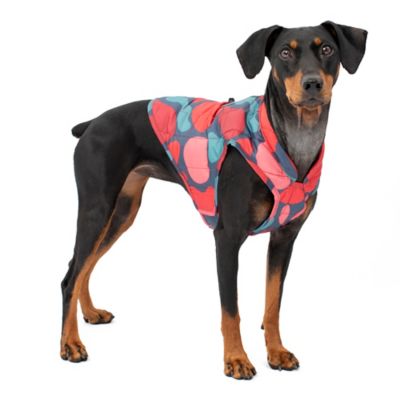
Dog apparel includes shirts, hoodies, sweaters, jackets, pajamas, and accessories such as bandanas and bow ties, with different styles suited to everyday wear, relaxed time at home, and special occasions. The right choice starts with what a dog will be doing, not just how an outfit looks on a hanger. A shirt for a quick trip into town calls for easy movement and simple construction, while a dressier outfit for family pictures may have a collar, a patterned panel, or a neatly attached bow. Soft jersey has a flexible feel that works well for casual clothing, and cotton blends can offer a smooth surface against the coat. Fleece has a brushed texture, while knitted sweaters provide stretch that varies with the yarn and stitch pattern. Woven fabrics generally have less give, making the shape of the chest, shoulders, and leg openings especially important. Fiber content tells only part of the story: fabric weight, lining, seams, and closures all affect how a garment feels once a dog starts moving. A thick seam beneath the front leg can bother a dog even when the rest of the shirt fits, and a stiff panel may shift differently than a soft knit. For a pup riding along on a feed-store run or settling beside the couch after chores, an uncomplicated design often makes more sense than lots of extra trim. Sleeveless styles leave the front legs freer, while garments with sleeves need enough room through the elbows for a normal stride. Pajamas and lounge styles put more emphasis on soft contact surfaces and comfortable openings. Bandanas and collar accessories offer a smaller touch of personality for dogs that tolerate an accessory better than a full outfit. Clothing is optional for many dogs, and a comfortable, willing wearer matters more than completing a look. Everyday dog clothes work best when their fabric and shape match the dog’s routine without getting in the way of walking, sitting, stretching, or resting.
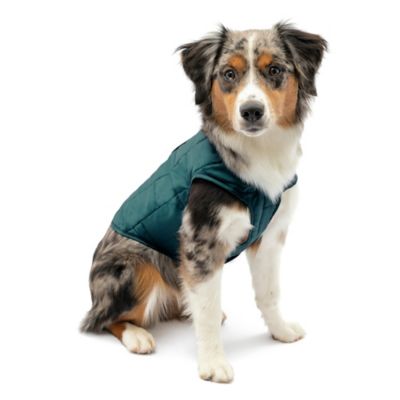
Fit is a big part of what separates comfortable dog clothing from an outfit that keeps sliding, twisting, or bunching. Chest girth, neck circumference, and back length are common sizing measurements, and each style’s size chart matters more than a familiar size label. A small in one cut may fit differently from a small in another. Breed and body weight provide some context, but they do not capture the difference between a deep chest, a long back, a narrow waist, or a thick coat. A broad-chested dog may need more room behind the front legs, while a long-bodied dog may need extra back coverage without a loose neckline. Well-proportioned clothing sits comfortably around the neck and chest without pulling across the shoulders. Leg openings should allow a full stride, and the underside needs enough clearance for bathroom breaks without soiling the fabric. Clothing that looks tidy while a dog stands still can fit quite differently when that dog curls into a bed or steps onto a porch. Closures also change the experience. Stretch openings keep the design simple, while snaps, zippers, and hook-and-loop tabs provide different ways to secure a garment. Smooth zipper guards and covered fasteners help keep hard edges away from skin and fur. For dogs that wear a harness, the location of an access opening matters; the leash should connect to the collar or harness attachment point rather than to clothing fabric or trim. Reflective details can make a dog easier to spot when light hits them, but clothing does not replace a leash or close supervision. Loose cords, dangling pieces, and trim within chewing reach deserve particular attention, especially with puppies. A dog that freezes, repeatedly bites at a sleeve, or struggles to walk normally may be uncomfortable with the fit or the garment itself. Simple designs, short periods of supervised wear, and freedom to move make more sense than expecting every dog to enjoy the same style of apparel.
Care and construction matter just as much once dog apparel becomes part of the household laundry. A shirt worn on errands may collect loose hair and dust, while an outfit for a family gathering might need attention around the chest and cuffs after a long afternoon of greetings. Washable fabrics can make everyday upkeep simpler, but care labels determine whether a garment belongs in the machine, needs a gentler wash, or should dry flat. Cotton-rich fabrics may shrink with heat, some knits can stretch when hung, and certain trims need more careful handling than the main fabric. Closing fasteners before washing can help limit snagging, and separating garments with rough hardware from softer knits helps protect their surfaces. Mild detergent and thorough rinsing are sensible considerations for clothing that rests close to a dog’s skin. Between washes, stitching around the neck, armholes, and closures deserves a look, since those areas take repeated pulling as a dog moves. Reinforced openings, securely attached trim, and neatly finished seams help clothing hold up through regular wear and laundering. Loose threads or damaged fasteners are reasons to set a garment aside until it can be repaired or replaced. For gift giving, dog apparel suits pet parents who enjoy including their companions in family photos, birthday gatherings, and other get-togethers. Having the dog’s measurements and knowing whether the dog tolerates clothing makes a gift more thoughtful than choosing by breed alone. Dressier looks, including
Dog Wedding Attire, can help a pup look the part for a ceremony or portraits with the wedding party. Comfortable movement still comes first, particularly when a dog will be greeting guests or lying down between pictures. Simple colors, familiar patterns, and modest details can fit the occasion without a lot of extra fuss. Whether the goal is an everyday shirt or an outfit saved for photographs, the best match balances appearance with sensible fabric, a comfortable cut, and care requirements that fit life at home.