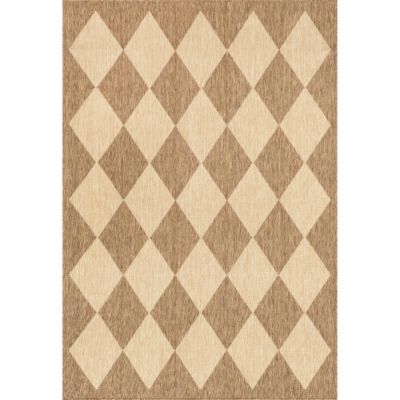
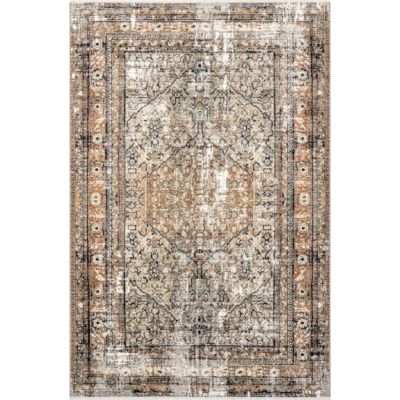
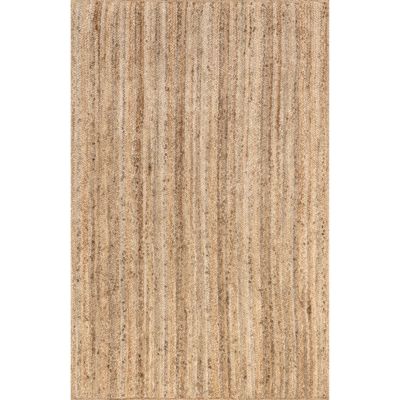
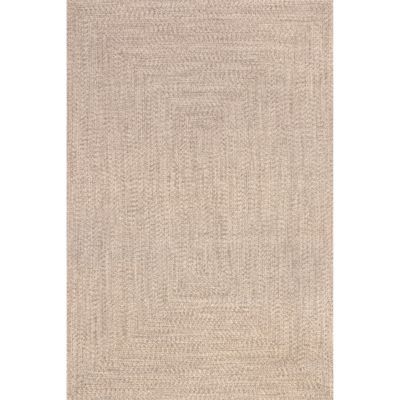
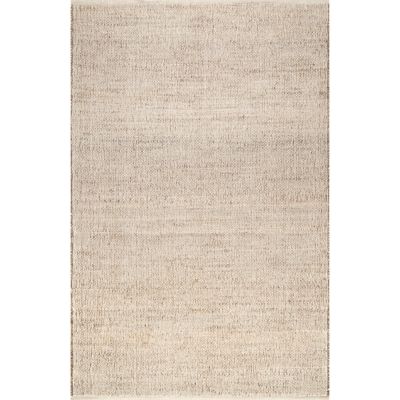
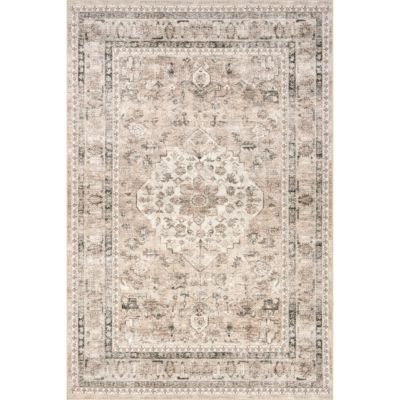
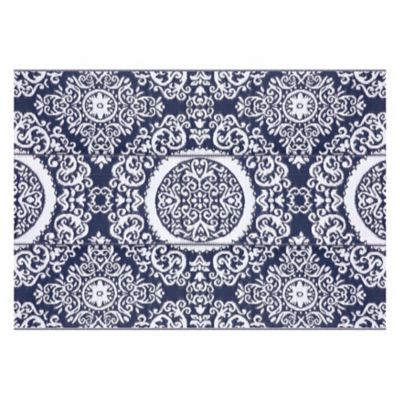
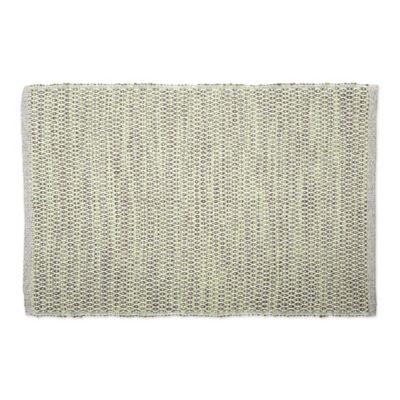
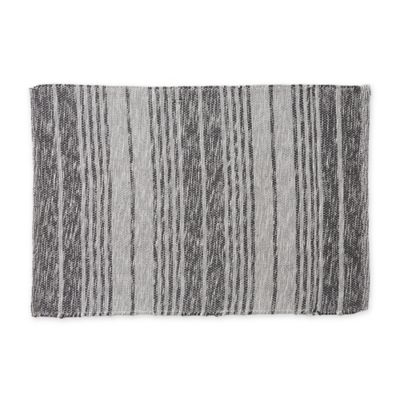
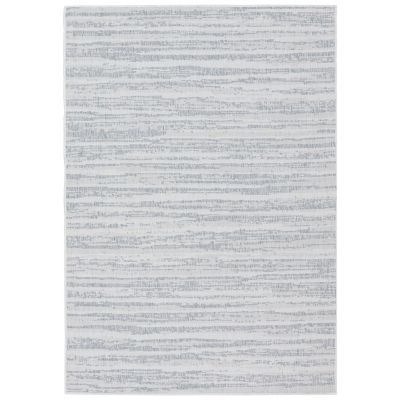
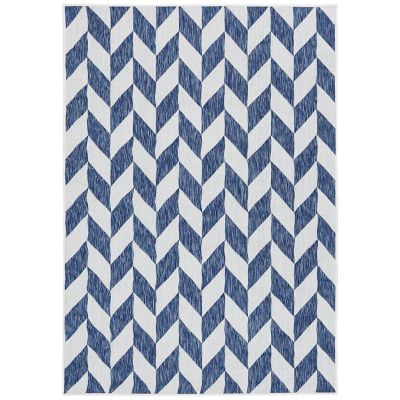
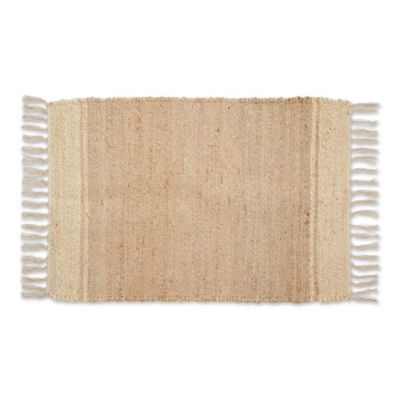
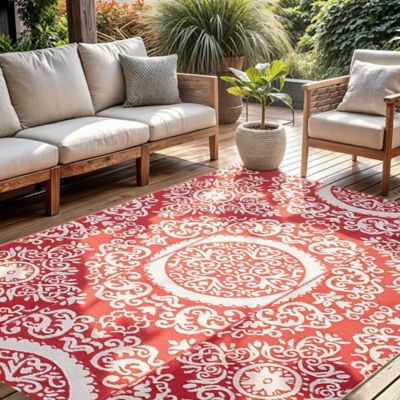
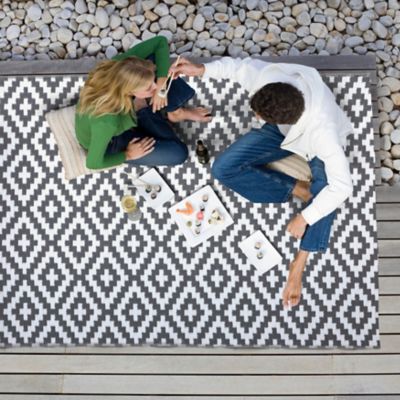
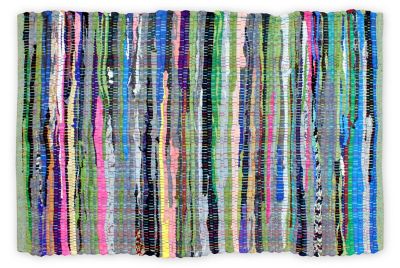
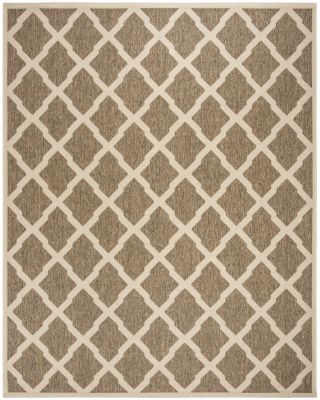
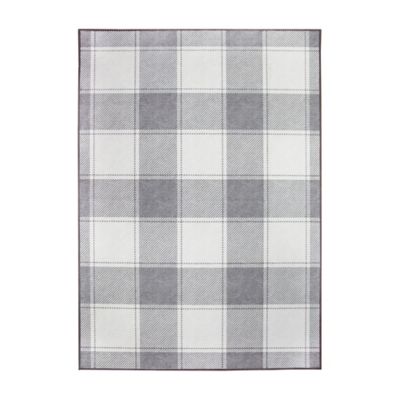
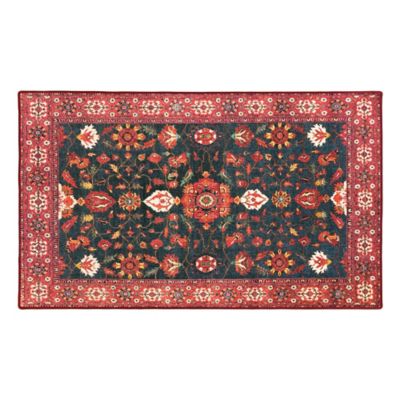
Indoor outdoor area rugs are an easy way to bring comfort, color, and a finished look to the places where everyday life happens. Made for busy spaces, these rugs commonly use durable synthetic fibers such as polypropylene or polyester blends that can handle foot traffic, tracked-in dirt, damp shoes, and changing conditions better than many traditional indoor rugs. Their practical construction makes them a natural fit for patios, porches, decks, balconies, sunrooms, poolside seating areas, and covered outdoor kitchens. They also work just as well inside the house in entryways, mudrooms, kitchens, hallways, laundry rooms, playrooms, and other areas that see plenty of boots, paws, spills, and muddy little footprints. A rug near the back door can soften the transition from the yard to the house, while one under a patio table can help define an outdoor dining area and give chairs a more comfortable surface. During the cooler months, an indoor outdoor area rug can add a little warmth and texture to a screened porch or enclosed entry without requiring the same level of fuss as a delicate indoor floor covering. Look for a size that leaves enough room around furniture while still fitting comfortably within the space. For an outdoor seating group, the rug may sit beneath the front legs of chairs and a sofa, or it may be large enough for all furniture legs to rest on top. In a dining area, make sure there is enough extra rug around the table for chairs to slide back without catching on the edge. Smaller sizes are handy beside a door, beneath a bench, or in front of a sink, while larger sizes help anchor a whole room or seating arrangement. Measuring the area with painter’s tape, twine, or a few flattened cardboard boxes can make it easier to picture the finished layout before choosing a rug.
When selecting indoor outdoor area rugs, think about the conditions they will face along with the look you want to create. A covered porch may allow for a lighter construction or a more decorative pattern, while an uncovered deck or patio benefits from a rug made to withstand sun, moisture, and frequent cleaning. UV-resistant materials and colorfast construction help reduce fading in sunny areas, though rotating the rug from time to time can help it wear more evenly. Water-resistant fibers can repel moisture and dry more readily after light rain or a rinse, and many synthetic rugs resist mold and mildew when they are cared for properly. No rug should be left wet for long periods, especially when it is laid over a surface that cannot drain. For routine upkeep, sweep away leaves and grit, or vacuum with the beater bar turned off when the rug is used indoors. Shake smaller rugs outdoors, spot-clean spills with mild soap and water, and follow the care directions for the specific material. Many indoor outdoor rugs can be rinsed with a garden hose, making cleanup after a cookout, gardening project, or muddy afternoon fairly simple. Let the rug dry completely on both sides before putting it back in place. A rug pad can add cushioning, help keep the rug from shifting, and promote airflow beneath it, but choose one intended for the surface and location. On a smooth floor, a nonslip pad can help reduce sliding near a doorway. Outdoors, a breathable pad may be a better choice than a solid backing that traps moisture. Consider the rug’s weave and pile as well. Low-pile and flatweave styles are easier to sweep, move, and place beneath doors, while raised textures can add visual interest but may hold more grass, sand, or soil. If the rug will be near a grill, fire pit, or heater, keep it well away from open flames and hot surfaces, and use outdoor furnishings according to their safety instructions.
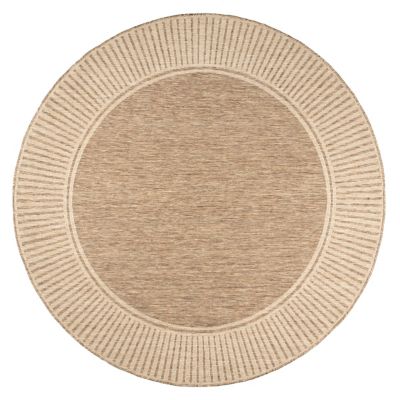
The right indoor outdoor area rug can make a hardworking space feel more welcoming without turning upkeep into another chore. Neutral shades and simple patterns blend easily with wood furniture, metal seating, garden planters, and classic farmhouse décor, while bold stripes, geometric shapes, or warm earthy colors can give a plain porch or concrete patio more personality. Light colors can help a shaded space feel open and airy, though darker tones and busy patterns are often more forgiving in entryways and areas where dirt is part of daily life. For a round table, fire pit seating area, or curved porch arrangement, explore
Large Round Outdoor Rugs to find a shape that follows the furniture instead of fighting it. These rugs can also make thoughtful gifts for new homeowners, families setting up a first patio, campers who enjoy a more comfortable outdoor campsite, or anyone who spends weekends tending a garden and relaxing outside. They are useful for housewarming gifts because the recipient can put one to work in several places, from a front entry to a covered porch, and change the arrangement as their space grows. Before buying, check the rug dimensions, intended placement, care instructions, and whether the material is suitable for direct sun or exposed weather. Take note of the floor underneath, too; a rough concrete patio, smooth deck board, finished hardwood floor, and tile entryway each call for slightly different support and cleaning habits. With a well-chosen size, durable synthetic construction, and a pattern that suits the space, an indoor outdoor area rug can help keep dirt at the door, protect high-traffic surfaces, and make everyday seating areas more comfortable. Whether it is catching rainwater from work boots, giving bare feet a softer place to land beside the pool, or pulling a porch gathering together as the weather changes, a dependable rug is a small addition that can make a noticeable difference indoors and out.