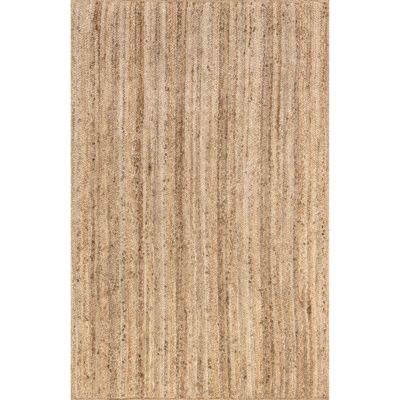
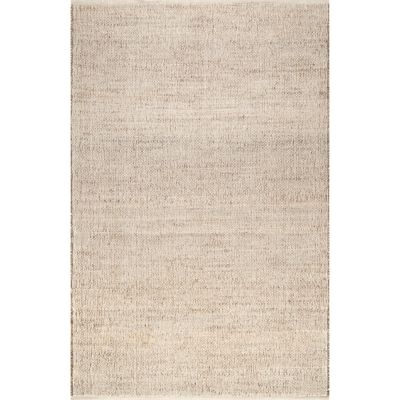
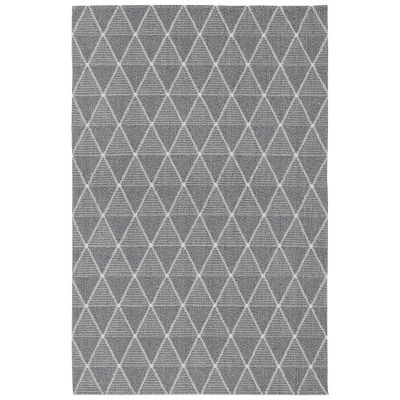
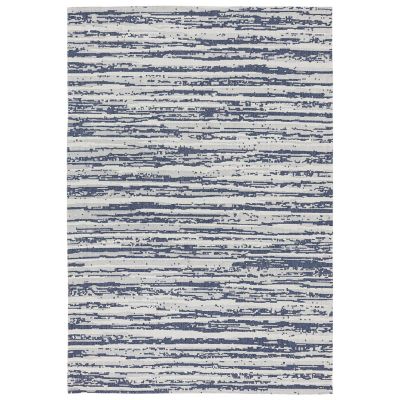
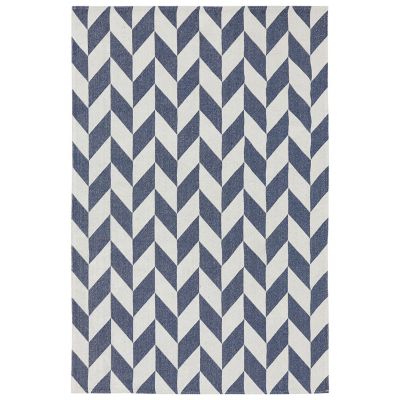
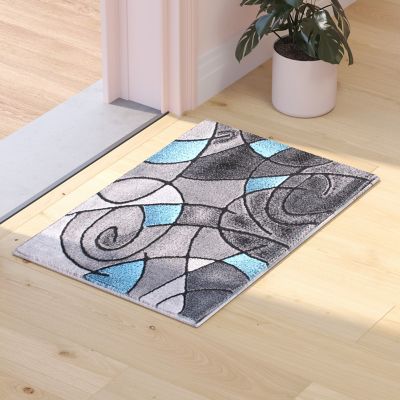
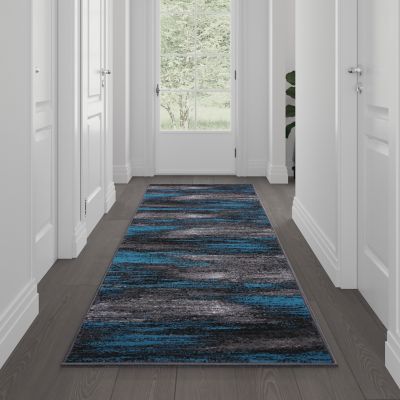
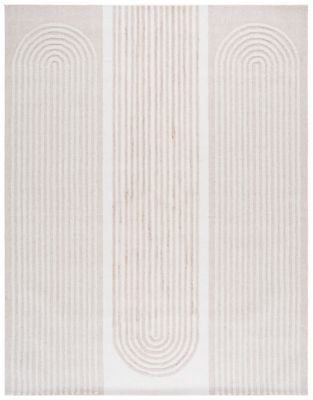
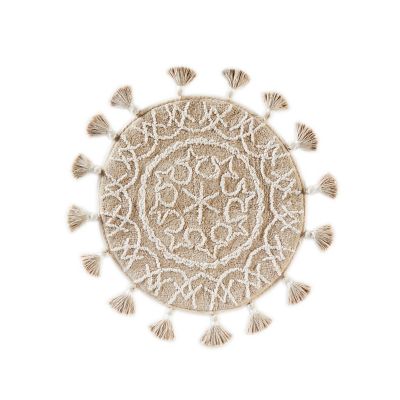
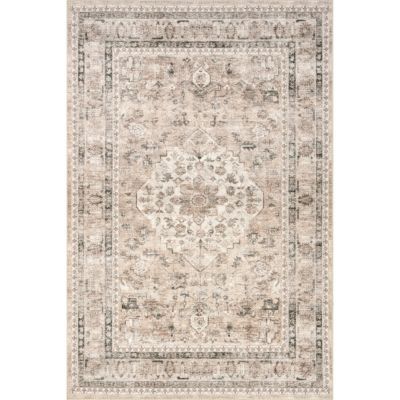
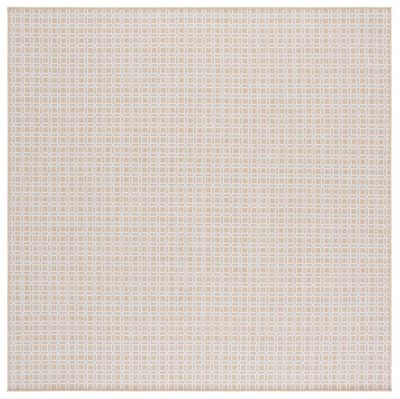
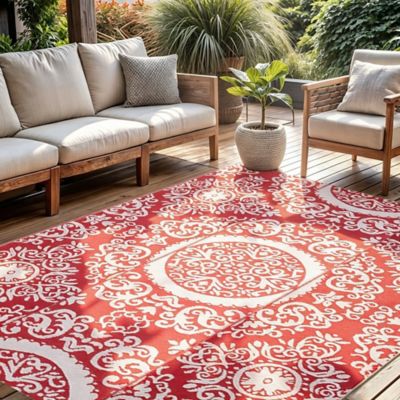
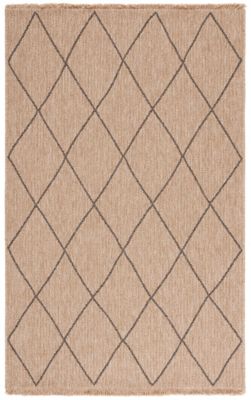
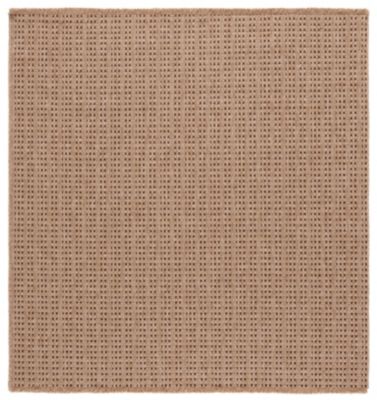
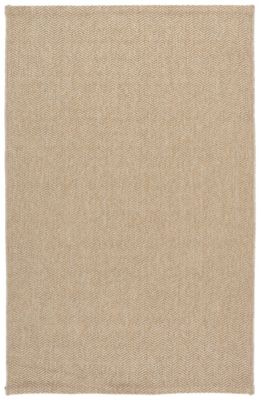
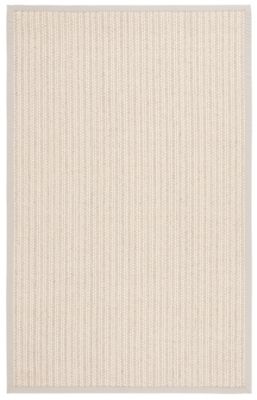
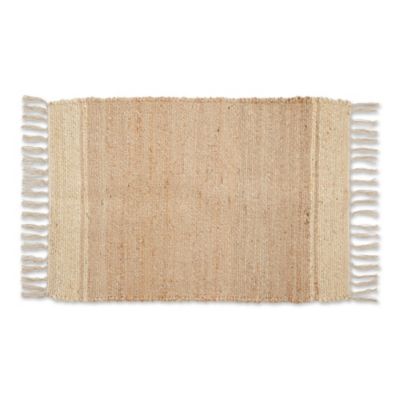
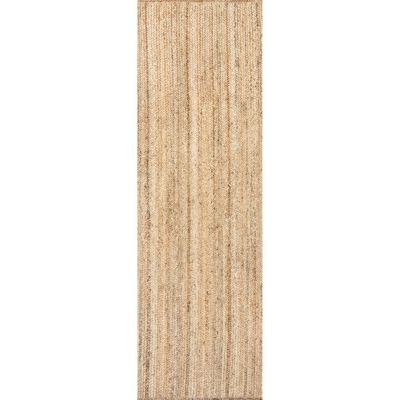
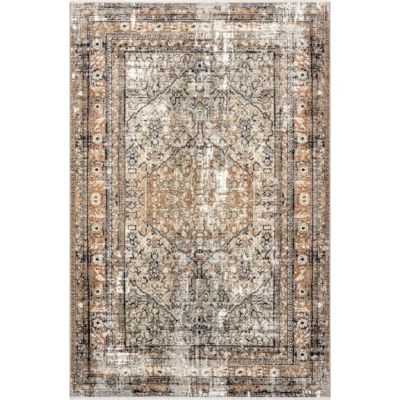
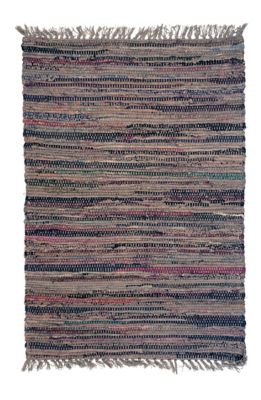
Modern farmhouse area rugs pair rustic texture with simple patterns and clean lines, bringing a relaxed, pulled-together feel to living rooms, dining areas, bedrooms, and entryways. Their appeal comes from balancing the familiar look of a country home with a simpler, less crowded style. Think soft ivory beside charcoal, a faded-looking pattern against a plank floor, or a woven surface that adds interest without competing with wood furniture. Cream, beige, gray, and brown are easy companions for oak tables, painted cabinets, leather seating, and metal accents. Muted blue, green, or rust can bring a little more color into the mix while keeping the room grounded. Stripes, checks, geometric shapes, and traditional medallion patterns all fit this look, depending on their scale and contrast. A broad stripe feels different from a tightly detailed pattern, even when both share the same colors. In an open living space, an area rug helps mark out the sitting area without putting up a wall or interrupting the view from the kitchen. A rug that reaches beneath the front legs of the sofa and chairs can make separate pieces feel connected. Larger rooms may have room for all the furniture legs on the rug, while a smaller arrangement benefits from a consistent border of visible flooring. Beneath a dining table, the rug needs enough room around the edges for chairs to remain on it when pulled out for a meal. In a bedroom, extending the rug beyond the sides and foot of the bed gives bare feet a softer landing and helps the bed feel settled in the space. Rectangular shapes suit many furniture arrangements, while round rugs can soften a breakfast nook or balance a square room. The right fit comes down to the furniture footprint, walking paths, and the amount of floor worth showing, not just the room’s overall dimensions. Marking the planned outline with painter’s tape makes it easier to picture how that footprint works around a doorway, hearth, or favorite chair.
Materials and construction make just as much difference as color when an area rug becomes part of everyday life. Wool offers natural spring and a substantial feel underfoot, making it a comfortable choice for gathering spaces and bedrooms; some wool rugs shed fibers, especially early on. Cotton often has a lighter, more relaxed feel, though cleaning methods depend on the backing and construction rather than the fiber alone. Jute and sisal bring an earthy, textured look that works well alongside wood and woven baskets, but their rougher surfaces may be less comfortable for floor play or bare feet. These plant fibers can also be sensitive to moisture, so they deserve extra thought around pet bowls, frequently damp shoes, or places where spills are common. Polypropylene and polyester are other materials to consider for busy households, with care needs and stain resistance varying by construction and finish. No fiber makes a rug immune to muddy footprints, tracked-in grit, or a tipped glass. Low-pile and flatwoven rugs generally leave less depth for crumbs and debris to settle into, and their flatter surfaces can make dining chairs easier to move. A thicker pile adds cushioning but may need more attention where chair legs, pet hair, or steady foot traffic are involved. Raised patterns add another layer of texture, though the height difference matters beneath rolling chairs or near doors. In a farmhouse kitchen nook or a front room that gets a steady stream of boots, a flatter surface can be a practical match. A softer, fuller pile may feel more at home beside a bed or in a quiet sitting area. Backing matters, too. A rug pad suited to both the rug and the flooring can help limit shifting, add cushioning, and reduce rubbing underneath. Follow the flooring manufacturer’s recommendations, especially with vinyl, laminate, or finished wood, since not every backing or pad is suitable for every surface. Door clearance, curled edges, and changes in floor height also deserve attention anywhere people walk through often.
Modern farmhouse area rugs look their best when everyday care matches the way the room gets lived in. Grit carried in from the driveway can work down into the pile, so regular vacuuming helps keep loose dirt from building up. Vacuum settings should match the rug’s care directions; rotating brushes may be too harsh for certain fibers, loops, or fringed edges. Blotting a spill promptly with a clean cloth helps lift liquid without rubbing it farther into the surface. Any cleaning solution should be checked against the care label and tested in an out-of-the-way spot before broader application. A washable label deserves a closer look, too: the rug’s dimensions, weight, backing, and washing instructions all affect whether it belongs in a home machine. Larger pieces may need equipment beyond what a household washer can handle, and some rugs call for professional cleaning instead. Letting a rug dry fully before returning it to the floor helps prevent trapped moisture underneath. Rotating it from time to time can spread foot traffic and light exposure more evenly, particularly beside a sunny window or along the route between the kitchen and sofa. Pattern and color play a practical part in upkeep as well. A gently varied pattern can make small bits of everyday lint less noticeable than a broad field of one solid color, while very pale or very dark surfaces can highlight different kinds of debris. For a room that feels connected rather than overly matched, repeat one or two rug colors in pillows, throws, or
Modern Farmhouse Picture Frames, leaving room for family photographs and furniture with its own character. A quieter rug can balance a room full of wood grain, while a stronger pattern can give plain upholstery a little life. Whether the space hosts family suppers, an evening with neighbors, or a child spreading toys across the floor, the best-fitting rug supports that routine. It brings the room together without making everyday living feel like something to tiptoe around.