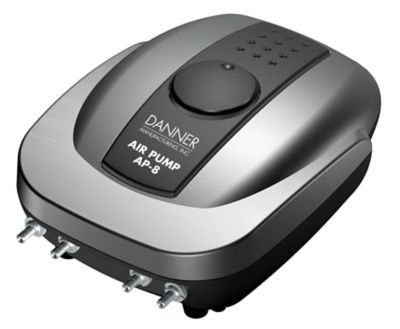
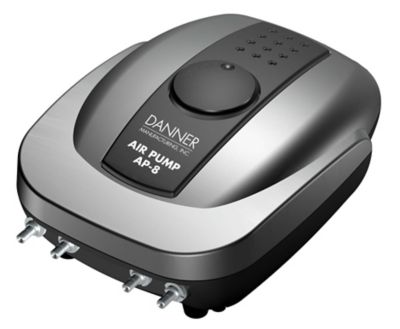
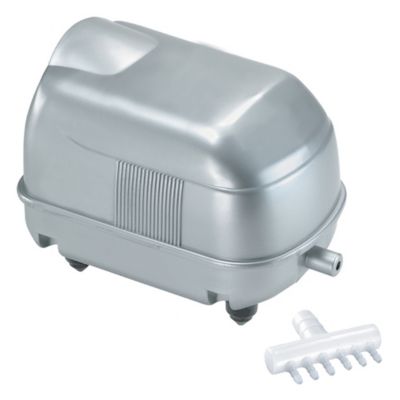
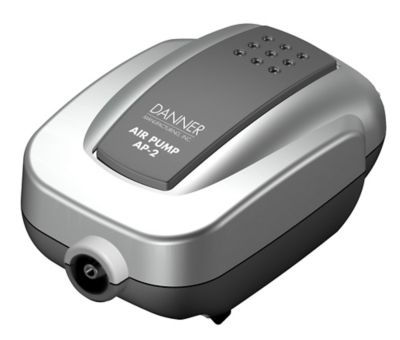
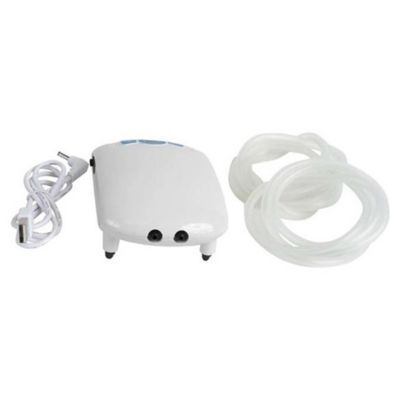
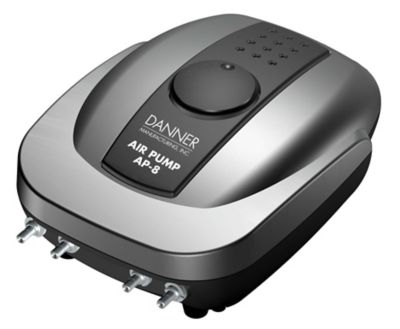
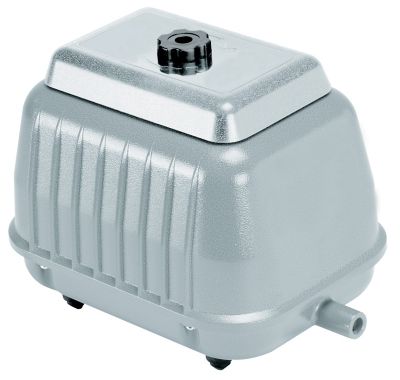
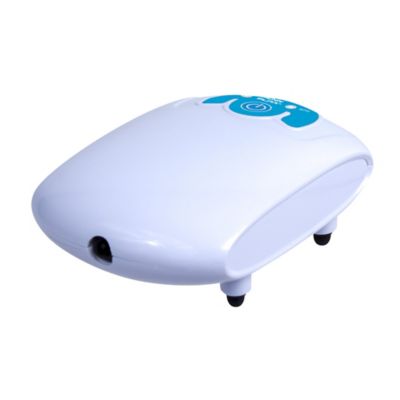
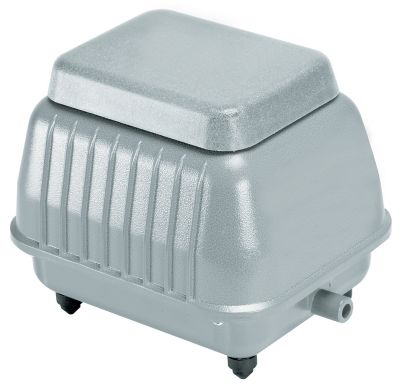
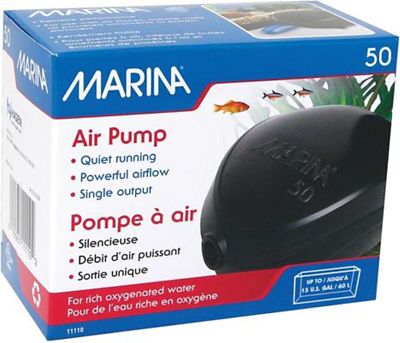
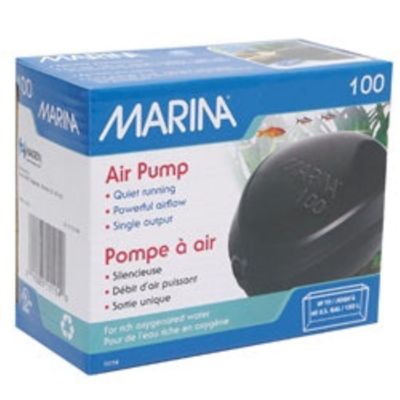
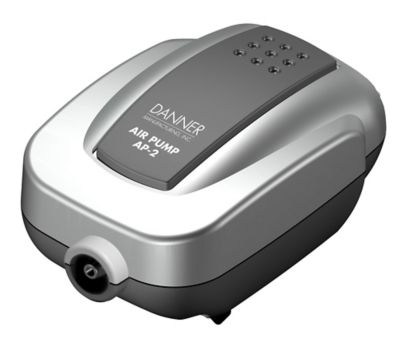
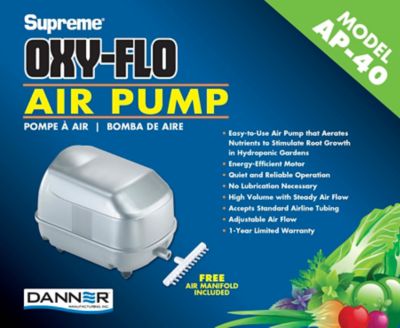
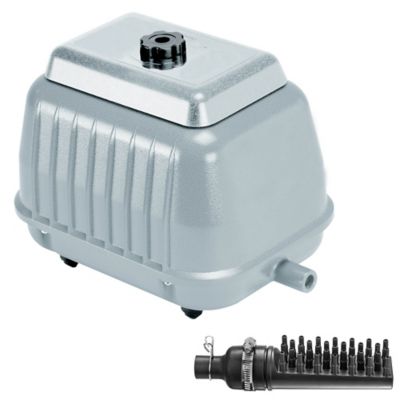
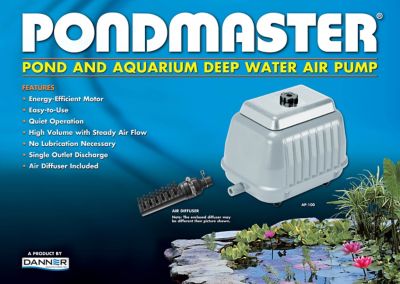
Air pumps for fish tanks supply a steady stream of air through aquarium tubing to support aeration, run air-driven filters, and create bubble displays. As bubbles rise, they move water toward the surface, where oxygen enters and carbon dioxide escapes. That surface movement does much of the work of improving gas exchange; a thick curtain of bubbles alone does not tell the whole story. An aquarium air pump can be a practical addition to a freshwater community tank, a breeding setup, or a separate aquarium for observing new fish. It can also power a sponge filter, which pulls water through porous foam and provides a place for beneficial bacteria to grow. For fishkeepers who prefer gentle water movement, that combination can offer filtration without the strong intake associated with some other filter styles. Air stones and bubble bars spread airflow into smaller bubbles, adding movement along the back glass or beside aquarium ornaments. The right amount of airflow depends on the livestock and the rest of the equipment, not just how lively the bubbles look. Small fish, fry, and long-finned fish may need calmer swimming areas, while a crowded aquarium may benefit from added surface agitation alongside suitable filtration and regular care. Heavily planted tanks can also benefit from supplemental aeration at night, when plants consume oxygen rather than produce it through photosynthesis. Not every aquarium needs a separate air pump: a properly sized filter that moves the surface may already provide enough gas exchange. Where extra aeration or an air-powered accessory is part of the setup, though, a pump gives the fishkeeper another way to manage water movement. In a family-room aquarium, a classroom tank, or a small fish room, the goal is the same: steady operation that suits the animals without turning their swimming space into a whirlpool. Bubbles can make a tank pleasant to watch, but their practical job matters more than the display.
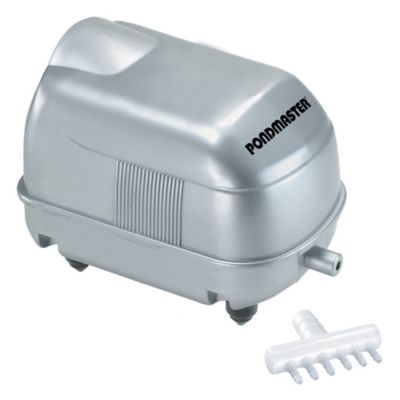
Matching an aquarium air pump to the tank means looking beyond the gallon range printed on the package. Water depth, tubing length, the number of outlets, and resistance from connected accessories all affect how much air reaches the aquarium. A pump that runs a shallow air stone comfortably may struggle to push air through a fine-pore diffuser near the bottom of a tall tank. Airflow ratings describe air volume, while pressure capability helps determine whether the pump can overcome water depth and accessory resistance. Manufacturer ratings are most helpful when considered together with the planned setup. A single outlet can suit one air stone or sponge filter; multiple outlets allow separate airline runs for equipment in different parts of the aquarium. Adjustable output offers more control over bubble strength, and suitable airline valves can help balance separate branches where the pump’s instructions allow them. Splitting one outlet does not create extra capacity, so every connected accessory still draws from the same air supply. For anyone comparing
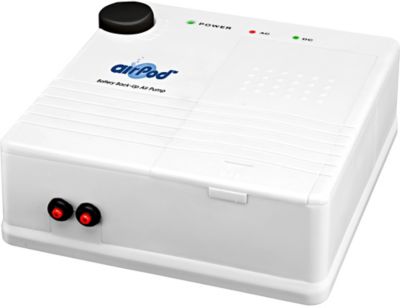
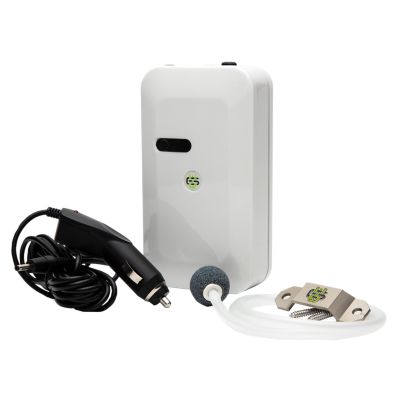
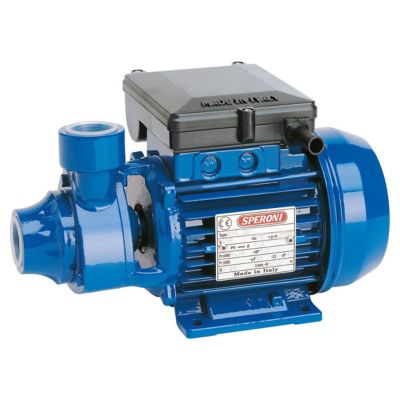
Pumps for Aquariums, the distinction between an air pump and a water pump matters: an air pump sends air through tubing, while a water pump moves water directly. Sound is another everyday consideration, especially when a tank sits near a couch, desk, or bedroom. Many aquarium air pumps contain a moving diaphragm, and vibration can travel through a shelf or cabinet even when the pump itself is fairly quiet. Rubber feet and an aquarium-safe vibration pad can reduce that contact noise without blocking ventilation. A loose cabinet panel or tubing resting against the tank lid can add its own rattle. Room for the pump to sit level, stay dry, and avoid contact with nearby objects can matter as much as a low-noise description. Battery-powered and rechargeable air pumps offer another option for transporting fish or maintaining aeration during a power outage. Their runtime depends on the power source and operating mode, and aeration alone does not replace every function of the aquarium’s normal equipment.
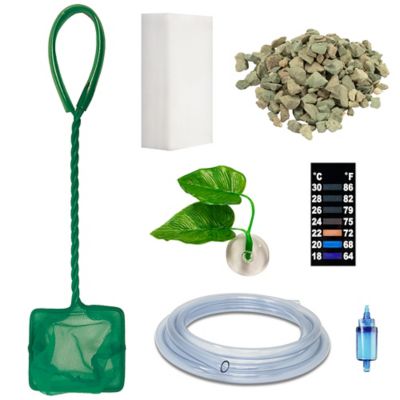
The parts around the pump deserve a close look, too, since tubing, connectors, and valves all affect day-to-day performance. Aquarium airline tubing commonly comes in flexible vinyl or silicone, with the best fit depending on the pump outlet and accessory connections. Tubing should fit snugly without stretching excessively, and its route should leave room for smooth bends rather than tight kinks behind the stand. Longer runs and extra fittings can reduce airflow, so a tidy arrangement helps more than appearance alone. A check valve allows air to travel toward the aquarium while helping prevent water from siphoning backward toward the pump when airflow stops. Valve direction matters, and installation should follow the pump and valve makers’ instructions. Keeping the pump above the aquarium’s water level can add protection, but the housing still needs a dry, well-ventilated location away from splashes. Ordinary external aquarium air pumps are not submersible. A drip loop in the electrical cord and a GFCI-protected outlet add important safeguards around aquarium equipment. For ongoing care, mineral buildup, algae, and debris can clog air stones and reduce their output, while aging tubing may stiffen, crack, or loosen at its connections. A weaker bubble stream does not always mean the pump needs replacing; a restricted diffuser, pinched airline, or worn diaphragm may be responsible. Designs with serviceable diaphragms or replaceable intake filters can make routine upkeep more straightforward, provided the correct replacement parts are specified by the manufacturer. Cleaning methods should suit the accessory material, with no soap residue left on anything returning to the aquarium. For a fishkeeper adding another sponge filter, setting up a small observation tank, or keeping backup aeration on hand, a well-matched pump is a practical piece of equipment. The most useful choice brings together suitable airflow, manageable sound, accessible maintenance, and connections that fit the tank’s actual layout, leaving more time to enjoy the fish and less time chasing a loose hose behind the cabinet.