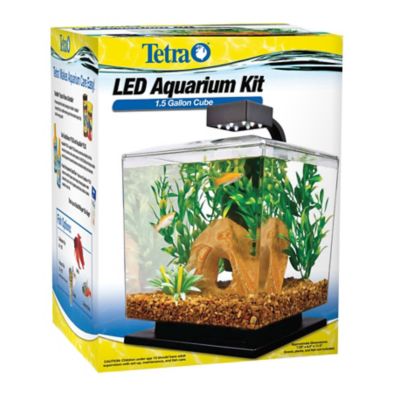
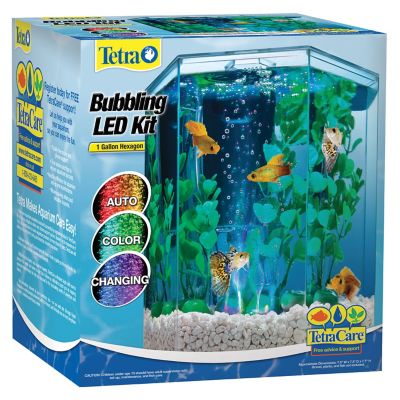
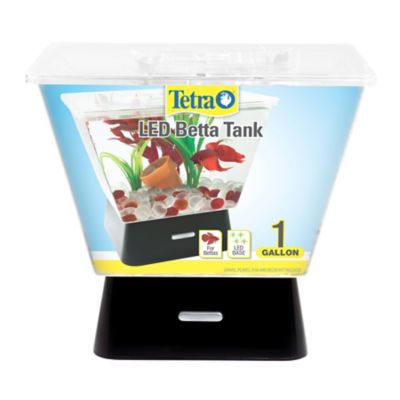
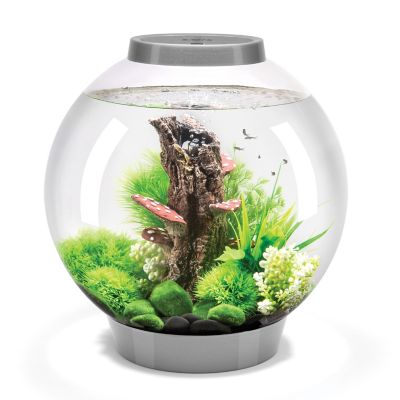
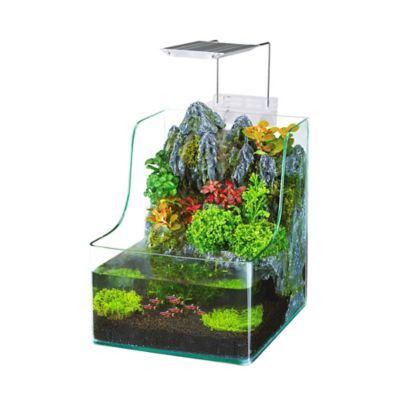
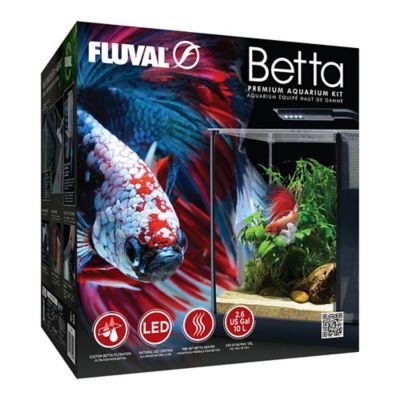
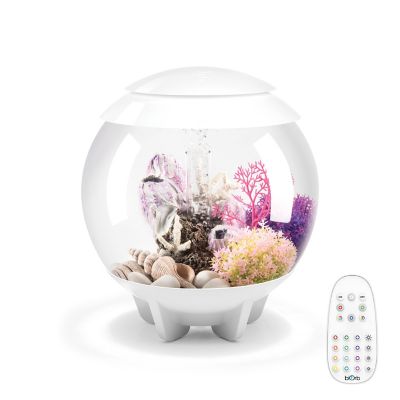
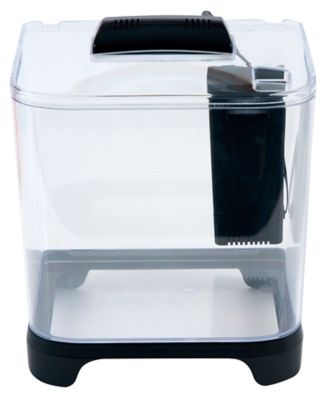
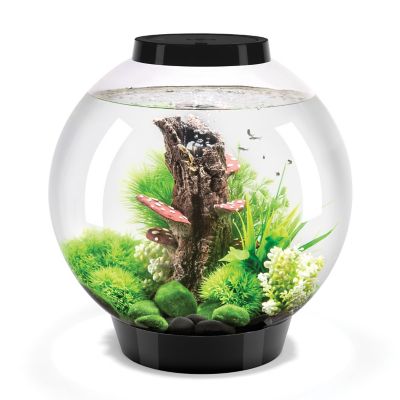
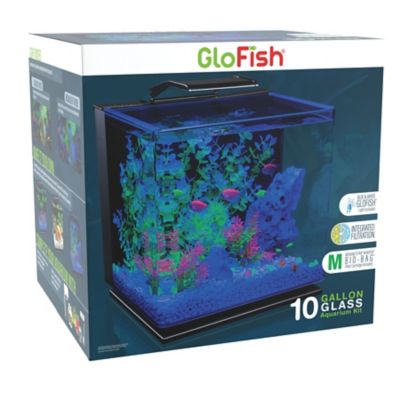
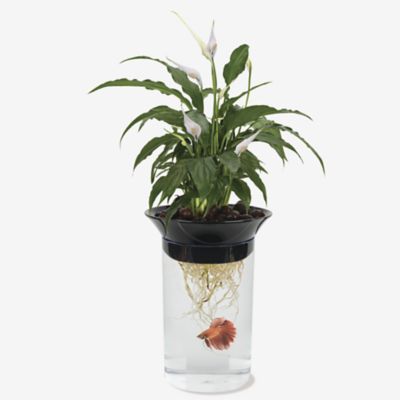
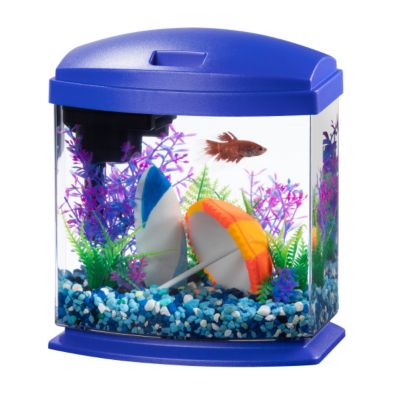
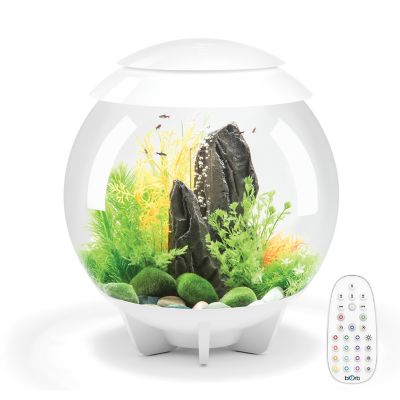
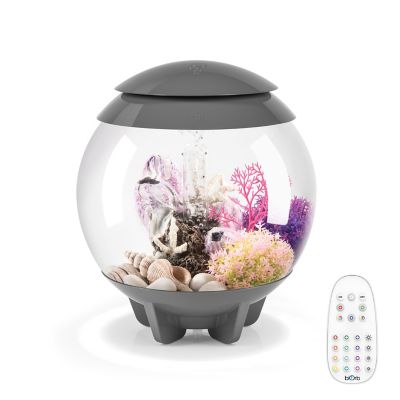
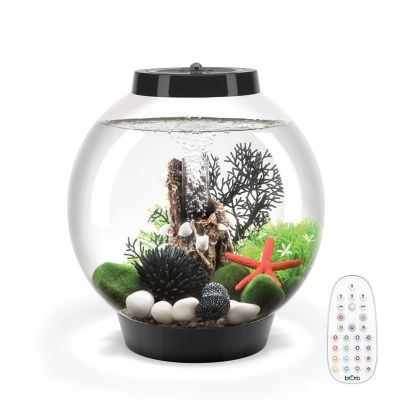
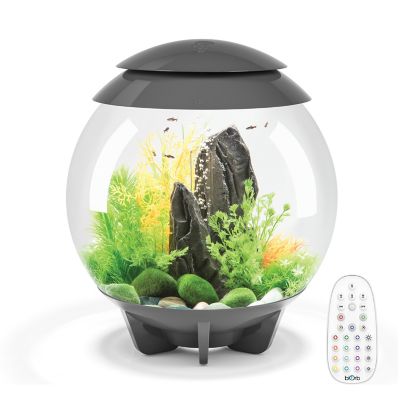
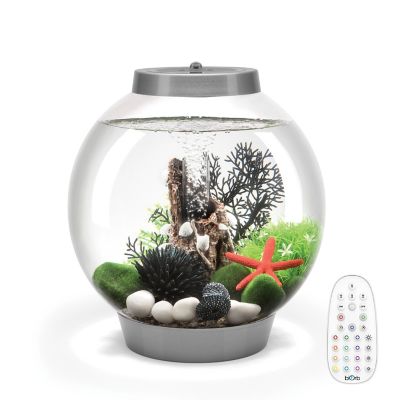
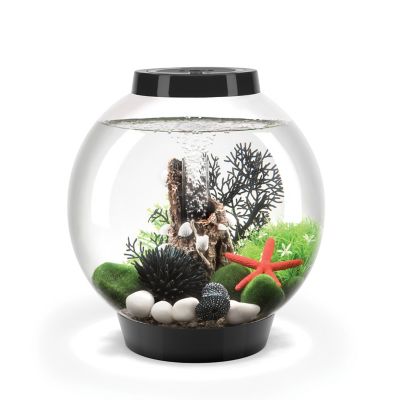
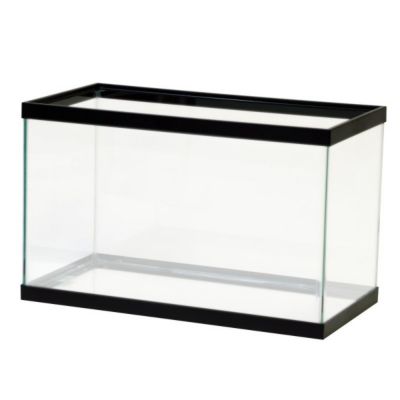
An aquarium for Valentine's Day can be a thoughtful gift for someone who enjoys fish, finds comfort in a quiet corner of the house, or wants a hobby to share with a partner. A home aquarium brings the movement and color of underwater life into everyday routines, from watching a school of fish glide past green plants to noticing a shy bottom-dweller venture out at feeding time. For a couple, that can mean a few peaceful minutes together after chores, along with the satisfaction of caring for something side by side. The gift works best when it matches the recipient's interests, available space, and willingness to keep up with feeding and maintenance. Someone already tending a tank may appreciate aquarium supplies that fit their existing setup, while a beginner needs a properly planned habitat rather than fish presented as a surprise. An empty aquarium with a card promising time together to get it ready can make the occasion feel personal without rushing the animals into an unfinished home. Think of an aquarium as a living habitat first and a room accent second. Its size and shape influence which fish can thrive, how much swimming room they have, and how easily the keeper can reach inside for cleaning. A long tank generally provides more horizontal swimming space than a tall tank with the same water capacity, though the right proportions depend on the species. A compact aquarium may fit neatly on a desk or side table, but less water leaves less room for error when feeding or maintaining water conditions. A larger aquarium can offer more stable conditions, provided the home has a suitable location and support. Matching the gift to the person matters more than choosing the smallest footprint or the boldest appearance. A well-planned setup gives a Valentine's Day present a purpose that lasts beyond the occasion, with room for the keeper's interest and experience to grow.
Materials, construction, and placement all deserve a close look when choosing an aquarium for home use. Glass offers clear viewing and generally resists scratches better than acrylic, although it can be heavy and needs careful handling. Acrylic weighs less and allows for a wider range of shapes, but its surfaces call for gentle cleaning with tools intended for that material. In either case, sound seams, a level supporting surface, and adequate support across the tank's base matter once water, substrate, and furnishings are added. A filled aquarium is much heavier than an empty one, so a stand rated for its size and weight is a better choice than assuming an ordinary piece of furniture will handle the load. Placement should leave room for filter connections, maintenance access, and safe routing of electrical cords. A spot away from direct sunlight helps limit unwanted algae growth and makes conditions easier to manage. Kitchens with cooking fumes, busy doorways, and places within easy reach of curious pets may call for another location. A snug lid can help keep jumping fish inside, but equipment openings and ventilation still need to suit the setup. Filtration, lighting, and heating should match the aquarium's water volume and the needs of its future residents. Not every fish needs heated water, and fish that prefer different conditions should not share a tank just because their colors look good together. Freshwater and saltwater aquariums also involve different equipment and care routines, so it helps to know which kind of habitat the recipient wants before choosing a gift. For many first-time keepers, a thoughtfully planned freshwater aquarium offers a manageable starting point. Compatibility goes beyond water needs: adult size, activity level, temperament, and whether a species needs companions all affect the space required. Leave room in the plan for fish to grow, rather than judging the tank by how well young fish fit on the first day.
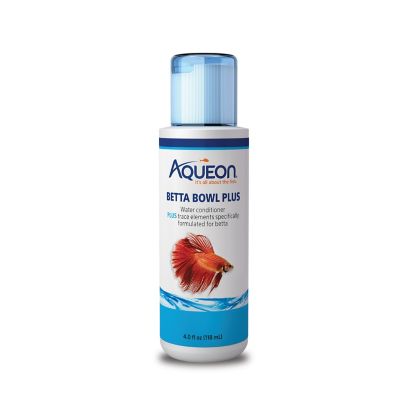
The care that follows is part of the gift, and a little preparation can turn it into an enjoyable shared routine instead of an unexpected chore. Before fish enter a new aquarium, the filter needs time to establish the beneficial bacteria that process ammonia into nitrite and then nitrate. That process, often called aquarium cycling, should be confirmed through water testing rather than by counting days or waiting for the water to look clear. Tap water generally needs a conditioner that addresses chlorine or chloramine, and replacement water should suit the animals' needs before it enters the tank. Regular partial water changes, measured feeding, and attention to filter performance help keep the habitat steady. Filter media should be maintained according to its instructions; replacing or thoroughly scrubbing everything at once can remove much of the beneficial bacterial colony. Aquarium-only cleaning tools help keep household soaps and other residues away from the water. Lighting works best on a consistent schedule, with brightness and duration chosen for the fish and any living plants. A Valentine's Day evening beside the tank can feel special without changing that routine: keep the aquarium's normal light schedule and soften the surrounding room lighting instead. Plants, hiding places, and smooth-edged furnishings can give fish shelter while creating a scene that is enjoyable to watch. Any material placed in the water needs to be aquarium-safe, and surfaces should suit the animals rather than simply catch the eye. Families may enjoy sharing feeding and observation duties, with an adult overseeing water care and equipment. Partners can divide tasks according to their schedules, making the aquarium a shared responsibility even on busy days. For someone whose interest in animals leans toward the backyard, a
Bird Bath Valentine's Day Gift offers another way to encourage everyday wildlife watching. An aquarium suits the person who would rather bring that close-up view indoors and spend time learning the habits of aquatic life. Chosen with the recipient's space and routine in mind, it can be a Valentine's Day gift that brings pleasure through ordinary moments: a peaceful feeding time, fresh plant growth, or fish settling comfortably into a well-tended home.