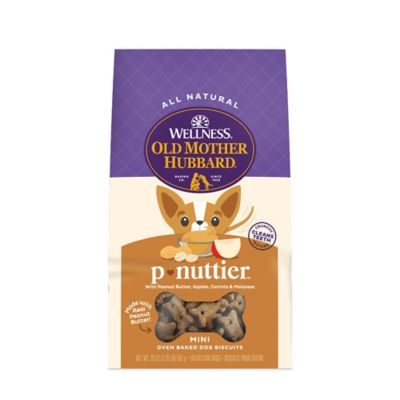
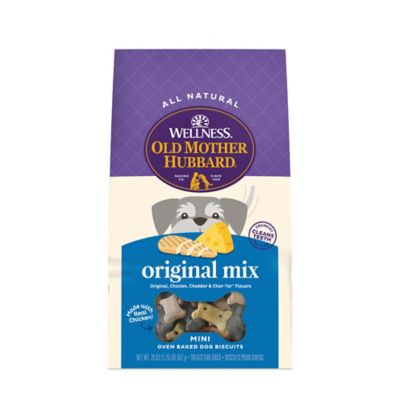
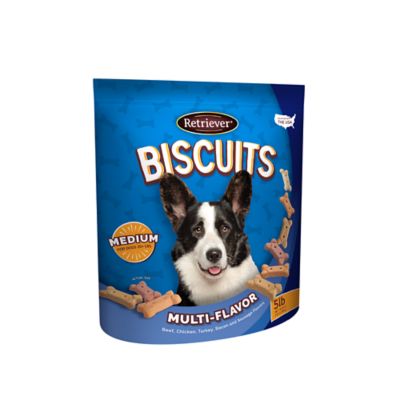
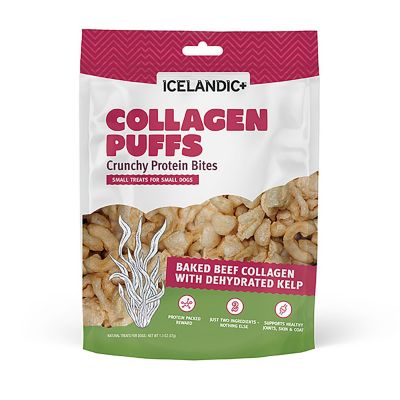
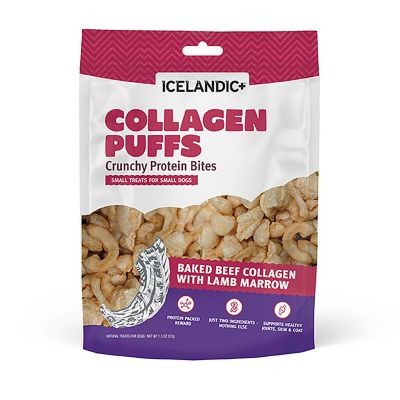
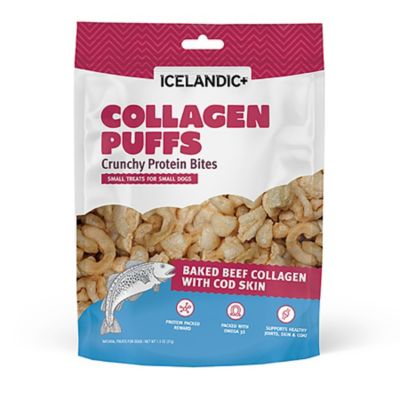
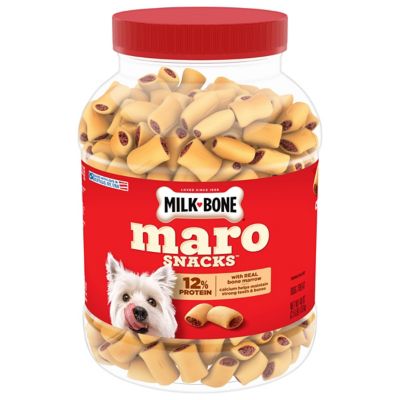
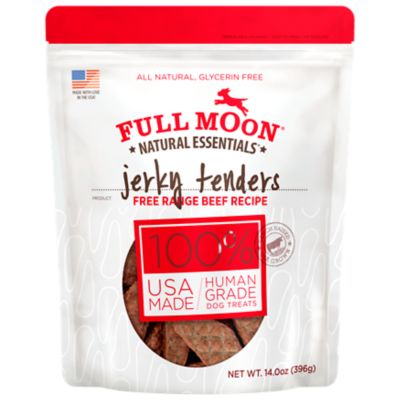
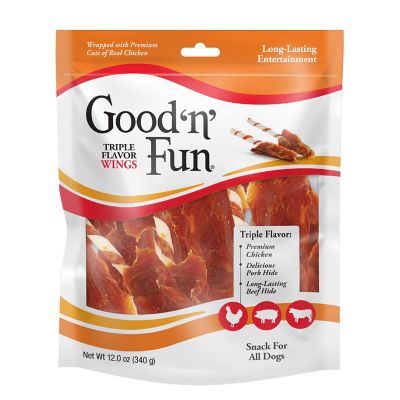
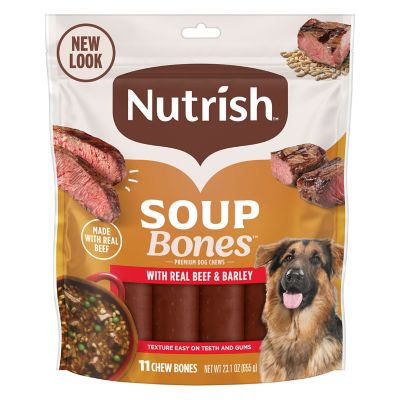
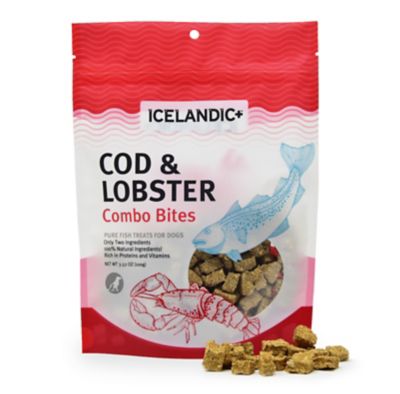
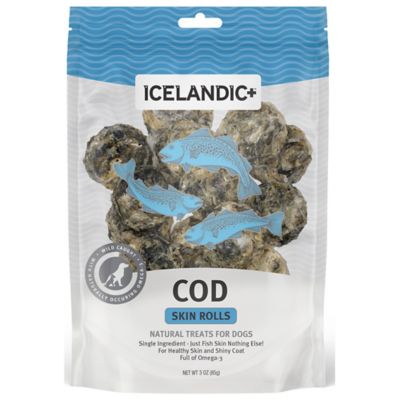
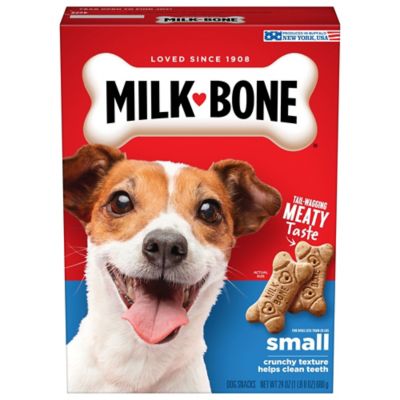
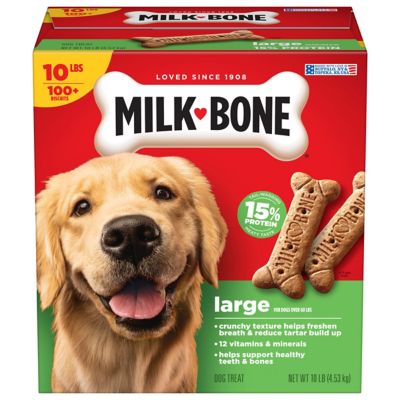
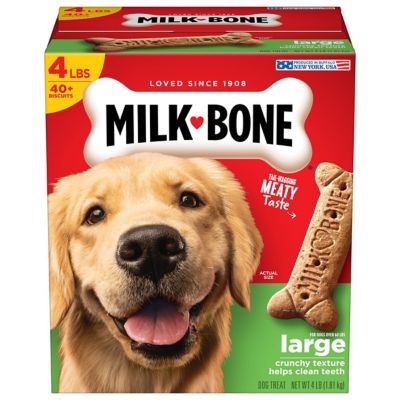
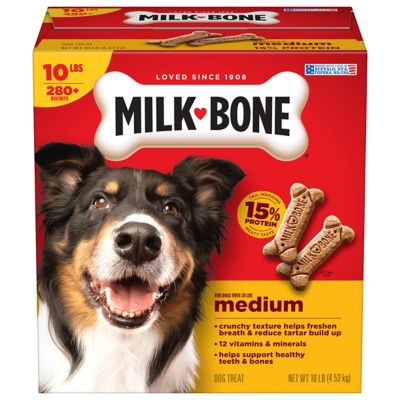
Crunchy dog treats are a simple, handy way to add a little extra enjoyment to your dog’s day. Their firm texture gives dogs something satisfying to chomp, which can make them useful as a reward after a good sit, a calm wait at the door, or a long afternoon of helping around the yard. Many dogs enjoy the sound and feel of a crisp biscuit, especially when they are looking for something to do between meals. Crunchy treats may also help scrape away some soft food residue as a dog chews, but they are not a replacement for regular toothbrushing, professional dental care, or a veterinarian’s advice. Think of them as one small part of a well-rounded routine that includes fresh water, balanced food, exercise and plenty of attention. When choosing treats, start with your dog’s size and chewing style. Small, lightweight biscuits are often a better fit for little dogs or training sessions, while larger dogs may enjoy a more substantial crunch. Dogs that gulp food instead of chewing may need smaller portions, close supervision or a different type of reward. Puppies, senior dogs and pets with missing teeth or sensitive mouths may do better with treats that are easier to break apart. Always check the package for feeding directions, calorie information and ingredients, then count treats as part of your dog’s daily food intake. A biscuit here and there can add up quickly, particularly for a small dog. Breaking larger treats into pieces is an easy way to stretch a bag and keep rewards manageable without taking away the good part.
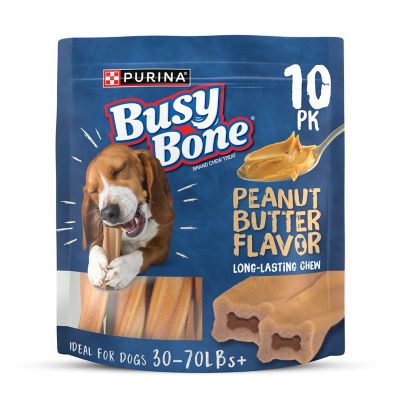
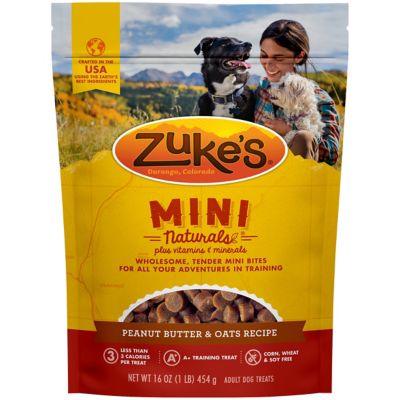
Ingredient lists deserve a close look, especially if your dog has a sensitive stomach, food allergy or a restricted diet. Common treat ingredients can include grains, meat or poultry meal, vegetables, fruit, eggs, dairy, peanut ingredients and natural or artificial flavoring. A familiar recipe may be a comfortable choice for one dog, while another may need to avoid a certain protein or grain. If your veterinarian has recommended a special diet, use that guidance when selecting snacks and introduce any new treat gradually. Keep an eye out for ingredients that are unsafe for dogs, including xylitol, which may also be listed as birch sugar, and never offer treats made with chocolate, grapes, raisins, onions or garlic. Peanut butter-flavored treats can be especially appealing to dogs, but the peanut butter must be free of xylitol and should be offered in reasonable portions because it is rich and calorie-dense. For pet parents who like that familiar flavor, browse
Peanut Butter Dog Treats alongside crunchy biscuit options. Treats can be used in plenty of everyday ways: tuck a few into a puzzle toy, keep a small container by the back door for rewarding a dog after coming inside, or carry broken pieces on a walk for practicing attention around barn sounds, squirrels and passing neighbors. They also make a thoughtful gift for a friend, family member or new dog owner. A bag of biscuits paired with a sturdy bowl, leash or toy can make a practical welcome gift for a newly adopted dog, a puppy settling into its first home or a hardworking farm dog that spends its days beside the family.
Storage matters as much as selection. Keep crunchy treats in a cool, dry place with the package sealed tightly to help preserve their texture and aroma. A covered container can keep curious noses from helping themselves, while storing treats up off the floor protects them from moisture and household pests. Wash your hands after handling treats, and clean food containers from time to time, particularly during the warmer season when heat and humidity can affect freshness. During cooler months, crunchy biscuits are convenient rewards for indoor manners, grooming practice and short training sessions when outdoor time is limited. As the weather warms, they fit easily into a treat pouch for trail walks, trips to the pond or a game of fetch in the pasture, though treats should not be left sitting in a hot vehicle or direct sun. Offer a clean, dry treat in a calm spot and supervise your dog while chewing, especially if the dog is young, elderly or known to swallow treats whole. Watch for signs of stomach upset after introducing anything new, and stop feeding the treat if your dog shows itching, vomiting, diarrhea, swelling or other unusual symptoms. With the right size, texture and ingredient profile, crunchy dog treats can become a useful little part of life with a dog—from the first reward during training to the familiar biscuit handed over after a muddy walk, a grooming session or a job well done.