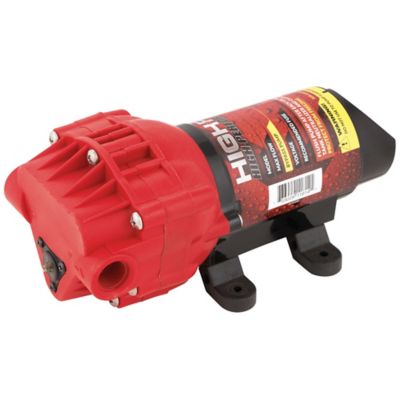
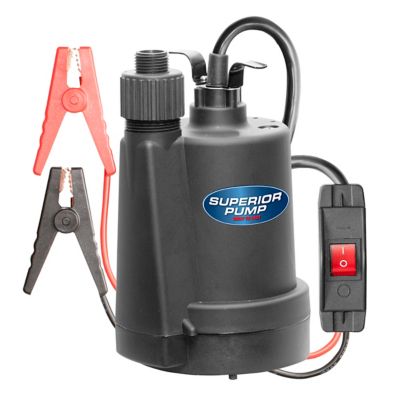
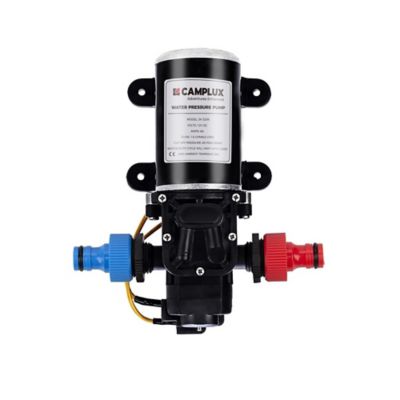
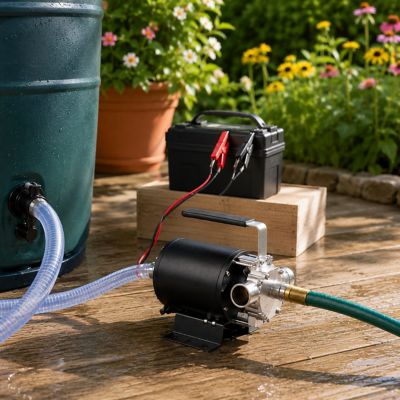
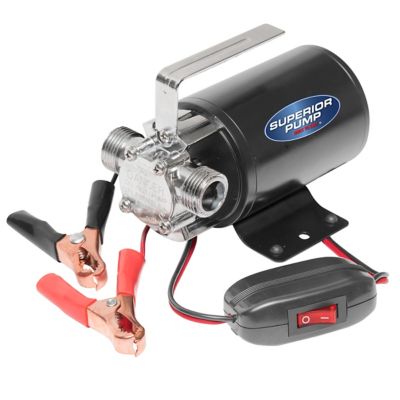
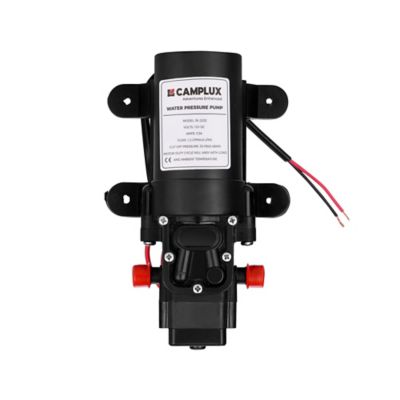
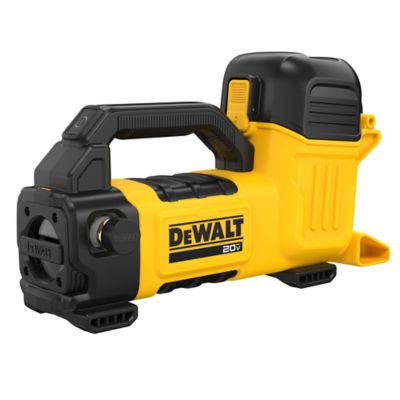
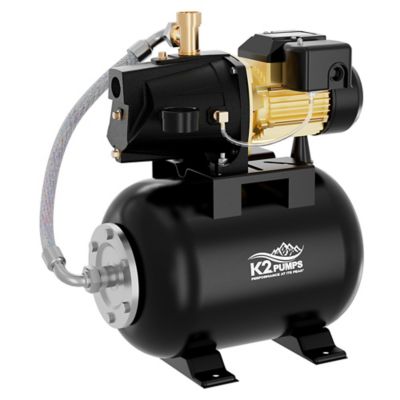
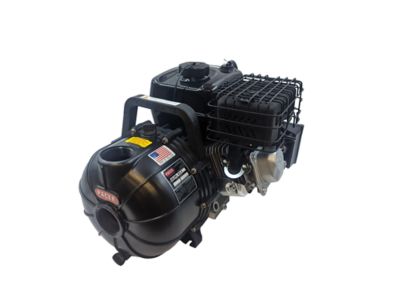
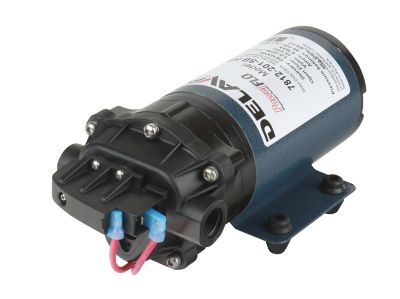
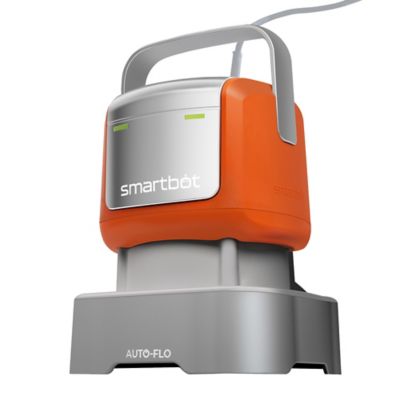
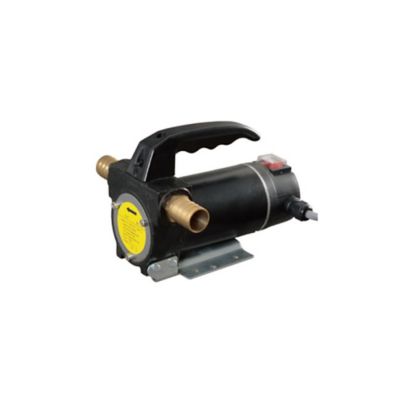
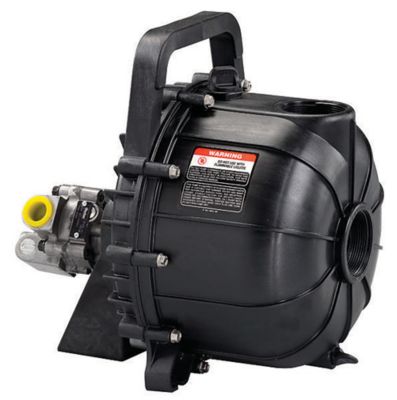
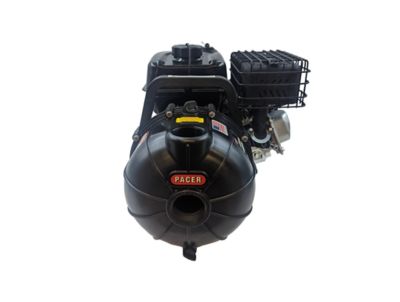
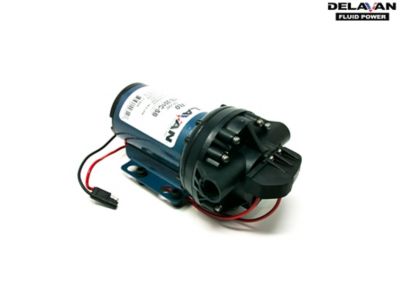
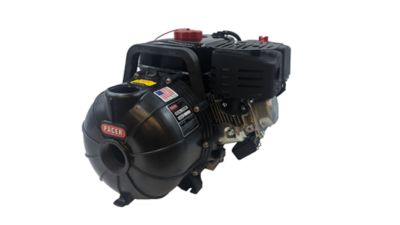
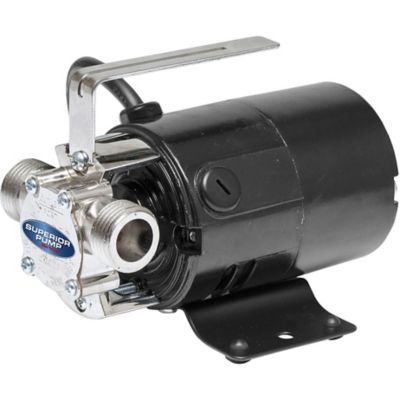
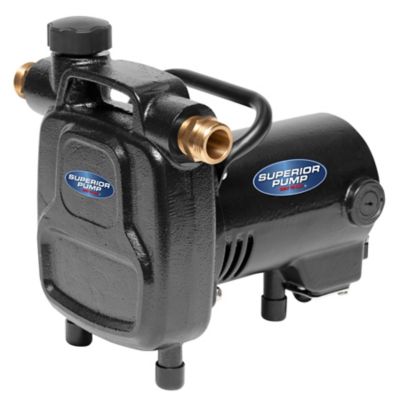
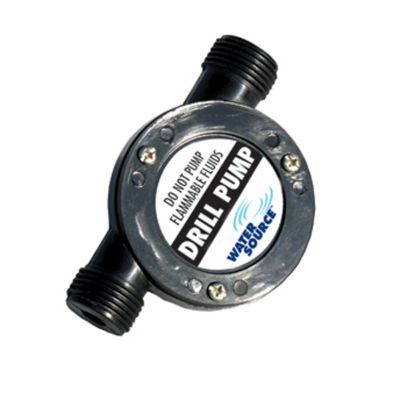
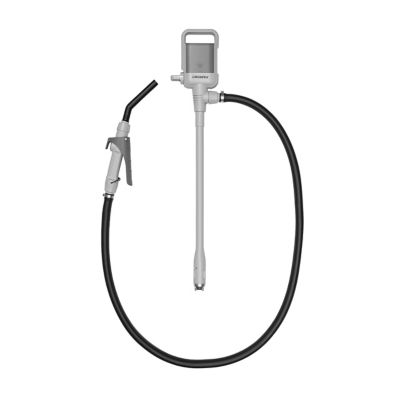
DC water pumps move water with direct-current electricity supplied by a compatible battery, solar power system, or AC-to-DC power adapter. That makes them a practical fit for chores and water systems beyond the reach of a standard wall outlet, from filling a livestock trough across the pasture to supplying a sink in a travel trailer. The category covers several different jobs: compact submersible pumps circulate water in small reservoirs, diaphragm pumps provide pressure for fixtures and hoses, transfer pumps move water between containers, and purpose-built well pumps lift water from below ground. A pump that keeps a tabletop fountain running won’t necessarily push water through a long line to a stock tank, even when both operate on the same voltage. Common DC water pump systems run on 12 or 24 volts, while smaller pumps may operate at lower voltages and larger systems may require higher ones. The pump’s rated voltage must match its power supply, and the supply needs enough current for both startup and operation. Battery-powered water pumps can suit mobile watering setups, RV water systems, and utility trailers where portability matters. Solar-powered DC pumps can serve remote livestock watering and off-grid properties, provided the panels, controller, and pump are designed to work together. Direct solar operation changes with sunlight, so some systems pair pumping equipment with water storage or a compatible battery setup. For smaller jobs,
Small Water Pumps offer a related category worth considering when space and modest water volume are the main concerns. Across these applications, the best fit comes down to the water source, the distance and height the water must travel, and whether the job calls for steady circulation, open discharge, or pressure at a faucet. Those details matter more than the size of the pump housing alone, especially when the equipment needs to fit beside a tank, beneath a sink, or inside an existing enclosure.
Flow rate, head height, and operating pressure help separate DC water pumps that look similar at a glance. Flow rate, usually expressed in gallons per minute or gallons per hour, describes how much water a pump moves under stated conditions. Head describes the energy needed to lift water and overcome resistance, commonly expressed in feet of water. Maximum flow and maximum head generally represent different ends of the performance curve, not output that happens at the same time. A pump feeding a trough uphill through a long hose will deliver less water than that same pump discharging through a short line on level ground. Hose diameter, elbows, valves, filters, and fittings all add resistance, so the useful comparison is performance at the actual working conditions. For a trailer sink or another pressurized water system, a diaphragm pump with an appropriate pressure switch can start when a fixture opens and stop when demand ends. A compatible accumulator tank may help reduce cycling and smooth delivery, depending on the setup. Submersible DC pumps sit in the water and can work well for reservoir circulation, fountains, and certain transfer jobs, but their permitted submersion depth and liquid requirements vary. An external pump stays outside the water source and may need priming before operation; self-priming capability also has a stated lift limit. Deep-well applications require equipment rated for the pumping water level and the full delivery height, rather than a general-purpose surface pump. Intake conditions deserve equal attention. Clear-water pumps are not automatically suitable for pond sediment, manure-contaminated water, or liquids containing debris. For livestock watering, an appropriate intake screen can help keep grass and other material out of the system, while its cleaning needs depend on the source. Float switches or tank-level controls can help manage filling when compatible with the pump and control circuit. A correctly matched system makes sense for the rancher maintaining a distant trough, the gardener supplying a modest irrigation setup, or the camper wanting water at a small sink without oversized equipment.
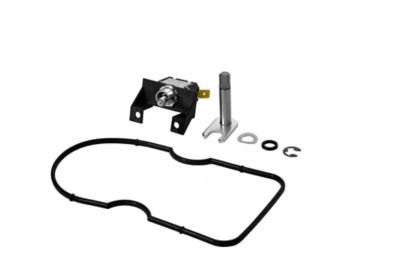
Materials and installation details play a big part in how a DC water pump holds up through everyday work. Pump housings may feature engineered plastics, stainless steel, or other metals, while internal shafts, diaphragms, and seals vary with the design. The important distinction is whether every wetted component suits the liquid and the job. Drinking-water systems need pumps and plumbing components specifically rated for potable water; a pump intended for a fountain or general transfer work should not be assumed suitable for a kitchen tap. Likewise, fertilizers, treatment solutions, and saltwater require explicit material compatibility rather than a guess based on housing appearance. Connection size and thread type need to match the plumbing, with hoses rated for the operating pressure and suction lines able to resist collapse where applicable. A secure mounting surface, suitable vibration isolation, and supported plumbing can reduce rattling and keep fittings from carrying unnecessary strain. Electrical fit matters just as much: wire size should account for current draw and cable length, connections should suit the installation environment, and circuit protection should follow the manufacturer’s requirements. A low-voltage pump still needs proper wiring, correct polarity, and a power source that can carry the load without excessive voltage drop. For battery setups, expected runtime depends on pump demand, operating time, battery capacity, and allowable discharge, not voltage alone. Continuous-duty ratings matter for circulation, while intermittent-duty pumps need operation that stays within their stated limits. Routine care usually centers on keeping the intake clear, checking hoses and seals for leaks, and cleaning filters before restricted flow makes the pump work harder. Dry-running protection is worth checking, since many pumps can suffer damage without water even if they briefly continue turning. Accessible strainers, serviceable connections, and room to reach mounting hardware make upkeep easier when the pump is tucked beside a trailer tank or attached to a portable watering rig. With the right match of power, plumbing, and operating range, DC water pumps can handle everyday water movement without tying every task to an outlet.