Cyber Monday Savings On Women's Outdoor Jackets
Shop Cyber Monday savings on women’s outdoor jackets at Tractor Supply with your cold-weather routine in mind. Browse for an outer layer that suits chores or everyday outings, and compare fit, materials and room for layering to find the right match for your day.
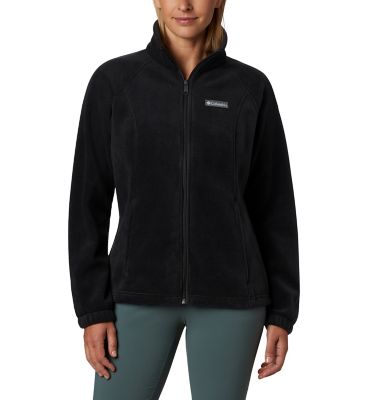
$48
.75
Sale Was $65.00 Save $16.25 (25%)
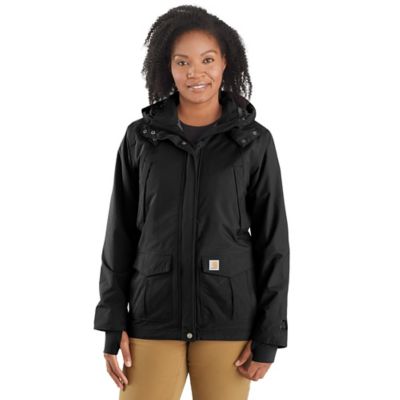
$90
.99
Sale Was $129.99 Save $39.00 (30%)
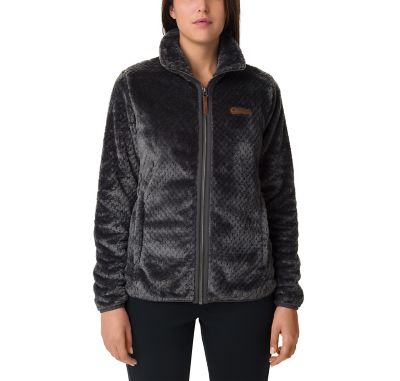
$48
.99
Sale Was $69.99 Save $21.00 (30%)
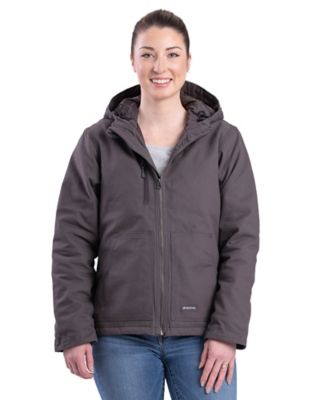
$71
.99
Sale Was $79.99 Save $8.00 (10%)

$80
.99
Sale Was $89.99 Save $9.00 (10%)
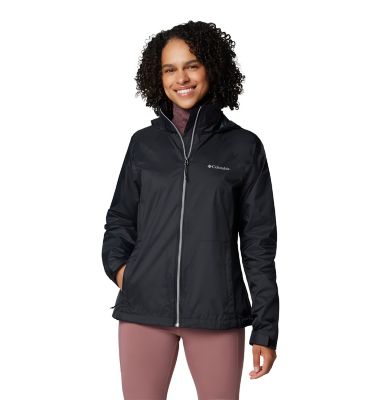
$52
.50
Sale Was $70.00 Save $17.50 (25%)
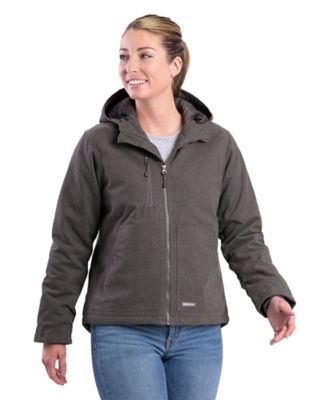
$85
.49
Sale Was $94.99 Save $9.50 (10%)
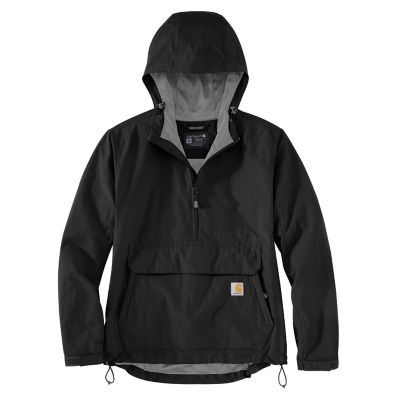
$40
.00
Sale Was $79.99 Save $39.99 (50%)
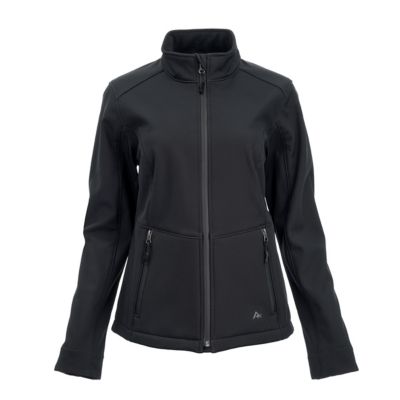
$48
.99
Sale Was $69.99 Save $21.00 (30%)
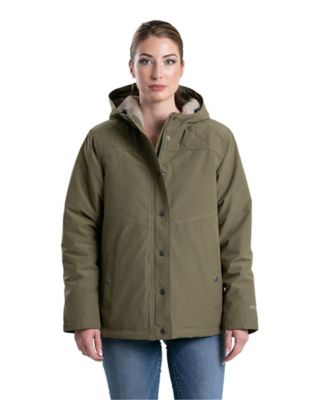
$85
.49
Sale Was $94.99 Save $9.50 (10%)
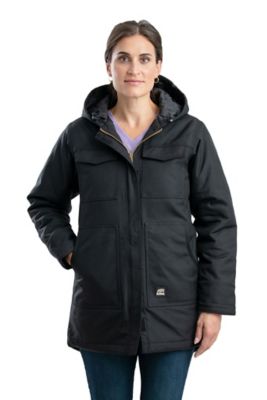
$130
.49
Sale Was $144.99 Save $14.50 (10%)
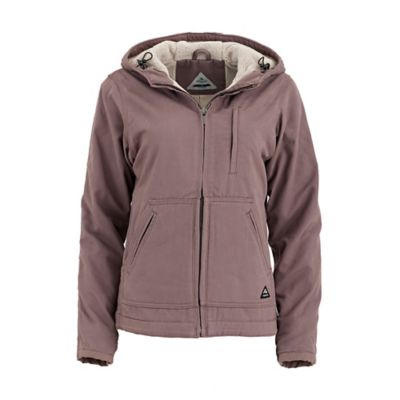
$69
.99
Sale Was $99.99 Save $30.00 (30%)
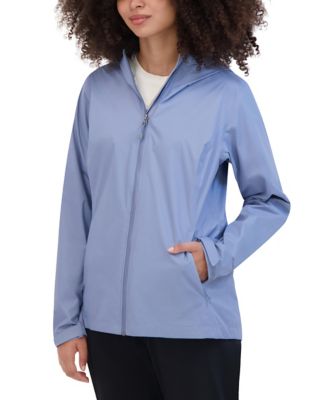
$30
.00
Sale Was $59.99 Save $29.99 (50%)
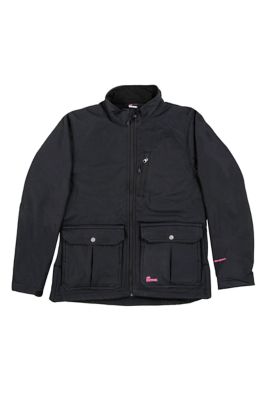
$71
.99
Sale Was $79.99 Save $8.00 (10%)
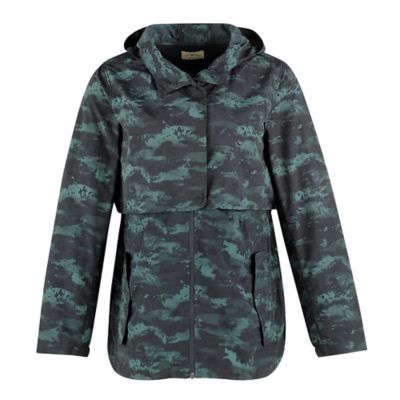
$31
.49
Sale Was $44.99 Save $13.50 (30%)

$85
.49
Sale Was $94.99 Save $9.50 (10%)

$71
.99
Sale Was $79.99 Save $8.00 (10%)

$76
.49
Sale Was $84.99 Save $8.50 (10%)
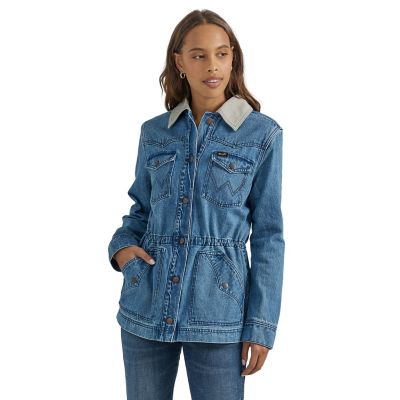
$50
.00
Sale Was $99.99 Save $49.99 (50%)

$80
.99
Sale Was $89.99 Save $9.00 (10%)
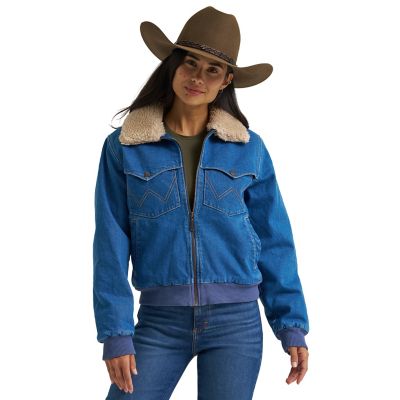
$116
.99
Sale Was $129.99 Save $13.00 (10%)

$30
.00
Sale Was $59.99 Save $29.99 (50%)
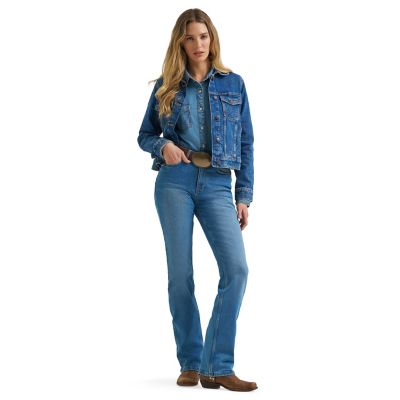
$62
.99
Sale Was $69.99 Save $7.00 (10%)
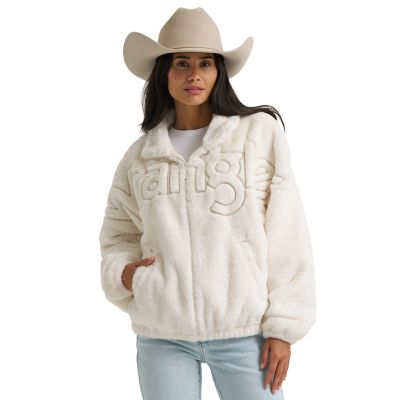
$89
.99
Sale Was $99.99 Save $10.00 (10%)
Best Of FAQ
What styles of women's outdoor jackets should I look for on Cyber Monday?
Common styles include quilted jackets, fleece jackets, canvas work jackets, softshells and parkas. Start with the look you like, whether that's a classic workwear cut or a sporty zip-front style.
What fabrics are common in women's outdoor jackets?
Cotton canvas, polyester, nylon and fleece are common choices. Some jackets combine fabrics, such as a canvas outer shell with a flannel lining, so check the material details for both the outside and inside.
What hood styles do women's outdoor jackets have?
Hoods may be attached, removable or designed to tuck into the collar. Some have drawcords or a fleece lining, while hoodless jackets often feature stand-up, fold-down or shirt-style collars.
How can I pair a women's outdoor jacket with everyday clothes?
A canvas jacket pairs naturally with jeans, a flannel shirt and work boots. For a more laid-back outfit, try a quilted or fleece jacket with a crewneck sweatshirt, straight-leg pants and casual boots.
How should I wash a women's outdoor jacket?
Check the care label first, since cleaning directions vary by fabric, lining and insulation. Follow its washing and drying directions, empty the pockets and skip any laundry additives the label advises against.
Best Sellers

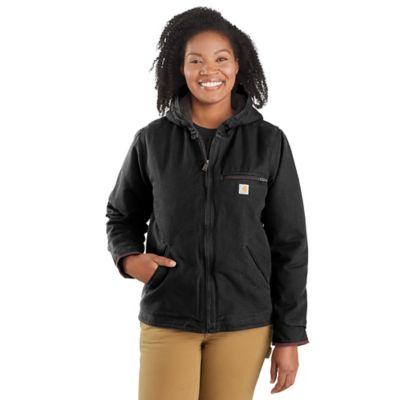
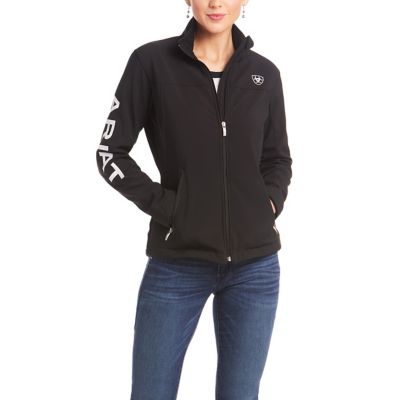
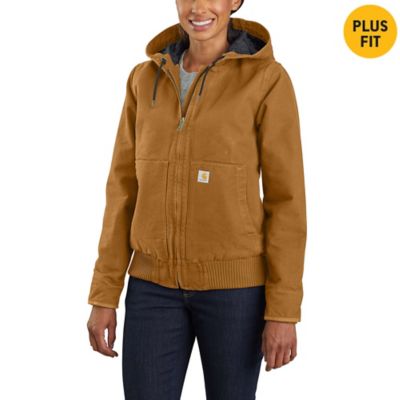
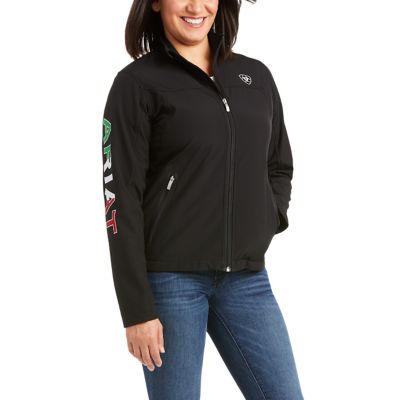
-
"I absolutely love the colors"
-
"Love these. Warm and comfy. The zipper on the legs are the best part"
-
"Bought these a few weks ago, tried on, fit and feel great, large i'm 5'10 170"
-
"Love it"
-
"Love this for ranching! Love it more than my other rain defenders and warm"