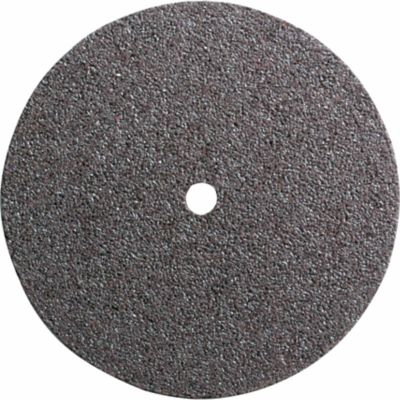
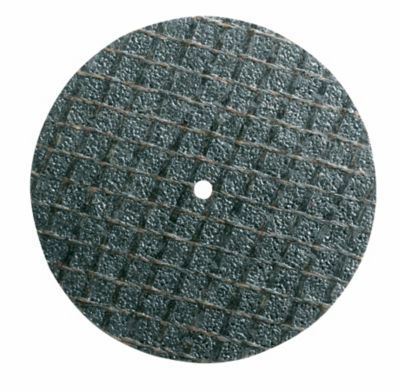
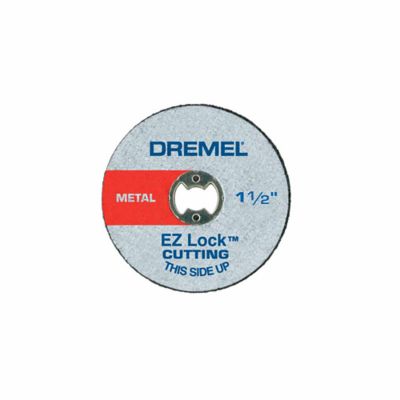
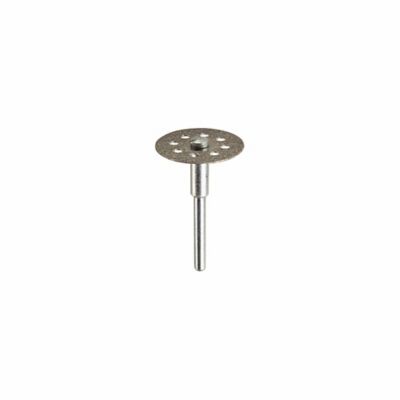
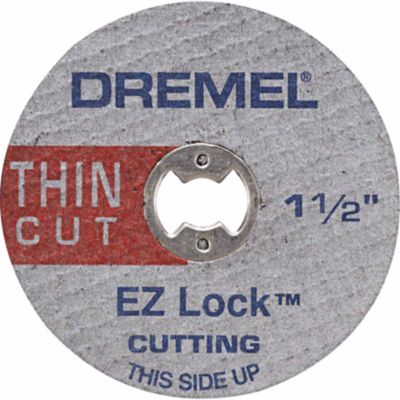
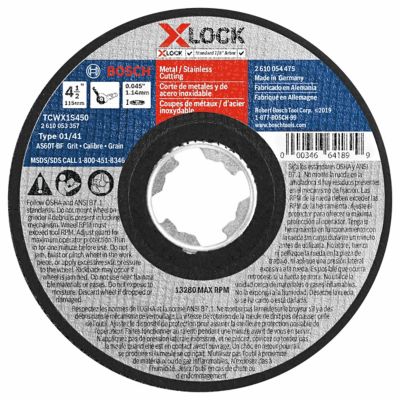
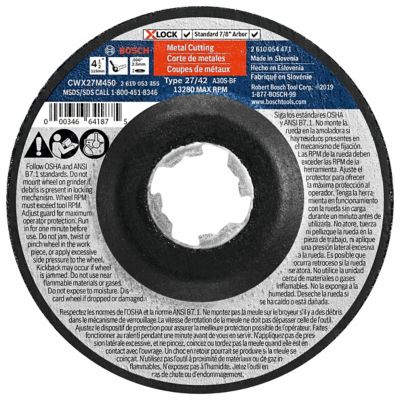
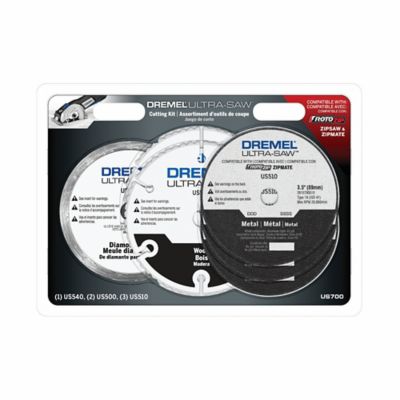
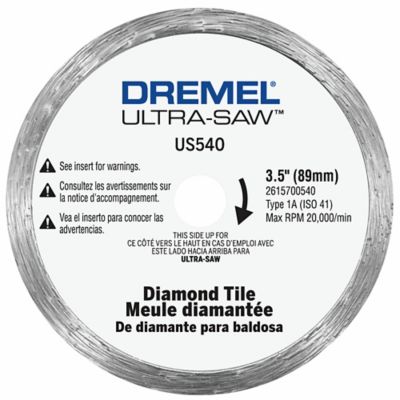
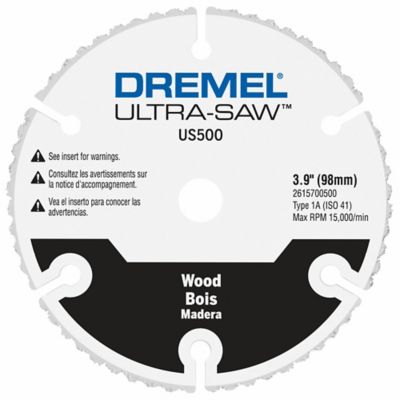
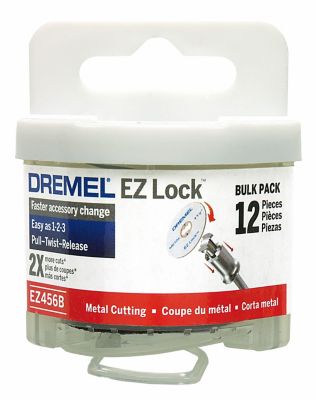
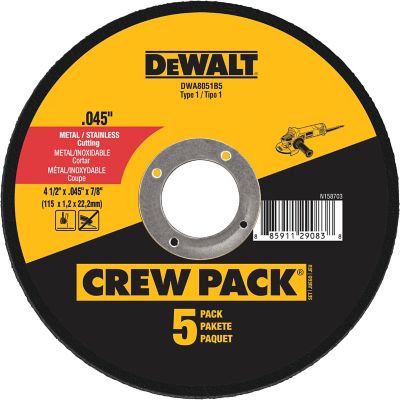
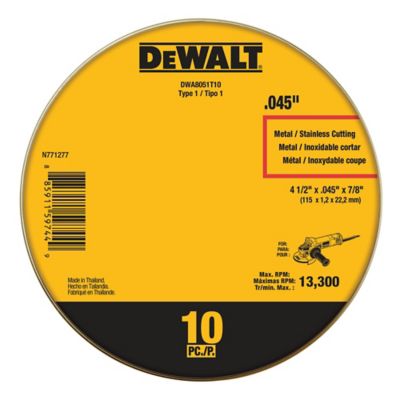
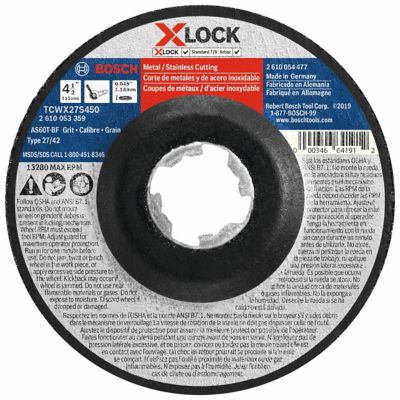
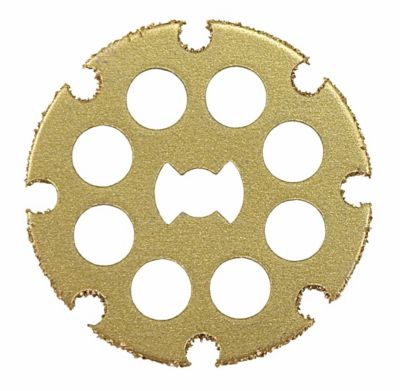
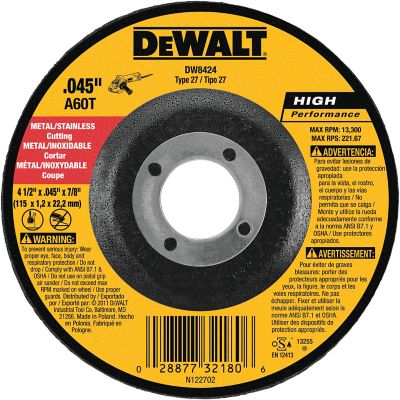
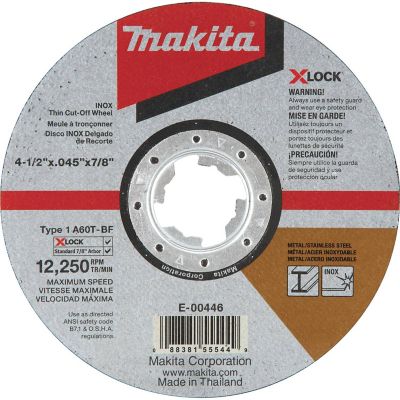
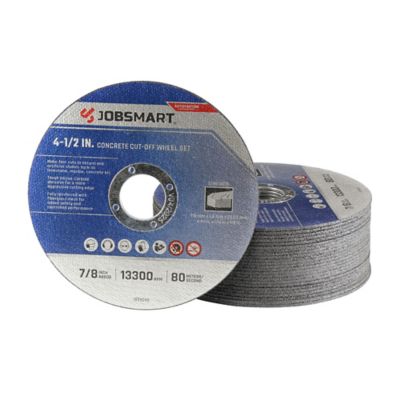
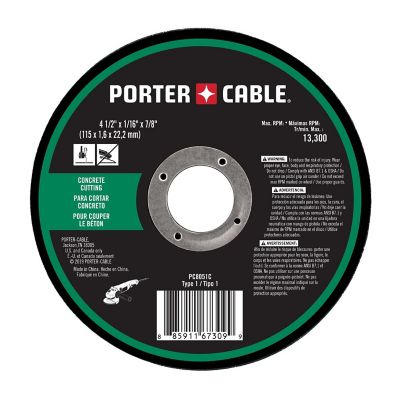
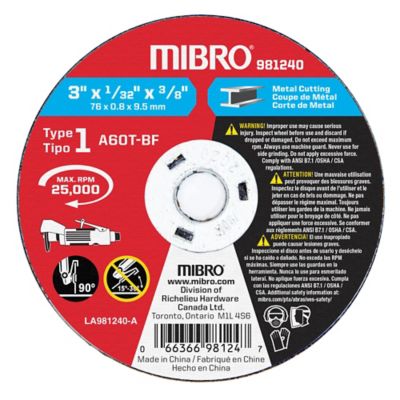
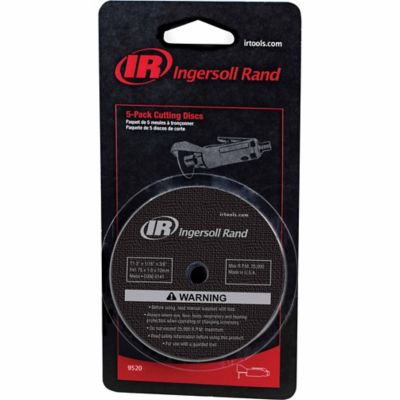
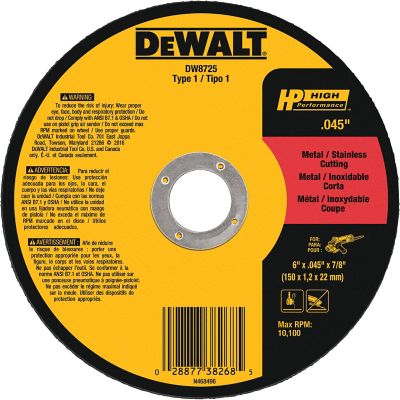
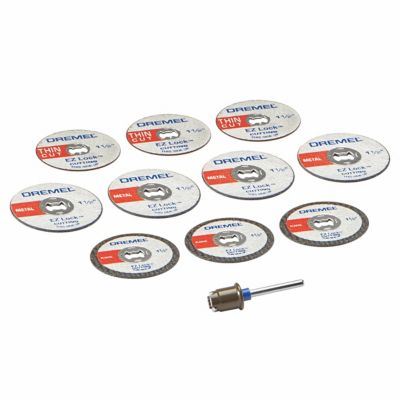
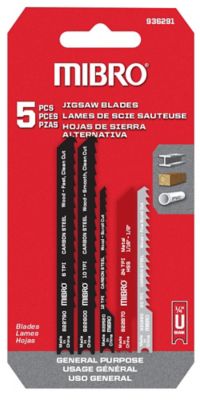
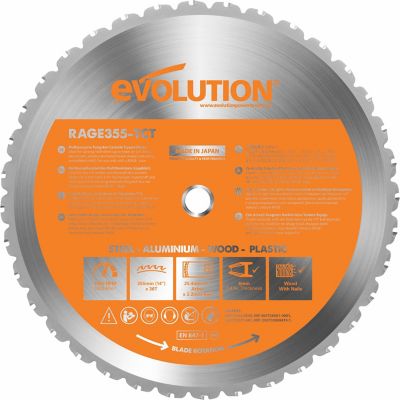
Cutting wheels are thin, circular discs that fit compatible power tools to make narrow cuts through metal, masonry, tile and other hard materials. They cut along the edge rather than removing material across the face like a grinding wheel, making them a practical choice for trimming threaded rod, shortening steel tubing or cutting a bracket to length before welding. Around a farm shop, garage or repair bench, the right wheel helps turn a full-length piece of stock into parts that fit the job. Construction crews, welders, maintenance workers and folks tackling repairs at home all have reasons to keep suitable cutting discs close at hand. The biggest distinction starts with the material being cut. Aluminum oxide is common in bonded abrasive wheels intended for steel and other ferrous metals, while zirconia blends appear in wheels made for demanding metal-cutting work. Silicon carbide appears in wheels rated for materials such as masonry, and diamond-edged designs serve applications such as concrete, brick and tile. These categories are not interchangeable, so the material designation on the wheel matters more than its appearance. A disc suited to mild steel may not be the right choice for stainless steel, aluminum or a concrete paver. Stainless steel work can call for wheels formulated to limit contaminants that may affect the finished surface. Aluminum and other soft nonferrous metals need a wheel specifically rated for the task, since material buildup can interfere with cutting. For diamond wheels, rim design also affects the intended application and finish; continuous rims often suit tile work, while segmented designs commonly serve masonry applications. Wet- or dry-cutting approval is another important distinction. Whether the project involves a gate repair, a new shop fixture or a small fabrication job, matching the wheel to the material lays the groundwork for cleaner edges and less follow-up work.
Tool fit matters just as much as the abrasive. Cutting wheels come in sizes for compact rotary tools, handheld angle grinders and stationary cut-off saws, with different mounting arrangements and operating limits. Common angle grinder diameters include 4-1/2, 5 and 6 inches, while some stationary metal-cutting saws take much larger wheels, including 14-inch sizes. Diameter alone does not establish compatibility: arbor size, wheel shape, flange requirements, guard clearance and the tool manufacturer's specifications all count. For handheld work,
Angle Grinder Cut Off Wheels provide a focused category for comparing discs against the requirements of a compatible grinder. A wheel's maximum RPM rating must meet or exceed the tool's maximum spindle speed. A wheel with a lower speed rating is not a suitable match, even if its center opening fits the spindle. Likewise, fitting an oversized wheel or removing a guard to gain cutting depth creates a hazard rather than a better setup. Wheel thickness influences the feel and result of the cut. Many thin metal-cutting discs measure roughly 0.040 to 1/16 inch thick, although dimensions vary across applications. A thinner wheel generally leaves a narrower kerf, the slot created as material is removed, which can help conserve stock and reduce the amount of metal lost along a marked line. Thicker cutting wheels may suit other workloads, but thickness does not make a cutting disc suitable for side grinding. Flat and depressed-center designs also require the correct tool, flanges and guard arrangement. For a fence rail or piece of angle iron, the wheel's rated application and usable cutting depth matter more than choosing the largest diameter possible. Working room deserves attention, too: a cut made on an open bench presents different clearance needs than trimming a fastener near a frame. Good fit comes from considering the whole setup, not just the disc.
Wheel life depends on the material, cross section, tool condition and how the cut is made. Thin-wall tubing puts different demands on a disc than solid bar, and repeated cuts through heavy stock can wear an abrasive wheel faster than occasional trimming. Fiberglass reinforcement helps support many bonded abrasive wheels, but it does not protect them from every impact, pinch or twisting load. A straight cutting path, secure work support and steady pressure help the wheel cut without unnecessary strain. Forcing the tool, rocking the disc sideways or allowing the closing cut to trap it can damage the wheel and increase kickback risk. A cutting wheel is not a substitute for a grinding disc when a weld needs dressing or an edge needs reshaping. Care between jobs matters as well. Bonded wheels belong in dry storage where they will not be bent, knocked around or buried beneath heavy tools. Cracks, chips, damaged mounting holes or signs of moisture exposure are reasons to take a wheel out of service; manufacturer shelf-life guidance and any marked expiration date also deserve attention. Power should be disconnected, or the battery removed, before wheel changes, with mounting hardware installed according to the tool and wheel instructions. During cutting, the proper guard, safety glasses, a face shield, hearing protection and task-appropriate protective clothing belong with the setup. Masonry and tile dust may contain crystalline silica, making suitable dust controls and respiratory protection important considerations. Sparks from metal cutting also need a clear path away from fuel, hay, bedding and other combustible material, especially around a busy farm shop. A sound cutting wheel, a compatible tool and a well-supported workpiece help keep everyday repair and fabrication work focused on the cut itself, whether that means trimming a replacement hinge plate or sizing stock for the next welding job.