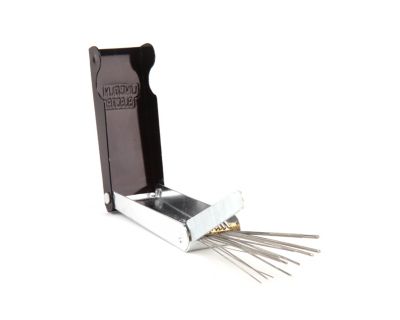
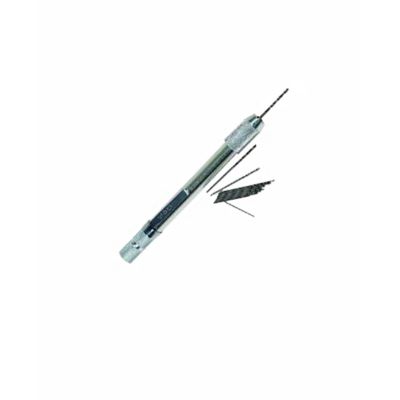
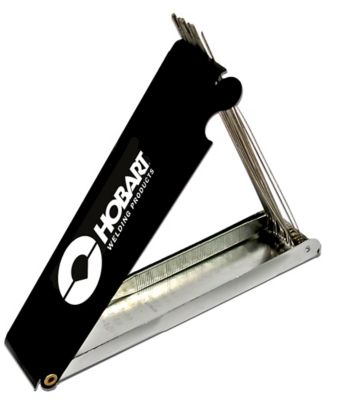
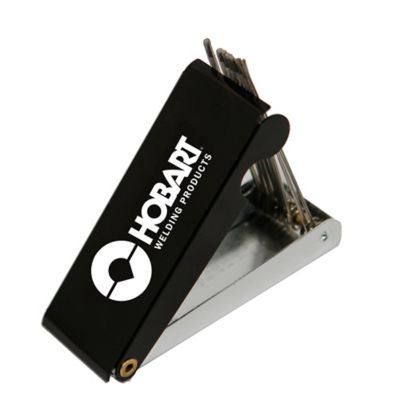
Cutting torch tip cleaners are small, handy tools made for keeping oxy-fuel torch tips open, clean and ready for an even flame. Most are pocket-sized kits with several thin stainless steel wires, reamers or files in different sizes, often stored in a slim metal case that can ride in a toolbox, welding cart or work-truck compartment. As a torch is used, carbon, soot, slag and other bits of burned material can collect around the small gas openings. Even a little buildup may disturb the gas flow, causing a sputtering flame, uneven heating or a cut that wanders instead of following the line. A tip cleaner gives welders, fabricators, mechanics, farmers and do-it-yourself repair folks a simple way to clear that debris without reaching for a nail, drill bit or other makeshift tool that could damage the orifice. When choosing a cleaner, look for a range of sizes that matches the torch tips in your shop, durable wires that resist bending, and a compact case that keeps the fine tools together. A flat file is also useful for gently cleaning the face of a tip where spatter and scale can collect. Some people keep one kit beside the torch for everyday maintenance and another in a mobile welding box for fence repairs, equipment fixes and jobs around the farm. These tools can also make a practical gift for someone setting up a new welding area, taking a metalworking class or building a better-maintained collection of shop essentials. They do not take up much room, cost less than replacing a neglected tip and can help protect the larger investment already made in a torch outfit. For related cutting and fabrication work, shoppers may also find useful options in
Cutting Blades, depending on the equipment and material being handled.
Safe use starts before the cleaner ever touches the torch. Shut off the oxygen and fuel-gas supplies, bleed pressure from the torch and hoses according to the equipment instructions, and allow the tip to cool completely. Work in a well-ventilated area away from sparks, flames, combustible materials and pressurized gas hazards. Once the tip is cool and removed or positioned as recommended by the manufacturer, inspect the openings for visible carbon or slag. Select a wire or reamer that is slightly smaller than the orifice. It should slide in smoothly without force; the goal is to loosen contamination, not enlarge the precisely made hole. Hold the cleaner straight and move it gently back and forth, using a light touch rather than twisting, prying or bending the wire inside the opening. If debris remains, step up only to the next size that enters freely. Never force a cleaner through a plugged port, and do not use oversized wires, drill bits or hardened objects that can distort the tip and change the fuel-and-oxygen mixture. A flat file can be used carefully across the end face to remove spatter and flatten raised deposits, but avoid grinding away the tip material or changing its shape. After cleaning, inspect the orifices and seating surfaces, then follow the torch maker’s instructions for reinstalling the tip, checking connections and testing for leaks. A clean tip should produce the proper flame pattern for the job; a flame that still pops, flashes back, burns unevenly or will not adjust correctly may indicate a damaged tip, a blockage deeper in the torch, incorrect gas pressure or another issue that calls for qualified service. Cleaning tools are intended for maintenance, not for correcting unsafe equipment. Keep the case closed when not in use so grit does not dull the wires, and replace cleaners that become bent, burred or too short to hold securely.
The right cutting torch tip cleaner is most useful when it fits the work habits and equipment already in place. Before ordering, compare the cleaner’s size range with the tip sizes used for light sheet metal, heavier plate, repair work or farm maintenance. A kit with many graduated sizes offers more flexibility when several torches are used, while a smaller set may be a better fit for a homeowner who keeps one torch outfit for occasional repairs. Stainless steel wires are a solid choice for repeated shop use, and a metal storage tube or case helps prevent the fine reamers from disappearing beneath rags, bolts and welding gloves. Check that the handles are easy to grip with work-worn hands and that the wires are secured well enough to stay in place during gentle cleaning. Keeping the cleaner with the torch helps make tip care part of the normal routine: after a cutting job, let everything cool, inspect the tip, brush away loose residue and clean the ports before storing the equipment. That habit can be especially helpful during the busy stretch of late summer and fall, when folks are repairing gates, mending trailers, preparing machinery for cooler weather or finishing fabrication projects before outdoor work slows down. Tip cleaners are useful for experienced welders, agricultural mechanics, maintenance crews, metal artists, vocational students and anyone learning how to care for oxy-fuel equipment. They are also a sensible add-on for a welding helmet, torch handle, hose set or tool chest gift, giving a new user a maintenance item that often gets overlooked until a flame starts acting up. Store the kit in a dry place, wipe away oil and grit, and keep it separate from loose fasteners that can bend the wires. With the correct size, a steady hand and careful attention to gas safety, a compact cutting torch tip cleaner can help keep torch openings clear, support more consistent performance and extend the useful life of serviceable tips.