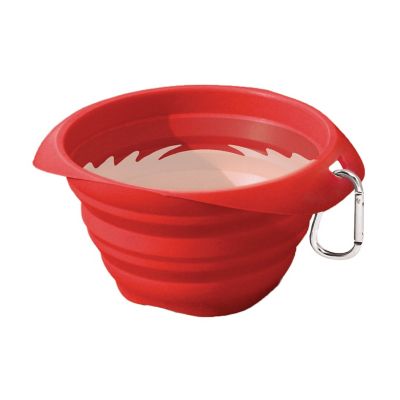
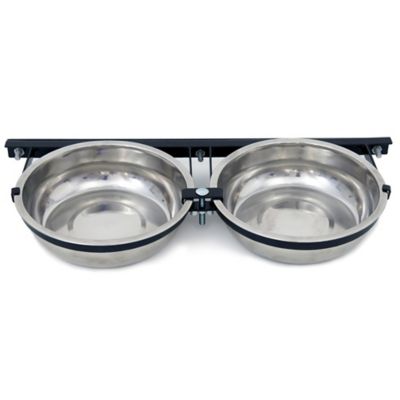
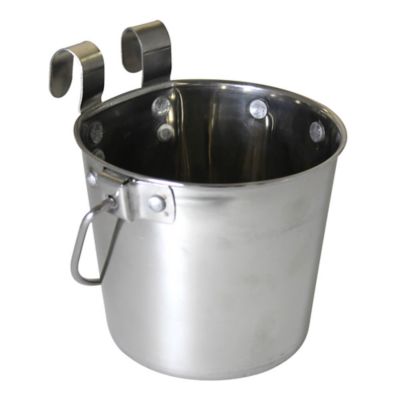
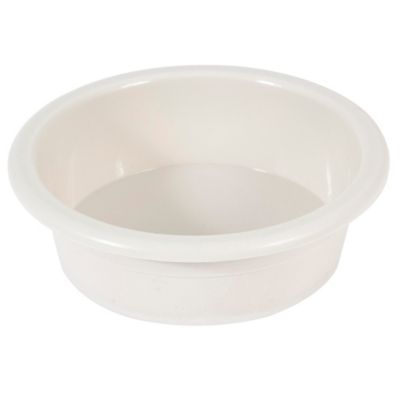
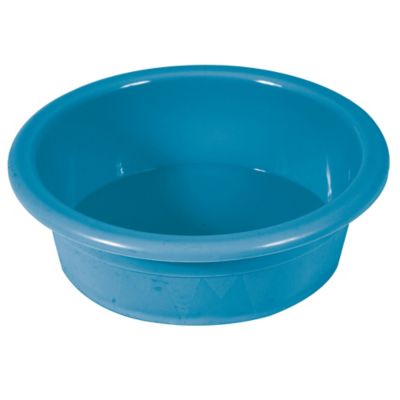
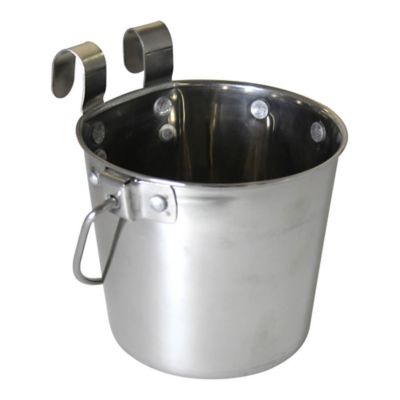
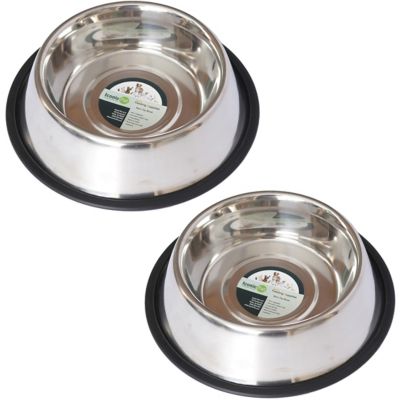
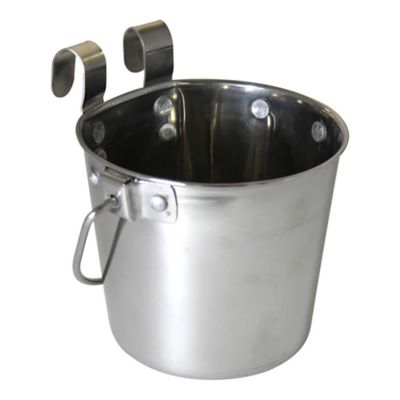
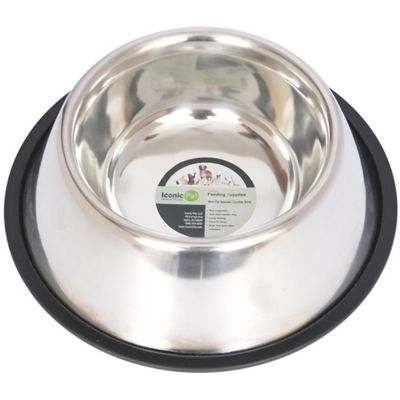
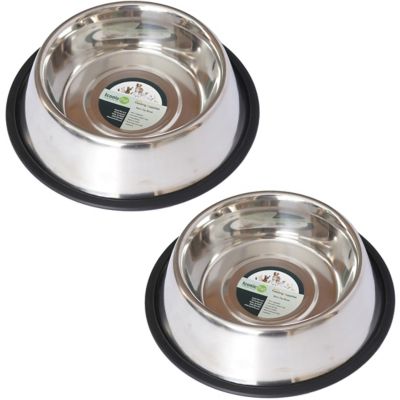
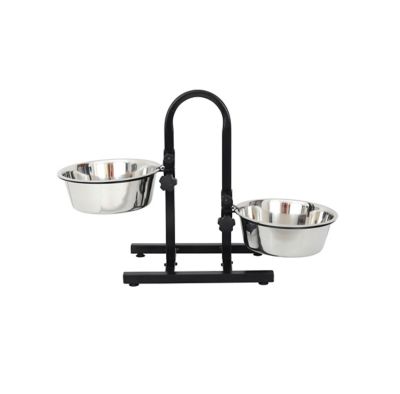
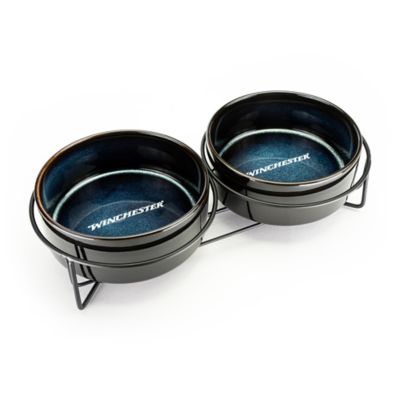
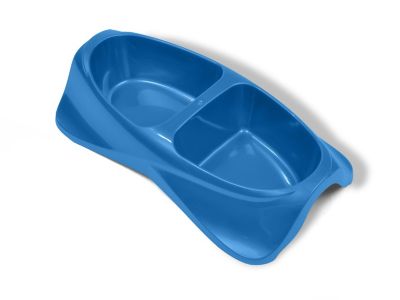
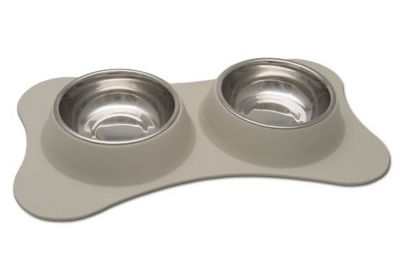
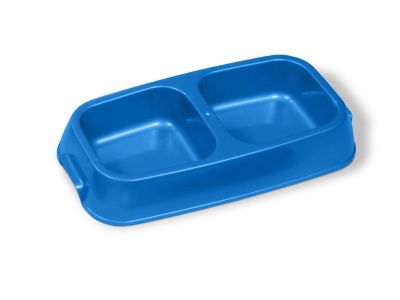
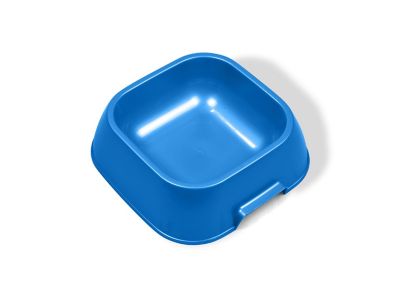
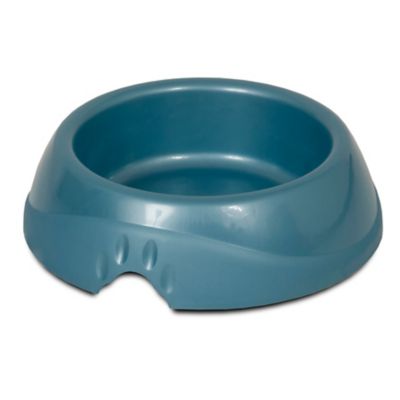
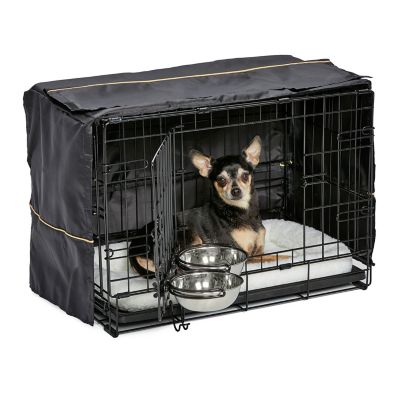
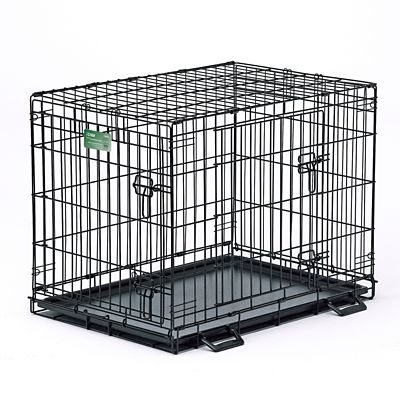
Crate food bowls for dogs keep meals within easy reach while helping leave the crate floor clear for resting and stretching out. An attachable bowl fastens to compatible crate bars with a bracket, clamp, or locking mount, giving the dish a steadier home than a loose bowl that can slide beneath a paw. That setup can make a difference for a puppy that steps into supper, a dog that noses an empty dish across the floor, or a busy household where feeding happens alongside chores. A secure mount helps limit tipping, but the fit between the bowl, its holder, and the crate matters more than any single attachment style. Screw-on clamps generally tighten against the bars, while twist-lock designs secure the bowl to a bracket that stays in place. Other holders support a removable insert, so the dish can come out for washing without taking apart the whole assembly. Not every mount fits every kennel: wire spacing, bar thickness, and the direction of the wires can all affect attachment. Solid-sided kennels require a bowl and mounting location specifically suited to their construction rather than an attachment meant only for open wire panels. The bowl’s position also needs to leave the door, latch, and hinges free to work without interference. For a dog that eats in a crate as part of an established routine, a well-matched dish creates a consistent feeding spot without taking over the sleeping area. It can also help keep separate meals organized in a home with several dogs, provided each dog has an appropriate space and supervision. A mounted bowl is a feeding accessory, not a reason to extend crate time. Its everyday value is straightforward: less movement at mealtime, easier access for refilling, and a layout that keeps food away from bedding when the crate has enough room. Bowls intended for both food and water can serve either purpose according to their design, though separate dishes make it easier to keep drinking water clear of kibble and meal residue.
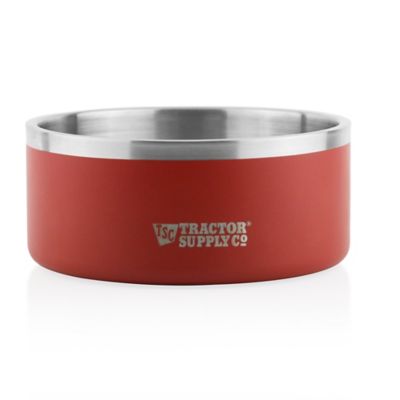
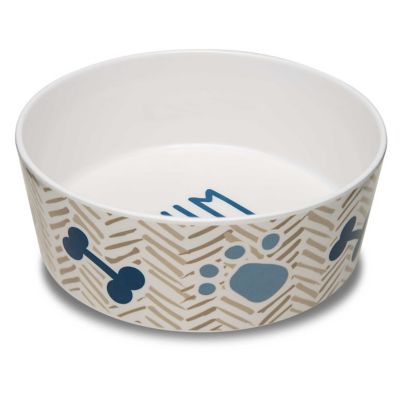
Material and construction shape how a crate bowl handles daily meals, washing, and the occasional bump from an eager nose. Stainless steel is a common choice because its smooth, nonporous surface cleans readily and resists rust with proper care. A removable steel insert is especially convenient when dinner includes wet food or softened kibble, since the eating surface can go straight to the sink while the support ring stays attached. Plastic bowls and crocks offer a lighter option, with molded shapes that may incorporate the locking connection directly into the dish. Their condition deserves regular attention, particularly with dogs that mouth the rim or scratch at the bottom. Deep grooves, cracks, or rough edges can hold food residue or signal that a bowl needs replacing. Metal dishes also need checks for bent rims, corrosion, or damage around the attachment point; no material takes the place of a sound mounting system. A sturdy bracket should hold the filled bowl without sagging, shifting, or leaving hardware where the dog can easily chew it. Rounded edges and a smooth interior help make everyday feeding and cleanup simpler. Bowl capacity is another practical detail, but the listed volume does not tell the whole story. A dish filled to the brim leaves little room for a dog’s muzzle and makes spills more likely, especially with water. Interior width and depth matter alongside capacity: a broad muzzle needs room to reach the food, while a small dog may struggle with a deep crock even when the portion fits. Long ears can brush against the contents of a wide dish, making bowl shape worth considering as well. The outside dimensions matter inside the crate, too. A large attachment may hold plenty of food but crowd the space a dog needs to turn around and lie comfortably. Mounting height should allow an easy, natural eating position without stretching upward or reaching awkwardly around the rim. Raising a bowl is not automatically a health benefit; dogs with medical feeding needs should have their setup matched to veterinary advice.
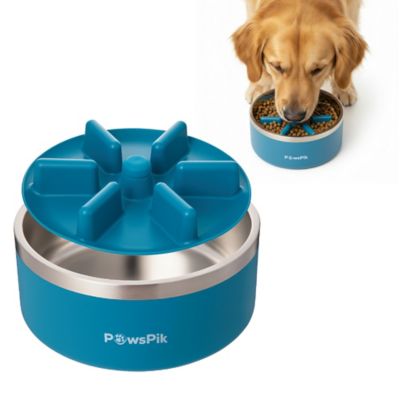
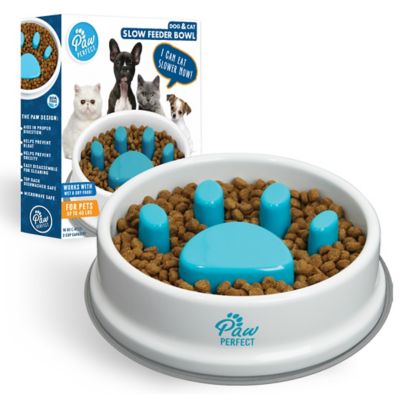
Day-to-day convenience often comes down to the small details that show up after the first few meals. A bowl that releases easily from its holder is handy when carrying a scoop of kibble in one hand or clearing away a sticky supper before heading back to chores. The connection still needs to resist the dog’s normal nudging and pawing once the dish is seated. For a puppy settling into a crate routine, watching those first meals helps reveal whether the bowl sits comfortably, rattles against the bars, or invites chewing at the bracket. A growing dog’s reach and portion size can change, so an adjustable mounting position may offer more flexibility than a fixed placement. Dogs that push hard against dishes need particular attention to the attachment, and a water bowl should not be assumed spillproof just because it hangs from the crate wall. Food bowls also differ in how they present a meal. A smooth, open dish gives straightforward access, while
Dog Food Maze Bowls have raised channels or obstacles that can help slow eating for some dogs; any feeding dish placed inside a crate still needs suitable dimensions and a safe setup. Cleanup includes more than the part that holds dinner. Crumbs can collect beneath the rim, wet food can cling to the underside, and splashes can reach the bracket or nearby bars. Washing food dishes after meals, refreshing water regularly, and cleaning the holder help keep the feeding spot tidy. Dishwasher suitability varies by component, so the bowl and mounting hardware may have different care requirements. Everything should be rinsed thoroughly, and locking surfaces should be clear of buildup before reassembly. Whether the crate sits in a mudroom, a quiet corner of the house, or another appropriate resting area, the most useful bowl is one that suits the dog’s size, attaches securely to that particular crate, and comes clean without a wrestling match. Those practical details help make feeding a simple part of the household routine.