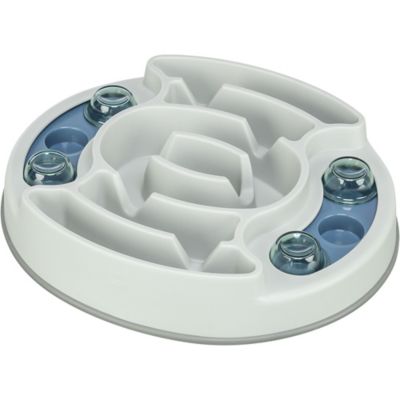
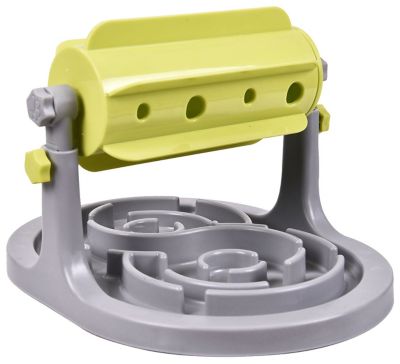
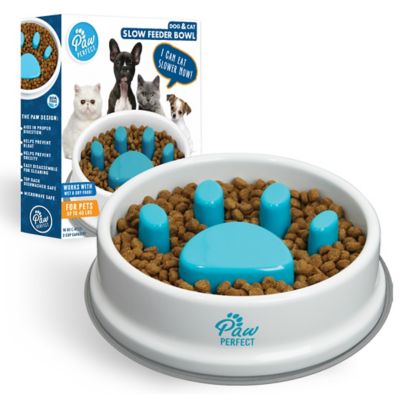
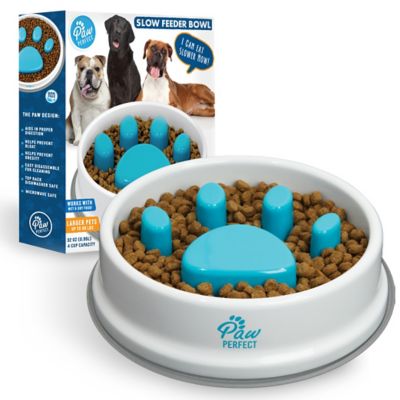
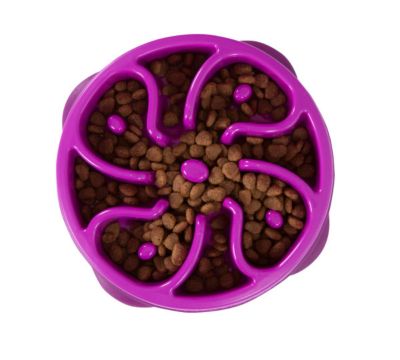
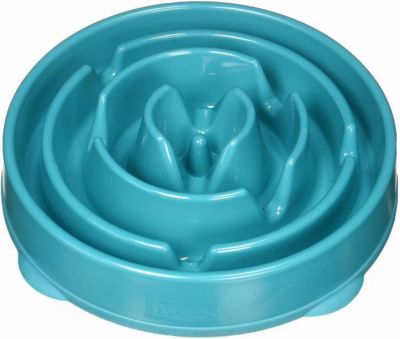
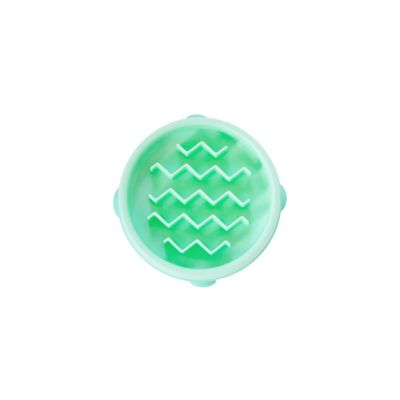
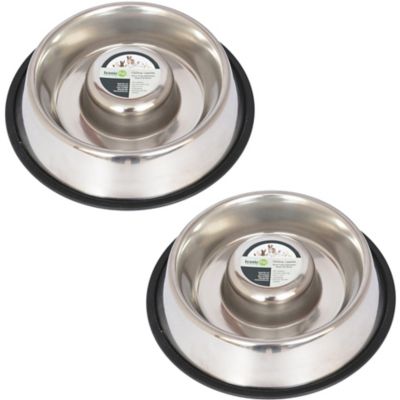
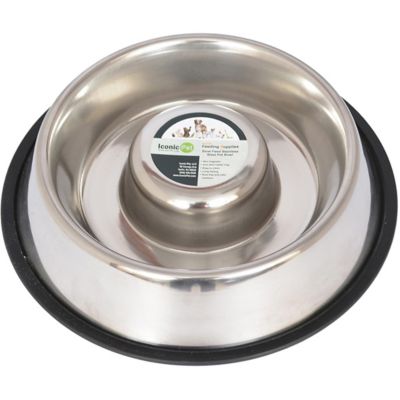
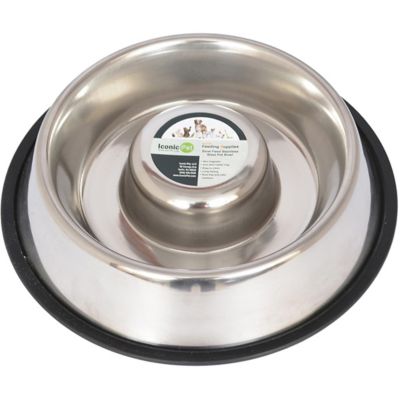
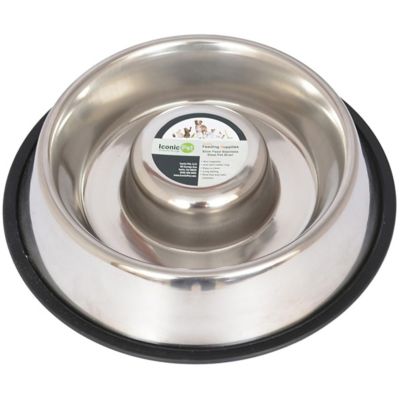
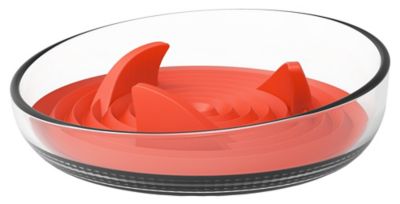
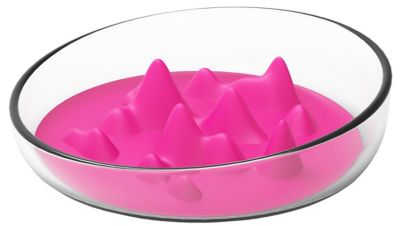
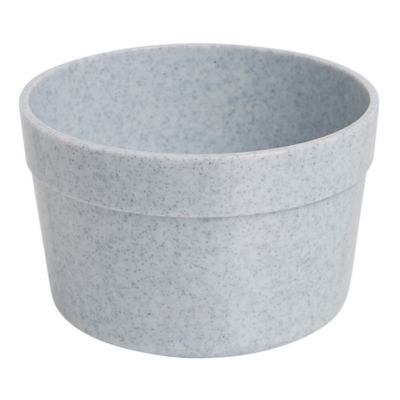
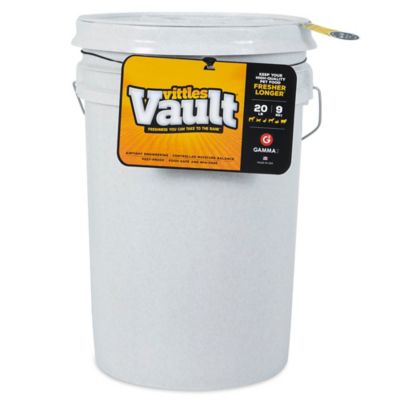
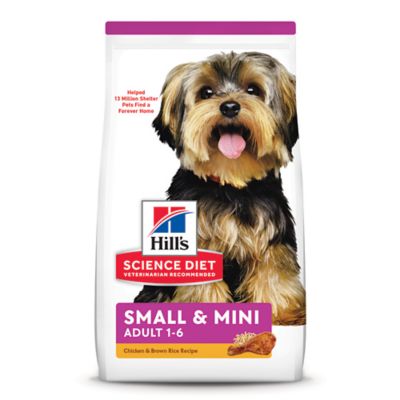
Dog food maze bowls, also called slow-feeder bowls, turn an ordinary meal into a little nose-work adventure. Instead of letting a dog sweep up a pile of kibble in a few fast gulps, the raised ridges, winding channels and open maze patterns make them move their muzzle around the bowl to reach each bite. That extra effort can stretch mealtime, sometimes by several times compared with a flat dish, which may help dogs that eat too quickly, cough or gag while eating, bring food back up, or deal with gassiness after meals. A slower pace can also support more comfortable digestion, though a maze bowl is not a cure for choking, vomiting, bloat or other health concerns. Dogs that show repeated digestive trouble, a swollen belly, weakness, restlessness or signs of pain need prompt veterinary care. For many healthy pets, though, a slow feeder adds useful structure to the day and gives them a job to do at breakfast or supper. It can be especially handy for a young dog that barrels through dinner, a food-motivated hound that acts like every meal is a county fair contest, or a house full of dogs where one pet finishes first and tries to help clean out the other bowls. Maze bowls may also give indoor dogs a bit of mental stimulation when rainy weather, colder temperatures or a busy household cuts down on outdoor time. They work with many types of dry kibble, and some styles can hold wet food, fresh food or a frozen treat, provided the shape and cleaning instructions are suitable. Because every dog eats differently, look at the depth and spacing of the maze before choosing. A small-nosed dog, puppy or senior pet may do better with wider channels and lower ridges, while a determined gulper may need a more challenging pattern. The goal is to slow the meal without making the dog frustrated, unable to reach food or likely to scrape its gums. Starting with a simpler design and moving up in difficulty can help a dog learn the new routine. Always choose a bowl that gives your pet enough room to eat comfortably, and follow your veterinarian’s advice if your dog has dental problems, a short muzzle, arthritis, vision changes or trouble bending down.
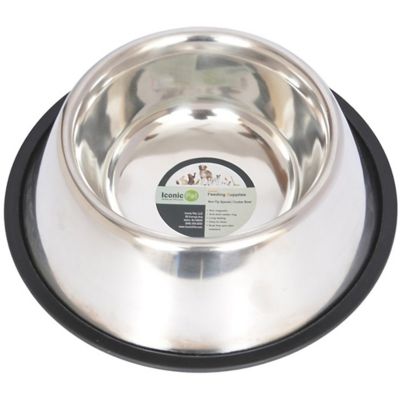
Material, stability and cleanup matter just as much as the maze itself. Plastic and polypropylene bowls are generally lightweight, easy to carry and budget-friendly, making them a practical choice for kennels, barns, patios and homes where feeding gear gets moved around often. Look for sturdy construction, smooth surfaces and food-safe materials, and check the bowl regularly for deep scratches, cracks or chewed edges that could trap food or create sharp spots. Silicone maze inserts can fit inside some standard bowls and may offer a flexible, removable option for families that want easier storage or more than one feeding setup. Their softer feel can be useful for dogs that are rough with hard dishes, although they still need a close look for tears and chew damage. Stainless steel and ceramic options tend to feel heavier on the floor and may be less likely to slide as an enthusiastic dog works through the channels. Stainless steel is a popular choice for its durable, nonporous surface, while ceramic can bring a sturdy, homey look to a feeding area; ceramic should be inspected for chips or hairline cracks before each use. Non-slip bases, wide footprints and heavier construction are helpful for dogs that push a bowl across the kitchen like a little tractor. A mat underneath can catch stray kibble and water, especially on slick flooring. Before purchasing, check whether the bowl is dishwasher safe, whether the maze is removable, and whether you can reach every corner with a brush or sponge. Wet food and softened kibble can dry into narrow channels, so washing after each use is often the safest habit, while dry-food bowls still benefit from regular cleaning to remove oils, crumbs and saliva. Measuring your dog’s usual meal helps prevent overfeeding; a slow feeder changes the pace, not the amount of food your dog needs. Some dogs handle their normal serving well in a maze bowl, while others need the meal divided into smaller portions until they get used to the new routine. Keep fresh water available in a separate, easy-to-reach dish, and place feeding bowls on a level surface away from heavy foot traffic, children’s play areas and other pets that may cause guarding or competition.
These bowls can be a thoughtful gift for a new puppy owner, a friend adopting a rescue dog, or anyone whose canine companion treats supper like a timed event. They are useful for families settling into a new feeding routine, pet parents looking for more enrichment during the cooler months, and rural households that need dependable gear for dogs moving between the house, porch, kennel and truck. A maze bowl can also complement training: a few pieces of kibble tucked through the channels may reward calm behavior, encourage a dog to use its nose and make ordinary food feel more engaging without adding extra treats. Introduce it in a quiet spot and watch the first few meals. If your dog paws at the bowl, flips it over, gives up or becomes upset, the pattern may be too difficult, the serving may be too large, or a different shape may be more comfortable. Some dogs prefer a shallow maze, while others enjoy deeper pockets that make them work a little longer. Dogs that eat outdoors may need a heavier, weather-resistant bowl that will not tip on a porch or packed dirt, while travelers may value a lightweight setup that fits neatly with the rest of their gear. For portable feeding solutions beyond the home, browse
Dog Travel Bowls. Whether you are helping a fast eater slow down, adding a bit of puzzle play to a daily routine or putting together a practical welcome gift for a dog lover, choose a maze bowl that matches the pet’s size, eating style and health needs. The right fit should make mealtime calmer and more interesting while still keeping food easy to reach, simple to clean and comfortable for your dog.