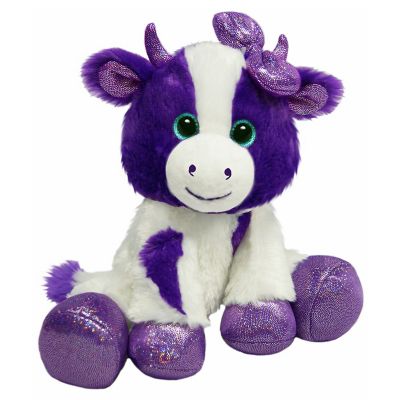
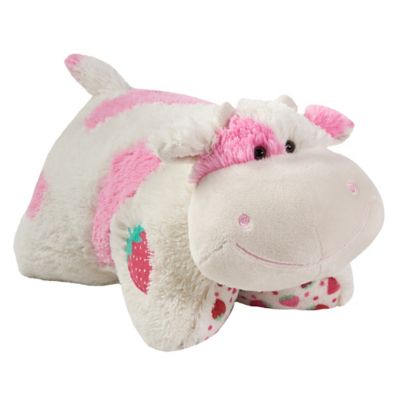
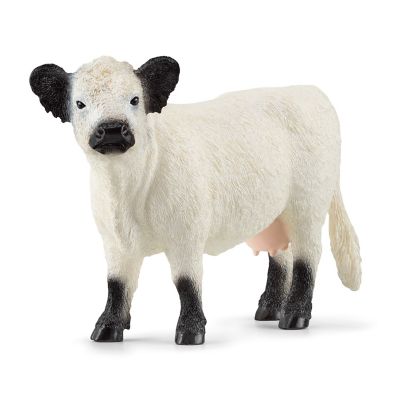
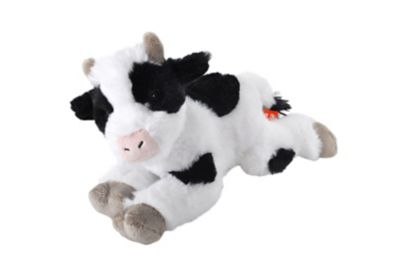
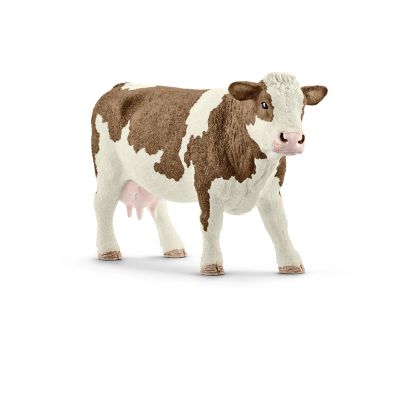
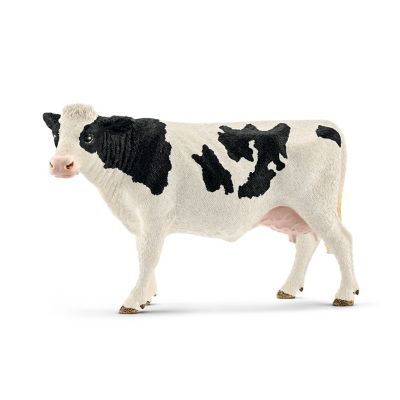
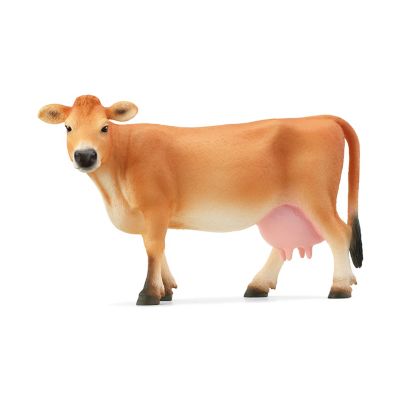
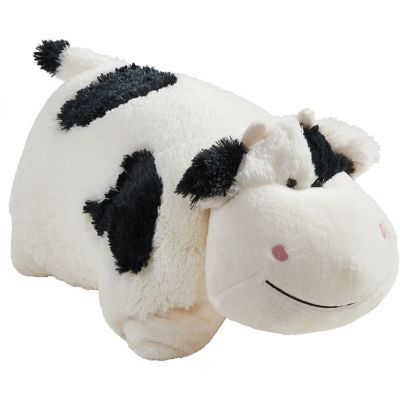
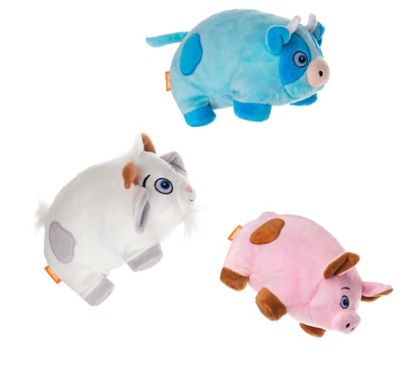
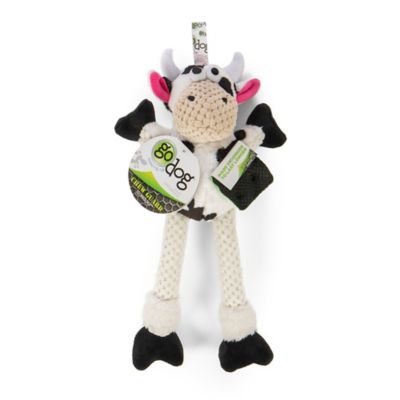
Cow toys for kids include soft plush animals, molded farm figures, pretend-play sets, and interactive toys that may make sounds or respond to a child’s touch. Each kind brings a different part of barnyard play into a child’s day, from a stuffed cow tucked under one arm to a small herd lined up beside a toy barn. For children who watch cattle across the fence or point out cows on every drive, these toys give a familiar interest a place in the playroom. Children who have never visited a farm can enjoy them, too, getting to know a cow’s shape, markings, and place among other farm animals through pretend play. Plush cow toys suit quiet play, storytelling, and companionship, with fabric covers and soft filling that feel different from firm plastic figures. Size makes a practical difference: a smaller stuffed animal is easier to carry from room to room, while a larger one takes up more space on a bed or in a reading corner. Shape matters as much as height, since a wide body or long legs can be awkward for small arms to hold. Smooth stitching, securely attached features, and fabric that feels pleasant against the skin are worth a closer look. Embroidered eyes and noses offer a different construction than attached plastic pieces, though the toy’s age rating still matters either way. Interactive cow toys add another layer of play through features such as mooing sounds, music, lights, or movement, depending on the design. Simple controls can make it easier for a child to start an action without help, while several buttons or play modes may call for more grown-up involvement. Sound level, an off switch, and the space needed for movement all affect how comfortably an interactive toy fits into everyday family life.
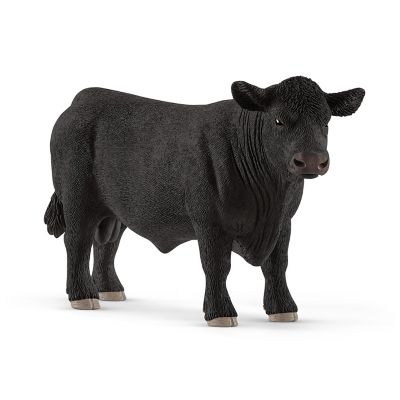
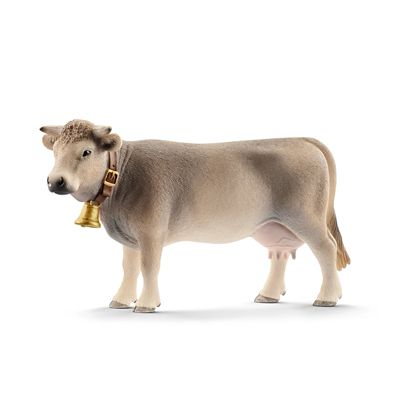
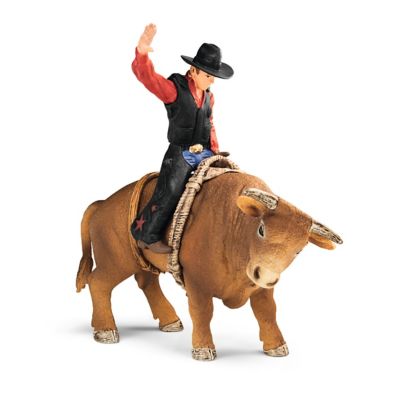
Cow figures and farm playsets give little farmhands room to make up their own chores and stories. A child might walk a cow through a pasture gate, settle a calf beside its mother, or bring the herd back toward the barn before starting the whole scene again. These small routines can open up conversations about what cattle eat, why animals need fresh water, and how farmers care for them. Molded plastic figures often have shaped ears, hooves, and coat details, while wooden cows may have simpler outlines and painted markings. Some figures have a solid, one-piece body; others have moving parts that bring different handling and care needs. A broad stance helps a cow stay upright on a flat play surface, and smooth edges make figures more comfortable to grasp. Scale matters when adding cows to an existing collection, especially if the child expects them to fit through a barn door, stand inside a fence, or ride in a toy livestock trailer. Product measurements tell more than a photo alone, since a cow that looks small on a screen may be too tall for a favorite barn. A
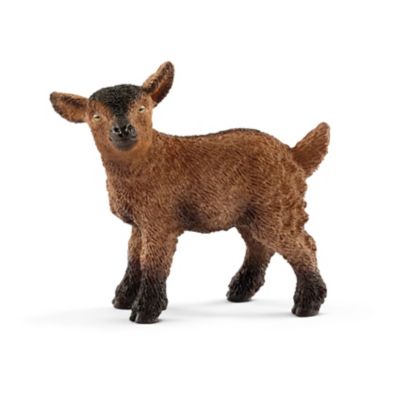
Toy Farm with Animals can expand the scene beyond cattle, giving children more characters for everyday farm stories. Younger children may enjoy naming animals and copying their sounds, while older children may spend more time arranging pens, sorting a herd, or building a pretend feeding routine. The same figures can take on different roles from one afternoon to the next. One child may carefully line every cow along a fence; another may turn the whole room into a ranch with blocks for gates and a cardboard box for shelter. Open-ended play leaves room for both approaches without requiring a screen or a fixed sequence of steps.
Age recommendations, construction, and care instructions help narrow the choices among cow toys for children. A toy’s appearance alone does not establish whether it suits a toddler, preschooler, or older child. Small parts are not appropriate for children under 3, and miniature figures belonging to an older sibling need separate storage when a toddler shares the play space. Attached eyes, horns, tails, wheels, and accessories all deserve attention, along with any warnings on the packaging. For battery-powered cow toys, a secured battery compartment and an adult-managed battery routine are important parts of everyday care. Cleaning needs vary by material and construction. A plush animal may allow machine washing, surface cleaning, or another method specified on its care label; a sound box or other electronic component can change those instructions. Plastic and wooden figures also need care suited to their finishes, joints, and any attached pieces rather than an assumption that every farm toy can soak in water. Regular checks for split seams, loose attachments, cracks, splinters, or flaking finishes help spot when a toy needs repair or retirement from play. Storage makes a difference, too: a roomy basket keeps stuffed cows within reach, while a divided bin can keep small figures and fence sections together. For gifting, the child’s habits are often a better starting point than the size of the package. A youngster who carries a stuffed animal everywhere may appreciate another soft companion, while one who spends hours arranging barns and tractors may get more play from cow figures that fit that setup. Birthdays and family visits are natural occasions for a farm-themed gift, especially when cattle already catch the child’s attention. Whether the appeal is a soft nose, a familiar moo, or a herd ready for the next pretend chore, cow toys give that interest something a child can hold, arrange, and bring into a story.