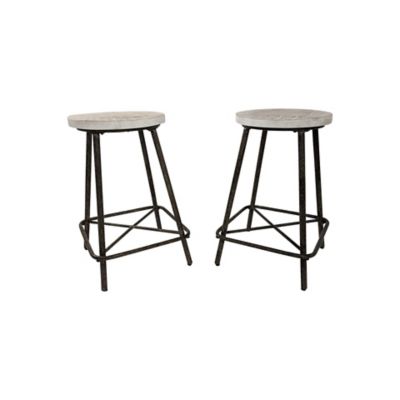
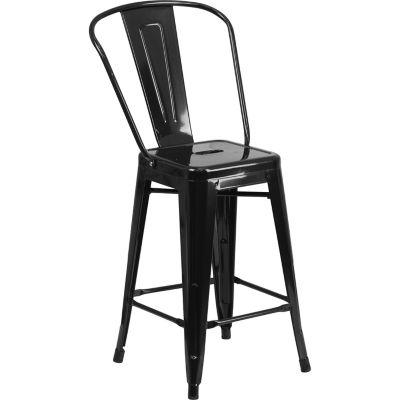
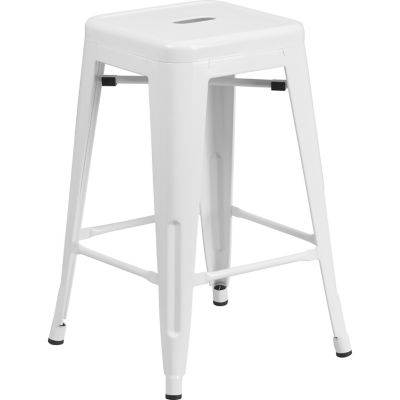
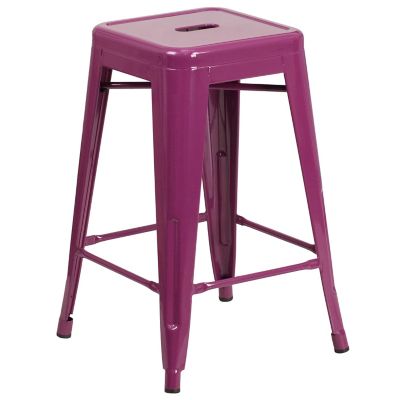
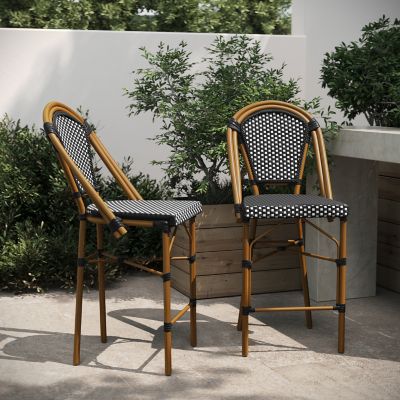
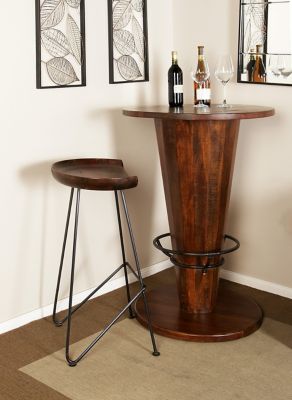
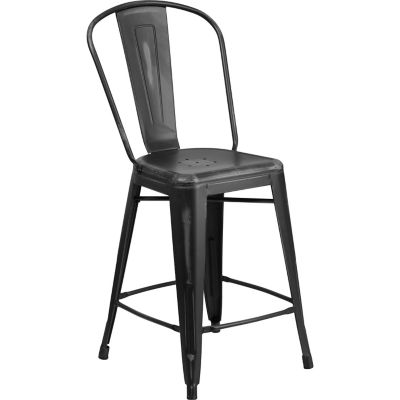
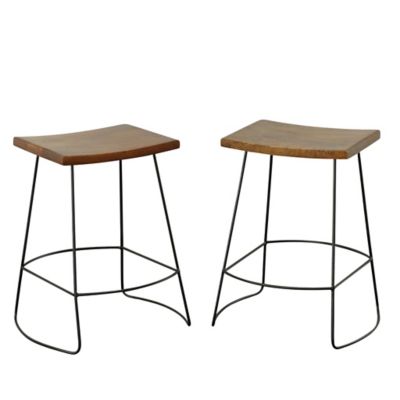
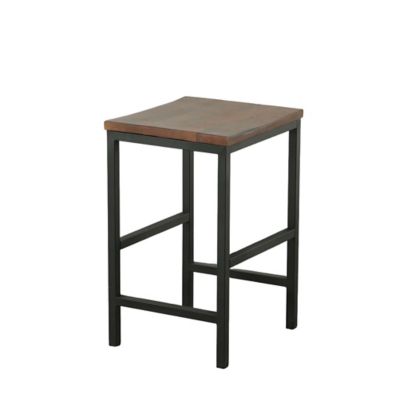
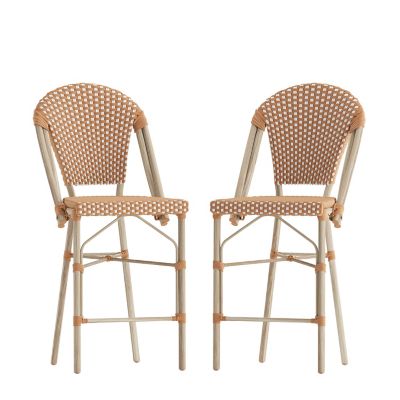
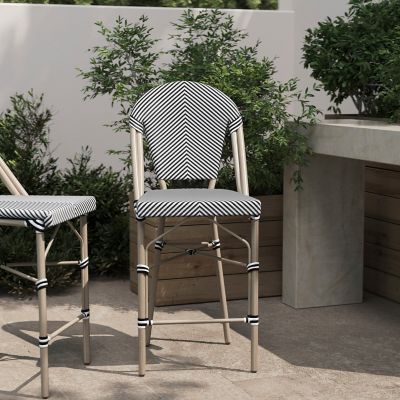
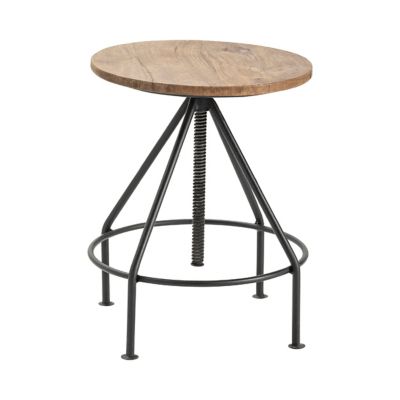
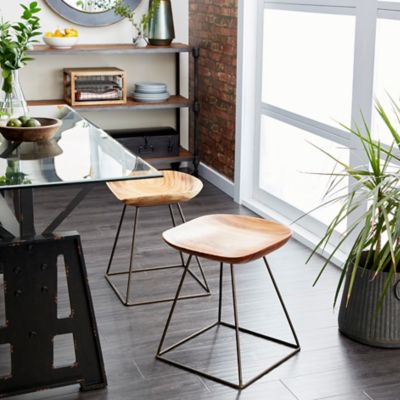
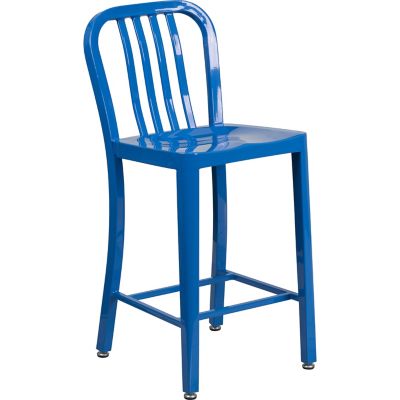
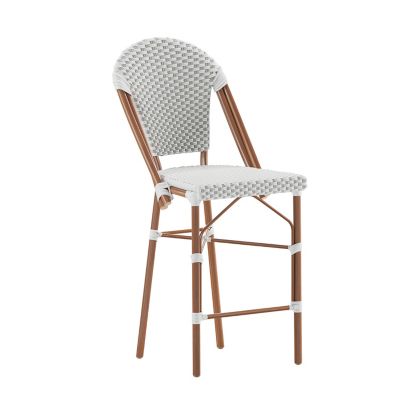
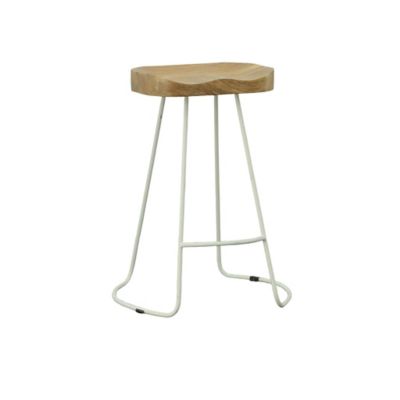
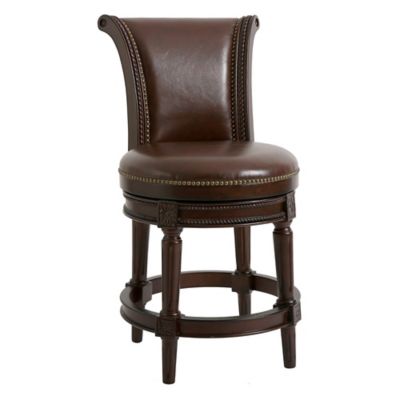
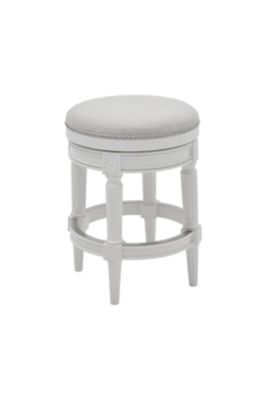
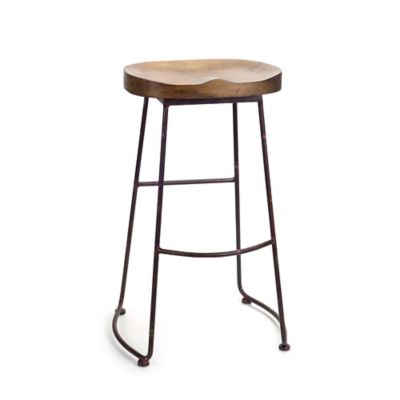
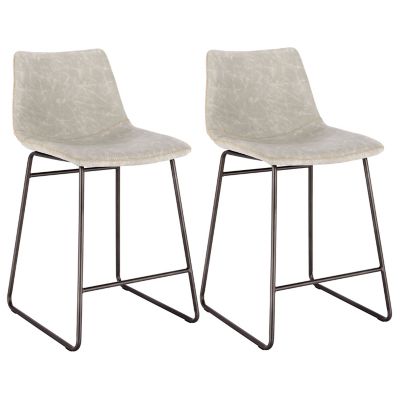
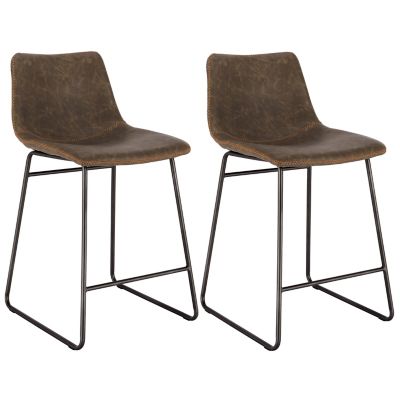
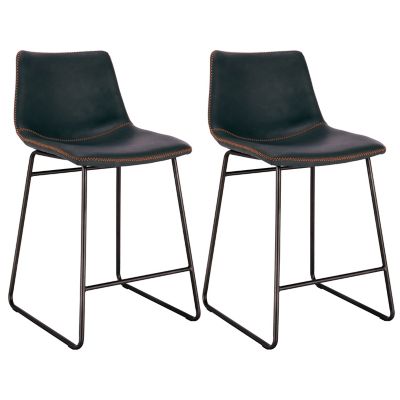
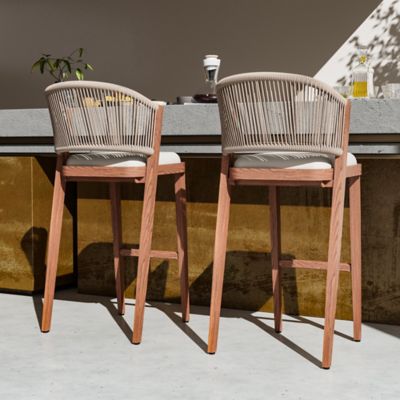
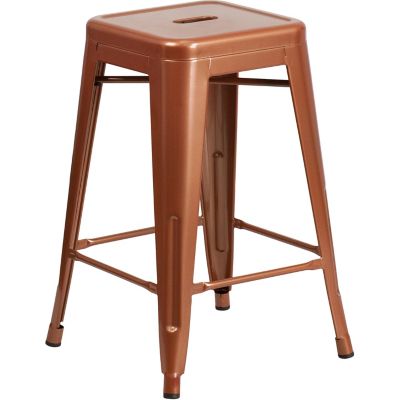
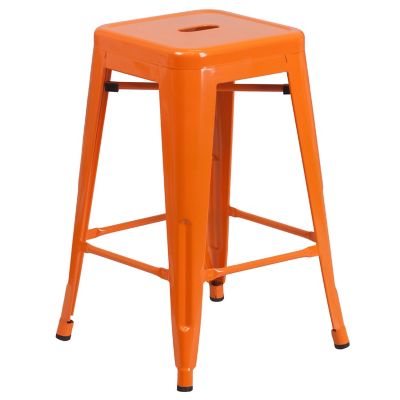
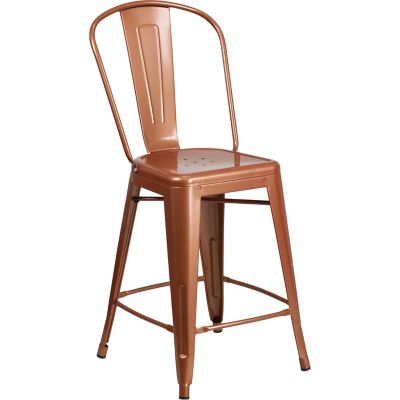
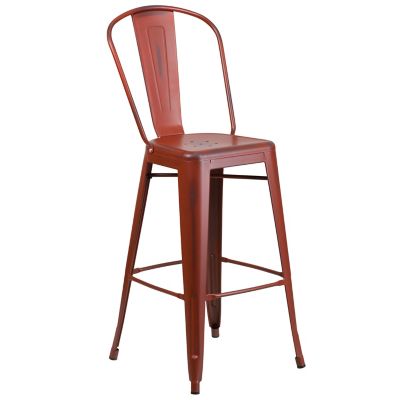
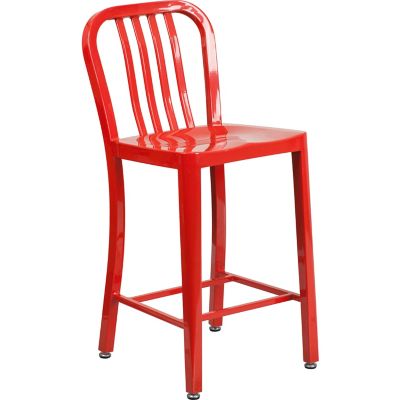
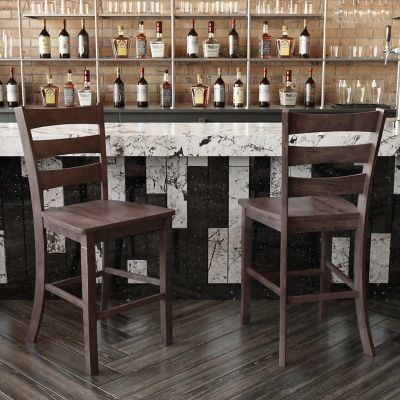
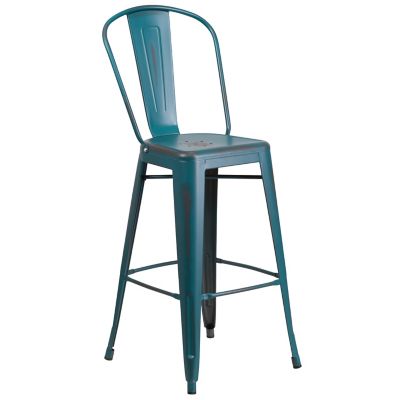
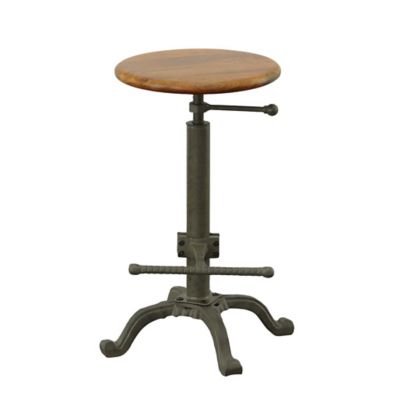
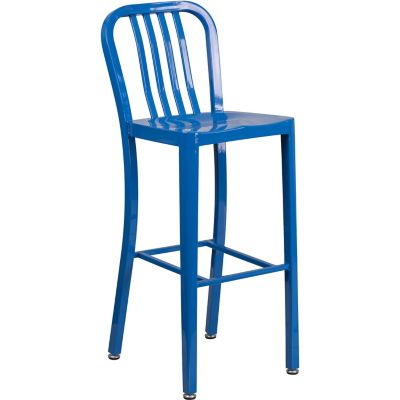
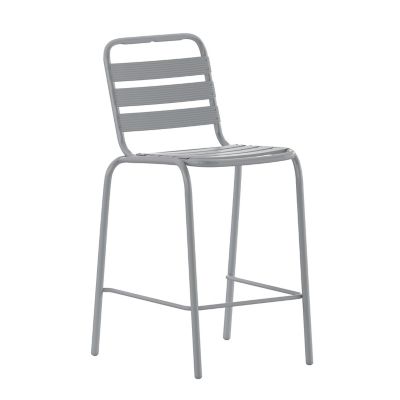
Counter stools with metal legs give kitchen islands, breakfast counters, and casual eating areas a practical place to pull up a seat without the footprint of a full dining setup. A metal base pairs easily with a wood, upholstered, or molded seat, so the look can lean toward a farmhouse kitchen, a simple apartment, or a room with clean lines and exposed hardware. These stools work well where meals and everyday chores overlap: a quick breakfast before heading out, sorting the mail beside a cup of coffee, or keeping someone company while supper comes together. Counter-height seats commonly measure about 24 to 26 inches from the floor and fit many counters measuring 34 to 36 inches tall. Around 10 to 12 inches between the seat and the countertop generally provides comfortable seating space, though thick tops, aprons, drawers, and support brackets can reduce the opening underneath. Seat height matters more than the overall height listed for a stool, especially when a tall back is part of the design. For taller surfaces,
Contemporary Metal Bar Stools offer a related seating category, but bar-height and counter-height seats are not interchangeable. Width matters just as much in a busy kitchen. Roughly 24 to 30 inches from the center of one seat to the next gives many adults room to sit and move their elbows, with wider seats or arms sometimes needing more space. Backless stools can tuck beneath a clear counter overhang, helping keep a walkway open between the kitchen and the rest of the house. Low backs offer some support without blocking much of the view across a room, while taller backs make a counter feel more like a regular place to sit down and stay awhile. The right fit leaves room for knees, feet, and the person walking past with a full grocery bag.
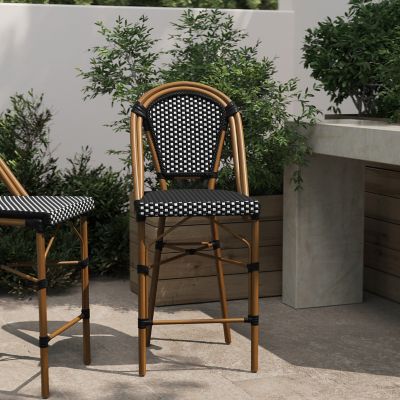
The materials above and below the seat shape how counter stools with metal legs feel in daily use. Steel frames can provide a solid base with relatively slim legs, while aluminum frames often weigh less and are easier to move for sweeping. Actual strength and weight capacity depend on the complete construction, not simply the metal named in the description. Welded joints, securely fastened hardware, and braces between the legs all contribute to how a frame handles repeated sitting and shifting. A footrest gives feet somewhere to land instead of leaving legs dangling, and its position can make a noticeable difference over a long breakfast or an evening spent catching up at the counter. Metal foot rails may show scuffs from boots and shoes, so their finish and care requirements deserve attention along with the seat. Powder-coated and painted frames come in finishes that can blend with cabinet pulls, light fixtures, or nearby table legs, while exposed metal brings more contrast against wood cabinets and stone-look counters. Wood seats add visible grain and a firm sitting surface; shaped edges and a contoured center can make that firm surface more comfortable. Upholstered seats add cushioning, with fabric texture and cleaning requirements varying by material. Smooth, wipeable upholstery can simplify everyday cleanup, but seams and stitching still need attention after spills. Molded seats offer another feel and may have curves that support the sitter without added padding. Swivel seats make turning toward a conversation easier, particularly when getting in and out would otherwise mean dragging a stool across the floor. They also need clearance from counter edges and nearby cabinets. Arms can support a relaxed sitting position, but they may prevent a stool from sliding beneath the counter. For a spot that sees frequent meals, homework, or paperwork, seat depth, back support, and footrest placement often matter more than a finish that happens to match every cabinet handle.
Everyday care helps metal-legged counter stools keep their footing and their finish. A soft cloth and a cleaner recommended for the particular surface are generally a better match than abrasive pads, which can scratch coatings or leave marks on a seat. Spills around joints, seams, and the underside of the seat deserve a prompt wipe, followed by drying where the material calls for it. Wood, upholstery, and metal may each need a different cleaning approach, even on the same stool. Bolted frames benefit from occasional hardware checks according to the manufacturer's directions, especially after assembly or a move. Loose fasteners, a rocking base, or a damaged foot cap are worth addressing before the next meal rather than treating them as part of the furniture's character. Floor contact is another small detail with a big effect. Suitable glides or pads can help protect wood, vinyl, or tile, and adjustable feet, where included, can help a stool sit evenly on a floor that is not perfectly level. Pads need to match the flooring and stay attached, since trapped grit can still leave scratches. Metal legs alone do not make a stool suitable for a patio or covered outdoor counter; outdoor placement depends on the stated rating of the entire stool, including its hardware, seat, and finish. Inside the house, easy-to-move seating suits a compact kitchen, while a broader base may feel more settled at a large island, provided it leaves enough walking room. Households with children benefit from seating matched to the child's age and ability, with an understanding that a footrest is not a step for climbing. For a housewarming gift or a newly finished kitchen, confirmed counter measurements and the recipient's seating preferences take the guesswork out of the choice. Well-matched counter stools with metal legs become part of the daily rhythm: a place to lace a boot, share a snack, or sit down when the day's work is done.