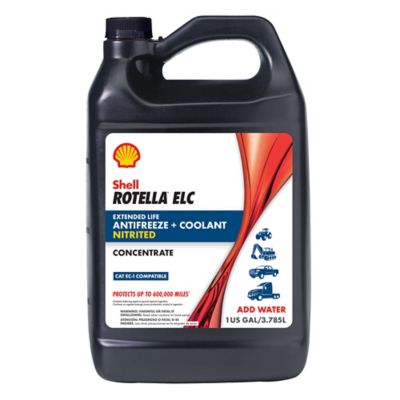
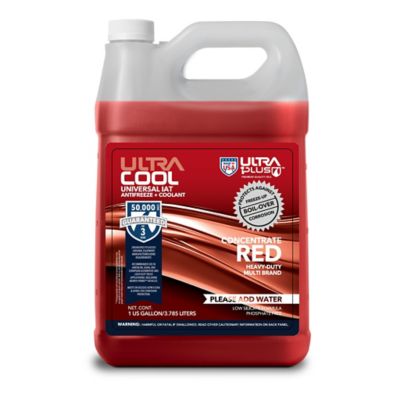
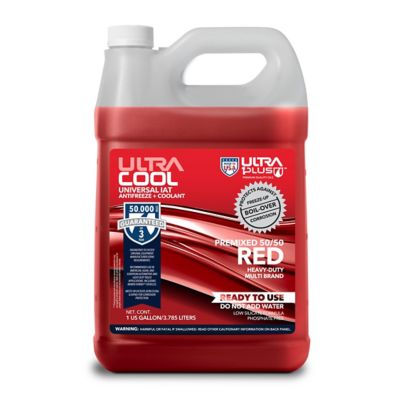
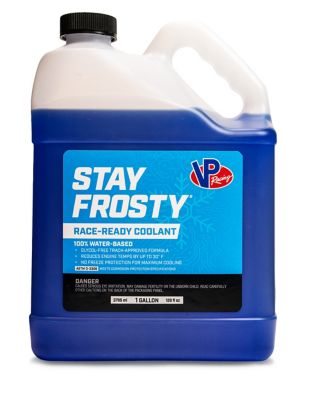
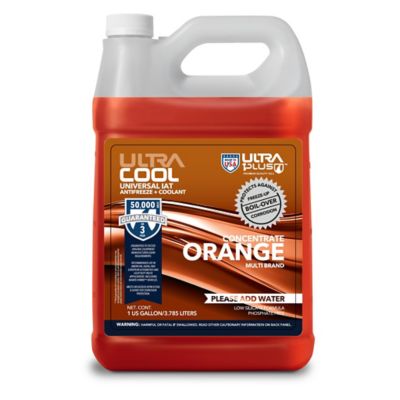
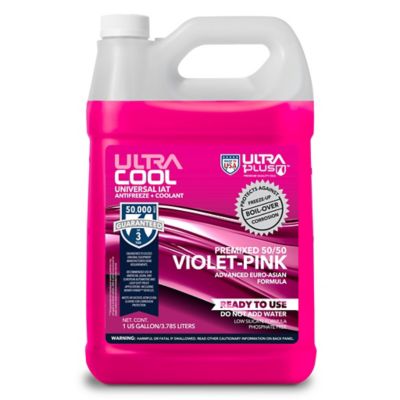
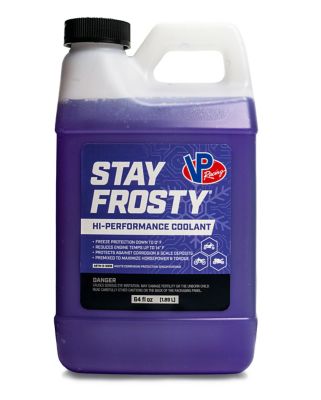
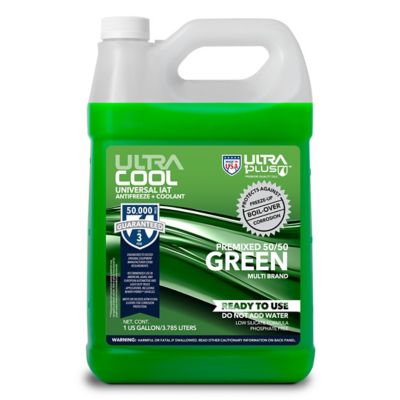
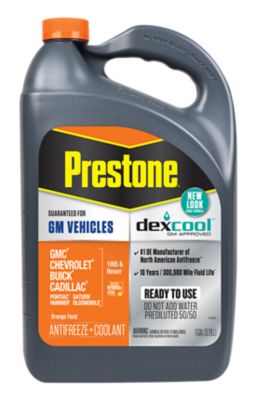
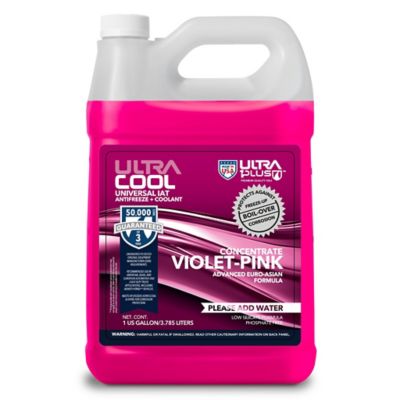
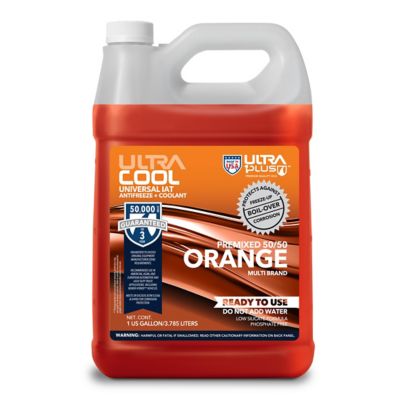
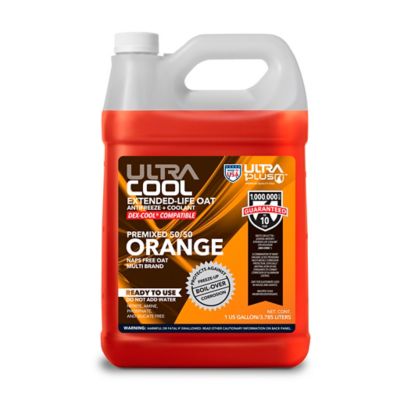
Coolant fluids help liquid-cooled engines manage heat while protecting the passages, radiator and other cooling-system components that keep equipment working. In a pickup hauling a stock trailer, a tractor running under load or a liquid-cooled utility vehicle making rounds, coolant carries heat away from the engine and releases it through the radiator. The water pump keeps that fluid circulating, while the thermostat helps regulate its path through the system. Antifreeze is the concentrated chemical base; engine coolant generally means that base blended with water, either before purchase or before filling the cooling system. A properly matched mixture provides freeze protection, raises boiling protection within the pressurized system and carries additives that help limit corrosion. Those additives matter because a cooling system can contain aluminum, cast iron, steel, copper, solder and several types of seals and gaskets. Protection has to suit the whole system, not just the engine block. Plain water transfers heat, but it does not supply the complete corrosion protection or operating range called for by most engine manufacturers. Straight antifreeze is not a better substitute for the specified blend, either, because the water-to-antifreeze ratio affects heat transfer and freeze protection. For shoppers comparing engine coolant and antifreeze, the starting point is the equipment manufacturer’s coolant specification, along with the engine type and service requirements. A farm truck, compact tractor and liquid-cooled mower may sit in the same shed without calling for the same fluid. Some equipment is air-cooled and does not take engine coolant at all. The right fit comes from matching the fluid’s documented approvals or specifications to the machine, rather than choosing by jug color or assuming every engine on the property shares one requirement. That distinction is especially helpful when a household has several vehicles, older equipment and newer machinery doing different jobs. It also keeps a familiar-looking fluid from becoming the default choice for a machine with different cooling-system needs.
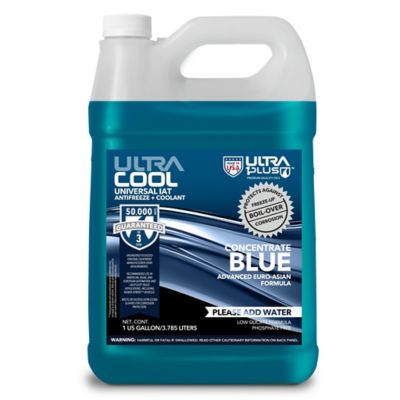
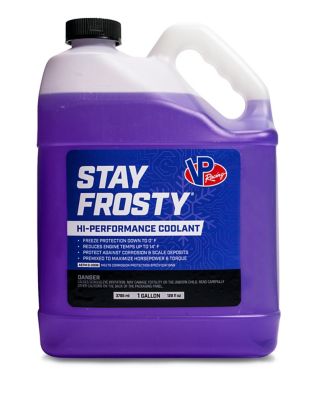
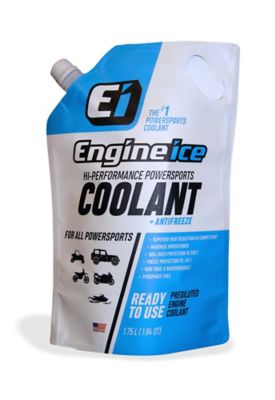
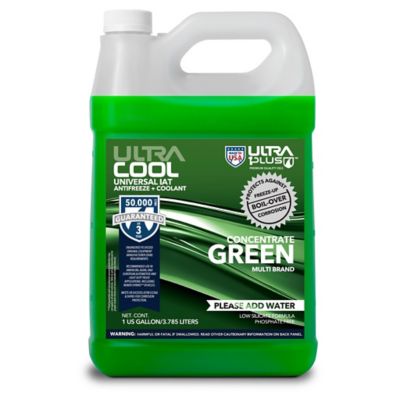
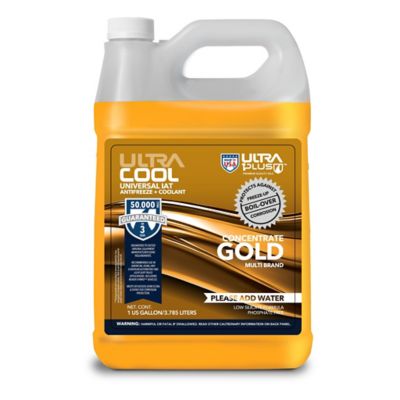
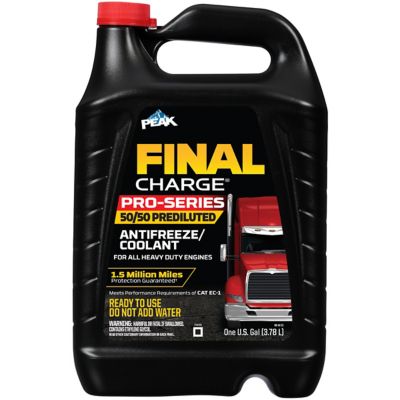
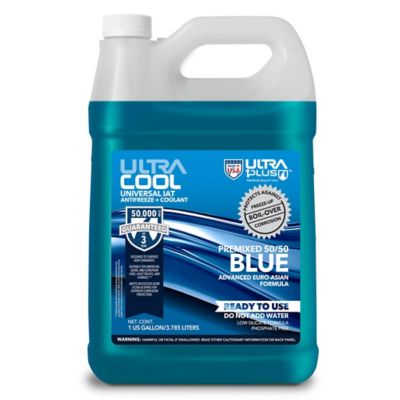
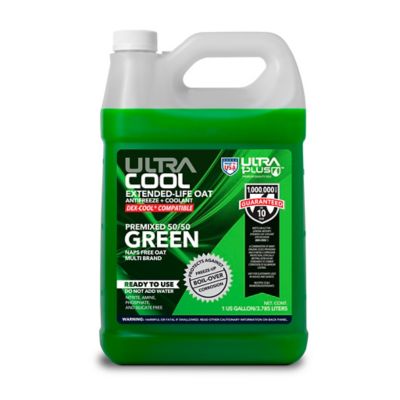
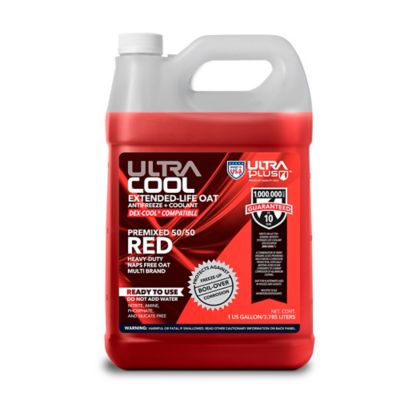
Engine coolant formulations differ mainly in their additive chemistry and the specifications they meet. Inorganic acid technology, or IAT, relies on inorganic corrosion inhibitors and is associated with many older cooling-system designs. Organic acid technology, or OAT, takes a different approach to corrosion protection and appears in many extended-service applications. Hybrid organic acid technology, or HOAT, combines organic acids with selected inorganic inhibitors. These broad categories help explain the differences, but they do not make every fluid within a category interchangeable. Silicate, phosphate and nitrite requirements can vary, and the manufacturer’s specification remains more useful than a general chemistry label. Coolant color is not a dependable compatibility chart: similar colors can represent different formulations, while fluids with different colors may meet the same specification. Labels describing broad vehicle coverage still need to match the requirements for the particular engine. Heavy-duty diesel applications may also call for protection against cavitation, a process in which tiny vapor bubbles collapse against metal surfaces and can contribute to pitting, especially around certain cylinder liners. Some systems require supplemental coolant additives or periodic testing, while others call for a different maintenance approach. Extended-life claims likewise depend on the specified formulation, service conditions and maintenance schedule; there is no single change interval that fits every engine. Packaging presents another practical distinction. Prediluted coolant comes blended to the ratio stated on its label, often 50/50, while concentrate requires the specified amount of suitable water. Distilled or deionized water is commonly recommended because minerals in untreated water can contribute to deposits. The equipment manual and fluid label govern the final ratio. System capacity matters for a complete refill, and water remaining after a flush can affect the finished concentration. For a simple top-off, matching the existing approved coolant helps preserve the intended protection. Mixing incompatible formulations can reduce protection or shorten the service interval, even when the fluids look alike. Clear labeling of chemistry, dilution and applicable specifications makes these differences easier to sort out before a jug ever reaches the shop bench.
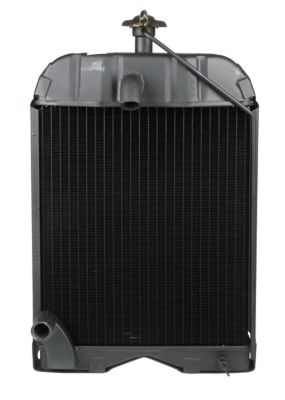
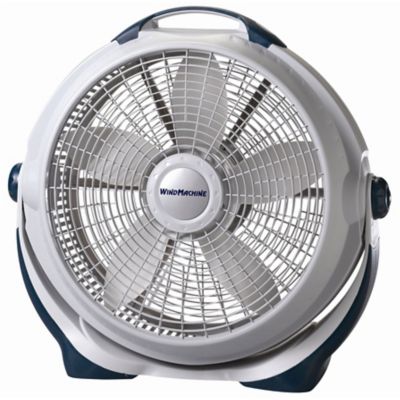
Everyday handling matters just as much as choosing the correct formulation. Coolant containers with secure caps, readable labels and manageable pouring openings make sense around a busy garage or equipment shed, where a small spill can spread beneath a workbench or reach an animal’s paws. Keep coolant in its original labeled container, tightly closed and out of reach of children, pets and livestock; never transfer it to a beverage bottle or leave a drain pan unattended. Many antifreeze formulations contain ethylene glycol, which is highly toxic if swallowed, and any coolant deserves careful handling according to its label. Spills need prompt cleanup, and drained fluid belongs at an appropriate recycling or household hazardous-waste collection facility, not on the ground or down a drain. Storage conditions and shelf-life recommendations vary by formulation, so the container instructions matter for a jug kept between service jobs. Around the engine, checking the reservoir level against the equipment’s directions is different from opening a pressurized cooling system. A hot radiator or reservoir cap can release scalding fluid and steam, making a fully cooled engine essential before opening a cap as directed by the manual. Repeated coolant loss, crust around a hose connection, a sweet odor or signs of overheating point toward a system problem rather than a reason to keep adding fluid. Hoses, clamps, the pressure cap, radiator and water pump all affect how well the coolant can do its job. Stop-leak treatments and supplemental additives are not substitutes for matching the specified fluid or repairing a fault. For airflow around a garage or workbench,
Quiet Cooling Fans serve a separate purpose from the coolant circulating inside an engine. Whether the equipment handles daily chores or occasional hauling, the useful match is a coolant with the required chemistry, the correct dilution and a maintenance schedule suited to that machine.