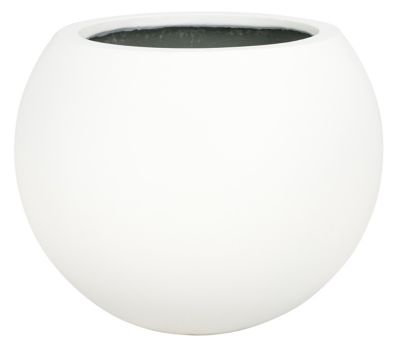
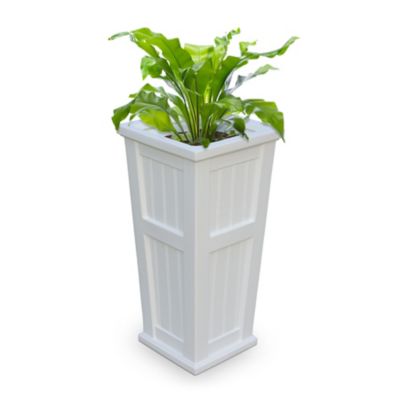
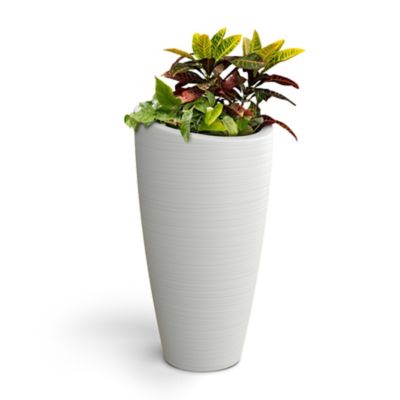
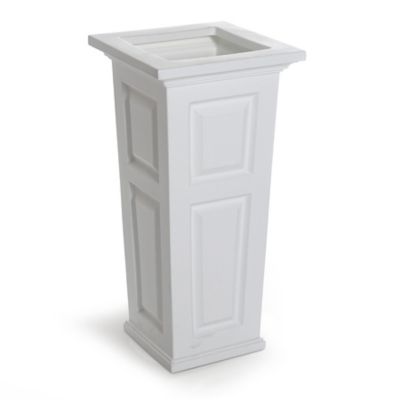
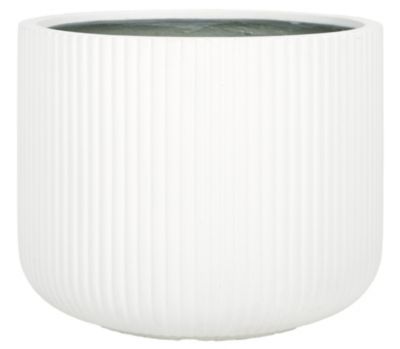
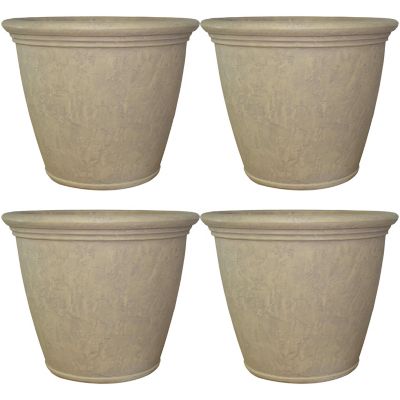
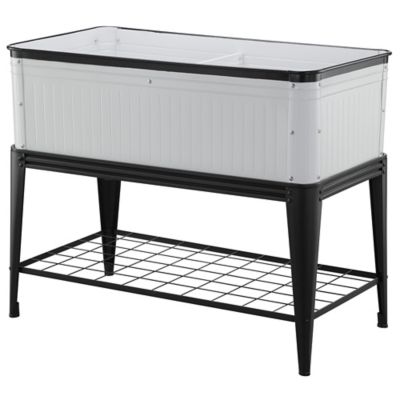
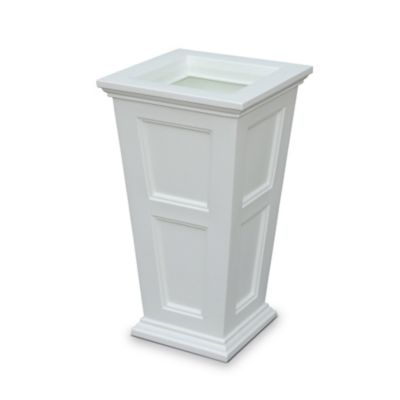
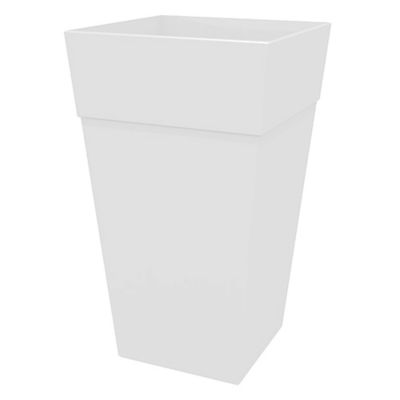
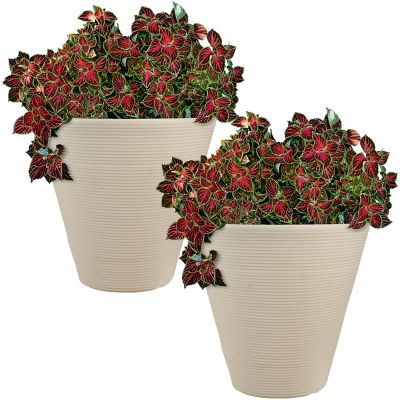
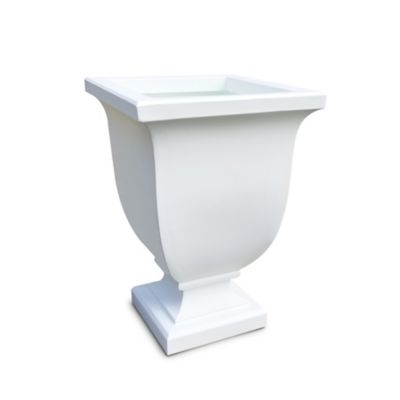
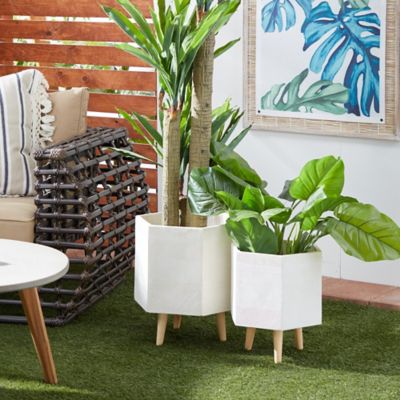
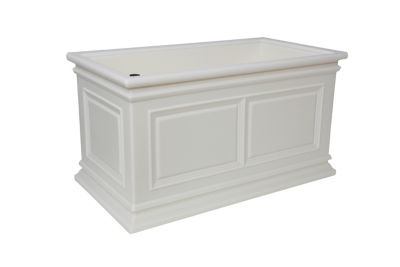
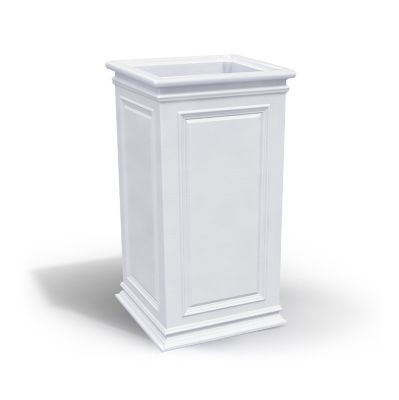
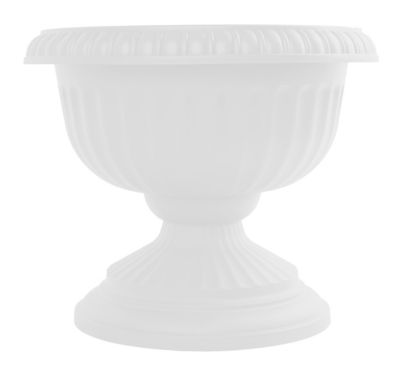
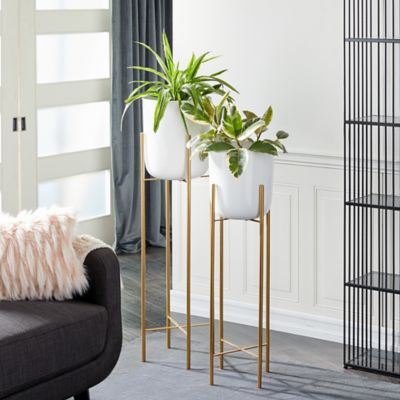
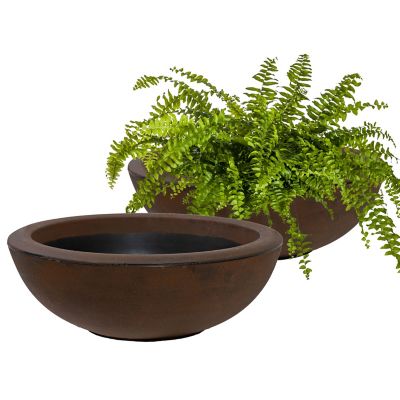
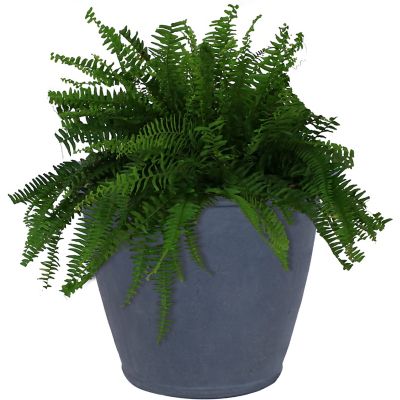
Large white outdoor planters give flowers, leafy plants, and small shrubs room to grow while bringing a clean, bright look to porches, patios, and entryways. Common materials include resin, plastic composites, fiberglass, concrete blends, and ceramic, with differences in empty weight, finish, water handling, and care. The best fit depends on the plant’s root space, the room around the container, and whether the planter needs to stay put or move from time to time. Against a red brick wall, dark siding, or a stained wood railing, white containers create a clear contrast without competing with the planting. A pair beside a broad set of porch steps can frame the entrance, while a long trough can define the edge of a sitting area. Tall, tapered shapes bring planting height to a narrow footprint; wide bowls and round pots spread greenery closer to the ground. Rectangular containers work well along walls or railings, and
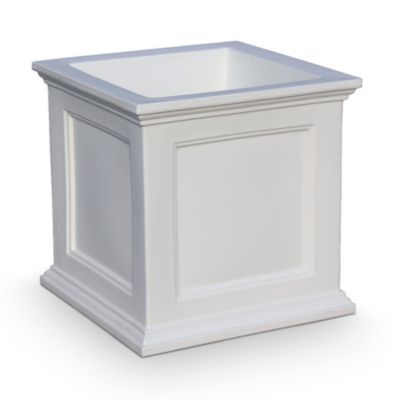
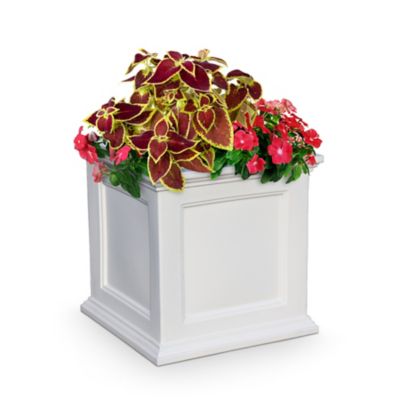
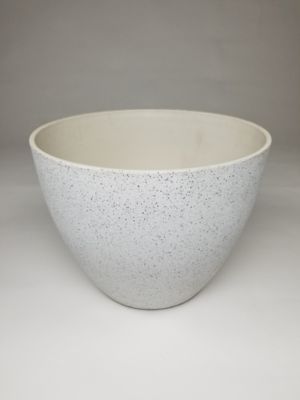
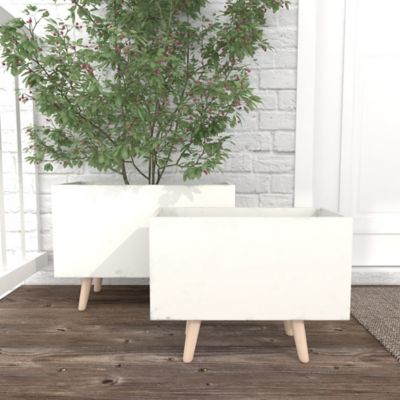
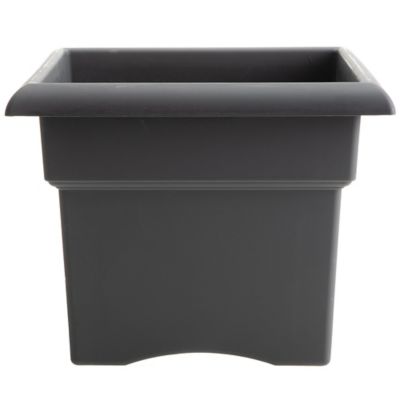
Large Square Outdoor Planters offer straight sides that line up neatly with corners, posts, and paved edges. Shape affects more than appearance: a broad base generally gives a top-heavy planting better support, while a narrow opening can limit room for a shrub’s root ball. Outside measurements also do not tell the whole story. Thick walls, tapered sides, built-in reservoirs, and raised planting inserts can reduce the space available for roots. For a front-door arrangement, the container should leave a clear path for boots, grocery bags, and the door’s full swing. Around a patio table, its height and spread matter just as much as its footprint. White finishes vary, too, from soft ivory tones and textured surfaces to crisp, smooth coatings. Those differences can help a large planter feel at home beside rough-cut lumber, painted porch furniture, stone walkways, or a simple concrete slab.
Material choice has a big say in how a large white outdoor planter handles everyday life around the house or acreage. Resin and other plastic containers generally weigh less than similarly sized concrete or ceramic pots, making them easier to position before planting. Their lighter weight can be handy on a porch or beside a potting bench, though the finished arrangement still needs enough base weight and width to remain steady. Plastic composites vary in composition, so claims about fade resistance, impact resistance, and outdoor suitability belong to the individual container rather than the material name alone. Fiberglass and fiber-reinforced blends can offer substantial-looking walls without the weight of solid concrete, but their surfaces and edges still call for care when moving. Concrete and cement-based containers bring heft and a grounded appearance, particularly beside masonry steps or broad walkways. That weight becomes a practical consideration on raised decks and anywhere a planter might need to change locations. Ceramic offers another look, with glazed surfaces that can be smooth and easy to wipe down, although chips may expose a different color underneath. Whatever the material, a filled container weighs considerably more than an empty one, especially after watering. A patio cart or plant caddy needs a load rating suited to that full weight, and a deck needs to support the entire arrangement. Drainage is just as important as construction. Open drainage holes let excess water leave the root area; a sealed outer container generally needs a separate planting pot or another drainage arrangement suited to the plant. Removable plugs can be convenient, but their position should match the intended setup. A reservoir is a different feature: it stores water below the planting area and works best when the plant, potting mix, and reservoir design are compatible. An overflow opening helps keep that stored water from reaching too high into the root zone.
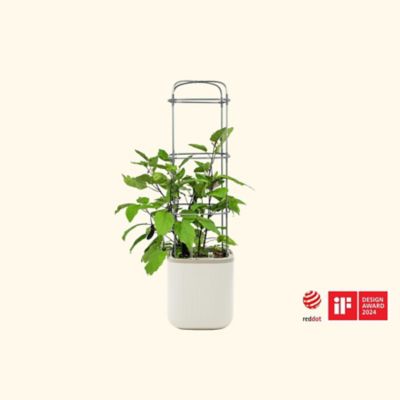
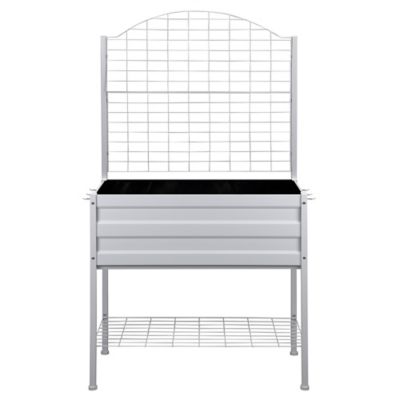
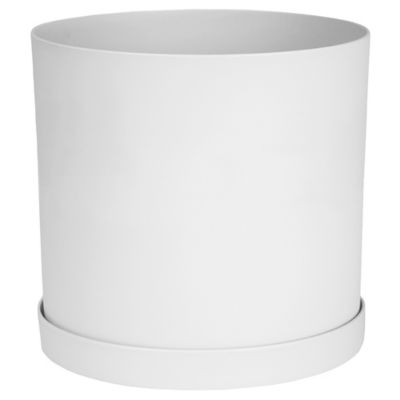
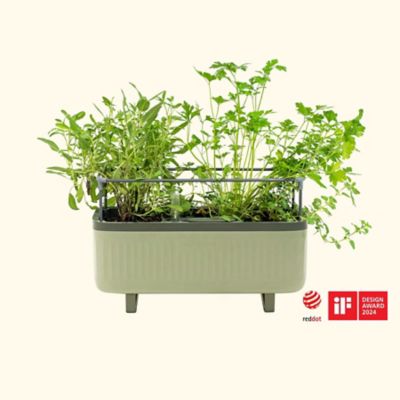
Plant choice helps determine how much space a large white container really needs. A compact shrub calls for enough width and depth to accommodate its root ball and continued growth, while a mix of flowers may need more surface area than depth. Upright plants, trailing stems, and low-growing foliage can share a container when their light, water, and space needs line up. White makes dark green leaves stand out and gives bright blooms a simple backdrop, whether the planting sits beside a farmhouse porch or a back door near the kitchen garden. For herbs and vegetables, containers intended for growing edible plants and a suitable potting mix matter more than appearance alone. Container potting mixes generally provide a better balance of drainage and air space than soil dug straight from the yard, which can settle tightly inside a pot. Filling the bottom with gravel does not take the place of drainage holes and can reduce usable root space. A raised insert can reduce the amount of mix needed for shallow-rooted plantings, but it should support the planting load and leave sufficient depth for the chosen plants. Everyday care also affects how a white planter looks over time. Soil splashes, mineral deposits, and algae tend to show clearly on pale surfaces, especially near the base and around drainage openings. Mild soap, water, and a soft brush are a sensible starting point when the care directions allow them; abrasive pads and strong cleaners can damage some finishes. Pot feet or a properly rated stand can help keep drainage openings clear and reduce prolonged contact between damp container bottoms and the surface below. Any saucer needs attention so collected water does not leave roots sitting in it. For someone who enjoys container gardening, a roomy planter can also make a thoughtful housewarming gift, particularly when its size suits the recipient’s porch and its empty weight is manageable. The right combination of planting room, steady footing, drainage, and easy care makes a large white planter practical as well as good-looking.