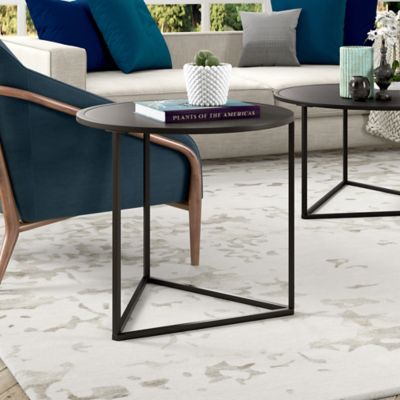
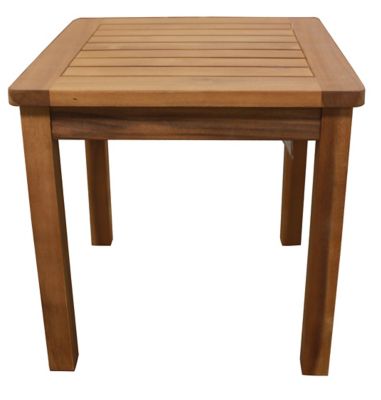
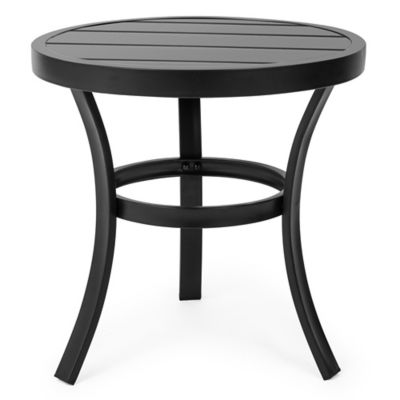
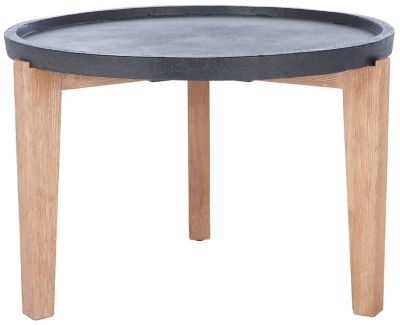
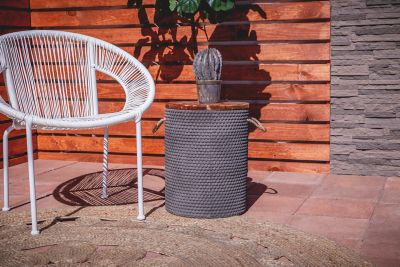
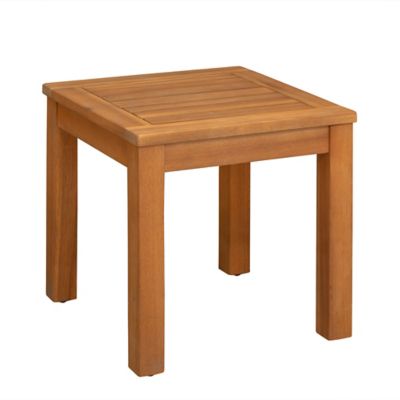
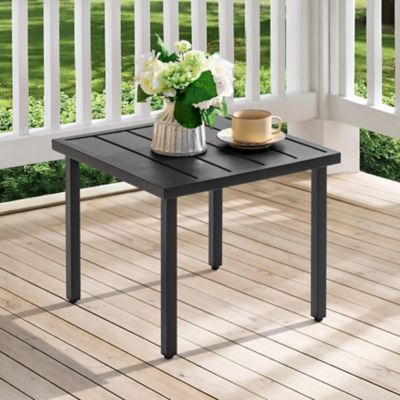
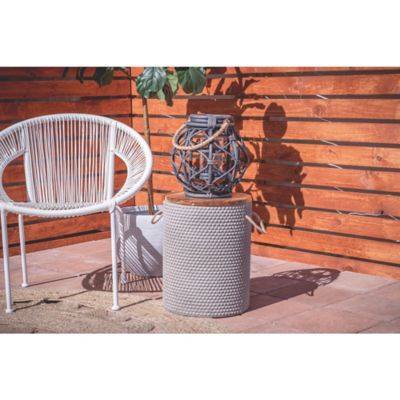
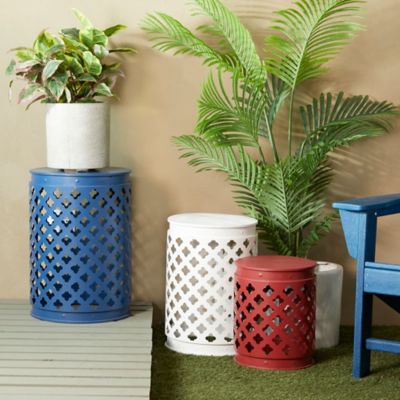
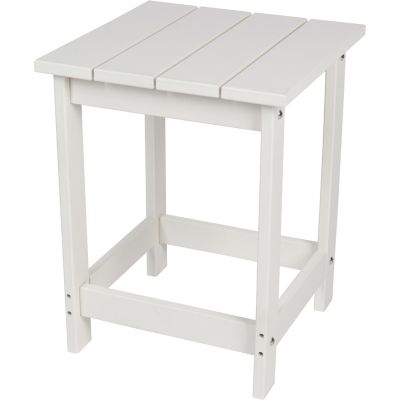
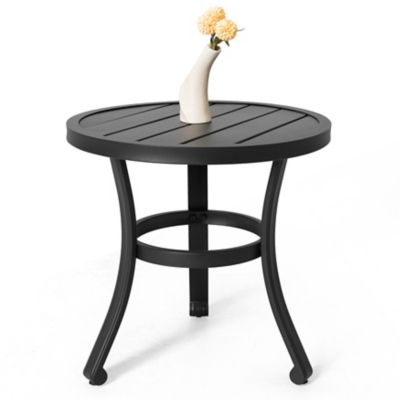
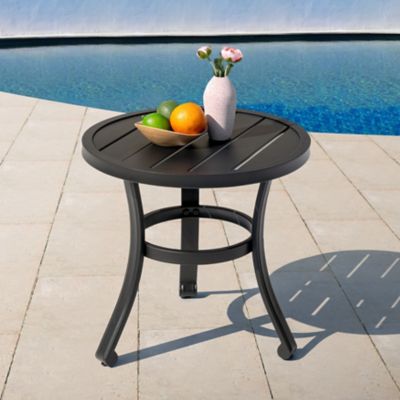
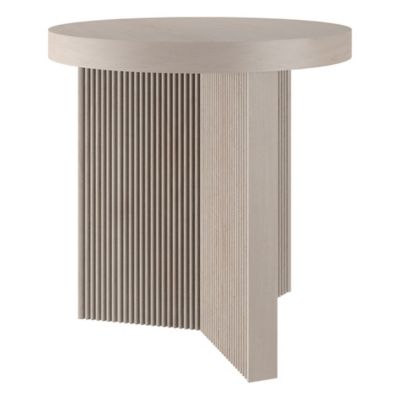
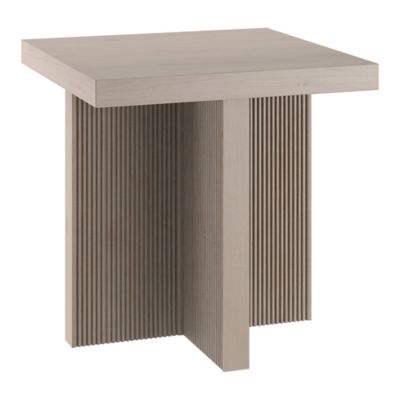
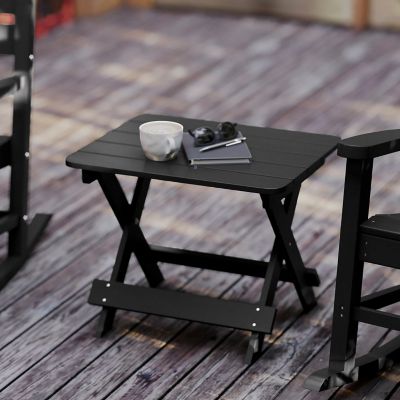
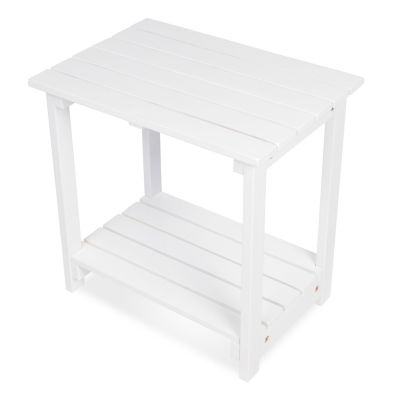
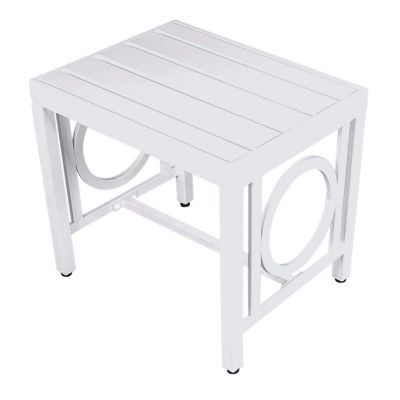
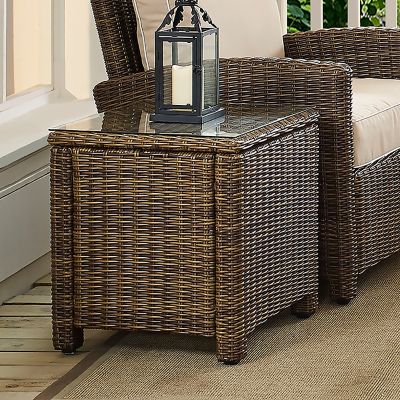
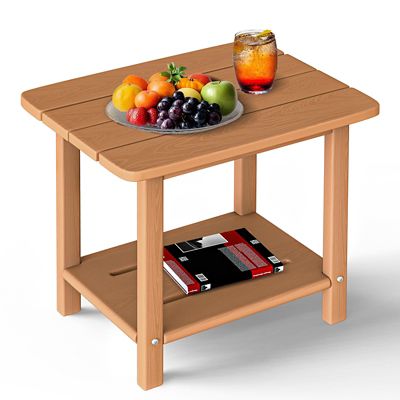
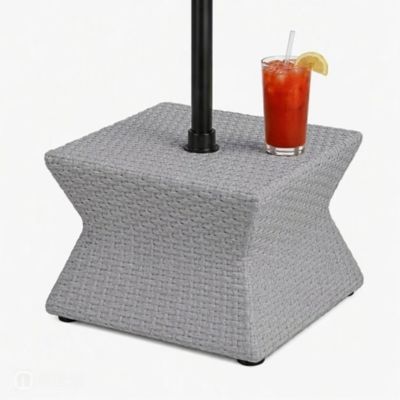
Contemporary outdoor side tables give drinks, books, and small everyday things a place to land without taking up much room on a porch, deck, or patio. Straight legs, slim frames, and simple round or square tops are common, but a table doesn’t have to look sharp-edged to feel contemporary. A low drum shape or a top with rounded corners has the same clean look and can sit just as easily beside a pair of porch rockers as it does next to a low-slung patio sofa. Start with the seat the table will serve. A top about level with the chair arm or just below it is a handy starting point, especially when the main job is holding a coffee mug. For an armless lounger, picture reaching over from the seat rather than matching the height of the back. If the table will sit between two chairs, leave enough space for both people to get in and out without knocking their knees, and give rockers room to swing back without catching the edge. A round top is handy where folks pass close by, while a square or rectangular top can make good use of the narrow strip beside a sofa. Measure the base as well as the top: legs that angle out can eat up more floor space than the tabletop suggests. On a narrow porch, the difference between a good fit and a tight squeeze might come down to whether someone can carry a plate past the table while another person is sitting down. The top doesn’t need to be wide if it’s just holding a drink and a phone, but a shared table should have room for two glasses and a snack plate without leaving anything perched on the edge. Matching tables can frame a sofa neatly, though a single table beside the seat that gets the most traffic often does the job.
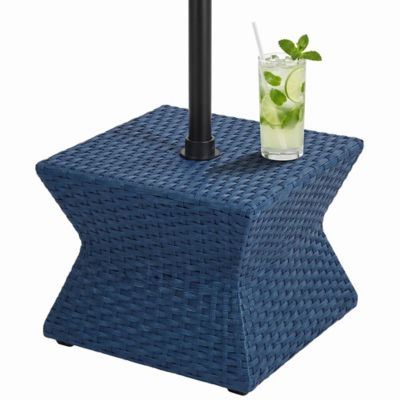
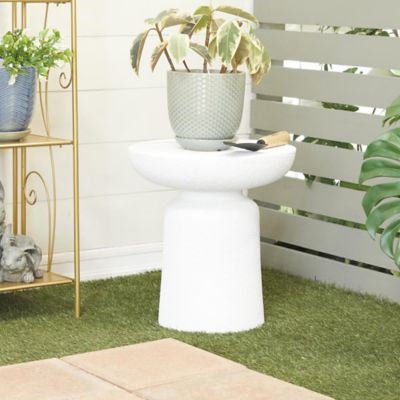
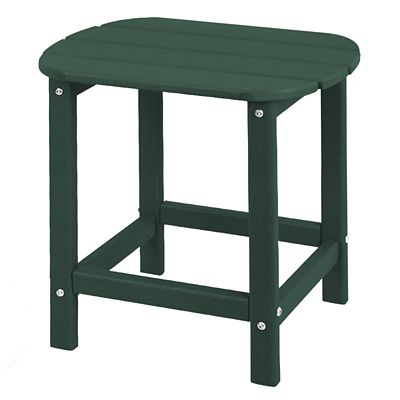
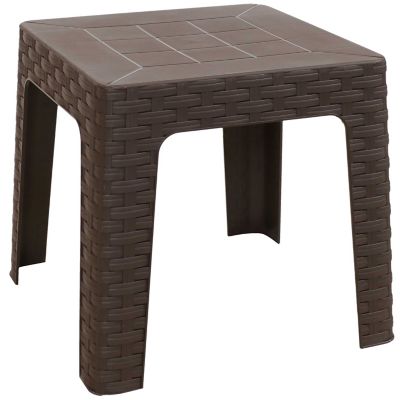
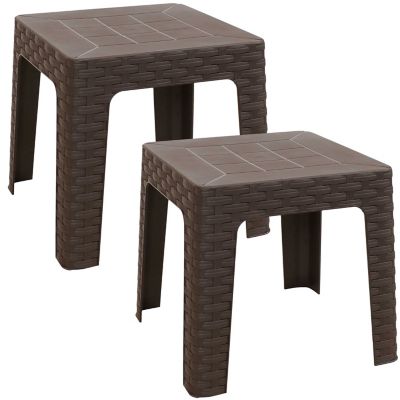
Material makes as much difference to how an outdoor side table works as it does to how it looks. Cast concrete has a solid, substantial feel and makes sense when the table has a spot of its own. Magnesium oxide composites can give a table a similar sculpted look, though the weight and surface finish vary with the build. Aluminum is generally easier to pick up and move, which comes in handy when chairs get pulled into a circle. Powder-coated steel can bring a little more heft to a slim frame, and keeping that coating intact helps protect the metal underneath. Teak brings natural grain to a simple frame and can take on a silvery gray tone over time if left unfinished. High-density polyethylene lumber, often called HDPE, gives a table the look of boards without the need for routine staining or sealing. Some versions incorporate recycled plastic. Woven outdoor surfaces can soften the look of straight-lined seating, but pay attention to what actually supports a glass: a smooth inset top will hold a narrow tumbler steadier than a raised weave or widely spaced slats. For a table that will sit beyond the porch roof,
Weather Resistant Outdoor Side Tables offer another way to compare materials and finishes suited to more exposed spots. Whatever the material, make sure all the feet can rest on a firm, level surface. A slim foot that sits fine on a concrete slab might line up with a gap between deck boards, while a broad base needs enough room to sit flat without bridging the edge of a paver. If the table is meant to hold a heavy planter, check the weight limit with the pot, soil, and water in mind. A wide top gives a pot more room, but width alone doesn’t tell how much the table can support.
Care is easiest when it fits the way the table earns its keep. For everyday dust and crumbs, a soft cloth and mild soap are enough for many surfaces; follow the care directions for the particular finish. Slatted tops and woven edges can catch bits of potting soil or crumbs, so a soft brush can be handy there. For concrete or stone, a coaster or saucer helps keep drink rings and planter marks off the surface, especially on finishes that can absorb moisture. Wood may call for a different routine depending on whether the goal is to keep its original color or let it gray naturally. On a coated metal frame, skip abrasive scrubbers that can scratch the finish, and lift the table rather than dragging it across a rough patio. That’s worth keeping in mind if the table will spend half its time beside the grill and the other half by the back steps. For a spot near the grill, set it clear of the cooking area and think of it as a landing place for a plate or a glass rather than a work surface for hot pans. Next to a porch chair, the same table might hold a paperback and reading glasses; between loungers, a smooth top makes it easier to set down a drink without sitting all the way up. A small outdoor side table can also make a practical housewarming gift for someone with a first apartment balcony or a new back porch. When the layout is unfamiliar, a smaller, easy-to-move table leaves the recipient room to try it beside different seats. When the spot is already spoken for, a heavier table with a broad base can feel right at home. Either way, the best fit puts the things people reach for within easy reach and leaves enough room to walk by.