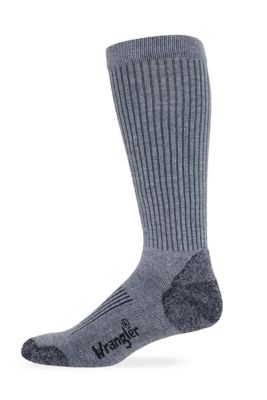
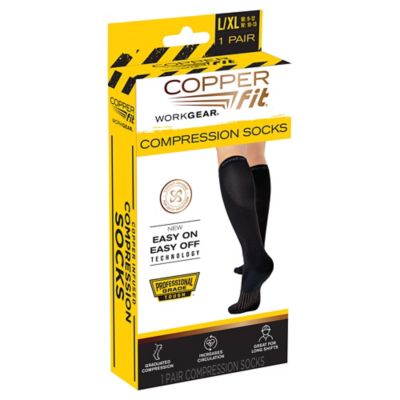
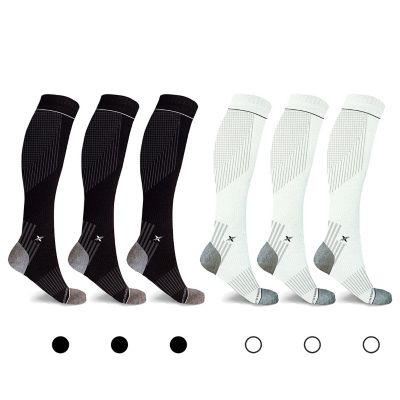
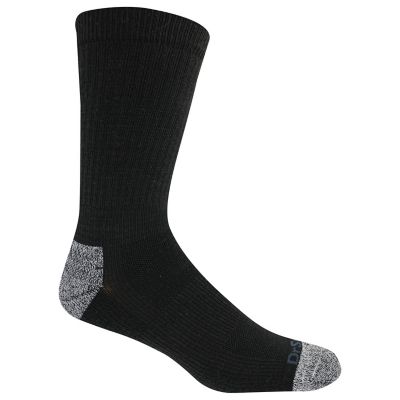
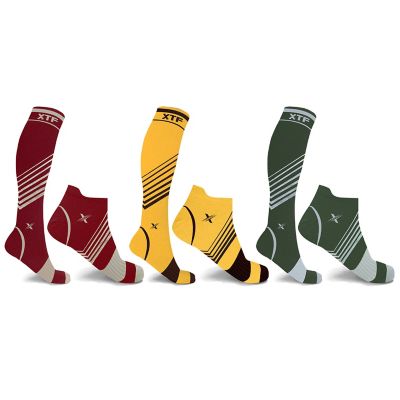
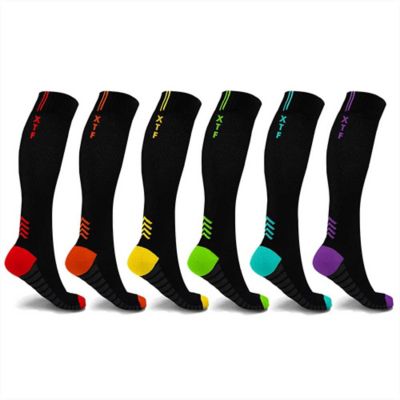
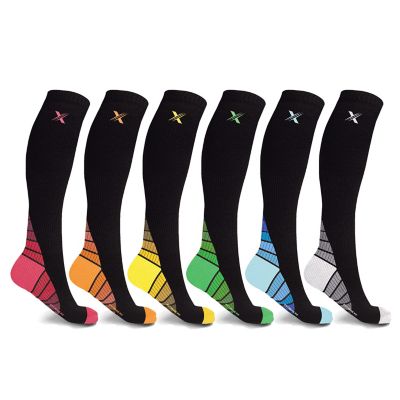
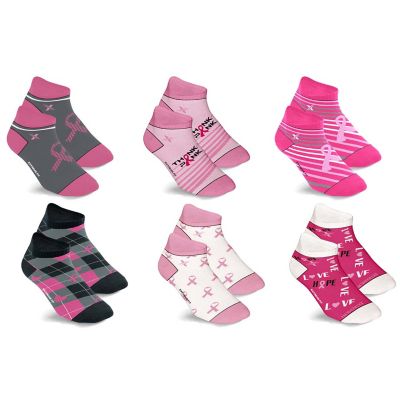
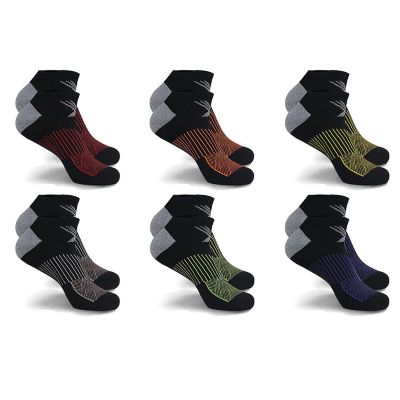
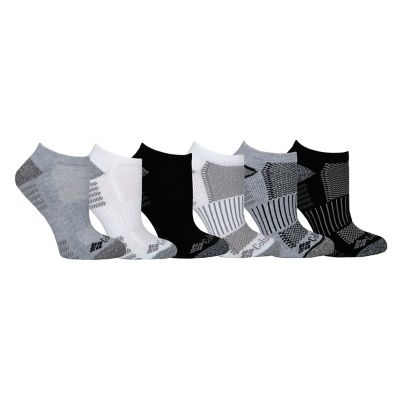
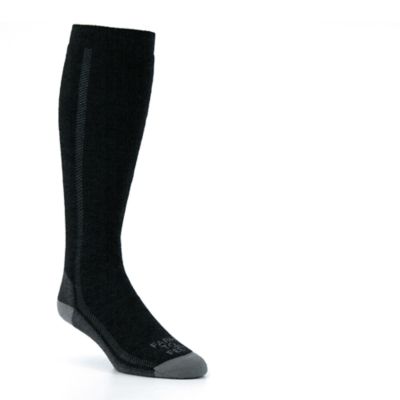
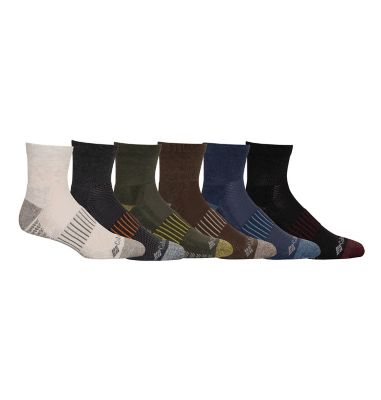
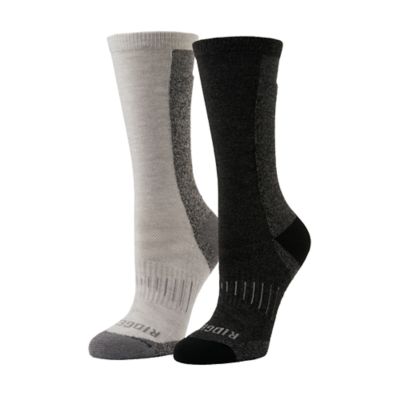
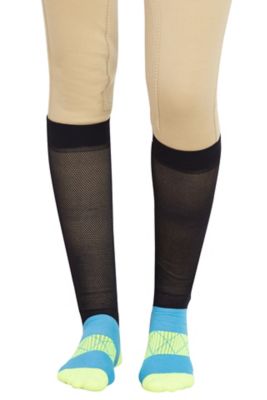
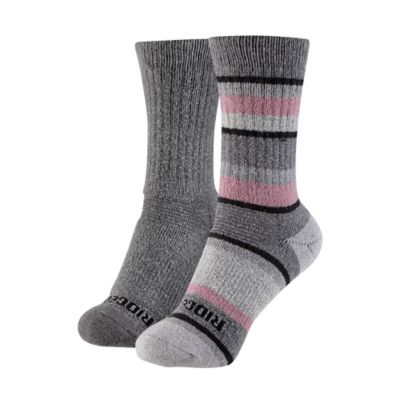
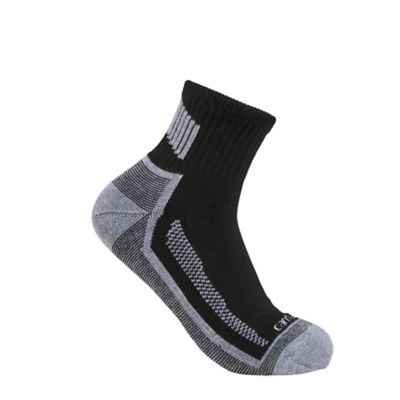
Compression socks for leg fatigue apply pressure to the lower legs to support circulation and help ease the tired, heavy feeling that can follow long stretches of standing or sitting. Graduated compression designs provide the most pressure at the ankle, with pressure decreasing farther up the leg to help blood move back toward the heart. That support may also help limit mild swelling around the feet and ankles. For someone working a feed counter, standing at a workbench, or spending hours behind the wheel between stops, the appeal is straightforward: a close-fitting sock that adds support without taking up much extra space inside a shoe or boot. These socks are different from ordinary snug socks because their compression is designed to deliver a stated amount of pressure. Compression levels are measured in millimeters of mercury, written as mmHg. Common lighter ranges include 8–15 mmHg and 15–20 mmHg, while 20–30 mmHg provides firmer compression. Those numbers describe pressure, not fabric thickness, cushioning, or how well a sock will hold up. A higher number is not automatically a better choice for tired legs. The appropriate level depends on the reason for wearing compression, personal health, and any recommendation from a healthcare professional. Firmer compression, particularly 20–30 mmHg or higher, deserves that conversation before purchase. Anyone with poor arterial circulation, reduced feeling in the feet, or diabetes should also check with a healthcare professional before choosing compression socks. Everyday support can fit into a routine that includes walking breaks and changing position when possible, but socks do not replace movement or address every cause of aching legs. The most suitable pair matches the wearer’s needs, footwear, and daily tasks rather than simply offering the strongest squeeze.
Fabric and construction make a noticeable difference when socks stay on through a full workday. Nylon and polyester blends commonly provide a smooth feel and help move moisture away from the skin, while spandex supplies the stretch needed for a close fit. Cotton blends can offer a familiar, soft feel, though their moisture handling depends on the full fabric mix. Merino wool blends are another option for moisture management and odor control. Fiber content alone does not tell the whole story; knit structure, seam placement, and cushioning all affect comfort. A smooth toe seam can reduce rubbing inside close-fitting footwear, and cushioning beneath the heel and ball of the foot can soften contact with a firm footbed. Extra padding also takes up space, so a heavily cushioned sock may feel crowded in a boot that already fits closely. Reinforced heels and toes can help the areas that see repeated friction, especially when work involves walking across concrete floors or climbing on and off equipment. Fit matters just as much as fabric. Compression sock sizing often calls for ankle and calf measurements, sometimes along with shoe size and lower-leg length. Following the maker’s size chart is more useful than assuming a usual sock size will work. Measurements taken early in the day, before swelling develops, generally provide a better starting point. Knee-high styles commonly finish just below the knee, without bunching behind it or digging into the calf. A shaped heel should sit at the heel rather than pulling underneath the foot, and toes should have room to move. For shoppers comparing lengths,
Crew Socks With Arch Support offer another category to consider for support around the foot, although arch support alone does not provide the graduated lower-leg compression of a compression sock.
Daily wear and care are part of finding a pair that earns its place in the sock drawer. Many people find compression socks easier to put on early in the day, before their ankles begin to swell. Gathering the sock toward the heel and working it gradually over the foot can be easier than pulling hard on the top cuff. Once on, the fabric should lie smoothly against the skin, with no twisted sections, deep wrinkles, or folded cuff. A supportive fit should feel snug, not painful; numbness, tingling, skin color changes, or a cuff that leaves a deep groove are reasons to remove the socks and seek advice about fit and compression level. New swelling in just one leg, redness, or unexplained leg pain calls for prompt medical attention rather than a tighter pair of socks. Daytime compression socks are generally worn while awake unless a clinician recommends otherwise. For everyday upkeep, the care label is the best reference because elastic fibers and fabric blends have different washing requirements. A gentle wash cycle and mesh laundry bag can help limit snagging, while air-drying or a label-approved dryer setting helps protect stretch. Avoiding chlorine bleach and skipping fabric softener when the label advises it can also help preserve the fabric’s intended performance. Repeatedly tugging at the cuff or catching the knit on rough fingernails can shorten a sock’s working life. Stretched-out sections, thinning heels, and cuffs that no longer stay in place are signs to reassess a pair. Compression socks can also make a practical gift for a partner or family member who already wears them for long shifts or travel, provided the giver knows the correct size and recommended pressure range. For someone new to compression, choosing the fit together makes more sense than guessing. The goal is comfortable, well-matched support that works with an ordinary day, from the first chore to the last walk back to the truck.