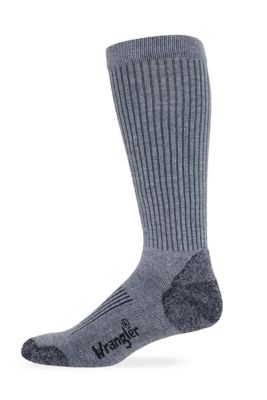
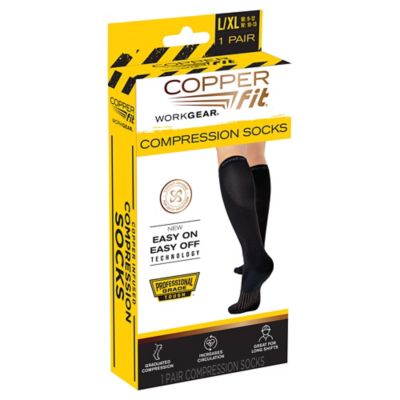
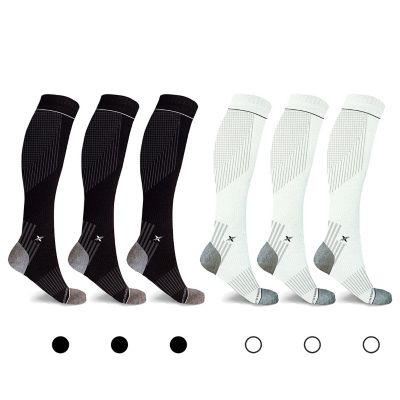
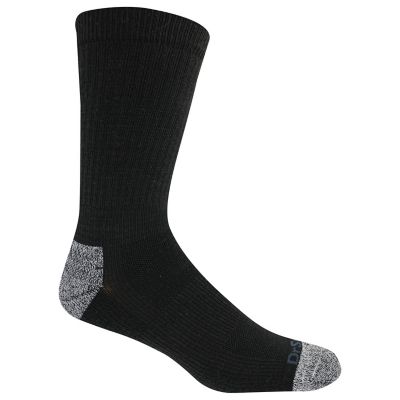
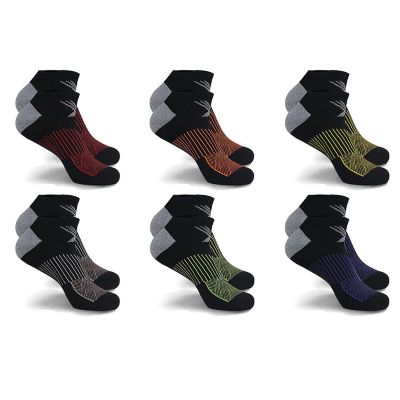
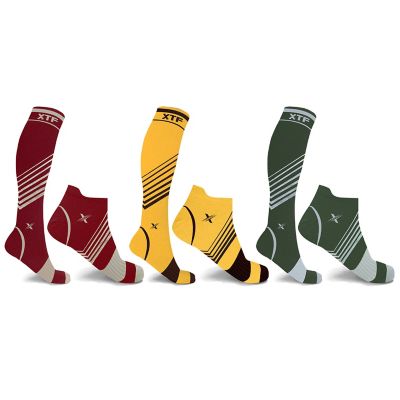
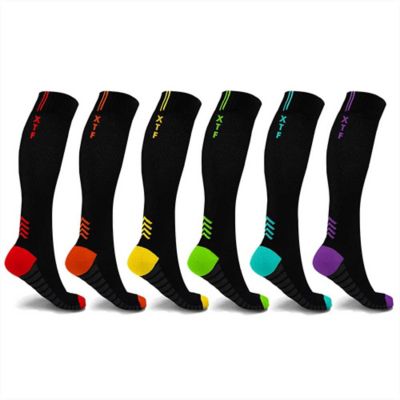
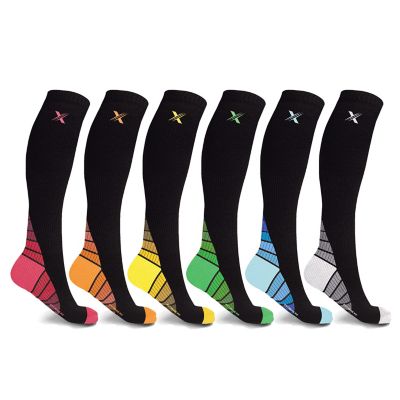
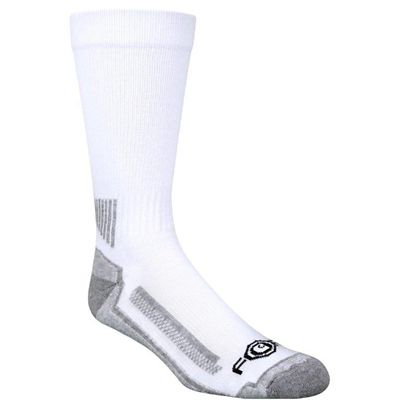
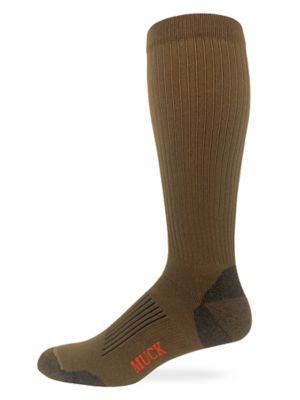
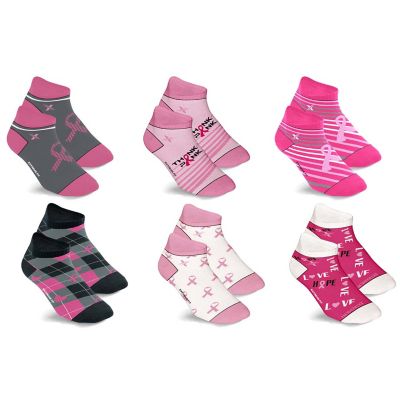
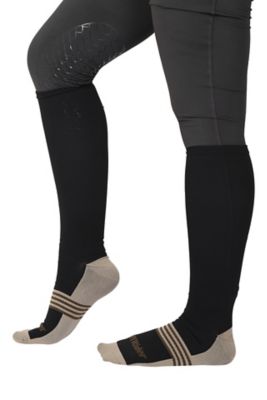
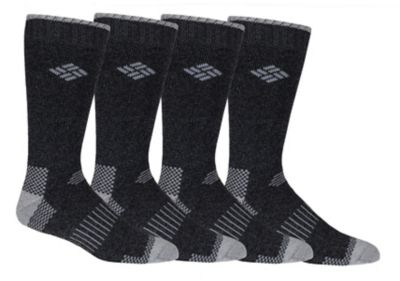
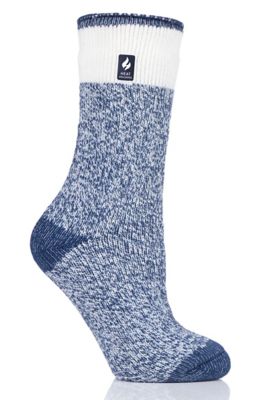
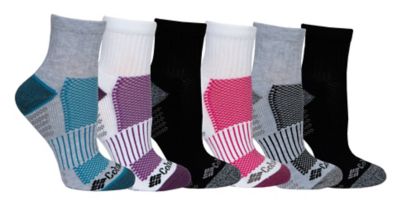
A long stretch on a concrete shop floor, a day behind the wheel, or hours spent tending animals can leave feet ready for a break. Compression socks for tired feet bring a close, supportive fit to everyday routines, whether that means walking fence lines, standing at a workbench, or moving between the house and barn. Unlike an ordinary sock that mainly provides a layer between skin and footwear, a compression sock applies measured pressure around the foot and lower leg. Graduated styles generally provide the most pressure near the ankle, with pressure easing farther up the leg. That construction is intended to support circulation and can help some wearers manage the heavy, tired feeling that comes with extended standing or sitting. The feel varies with the sock’s compression level, knit, and coverage, so a comfortable match depends on more than shoe size alone. Knee-high styles cover the calf, while shorter compression socks concentrate their fit around the foot and ankle. Neither height is automatically the right choice for every person or every task. Someone walking through a feed room in work boots may want a different combination of cushioning and coverage than someone sitting through a long drive or standing behind a counter. Compression also does not have to mean a thick sock. Some designs fit close with very little padding, while others add cushioning beneath the heel and ball of the foot. The goal is a smooth layer that works with the footwear already doing the job, without crowding the toes or bunching beneath the arch. For people whose days involve plenty of time on their feet, that balance of support, padding, and room inside the boot matters more than an extra-heavy feel. A sock that suits a short walk may feel quite different through a full shift, especially when its seams, cuff, and cushioning sit against the same spots for hours.
Materials and construction help determine how compression socks feel from the first chore to the last trip across the yard. Nylon and polyester often form the main body of the fabric, while spandex supplies stretch and helps the knit maintain its close fit. Cotton blends can offer a familiar, soft feel, and merino wool blends can help manage moisture and reduce lingering odors. Fiber content tells only part of the story, though. A dense knit, a padded sole, and a broad cuff all affect how a sock wears inside a boot. Moisture-wicking construction is worth considering for active work, since damp fabric and repeated rubbing can leave feet uncomfortable. Smooth toe seams may be welcome when boots fit closely across the front, while reinforced heels and toes add material in areas that get plenty of friction. Fit deserves just as much attention as fabric. Compression sizing may call for ankle and calf measurements, and knee-high styles may also account for lower-leg length. A shoe-size range by itself may not tell the whole story, particularly for someone with a broader calf or a narrow ankle. The cuff should rest flat rather than fold or roll, and the foot section should line up with the heel instead of pulling the toes backward. Wrinkles, digging bands, and fabric gathered around the ankle can signal a poor match. Compression strength is often listed in millimeters of mercury, or mmHg; a larger number means greater pressure, not a better everyday sock for everyone. Follow the sizing and wear directions for the style, and check with a healthcare professional when choosing compression for a medical concern. That is especially important for anyone with circulation problems, diabetes, reduced sensation, or skin wounds. New or unexplained swelling, pain, or changes in skin color call for medical attention rather than simply a tighter sock. Comfort should never require putting up with numbness, tingling, or a cuff that cuts into the leg.
Everyday practicality matters once compression socks become part of the morning routine. A stretch opening and a knit that is manageable to pull on can make a difference for someone with stiff hands or limited reach. Pulling hard on the top edge can strain the fabric; easing the sock over the heel and smoothing it up the leg helps keep the fit even. Footwear matters here, too. A thick cushioned sock can take up space inside a close-fitting work boot, while a tall sock needs enough room beneath the boot shaft to lie flat. For someone comparing lower-leg compression with a shorter sock focused on the foot,
Crew Socks With Arch Support offers another way to consider everyday support; an arch band and graduated compression serve different purposes and should not be treated as interchangeable. Care is another part of getting lasting wear from any stretch-knit sock. Follow the care label for washing and drying, and avoid bleach or fabric softener unless the directions specifically allow them. Excessive dryer heat can weaken elastic fibers, so the recommended drying method matters as much as the wash cycle. Keeping toenails smooth and checking boot interiors for rough edges can help limit snags and worn spots. Rotating pairs gives each one time to be washed and fully dried between wearings. Over time, a stretched cuff, thinning heel, or noticeably looser fit can mean the sock no longer provides the same support it once did. Compression socks can also make a practical gift for someone who spends long days standing, provided the recipient’s measurements and preferred compression level are known. A familiar shoe size is not always enough for this kind of fit. Whether the day involves chores, travel, or a shift on hard flooring, the best match is a sock that fits the person, fits the footwear, and provides the intended support without getting in the way.