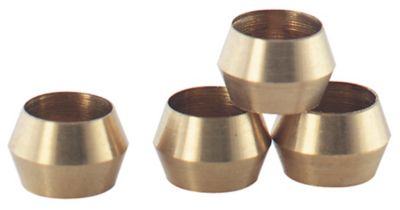
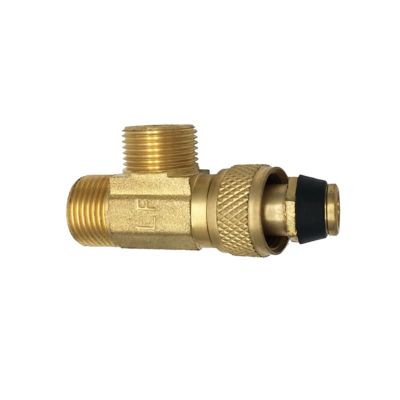
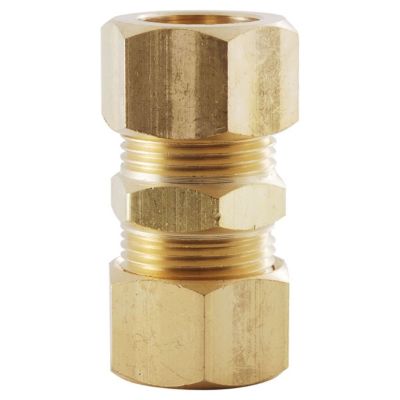
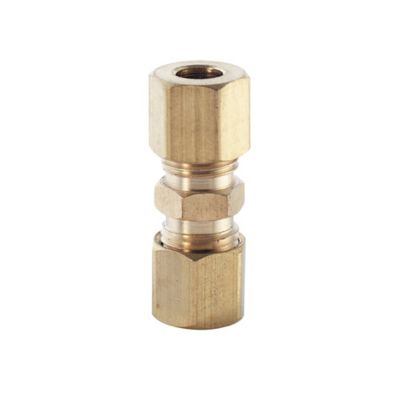
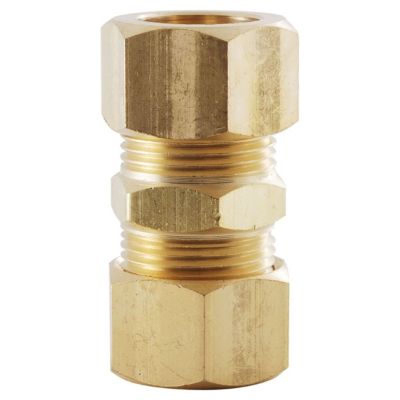
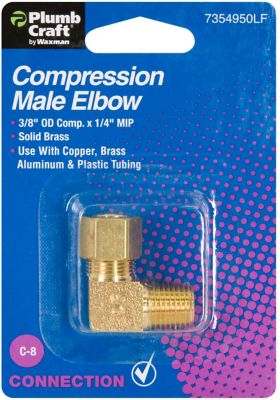
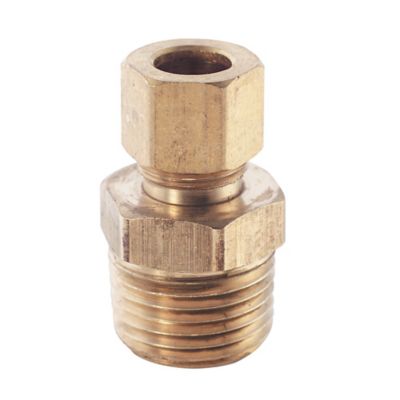
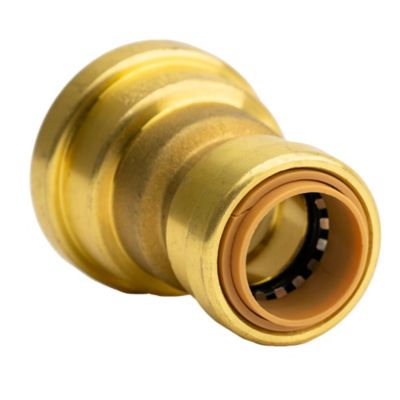
Compression fittings for copper pipes make a mechanical connection without soldering, joining copper tubing with a fitting body, a compression nut and a small ring called a ferrule or olive. As the nut tightens, it presses the ferrule against the tubing and the fitting body to form a seal. That design makes these fittings a practical choice for accessible plumbing connections where a soldered joint would be awkward, such as beneath a sink, beside a shutoff valve or along an exposed supply line in a farm shop. There is no need for an open flame at the joint, though proper fit and installation still matter. Brass is a common material for compression fitting bodies and nuts, and many designs also have brass ferrules. The fitting’s listed specifications determine whether its materials suit the pipe and the intended service. Straight couplings join two tubing ends, elbows change direction, tees create branches and reducing fittings connect compatible tubing of different sizes. Adapters provide transitions between compression connections and other connection styles. Each shape serves a different purpose, so the layout of the line matters just as much as its diameter. A straight connection beneath a utility sink calls for different clearance than a turn around a cabinet corner. On a rural property, these fittings can be part of an accessible water connection serving a laundry area, workshop sink or another fixture, provided the fitting is approved for that application. Homeowners, plumbers and property maintenance crews often consider compression connections when replacing a fixture connection or repairing a short section of exposed tubing. Their appeal is straightforward: a compact connection that does not require soldering and can remain within reach for inspection. Accessibility is an important part of the selection, not an afterthought. Local plumbing rules and manufacturer requirements determine where a fitting can go, and compression connections should remain accessible rather than disappearing behind finished walls or beneath floors where a small leak could go unnoticed.
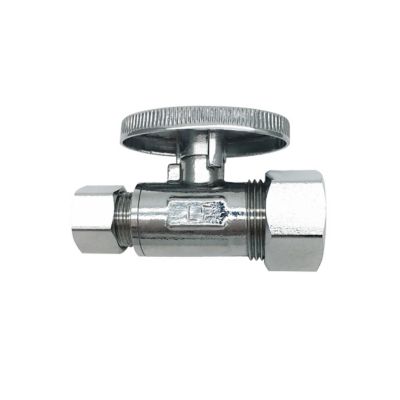
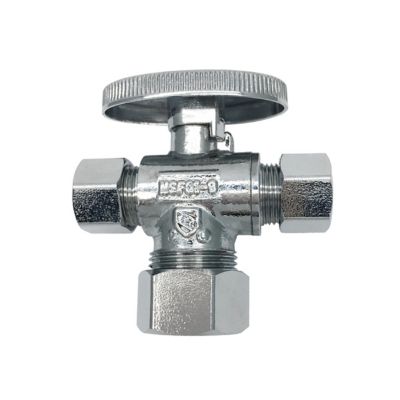
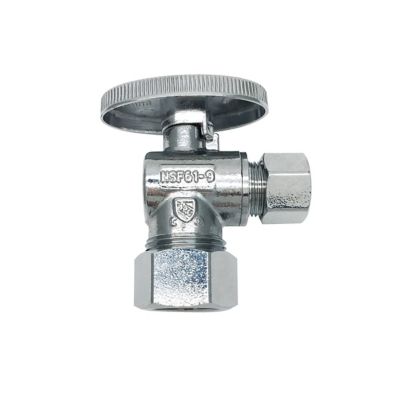
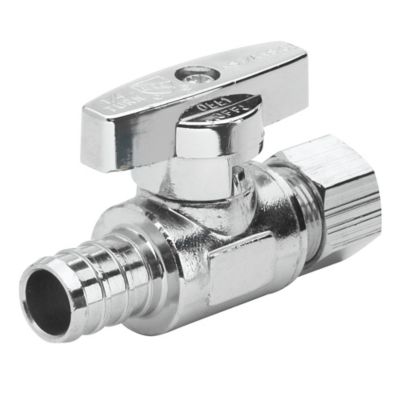
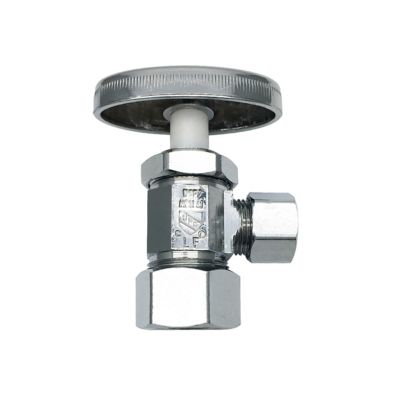
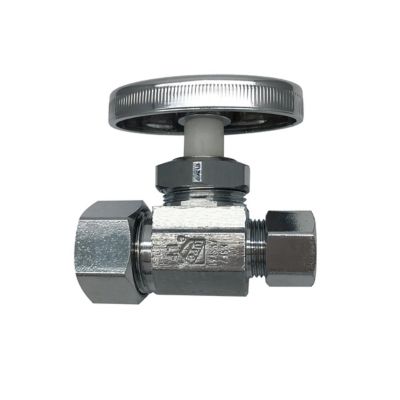
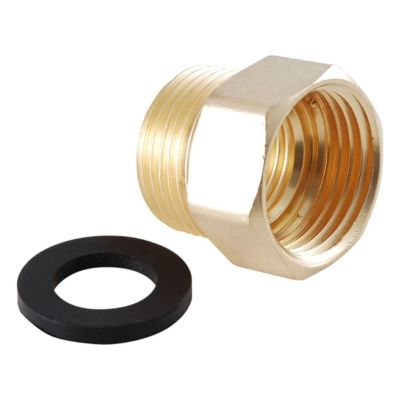
Getting the size right starts with knowing how the copper line is measured. Copper water tubing commonly carries a nominal size, while compression connections often specify the tubing’s outside diameter. For example, nominal 1/2-inch copper water tubing has a 5/8-inch outside diameter. A compression connection labeled for 1/2-inch outside-diameter tubing is therefore not automatically a match for nominal 1/2-inch copper water tubing. Checking the actual outside diameter and the fitting’s sizing convention helps prevent a frustrating mismatch once the water is shut off and the cabinet is cleared out. Copper tubing types K, L and M have different wall thicknesses but share the same outside diameter at a given nominal size; the fitting manufacturer’s compatibility requirements still apply. Beyond diameter, consider the connection at each end. A compression-to-thread adapter needs both the correct compression size and the correct thread size and type. Pipe threads and compression threads seal differently and are not interchangeable simply because they appear close in size. Matching nuts, ferrules and bodies also matters, since parts from different fitting designs may not work together. For a drinking-water line, look for fittings designated for potable water and meeting applicable lead-free requirements. Pressure ratings and approved applications deserve the same attention, especially when a connection serves equipment rather than an ordinary household fixture. Approval for water service does not establish suitability for fuel gas, compressed air or another fluid. When the job also calls for a way to isolate a fixture,
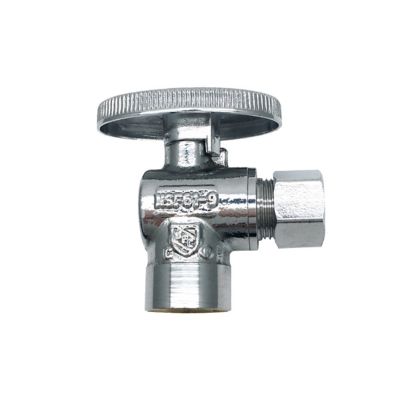
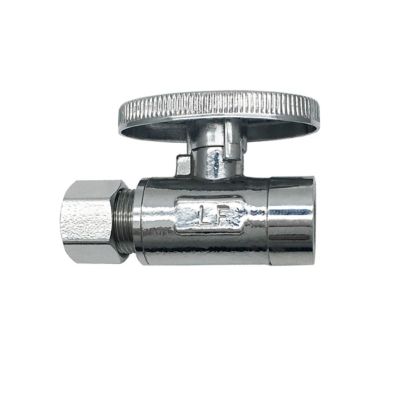
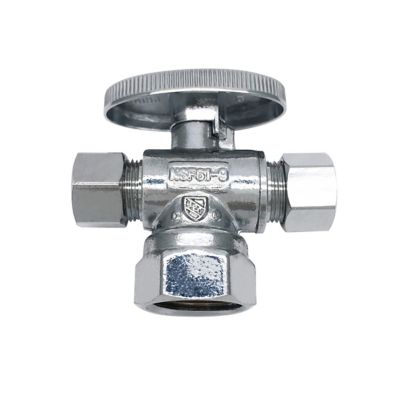
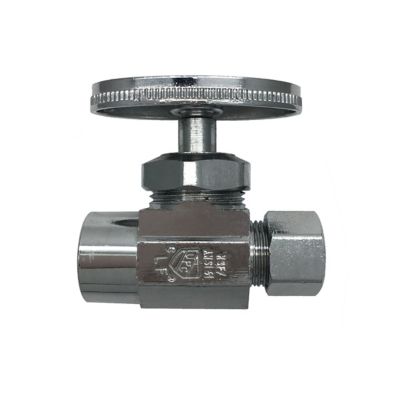
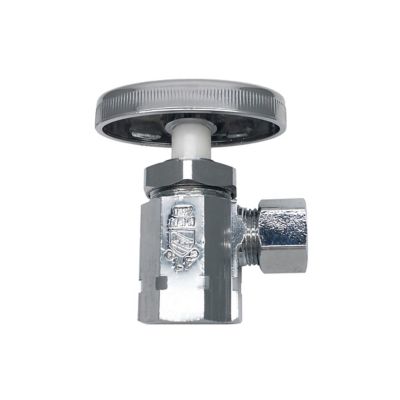
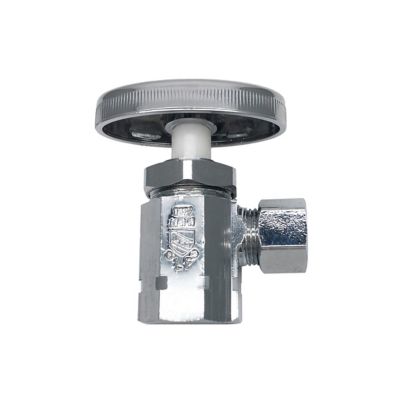
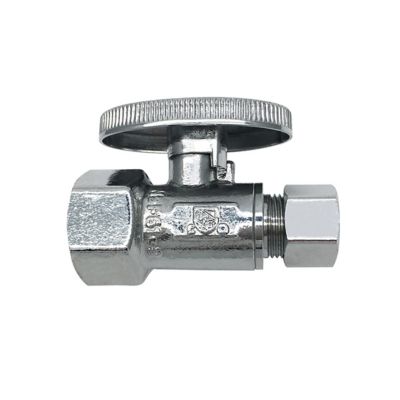
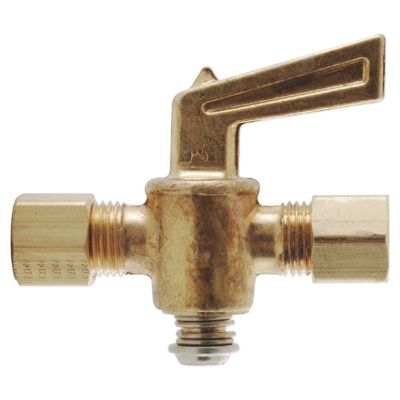
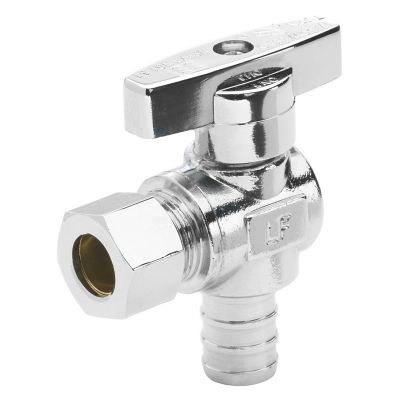
Compression Fitting Shut Off Valves provide a related connection option to consider. Valve selection includes the same tubing-size checks, along with outlet compatibility and room to operate the handle. Beneath a crowded sink, enough space for a wrench and an easy reach to the shutoff can make future maintenance less troublesome. A fitting that matches the tubing but leaves the valve handle pinned against a cabinet wall is not a good match for that layout.
The condition of the copper tubing has a lot to do with how well a compression connection performs over time. The ferrule needs a clean, round section of tubing with no deep scratches, dents or heavy corrosion in the sealing area. Paint, old residue or damage near the pipe end can interfere with the fit, while an uneven cut or burr can keep the tubing from seating properly. These details are worth considering when deciding whether an existing line is ready for a replacement fitting or needs attention from a plumber first. Manufacturer directions govern insertion depth, tightening and any approved lubricant; tightening harder is not a substitute for a sound pipe surface and a matching fitting. Too much force can distort the ferrule or tubing, and too little can leave the joint without enough compression to seal. The compression seal forms at the ferrule, not along the nut’s threads, so thread-sealing tape is not a remedy for a leaking compression joint. A separate pipe-thread connection on an adapter may have its own sealant requirements. Support matters, too. A fitting should not carry the weight of unsupported piping or compensate for tubing pulled sideways to reach a fixture. A neatly supported line with room around the joint is easier to inspect and less likely to place strain on the connection. Care is mostly about keeping the area accessible and watching for moisture, mineral deposits or staining around the joint. A dry cabinet floor and an unobstructed view beneath a utility sink make those changes easier to spot. Connections that have been taken apart need particular attention: a ferrule can remain attached to the tubing, and whether any component can return to service depends on its condition and the manufacturer’s instructions. For a repair that involves damaged copper, unclear sizing or an uncertain application, professional plumbing help can prevent a small connection problem from becoming a bigger property repair. The best fit is a fitting matched to the tubing, the water service and the space where it will stay.