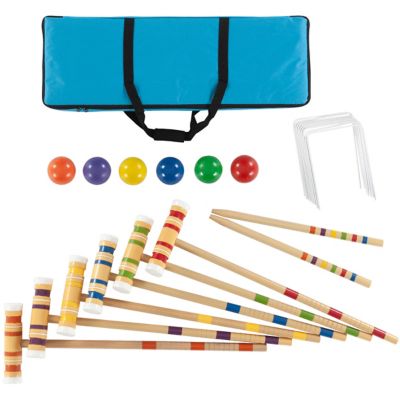
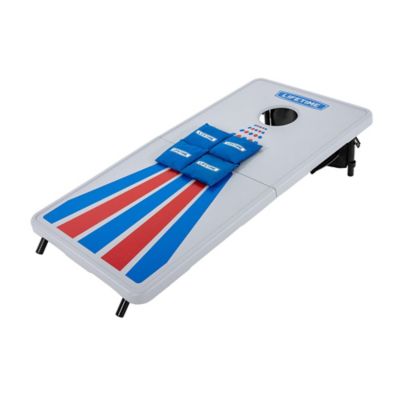
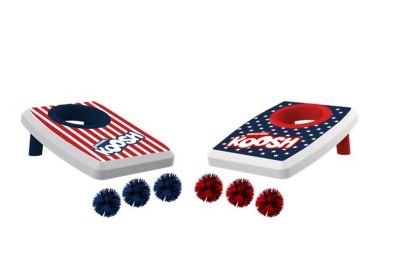
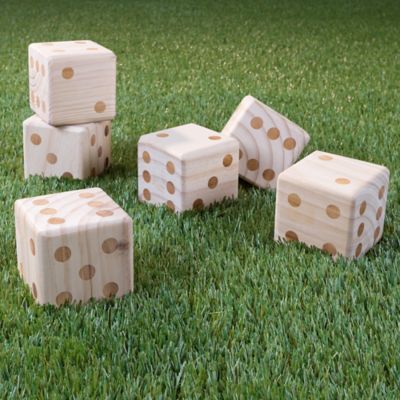
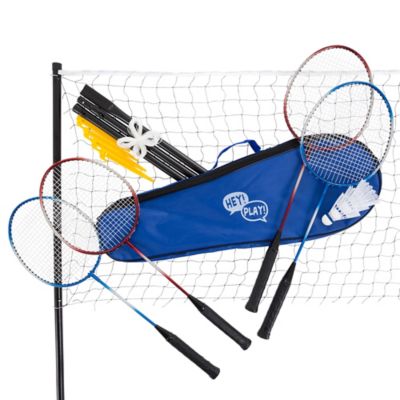
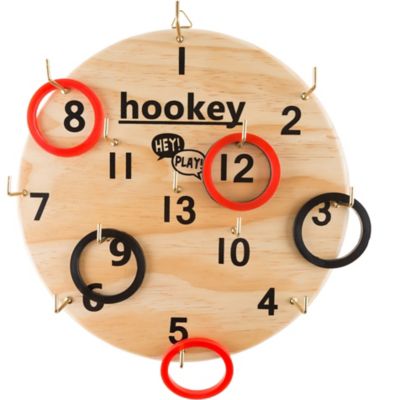
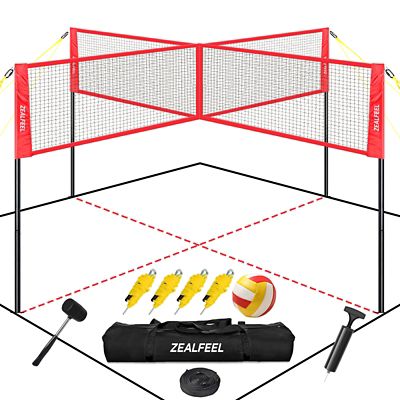
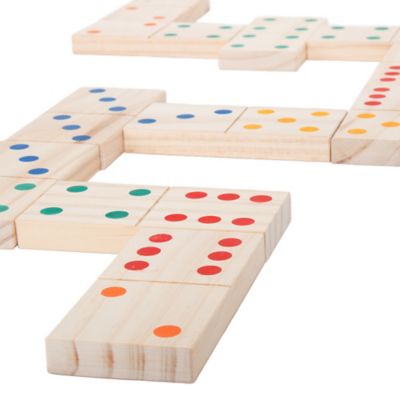
Lawn games turn a patch of grass into a place where family and friends can settle into a little friendly competition. They fit right in at a backyard cookout, a family reunion, a campground gathering or an afternoon spent visiting with neighbors. Some games reward a steady hand and a well-placed toss; others call for rolling, aiming or knocking down a target. That variety makes it possible to match the activity to the crowd rather than expecting every player to enjoy the same kind of challenge. A game with short rounds leaves room for conversation between turns, while team play gives younger players a chance to partner with someone who knows the ropes. For a relaxed get-together, simple scoring and easy-to-see targets help people join without needing a long explanation. Larger gatherings may benefit from a game that keeps several people involved instead of leaving most of the group waiting on the sidelines. The playing area matters, too. A broad, fairly level stretch of lawn gives balls a more predictable path and makes it easier to position targets evenly. Taller grass, exposed roots and uneven ground can change how a ball rolls or how a target sits, so the best match depends partly on the yard itself. Rolling games, including
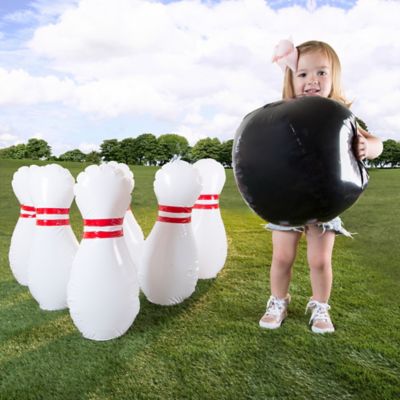
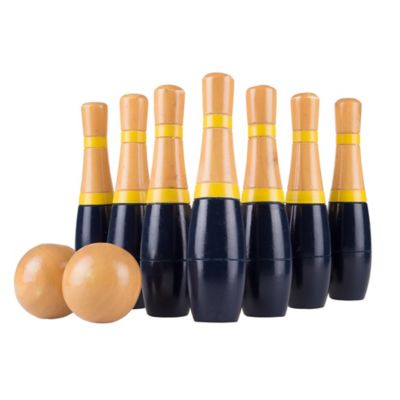
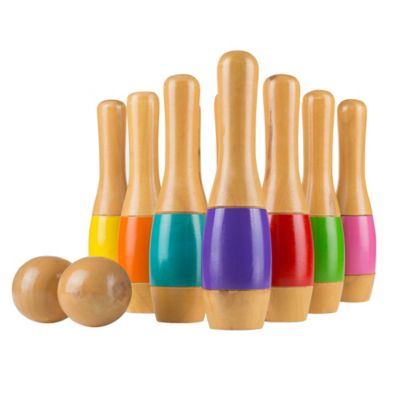
lawn bowling sets, offer a different pace from throwing games and can suit gatherings where players enjoy lining up a shot rather than sending something across a long distance. Tossing games generally need enough space between the starting line and the target, plus a clear area beyond it. Keeping play away from driveways, gates, animal enclosures and the main path between the house and picnic table helps the gathering run smoothly. A defined playing lane also gives spectators a comfortable place to watch without stepping into someone’s turn. The appeal is straightforward: a little room to play, rules people can follow and enough challenge to make the next round worth sticking around for.
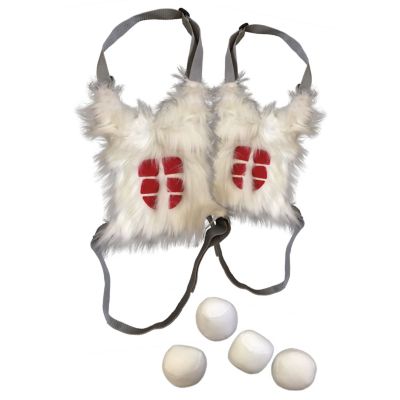
The construction of lawn games affects how they feel in play, how easily they travel and what care they need between gatherings. Wood can provide substantial weight and a firm playing surface, making it a good fit for games that stay near the house or move only a short distance from storage to the yard. Finished wood still benefits from gentle cleaning, protection from standing moisture and storage that keeps edges and corners from getting knocked around. Molded plastic is often lighter to carry and simpler to wipe clean, though the thickness of the material and the design of the supports influence how steady a game feels. Metal components can add weight where a target needs to stay put; coated surfaces, smooth edges and sound connections are worth considering when comparing construction. Fabric throwing pieces bring their own considerations, including the strength of the seams, the feel of the outer fabric and whether the filling suits the intended activity. Consistent size and weight across playing pieces help keep turns fair, especially when several people are sharing a set. A comfortable grip matters as much as appearance. Smaller hands may have an easier time holding a lighter ball or a narrower throwing piece, while larger or heavier components can call for more strength and control. Age recommendations and the maker’s directions help establish whether a game fits the players and the space. Portable designs may include folding supports, nesting pieces or a carrying case, but the packed size matters just as much as the assembled footprint when everything has to fit beside chairs and a cooler. Care need not be complicated: wiping off grass and dirt, letting fabric pieces dry fully before packing them away and checking fasteners for looseness can help a set stay ready for the next gathering. Cases with separate compartments make it easier to keep scoring pieces, targets and smaller parts together. For games with ground anchors, the attachment method should suit the intended surface, and any exposed hardware belongs well outside walking paths.
A good fit comes down to how the game will become part of everyday life. For a household that likes an easy round after supper, quick setup and straightforward storage may matter more than tournament-style scoring. For hosts who bring together a full porch worth of relatives, team options and repeatable rules can help keep the action moving. Games that allow shorter playing distances can accommodate a range of skill levels when their instructions permit it, giving beginners a fair chance without taking the challenge away from more practiced players. People who prefer less walking between turns may appreciate a layout with a nearby seat and room to retrieve pieces without crossing another player’s lane. Clear sightlines and distinct targets also make it easier for players and spectators to follow the score. At a campground or reunion site, manageable carrying weight becomes especially helpful when the playing area is some distance from the vehicle. At home, a set that fits on a garage shelf or in a storage bin is easier to keep together than one with loose parts scattered across several spaces. Lawn games can make thoughtful gifts for a family that enjoys hosting, a couple settling into a place with a yard or a friend who brings people together for casual competitions. The most useful choice reflects the recipient’s available space, preferred pace and willingness to set up and put away equipment. A compact game can suit someone with a modest patch of grass, while a larger layout makes more sense where there is room for a full playing lane. Straightforward rules are helpful for a gift that will be shared across generations, particularly when guests arrive with different levels of experience. The real value is in those familiar moments around the yard: someone lining up a careful toss, a grandparent calling the score from a lawn chair and a youngster eager for another turn. With the right balance of space, handling and ease of care, lawn games give people a reason to linger together long after the plates have been cleared.