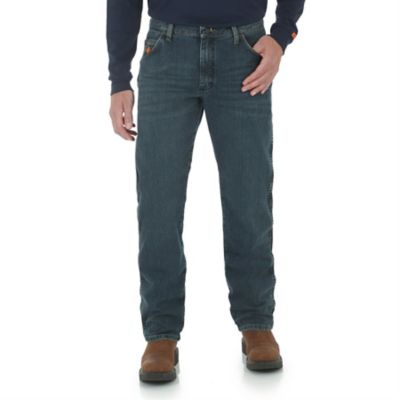
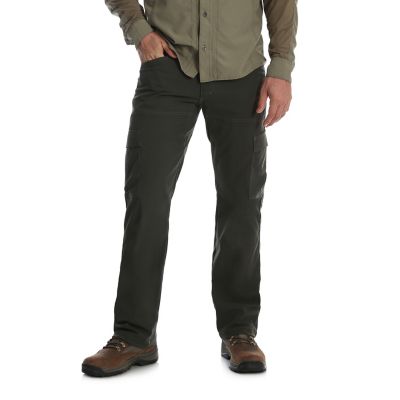
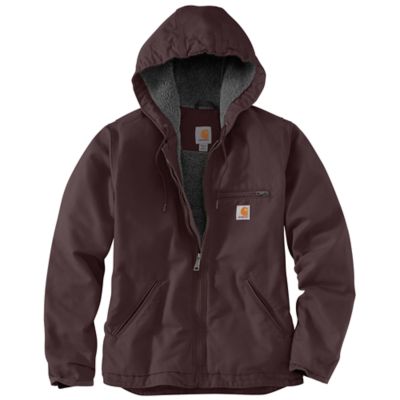
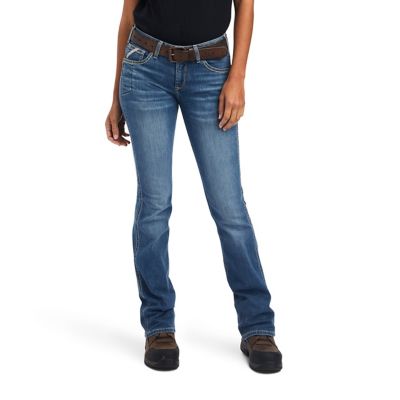
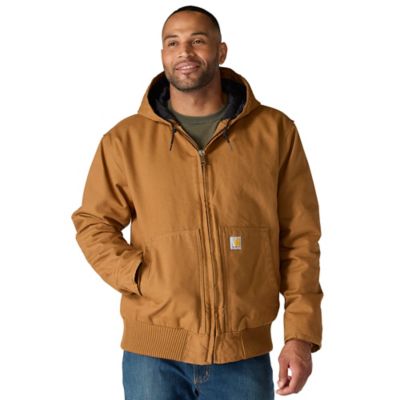
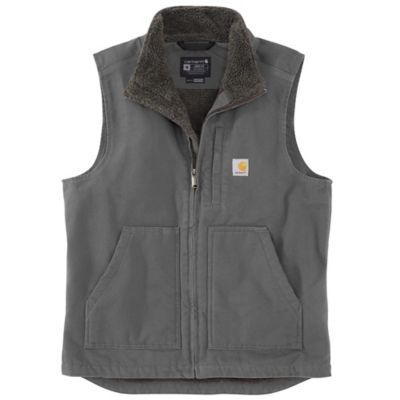
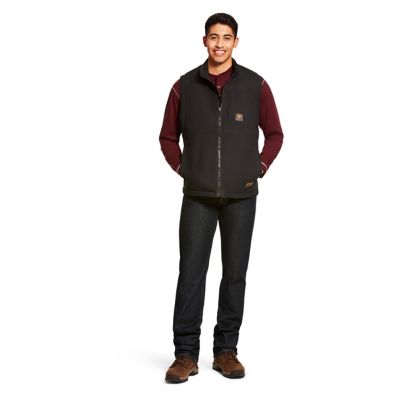
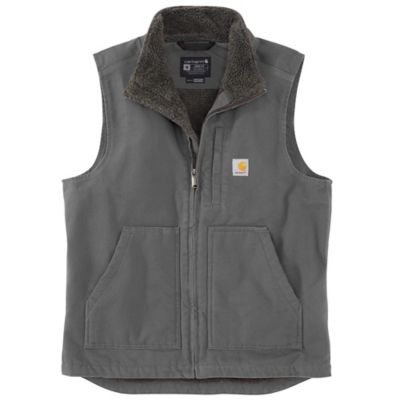
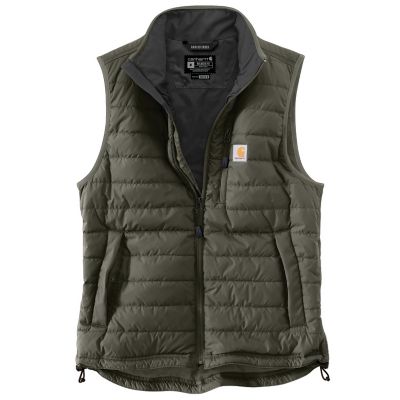
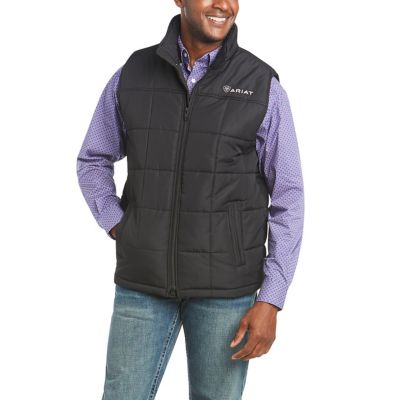
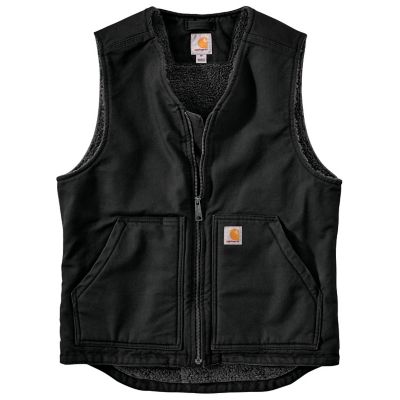
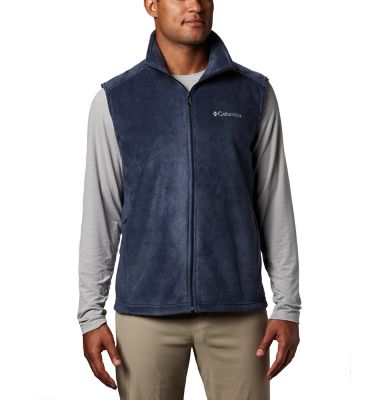
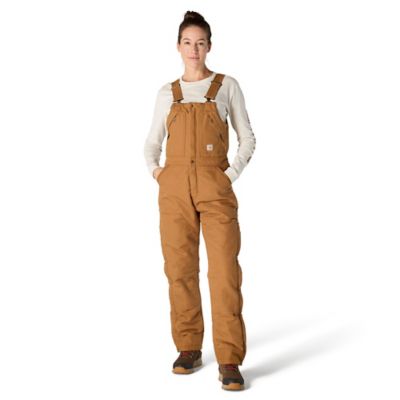
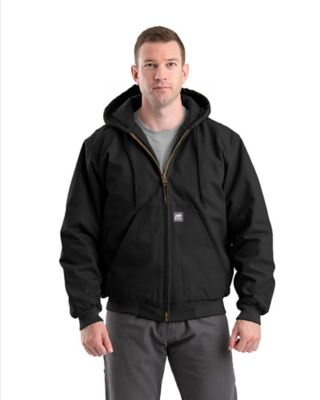
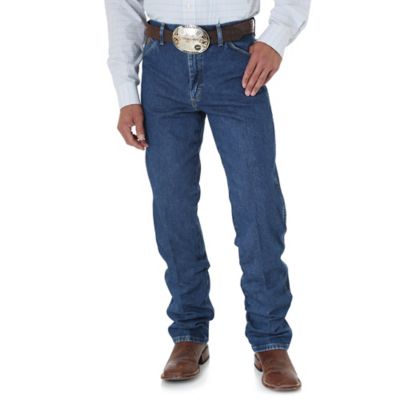
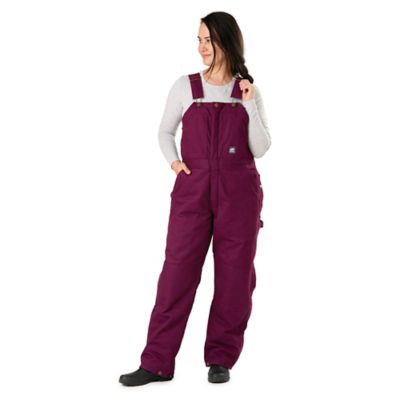
Farm work clothing is made for long days, changing conditions and the kind of hands-on chores that can leave ordinary clothes worn out before the work is done. Whether you are feeding livestock before sunrise, repairing a fence line, hauling feed, tending a garden or keeping up with equipment around the property, the right workwear helps you move comfortably and stay protected. Look for durable fabrics such as cotton duck, canvas and sturdy denim, along with reinforced stitching at the seams and high-wear areas. Triple-stitched construction can help clothing stand up to repeated bending, climbing and reaching, while double-layer knees or reinforced seat panels provide extra durability for chores that involve kneeling, sitting or crawling. A little stretch or a gusseted crotch can make a big difference when stepping over gates, climbing into a tractor cab or lifting a feed bag. Farm work clothing should fit securely without restricting movement, with enough room for a base layer during cooler weather but not so much extra fabric that it catches on brush, machinery or fencing. Bib overalls and work pants are practical choices for keeping dirt and grass off your clothes, and their pockets can hold small tools, gloves, fasteners or a phone while you work. Choose pocket placement with your routine in mind, especially if you spend a lot of time sitting on equipment or moving through tight spaces. For warm days, breathable shirts and moisture-wicking layers help move sweat away from the skin, while long sleeves can provide useful coverage from sun, dust, rough wood and thorny plants. A lightweight shirt can also serve as a comfortable base beneath a heavier jacket when the air turns cool. During the warmer part of the season, clothing that dries quickly and allows airflow can help make chores more manageable, particularly when work starts early and continues through the afternoon. As temperatures drop, layering gives you more flexibility than relying on one bulky garment. A soft base layer, durable work shirt and insulated outer layer can be adjusted as the day changes, so you stay comfortable in the chilly morning air without overheating while hauling, stacking or repairing.
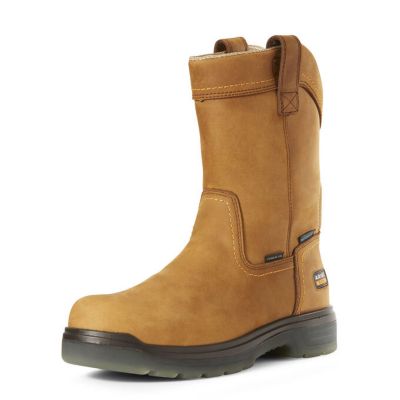
Footwear is another important part of a dependable farm work outfit. The best choice depends on the ground, the chores and the weather you regularly face. Waterproof rubber boots are useful around muddy lots, wash areas, ponds and wet pasture, while sturdy leather work boots offer support for walking across uneven ground and protection during demanding jobs. For work around livestock, heavy materials or equipment, safety-toe designs can provide an added layer of protection. Look for slip-resistant soles, a secure fit around the heel and enough room for comfortable socks without allowing the foot to slide. Boots should be broken in gradually, since sore feet and blisters can turn a regular chore into a miserable one. Keep a separate pair for especially muddy or wet tasks when possible, and let damp footwear dry fully between uses. Socks matter, too; moisture-managing materials and cushioned areas can help reduce rubbing during long hours on your feet. Gloves should fit close enough for a steady grip but leave room to flex your fingers, and having more than one pair on hand is useful when one becomes wet, muddy or coated with grease. Leather gloves can help with rough lumber, fencing and general handling, while lighter gloves may be more comfortable for planting, sorting or feeding. A cap or wide-brim hat helps shade the face and neck, and can be especially welcome when there is little cover in a field or pasture. In cooler conditions, a knit cap, insulated vest or weather-resistant jacket can help hold in warmth without making it difficult to work with your hands. Pay attention to details such as adjustable cuffs, covered zippers, sturdy snaps and fabric that resists light wind or moisture. These small features tend to matter most when you are standing beside a gate in a cold breeze, working through a brief shower or trying to finish a chore before dark. Farm work clothing also makes a practical gift for anyone who spends free time on acreage, manages livestock, works in agriculture or enjoys maintaining a rural property. A durable pair of work pants, a comfortable layering piece, dependable gloves or a fresh set of chore-ready socks can be useful gifts for a new landowner, a farmhand, a gardener or someone getting ready for their first season of outdoor work.
The right clothing can also be selected around the kind of protection a job calls for. Breathable long sleeves help shield skin from sun exposure, flying dust and minor scrapes, while heavier canvas or duck fabric is better suited to rough work near brush, lumber and fencing. If you work around animals, choose clothing that stays close to the body and avoid loose straps, dangling cords or oversized cuffs that could snag on a latch or catch the attention of curious livestock. Bright or high-visibility colors may be helpful when working near roads, driveways or moving equipment, especially during low-light mornings and evenings. For chores that involve kneeling, consider pants with articulated knees, reinforced panels or compatible knee-pad pockets. For frequent climbing, lifting and driving, prioritize stretch, a comfortable waistband and a cut that does not bind when seated. Those who work outdoors through changing weather may prefer water-resistant outer layers that can be pulled on over regular workwear, while people working inside barns or shops may value ventilation and easy movement more than full weather protection. Women and men can both find farm-ready fits designed for active work, and children who help with age-appropriate chores need properly fitting clothing that does not create a tripping or snagging hazard. Keep care instructions in mind before buying, since workwear often needs frequent washing. Shake out dirt before laundering, check pockets for screws or feed tags, and follow the garment’s washing directions to help preserve fabric treatments and fit. Inspect clothing regularly for loose stitching, worn knees, damaged closures and soles that have lost their grip. Replacing a worn item before it fails during a chore is usually easier than dealing with a torn leg, soaked socks or a missing glove halfway through the day. For more ways to build a practical wardrobe for jobs outside the barn, field or shop, explore
Outdoor Work Clothes. With durable materials, a comfortable fit and protection suited to the task, farm work clothing helps you stay ready for dusty afternoons, muddy chores, cool mornings and the everyday work that keeps a rural property moving.