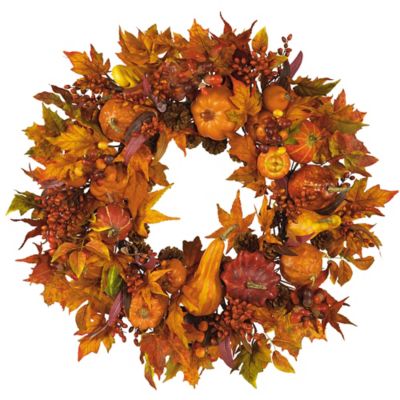
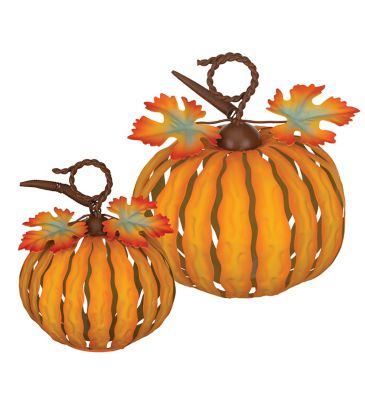
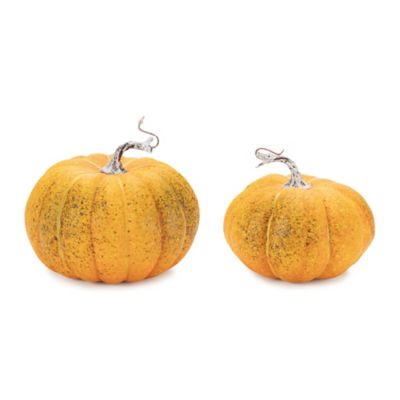
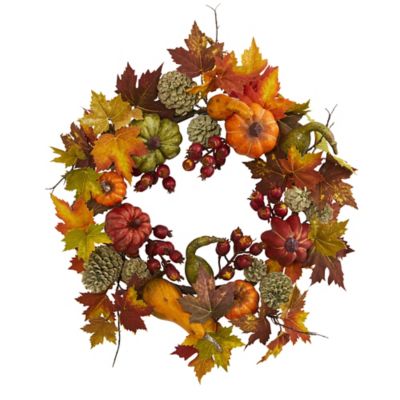
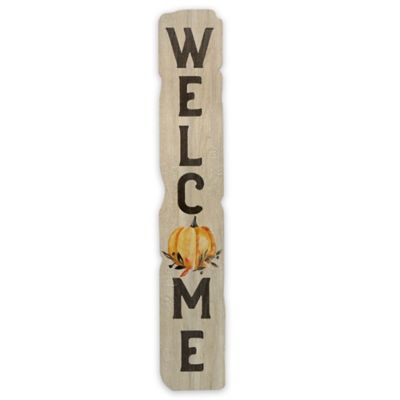
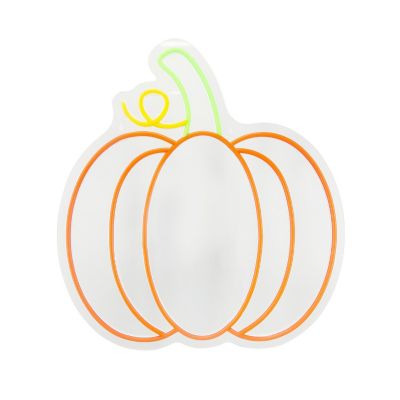
Fall ornaments bring a little harvest character to the places where folks gather, from a farmhouse kitchen to the entryway of a home in town. Their smaller scale makes them a good fit for adding color and texture without taking over a room or crowding a busy tabletop. Shapes drawn from pumpkins, acorns, leaves, apples, and woodland animals suit the season, while earthy browns, rusty oranges, golden yellows, and soft creams work with everything from painted cabinets to natural wood furniture. Some ornaments have simple outlines and quiet finishes; others bring more detail through stitched edges, carved textures, painted faces, or a bit of shine. That range leaves room for a look that feels at home with everyday furnishings rather than something that needs a whole room rearranged around it. A few hanging accents on a sturdy indoor branch arrangement can create a focal point on a sideboard, while an ornament tied to a wreath can add a small touch of harvest color near the door. Scale matters in these settings: a piece that looks right against a broad wreath may overwhelm a narrow cabinet knob, and several little shapes can get lost against a large, busy backdrop. Dimensions, weight, and the length of the hanging loop help tell the full story beyond a photograph. For a coordinated arrangement, fall ornaments can share colors or textures with
fall pumpkin accents without matching every detail. A mix of smooth surfaces and woven textures often feels more relaxed than a completely matched set. Harvest shapes also offer plenty of flexibility across fall gatherings, including a family supper, a Halloween get-together, or a Thanksgiving meal. Leaf and acorn motifs tend to blend easily into a longer seasonal display, while playful or spooky shapes lend themselves more closely to Halloween. The right balance depends on the space, the occasion, and whether the desired look is quiet and simple or bright enough to catch the eye from across the room.
Materials make a real difference in how fall ornaments look, feel, and hold up through repeat handling. Wood can bring visible grain and a warm, natural feel, with painted or stained finishes offering different amounts of color and surface coverage. Thin wooden shapes are often light enough for smaller branches, though narrow stems, pointed leaves, and other fine details deserve gentle handling. Felt and fabric bring softness to an arrangement and are less likely than glass to break if bumped, but their fibers can catch dust or snag on rough surfaces. Ceramic and glass can offer smooth finishes, crisp painted details, or a gentle sparkle near a lamp; their weight and breakability make secure placement especially important. Metal may suit a weathered farmhouse look or a cleaner, simpler setting, depending on its finish, and edges should be smooth anywhere hands might brush against them. Resin can capture textured details, though a solid-looking shape is not necessarily resistant to drops. Material alone does not establish whether an ornament belongs outdoors. An indoor piece may fade, swell, rust, or lose its finish when exposed to moisture and sunlight, even beneath a porch roof. The product’s intended setting and care directions matter more than appearance when choosing something for a covered entry or another exposed spot. Hanging hardware deserves the same attention as the ornament itself. Twine, ribbon, wire, and small hooks each behave differently, and the support needs to carry the piece without bending or letting it slide. A long loop may let an ornament hang neatly below a branch but swing against a door when someone walks through. On a frequently opened cabinet, a shorter attachment and a light piece may be a better fit, provided neither interferes with the handle. Placement away from candle flames, stovetops, fireplaces, and heating vents helps protect both the finish and the surrounding space. Ornaments are display pieces rather than toys, so small parts, loose strings, and breakable shapes belong out of reach of young children and curious pets.
Fall ornaments also make thoughtful little gifts when the shape or color connects with the person receiving them. A harvest motif can suit someone who enjoys gardening, while a woodland shape may feel right for a friend with a cabin or a fondness for the outdoors. For a host who already has a full table planned, a small hanging ornament is easy to carry and does not require finding room for a large centerpiece. Tied securely to the outside of a gift package, it can become part of the presentation and then find a place in the recipient’s own seasonal arrangement. Homes with limited shelf space may benefit from lightweight hanging accents, while households that bring out familiar fall pieces each year may place more value on sturdy attachment points and finishes that tolerate careful cleaning. Care is generally simplest when it follows the material and the maker’s directions. A soft, dry cloth can lift surface dust from many hard finishes, while fabric may call for gentle spot cleaning if the label allows it. Soaking, abrasive cleaners, and vigorous scrubbing can damage paint, loosen glued details, or change the surface texture. Letting any cleaned piece dry fully before packing helps keep trapped moisture out of storage. Separate compartments, soft wrapping, and a firm-sided container help prevent branches, stems, and hanging loops from tangling or breaking between seasons. Heavier pieces belong where they will not press against delicate ones, and a dry indoor storage spot is often a better choice than a damp shed. Those practical details leave more room to enjoy the character of the ornaments themselves: a warm patch of orange against dark wood, a felt leaf beside a woven basket, or a small harvest shape greeting family at the entryway. A well-chosen assortment can make a home feel ready for fall gatherings without getting in the way of everyday life.