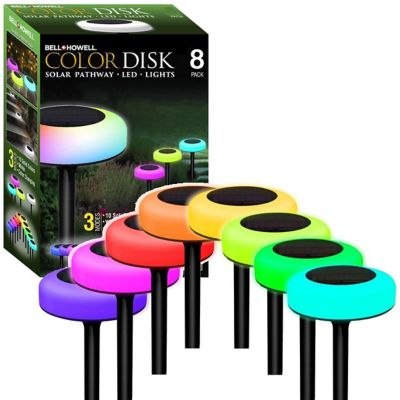
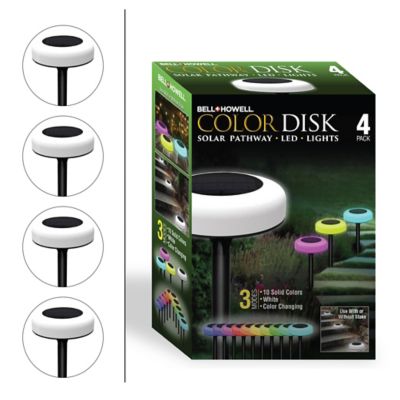
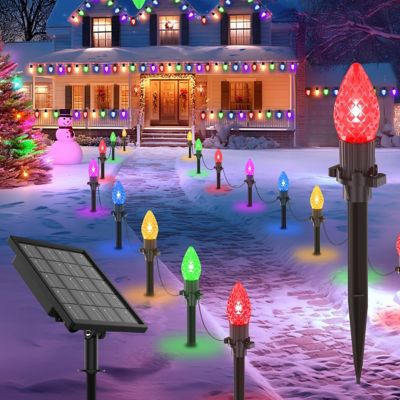
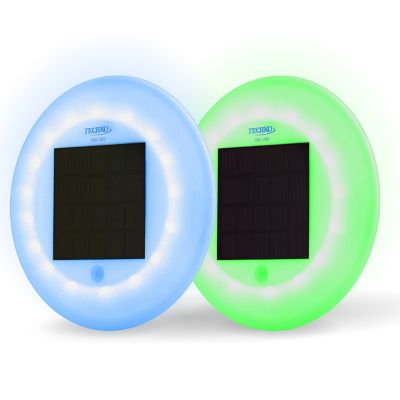
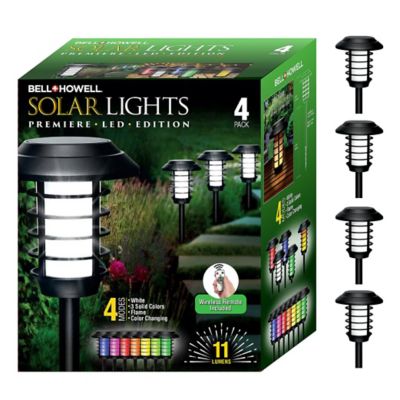
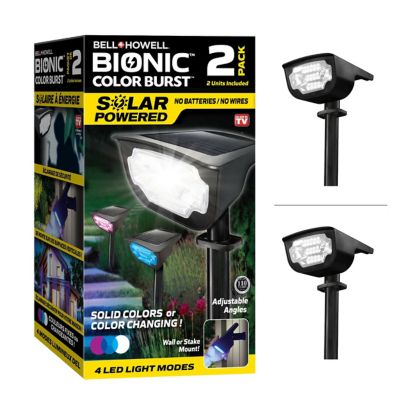
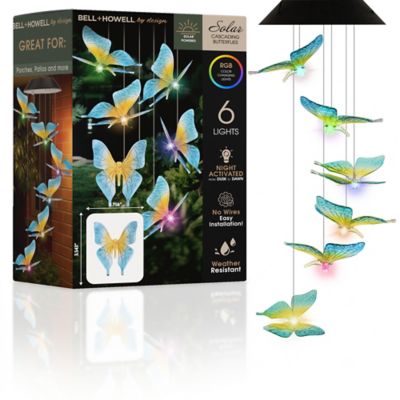
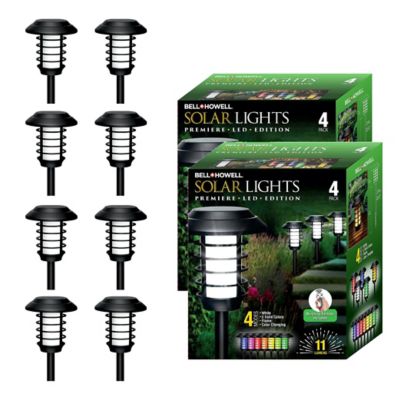
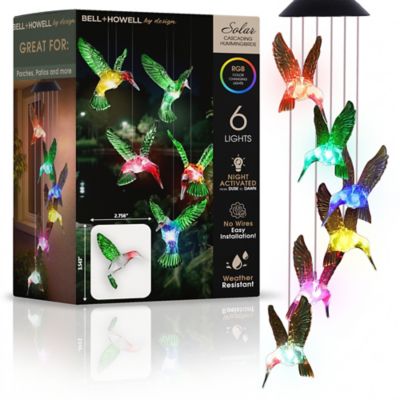
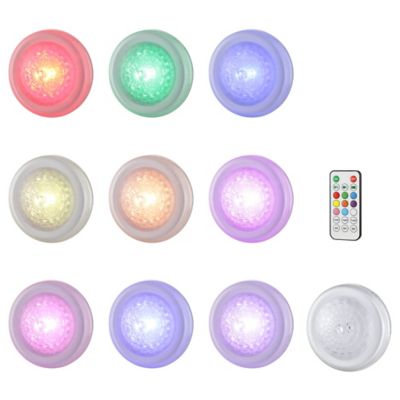
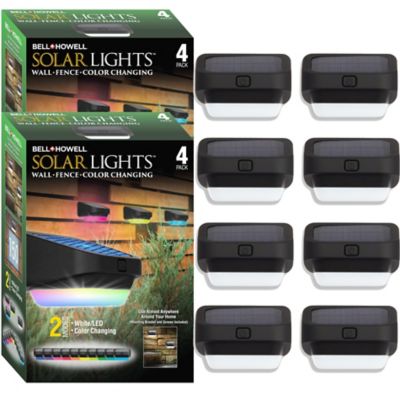
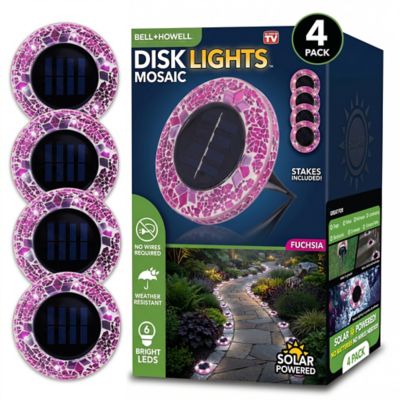
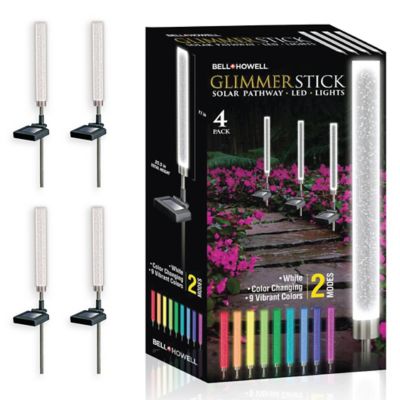
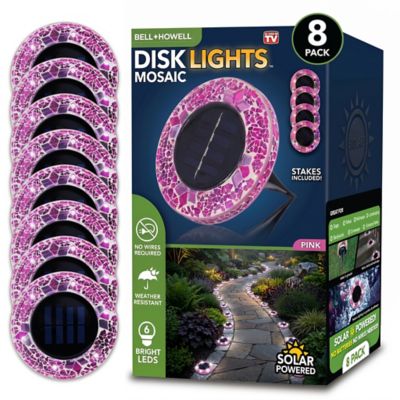
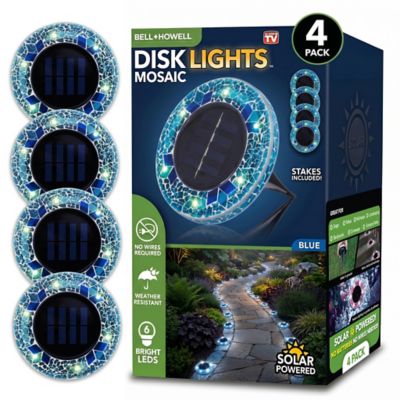
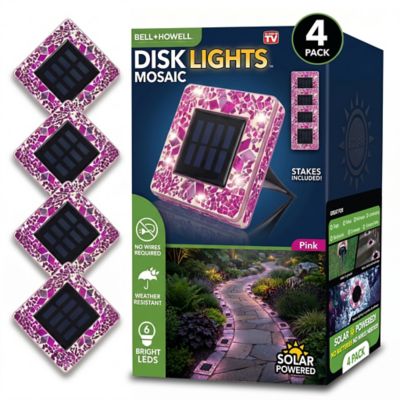
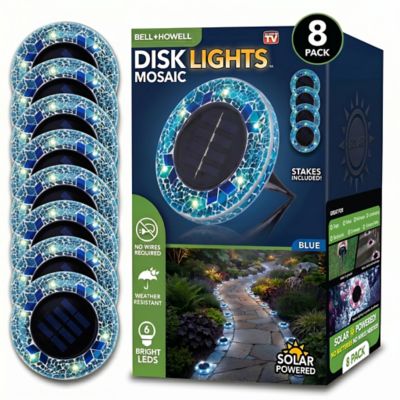
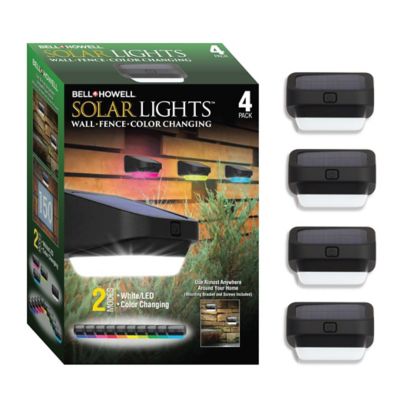
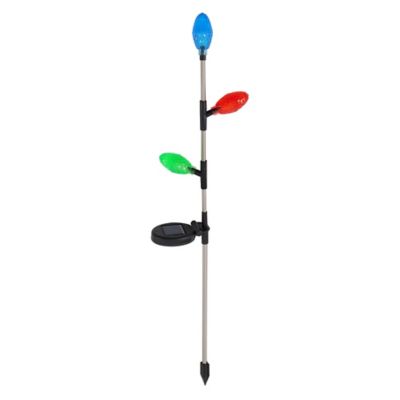
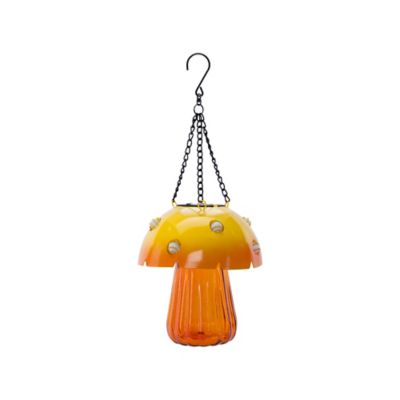
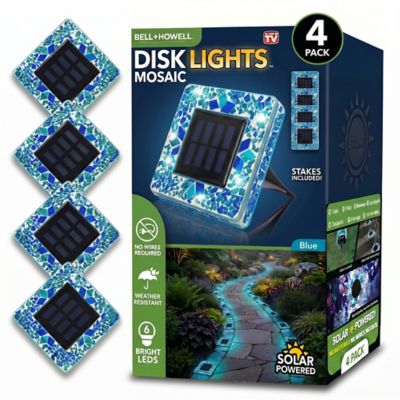
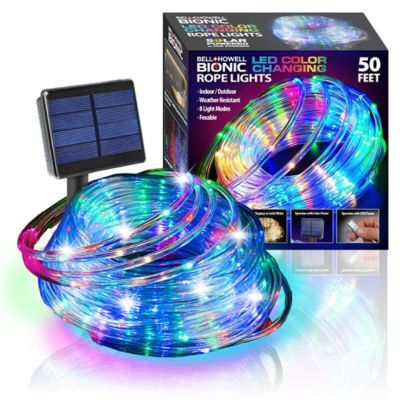
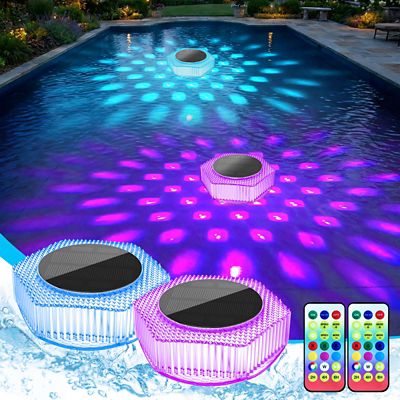
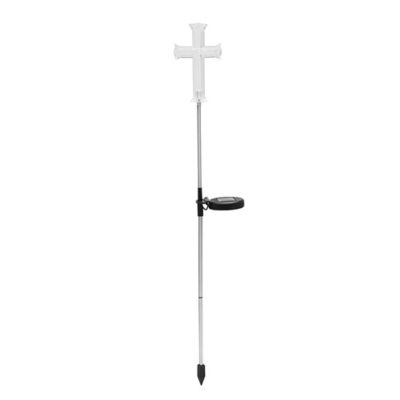
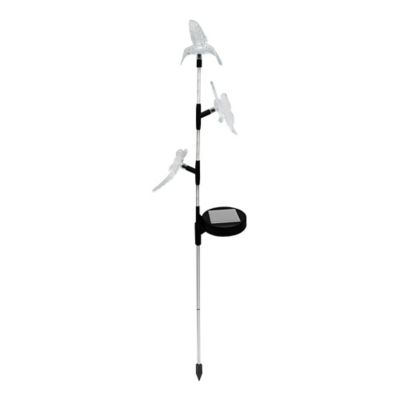
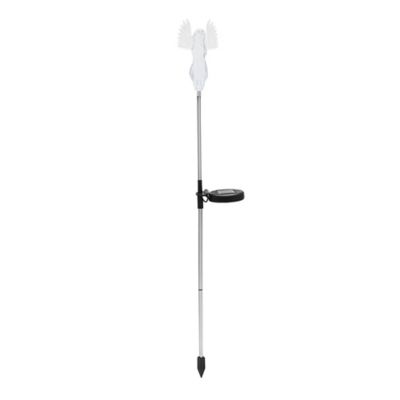
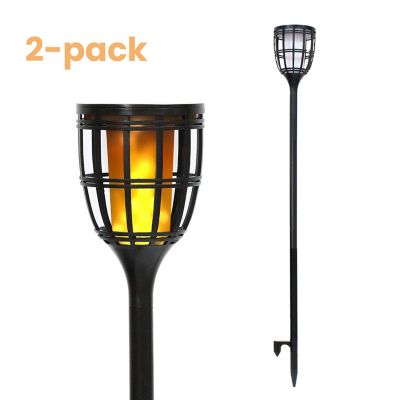
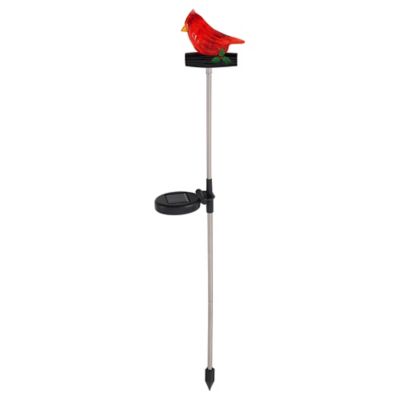
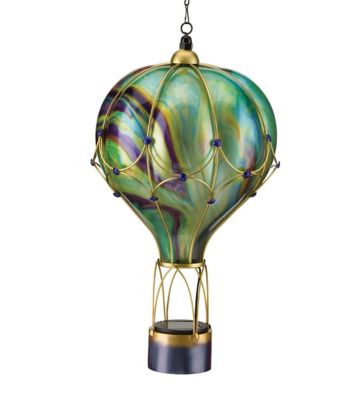
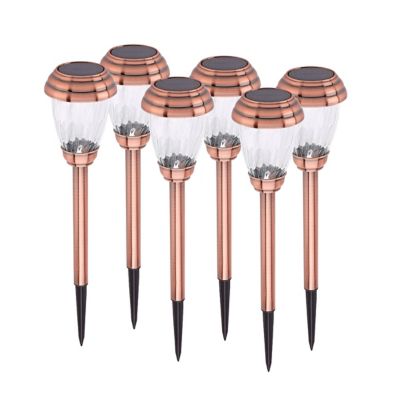
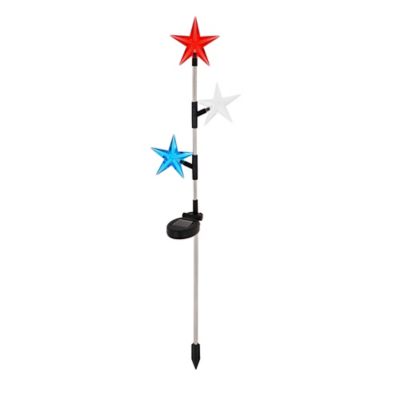
Colorful outdoor solar lights bring a little personality to the places where folks gather, from a gravel path beside the house to a porch rail overlooking the yard. These lights collect energy through a solar panel, store it in a rechargeable battery, and power LEDs after dark. Many have a light sensor that turns them on automatically, while controls vary by design. Color-changing lights may cycle through red, green, blue, and blended shades; some also let you settle on one color for a steadier look. That difference matters when the goal is a quiet blue glow around a sitting area rather than a shifting rainbow along a garden border. Pathway stakes, spotlights, string lights, and hanging lanterns each bring something different to the setting. Stakes create repeated points of light close to the ground, spotlights direct a beam toward a chosen feature, and strings trace an overhead line or railing. Lantern shapes add a pool of color near a table or hook, with patterned lenses sometimes casting shapes across nearby surfaces. A row of matching hues can tie together a long flower bed, while a small grouping of mixed colors gives a tucked-away bench its own character. Colored lighting generally works best as an accent rather than the only light for steps, gates, or uneven ground. The glow that looks bright against dark mulch may be less noticeable against pale gravel or beside a bright porch light. Light output, beam spread, lens design, and the distance between fixtures all affect the result. Clear lenses tend to show the light source more directly, while frosted lenses soften its appearance. For households that enjoy supper outside, tending a garden, or sitting on the porch after chores, solar lighting adds color without running an extension cord to every fixture. It can also make a thoughtful housewarming gift for someone with a sunny yard and a favorite spot to unwind.
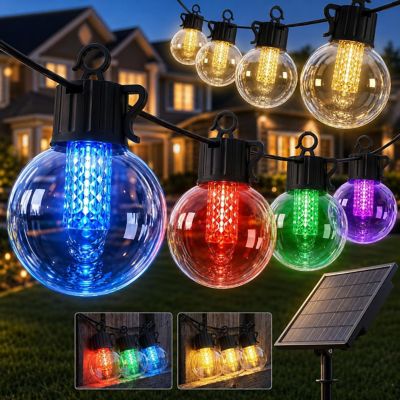
The right fit for colorful outdoor solar lights has as much to do with the setting as it does with the color. Overall height, stake length, fixture width, and panel position help determine whether a light will sit comfortably beside a walkway or disappear behind a spreading plant. Along a narrow path, a slim profile leaves more room for feet, a wheelbarrow, or a garden cart. Near a driveway, placement outside the tire track and mower route helps protect both the fixture and its stake. A broad spotlight beam can wash color across a low shrub, while a narrower beam keeps attention on one trunk, sign, or garden feature. Adjustable heads give more freedom to aim the light without having to tilt the panel away from sunlight. String lights bring their own measurements: total length, illuminated length, bulb spacing, and the lead between the panel and the first bulb are not always the same. Those details matter when the panel belongs on a sunny fence post but the lights belong beneath a porch roof. Separate panels can offer more placement flexibility than panels built directly into each fixture, though the connecting cable still needs a safe, unobtrusive route. Materials also influence appearance and upkeep. Metal housings provide a solid frame, molded plastic keeps fixtures lightweight, and glass lenses can add sparkle while calling for thoughtful placement away from busy play areas. Finish information, lens construction, secure fasteners, and the strength of mounting hardware all help tell the story beyond appearance alone. Outdoor ratings matter, too: a fixture rated to handle splashes should not be assumed suitable for standing water or submersion. Around livestock or pets, lights and cords belong beyond chewing reach and away from feeders, gates, and travel lanes. For gathering spaces, a steady color often provides a calmer backdrop, while changing modes can add movement to a yard display. Controls that are easy to reach make switching between those looks less of a chore.
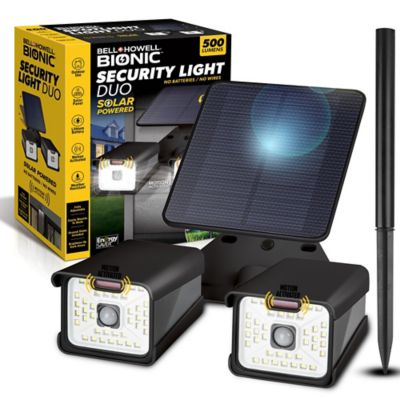
Solar performance depends on the whole setup, not just the size of the light. A panel needs access to direct sunlight for effective charging, so a bright-looking spot beneath a deep roof overhang may not provide enough energy for a full evening of illumination. Trees, buildings, and even a tall planter can shade a small panel for much of the day. Battery capacity, charging conditions, brightness settings, and lighting modes all affect how long the LEDs stay on; stated runtime is not a promise for every location. A dusk sensor can also respond to nearby artificial light, which means a fixture beside a strong porch lamp may behave differently from one at the far end of the yard. These practical details are especially important when repeating lights along a long fence or outlining both sides of a path, where an uneven glow becomes easy to notice. Routine care is generally straightforward: a soft cloth helps clear dust and pollen from the panel, and a gentle wipe keeps lenses from looking cloudy. Cleaning and battery care should follow the fixture’s directions, particularly when seals or access covers are involved. Some designs allow rechargeable battery replacement, while others have sealed components, so serviceability is worth considering for a setup meant to stay in place. Checking stakes, brackets, and cable attachments helps keep the arrangement tidy and secure. Light aimed downward or toward a nearby feature can keep color where it belongs instead of sending it into a bedroom window or across a property line. For spaces that need stronger visibility or motion-triggered illumination,
Outdoor Solar Security Lights serve a different purpose from colored accent lighting. Combining the two roles thoughtfully lets a gate or entry stay well lit while a nearby garden carries a softer glow. Whether the setting is a small front walk, a backyard seating area, or the stretch between the porch and garden, a well-matched arrangement keeps the color intentional, the panel positioned for charging, and everyday yard work comfortably out of its way.