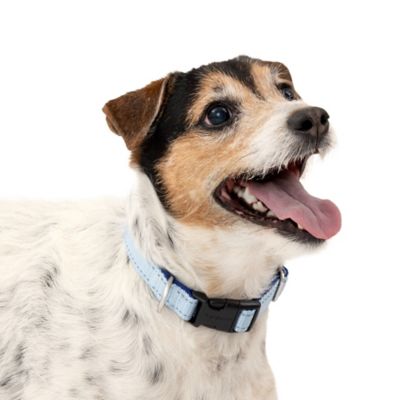
A collar for an Australian Cattle Dog has a busy job, whether its wearer spends the day checking fence lines, tagging along on chores, or heading down the sidewalk for an evening walk. These alert, sturdy dogs, often called blue heelers or red heelers, need a collar that sits comfortably against the neck and provides a secure place for identification and a leash attachment. Many adult Australian Cattle Dogs fall within collar ranges of roughly 14 to 20 inches, but a neck measurement matters more than a breed label or a medium-size tag. Build, age, and individual proportions can put a dog outside that range, and sizing varies between manufacturers. A flexible tape placed where the collar normally rests gives a useful starting point; compare that measurement with the collar’s stated adjustment range and fitting directions. A properly adjusted everyday flat collar should generally allow two fingers to slide comfortably underneath without leaving enough room to slip over the dog’s head. Around 1 inch is a practical width for many adult heelers, while widths approaching 1.5 inches may suit some larger dogs if the band leaves room for easy head and neck movement. More width can spread contact across a larger area, but it does not make leash pulling harmless or replace loose-leash training. Puppies and smaller adults often need a narrower, lighter band rather than the same setup as a full-grown working dog. Adjustment room is handy as a young heeler grows, though an oversized collar with a long loose end can get in the way. The best fit stays steady when the dog looks down to sniff, turns toward a sound, or settles in for a rest. For households comparing sizes for several dogs,
Dog Collars For Extra Large Dogs covers a different size category; an Australian Cattle Dog’s own measurements should still determine its fit.
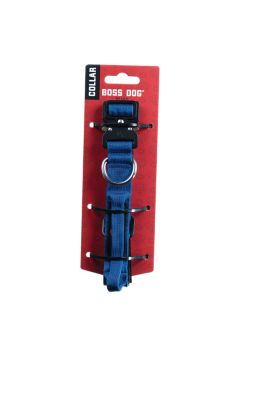
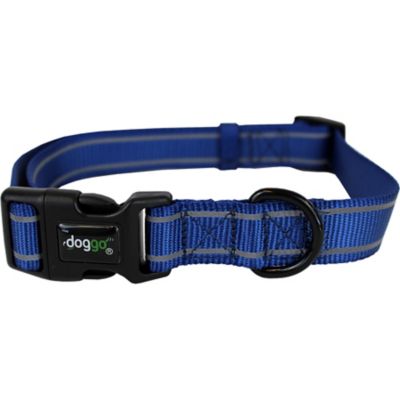
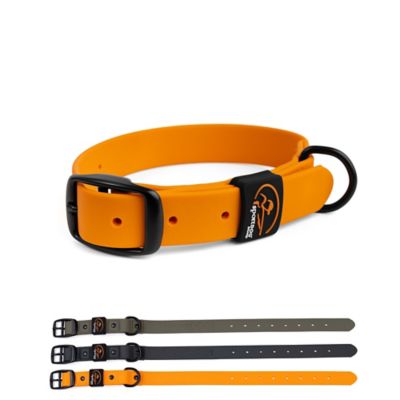
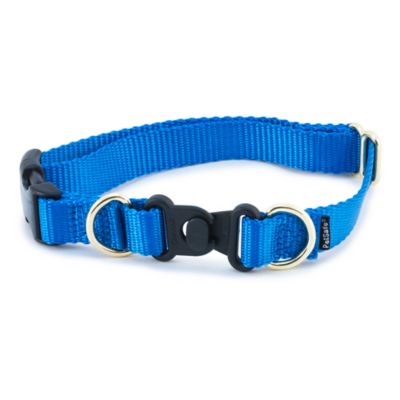
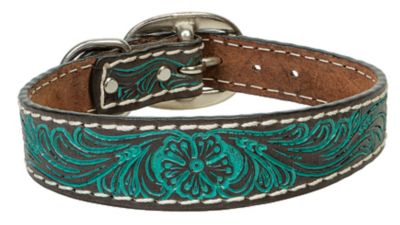
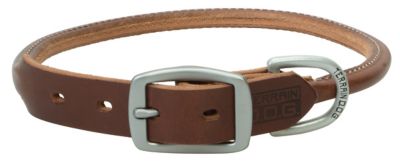
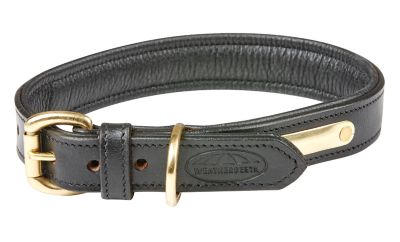
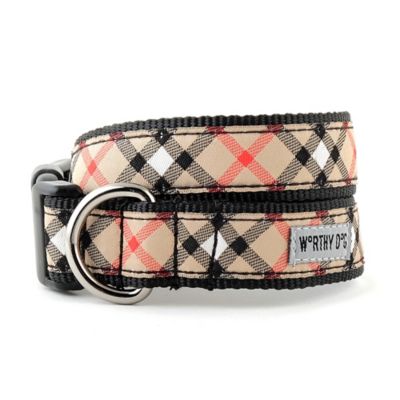
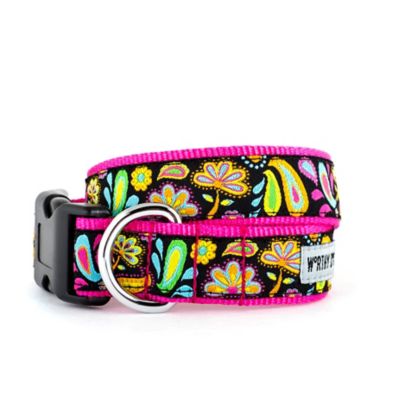
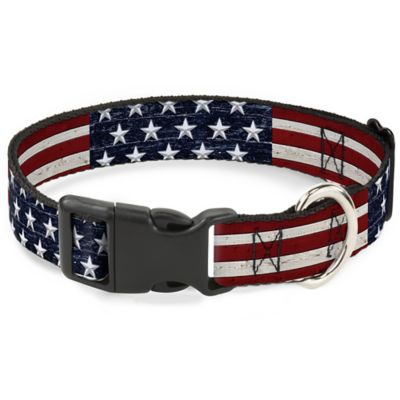
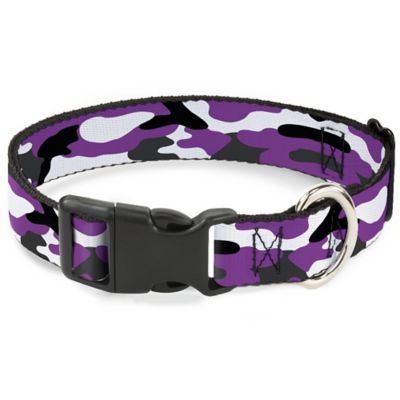
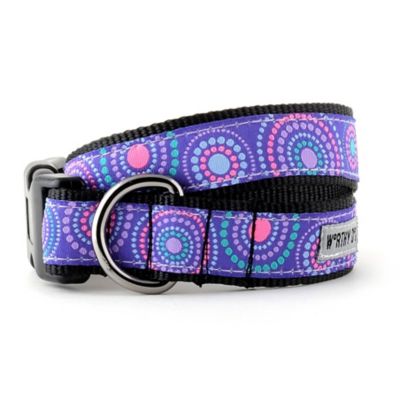
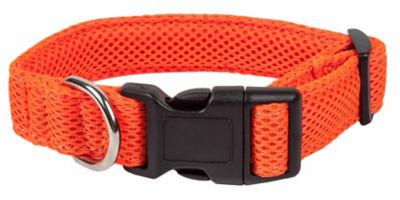
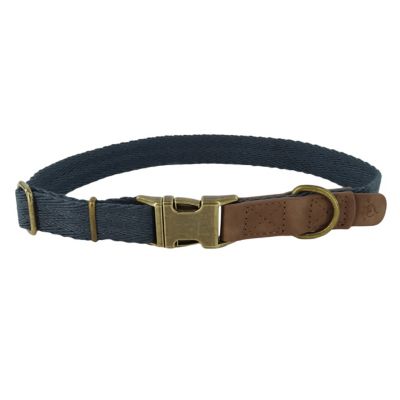
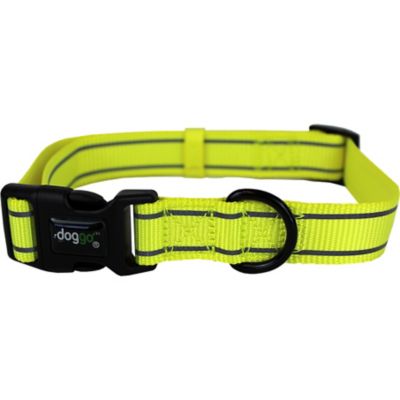
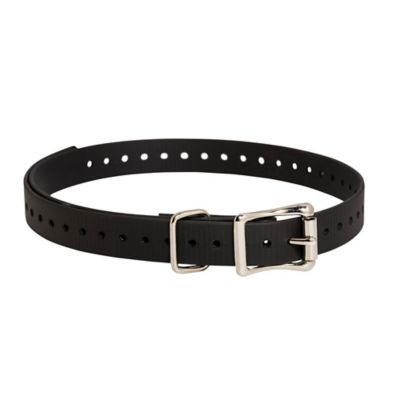
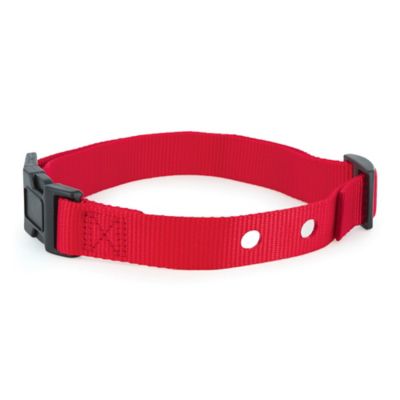
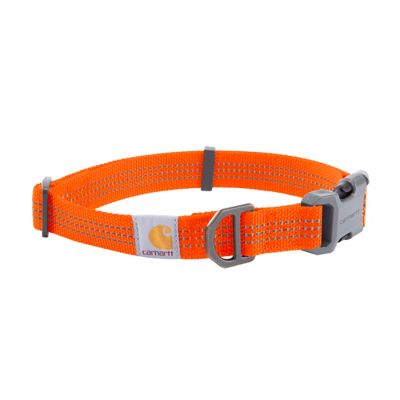
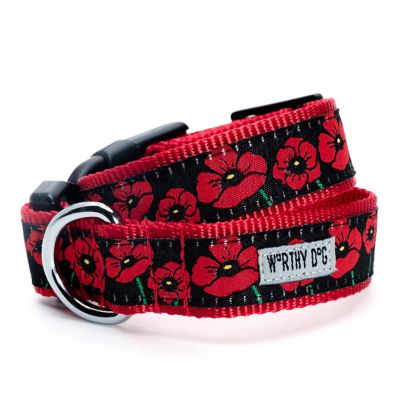
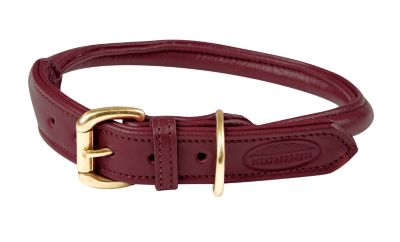
Material makes a noticeable difference in how a collar feels, handles dirt, and holds up to everyday activity. Woven nylon is a common choice for active dogs because it combines flexibility with relatively little weight. Closely finished edges, secure stitching, and a neatly managed strap end matter when a heeler is moving between the porch, pickup, and walking trail. Webbing can collect grit and odors, so a washable construction is helpful for dogs that spend plenty of time close to the ground. Leather offers a different feel, gradually softening with proper care, while smooth edges and a well-finished underside help limit rubbing against the coat. Flat leather and rolled leather have different contact surfaces; neither shape guarantees freedom from irritation, so the skin beneath the collar still deserves regular attention. Coated webbing generally wipes clean more easily than absorbent fabric, making it a practical consideration after a muddy outing or a dusty day around the property. Padding can add cushioning, but extra thickness also changes the fit and may hold dirt against the neck if neglected. Hardware deserves just as much attention as the band itself. A buckle should close fully and stay secure, an adjustment slide should hold its position, and the leash ring should be firmly attached without sharp edges. Metal hardware adds weight, which may matter on a puppy or a smaller adult, while side-release buckles offer convenient fastening when their size and construction suit the dog. Strong stitching around attachment points helps a collar stand up to repeated movement and everyday leash handling. Color and pattern are matters of preference, though a bright band can be easier to spot against a heeler’s mottled coat. Reflective details may improve visibility when light strikes them, but they are not a substitute for a leash, supervision, or a separate light where needed. A practical collar balances these details without adding so much hardware or padding that it feels cumbersome during an ordinary day.
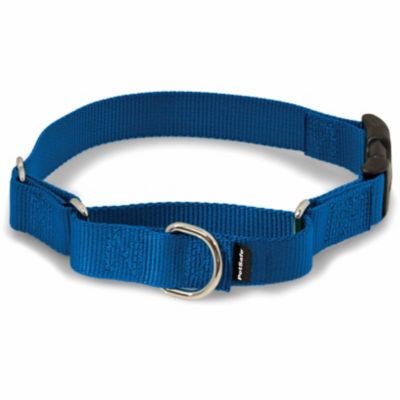
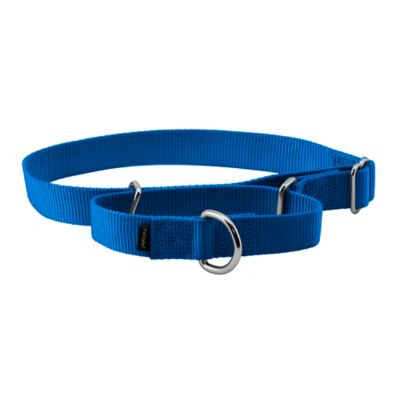
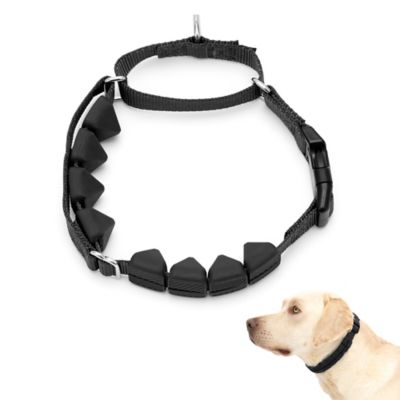
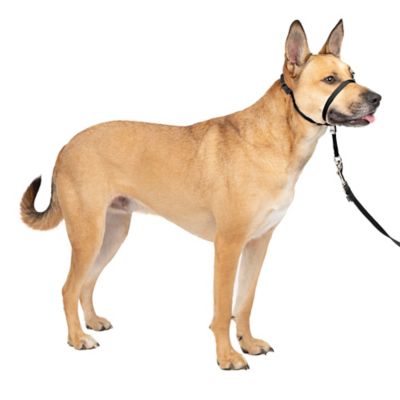
Intended use helps separate an everyday identification collar from equipment meant for supervised walking or training. A flat buckle collar is a straightforward option for carrying identification tags and walking a dog that keeps a slack leash. A martingale has a limited-tightening design that can help reduce backing out when correctly fitted, which may be useful for a dog that reverses direction at the gate or tries to retreat from an unfamiliar situation. It still places pressure on the neck and should not be treated as choke-proof or left on an unattended dog. For a strong puller, a well-fitted walking harness can move leash attachment away from the neck while an everyday collar carries identification. Around livestock, machinery, fencing, and thick brush, snag points deserve particular attention: a collar, dangling tag, or loose strap can catch unexpectedly. Supervision and equipment suited to the task matter more than simply choosing the heaviest band. Remove collars for crating or other situations where they could catch, and never leave a dog tethered unattended by a neck collar. Everyday care is usually simple, but it makes a difference in comfort and service life. Follow the material’s cleaning directions, rinse washable bands thoroughly when appropriate, and let them dry completely before putting them back on. Leather generally needs care products intended for leather rather than a long soak. Check beneath the band for redness, flattened hair, trapped grit, or tender spots, and look over the buckle, stitching, and leash ring for cracks, fraying, looseness, or rough surfaces. A collar showing damage at a fastening or attachment point needs replacement, not another hard outing. Recheck fit as a puppy grows or an adult dog’s weight changes. For someone welcoming a heeler home, or a family member whose dog is always along for chores, a collar can make a thoughtful, practical gift when the neck measurement and daily routine are known. Comfortable fit, sound construction, and straightforward care matter long after the first walk through the gate.