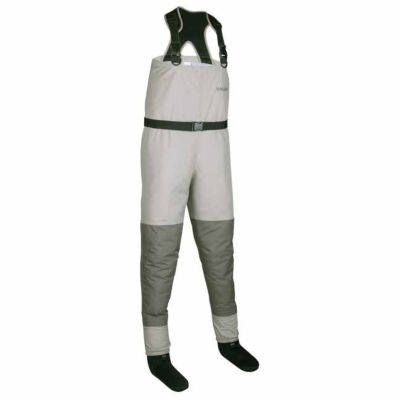
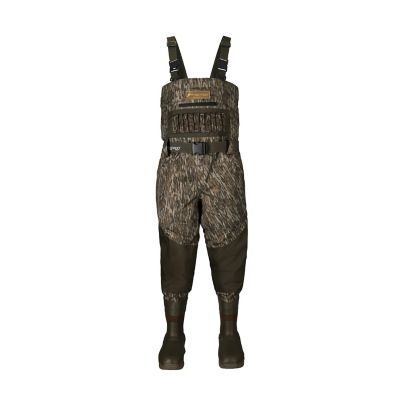
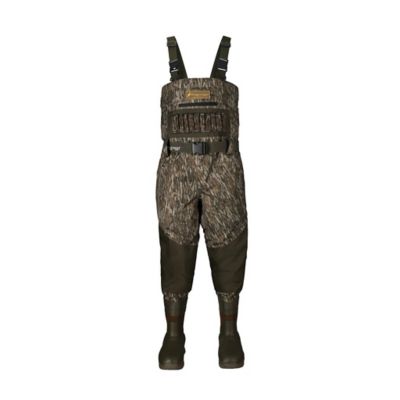
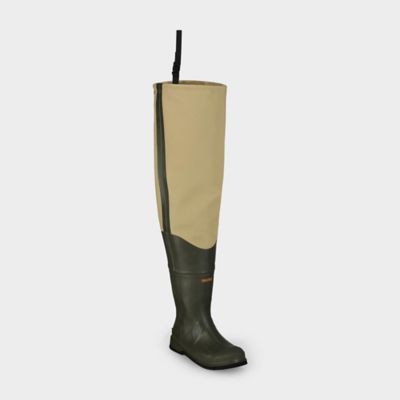
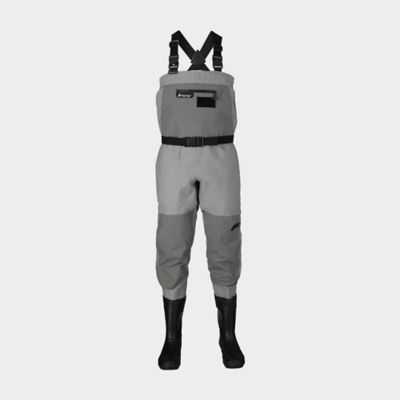
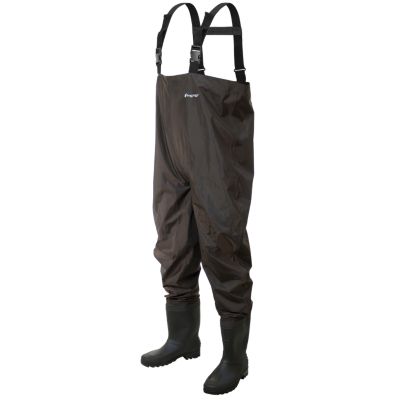
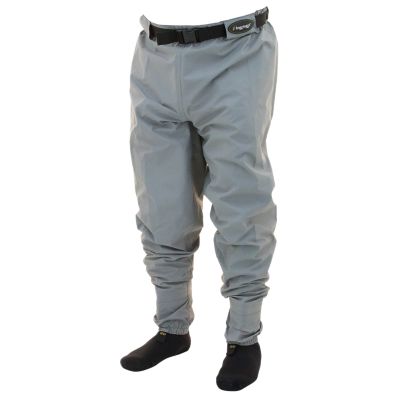
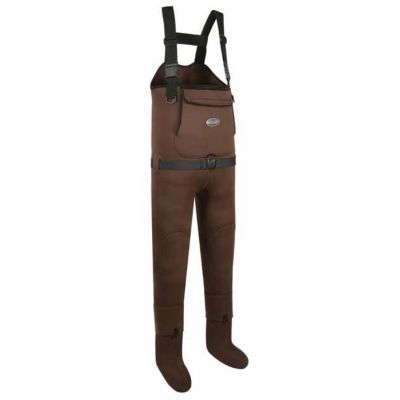
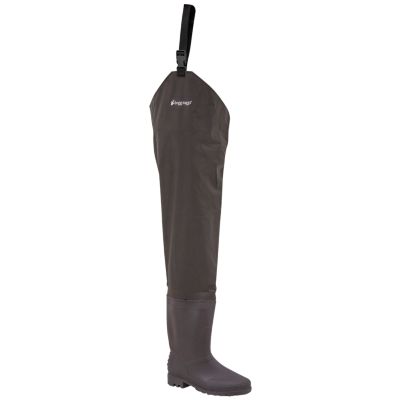
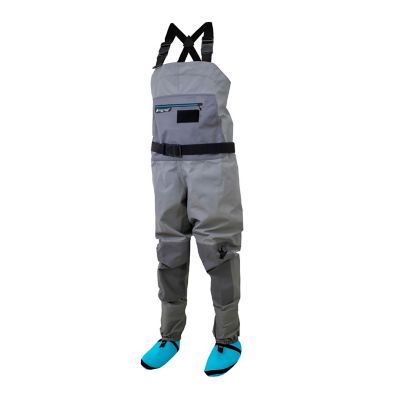
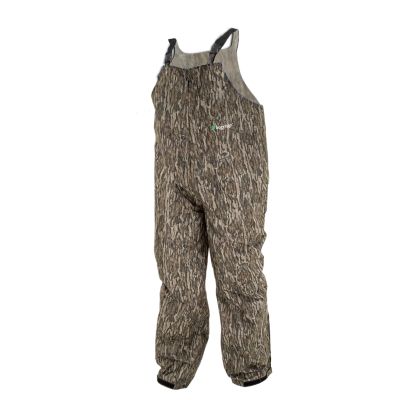
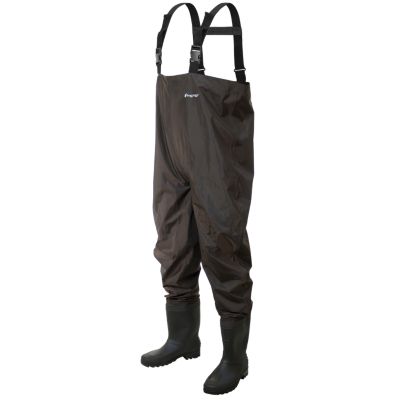
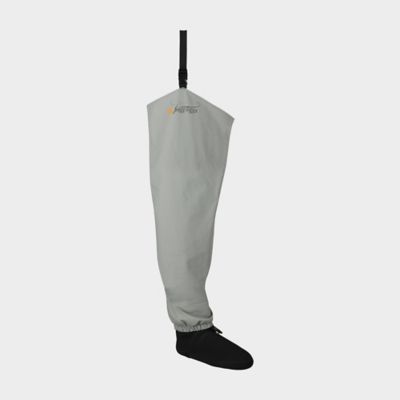
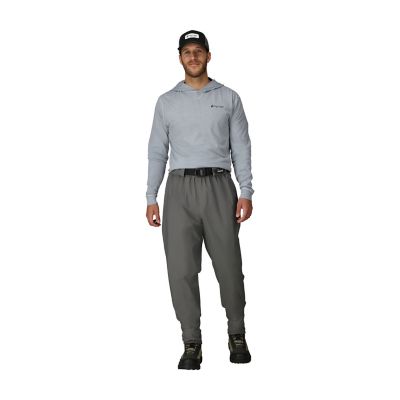
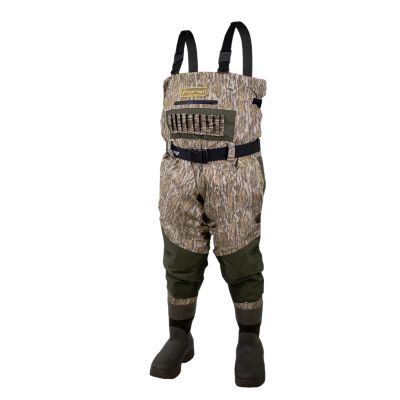
Breathable waders combine a waterproof barrier with fabric that lets perspiration vapor escape, helping keep outside water out without trapping as much moisture against the body. Most feature a nylon or polyester outer fabric bonded to a breathable membrane and an inner layer that protects the waterproof construction. That layered design generally feels lighter and less bulky than thick neoprene, making it practical for walking creek banks, moving through marsh grass, and spending long stretches on foot. Breathability does not mean the fabric has open holes or lets water flow through; it describes how moisture vapor passes through the material. Performance depends on the fabric, activity level, and surrounding conditions, so even breathable waders can feel damp inside after a hard walk. Taped or sealed seams help block water at stitched connections, while reinforced knees, seats, and lower legs add protection where bending, kneeling, and brushing against rough ground put extra strain on the fabric. More fabric layers can strengthen high-wear areas, though layer count alone does not determine comfort or resistance to damage. Chest waders provide coverage farther up the body for deeper wading within safe limits, while waist-high styles offer less coverage and a less enclosed feel for shallower water. Some designs allow the upper section to roll down, but that flexibility depends on their construction. Anglers, waterfowl hunters, and landowners handling suitable shallow-water chores all have reasons to appreciate this balance of coverage and freedom of movement. A morning spent stepping over fallen branches along a trout stream calls for room through the knees and hips; a stretch beside a duck blind puts more emphasis on comfortable straps and protection at the seat. Quiet fabric, manageable weight, and hardware that stays out of the way can matter just as much as the number of pockets. Breathable construction is not the same as insulation, either: warmth comes from the layers underneath and any insulation built into the waders or attached boots.
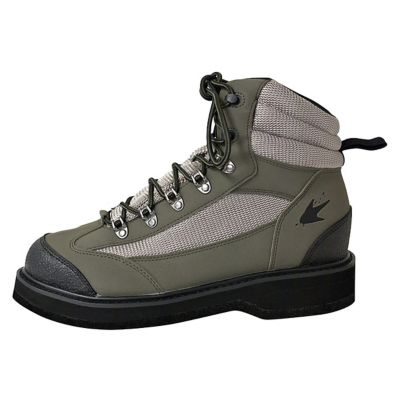
Fit makes a big difference once breathable waders leave dry ground. Enough room through the seat, thighs, and knees allows a full stride, a careful step onto a creek bank, or a squat beside a tackle bag without pulling hard against the seams. Too much loose material can bunch behind the knees, rub between the legs, and catch on brush, while a tight fit can restrict movement and strain the crotch and suspenders. Measurements for the chest, waist, inseam, and feet help establish fit, with room left for the clothing that will actually be worn underneath. Trying the fit through everyday movements matters more than judging it while standing still. Adjustable suspenders and a properly positioned wading belt help manage the upper fit, and buckles should sit where they will not dig in beneath other gear. Stockingfoot waders end in fitted neoprene feet and require separate wading boots, giving wearers more control over boot fit and sole choice. Bootfoot waders have attached boots, which can simplify getting dressed and reduce the number of separate pieces to carry. Neither style suits every bottom surface: slick rock, soft mud, and gravel demand different footing, and no sole removes the risk of slipping. Where felt soles are considered, local rules may limit them to help reduce the spread of aquatic organisms. Foot room deserves close attention because thick socks packed into a tight boot can squeeze the toes and limit circulation. Base layers and other
Breathable Clothing can help move perspiration away from the skin without adding unnecessary weight. Cotton holds moisture, while suitable synthetic or wool layers tend to manage it better. In cold water, enough insulation beneath the shell matters even when walking feels comfortable on land. Waders are not flotation equipment, and a snug wading belt does not make deep or fast-moving water safe.
The smaller details often determine how pleasant breathable waders feel over a full day. A chest pocket keeps frequently reached gear close, but a water-resistant pocket should not be treated as waterproof unless its construction is specifically rated for that purpose. Splash protection is different from protection during submersion, so phones, keys, and other essentials may need their own waterproof storage. Zipper placement, pocket depth, belt loops, and strap adjustment all affect how easily gear can be reached without awkward bending or fumbling. For someone who regularly kneels to handle a fish or works around rough banks, reinforcement in the right places is worth more than extra features that rarely leave the truck. Care also plays a large part in how long the fabric, seams, and boots stay serviceable. Mud, sand, and fine grit can work against fabric and seam areas, so a gentle rinse after an outing helps remove material that would otherwise grind into folds. Cleaning methods should follow the garment label, especially around detergents, washing machines, and treatments for the outer fabric. Fabric softeners, harsh cleaners, and direct heat can harm certain membranes, seam adhesives, or finishes. Drying both the outside and inside thoroughly before storage helps prevent trapped moisture and odors; storing waders loosely in a clean, dry place keeps tight folds and heavy objects from pressing against the same spots for weeks. Small punctures and worn seam areas are easier to address before the next trip, with repair materials matched to the fabric and the maker’s directions. Boots and soles need attention as well, since packed mud and plant material can travel from one waterway to another. As a gift for an angler or waterfowl hunter, breathable waders make the most sense when sizing, preferred foot style, and typical water conditions are already known. The best match is a pair that leaves room to move, suits the ground underfoot, and gets the care needed for many more trips down the bank.