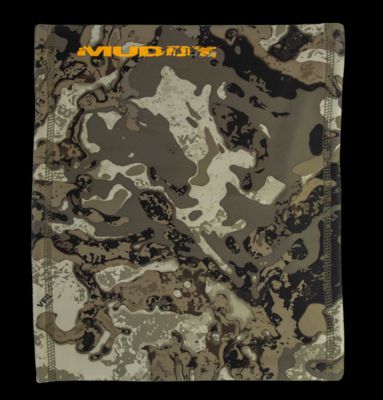
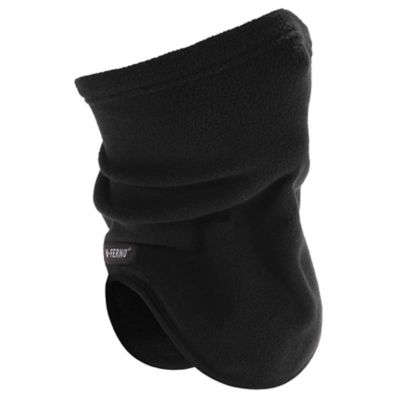
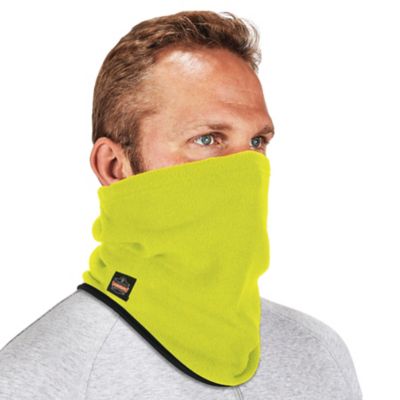
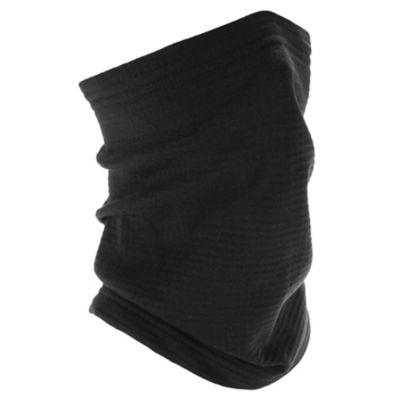
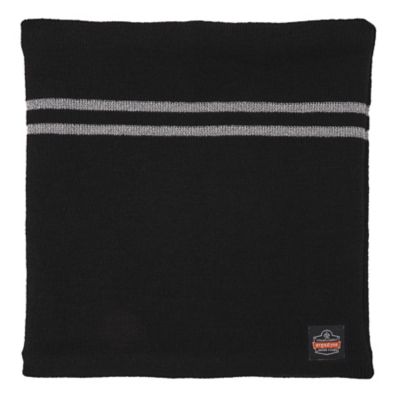
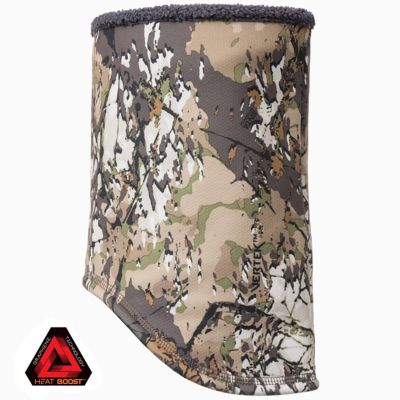
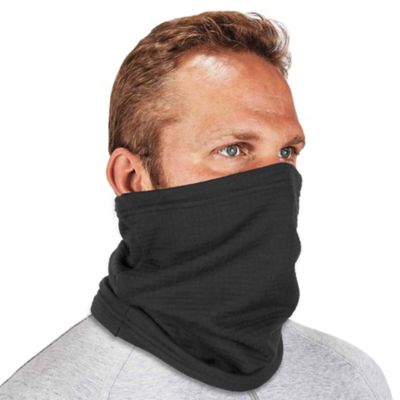
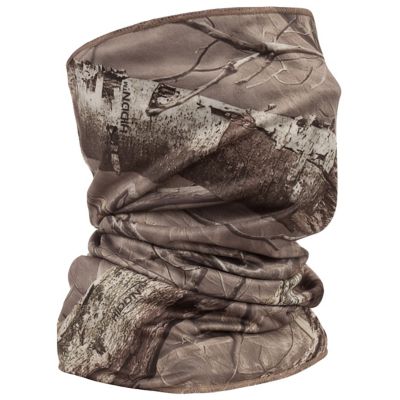
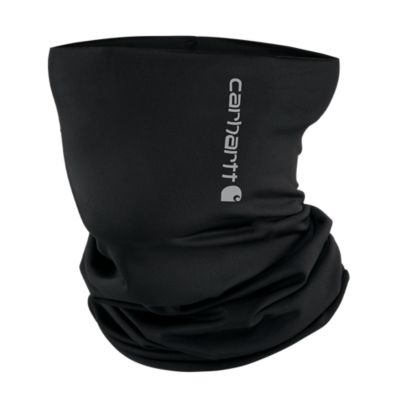
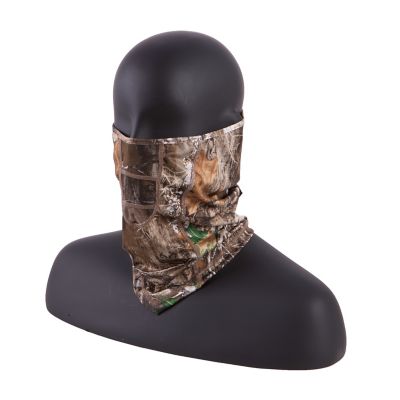
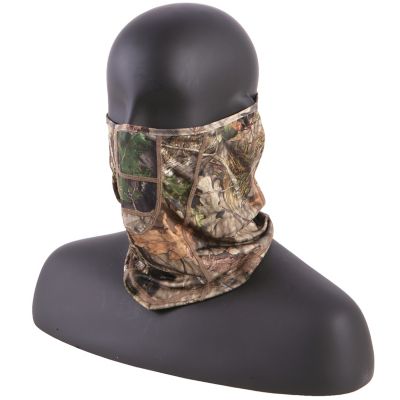
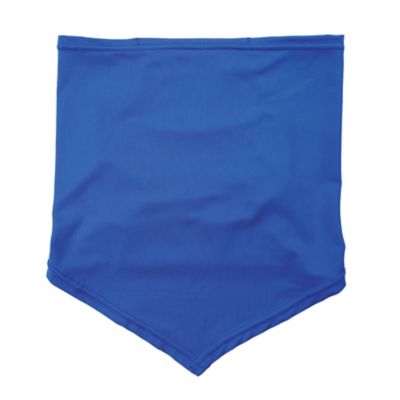
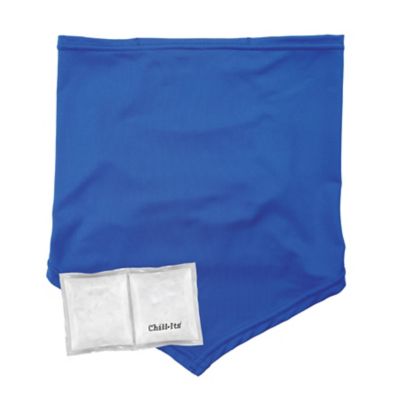
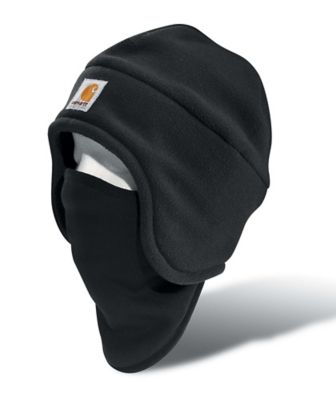
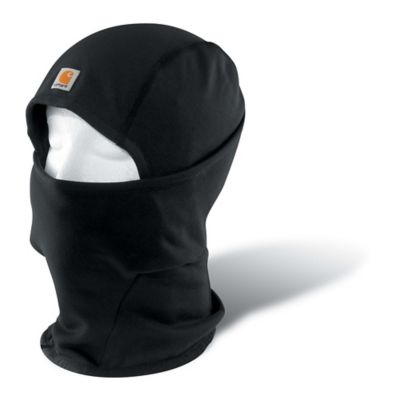
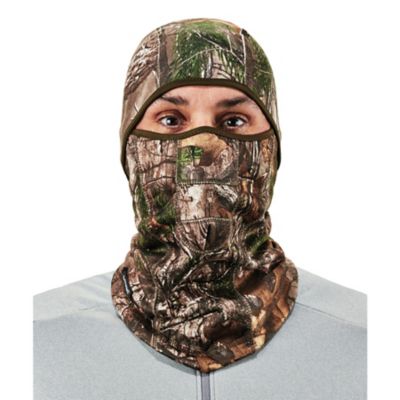
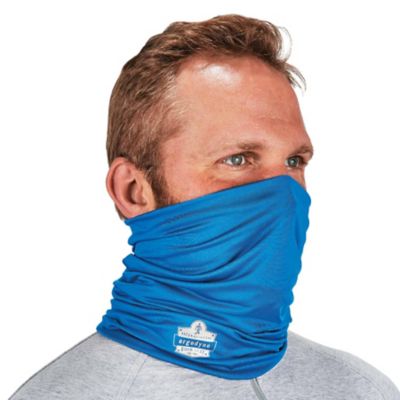
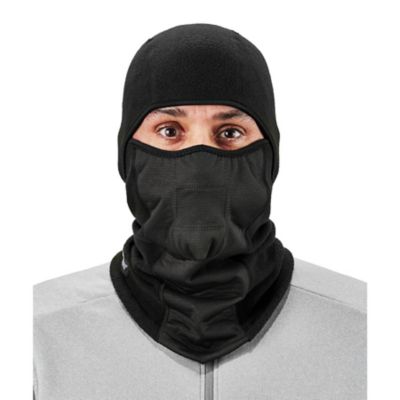
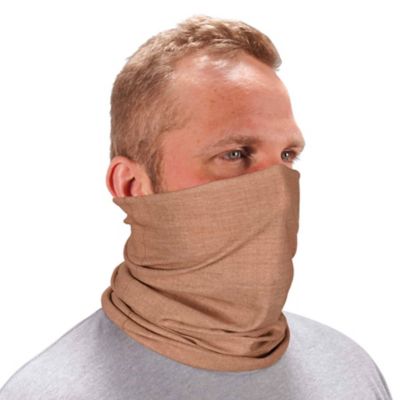
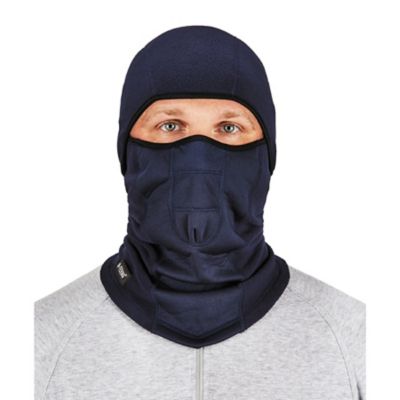
Cold-weather neck gaiters help keep the chill off your neck, face, and ears when the air turns crisp and the wind starts moving across open fields, back roads, job sites, and wooded trails. They are a handy layer for anyone who spends time outside, from farmers checking fence lines at daybreak to hunters walking through frosty timber, campers tending a fire, and folks clearing snow or feeding animals before breakfast. A gaiter can sit loosely around the neck for light coverage, pull up over the nose and cheeks when the wind picks up, or tuck beneath a coat collar to help hold in warmth. Compared with a long scarf, its tube-shaped design stays close to the body and is less likely to trail into machinery, brush, or a busy work area. When shopping, start with the kind of weather and activity you expect. Midweight fleece is a practical pick for cool mornings and everyday outdoor chores, while a thicker, layered style may be better when temperatures drop or wind cuts across an exposed pasture. Soft stretch fabric can make it easier to pull the gaiter over your face and adjust the opening without constant tugging. A close fit helps block drafts, but it should not feel tight around the throat or make breathing uncomfortable. Look for a shape that covers the back of the neck and reaches high enough to protect the lower face when needed. If you wear glasses, a hat, hearing protection, or a hood, consider how those layers will fit together before choosing a gaiter. Flat seams and a smooth inner surface can help prevent rubbing during a long shift, while a fabric with some moisture control can keep sweat from sitting against your skin as you move.
The best neck gaiter for cold weather depends on how hard the conditions work against you. For a quick trip to the barn or a morning commute, a lighter fleece layer may provide plenty of warmth without feeling bulky beneath a jacket. For hunting, hiking, snow work, or long hours outdoors, look for more coverage and a snugger weave that helps slow down wind. Some styles are made with more than one layer, giving you extra insulation around the throat and lower face. Others combine a warm inner side with a tighter outer surface that helps shed light snow or resist a steady breeze. Stretch matters too. A gaiter that keeps its shape can be pulled up, folded down, or worn beneath a collar throughout the day, making it useful as conditions shift from a still, cold morning to a windy afternoon. Check the care instructions so the fabric stays soft and the fit remains consistent after washing. It is also smart to think about color and visibility. Earth tones can blend well with outdoor clothing, while brighter shades may stand out around roads, equipment, or low-light work areas. A neck gaiter can pair well with insulated gloves, a knit cap, a lined jacket, or bib overalls, and it makes a thoughtful present for a hunter, ranch hand, landscaper, delivery driver, outdoor worker, or anyone who enjoys cold-weather walks. If more face coverage is on your list, browse
Cold Weather Face Masks for additional options that can help shield the nose and mouth from cold air.
Before adding a gaiter to your winter layers, take a moment to picture where it will go and how you will move while wearing it. Someone feeding livestock at first light may want a soft, easy-pull layer that slips beneath a coat and stays in place while reaching, lifting, and walking between pens. A hunter may value quiet fabric and enough coverage to protect the face during a slow sit in a blind or a walk through frosty brush. A hiker or snowshoer may prefer a breathable design that can be lowered around the neck during a climb and raised again on a windy ridge. For outdoor work, a gaiter should leave room for natural movement and sit comfortably with a hard hat, hood, safety glasses, or other gear. Pay attention to the listed fabric weight, stretch, coverage, and care directions, since these details tell you more about how the layer may perform than appearance alone. Packing an extra gaiter in a coat pocket, truck console, or gear bag can also come in handy when the first one gets damp from snow, sweat, or a long day outside. As the weather moves from cool mornings into colder stretches, a neck gaiter gives you a simple way to adjust your clothing without adding a full scarf or another heavy layer. Choose the coverage that matches your routine, leave enough room for comfortable breathing, and look for a soft fit you will be glad to pull on whenever the cold settles in.