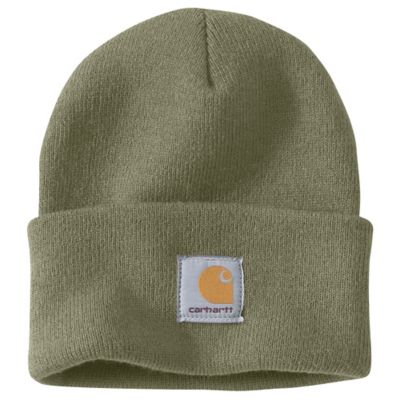
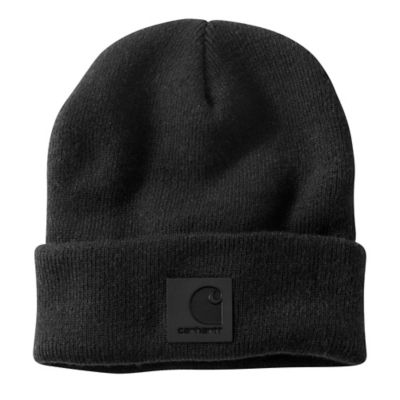
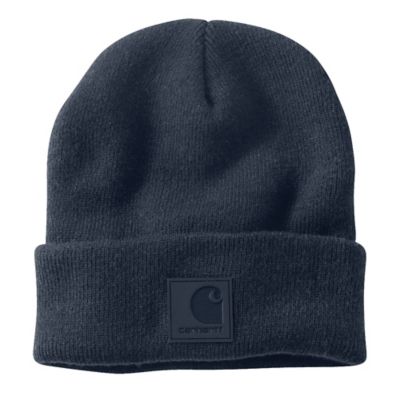
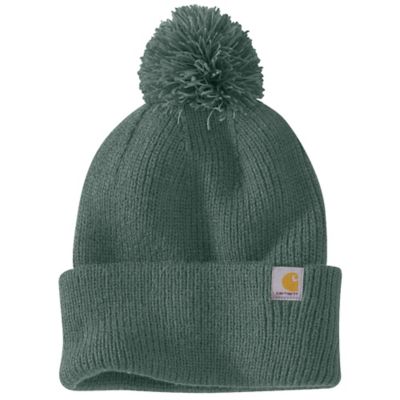
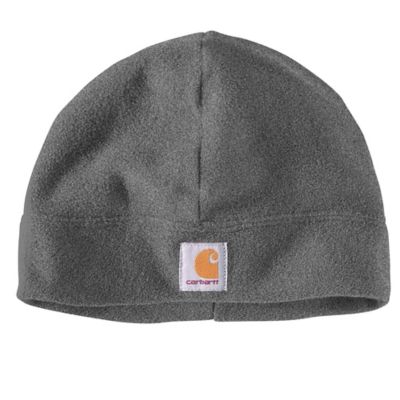
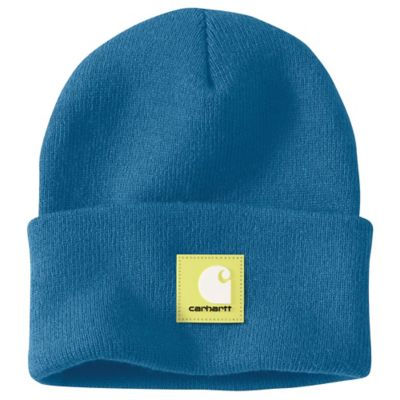
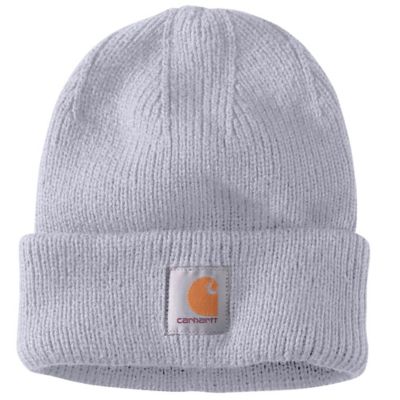
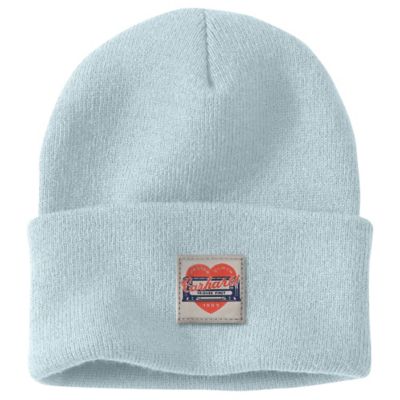
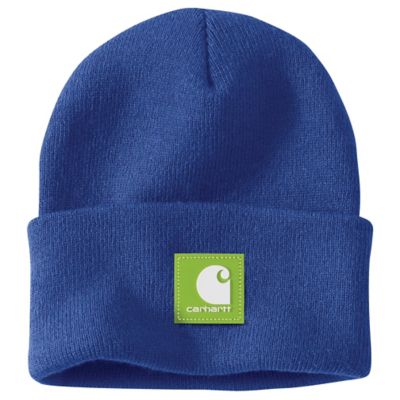
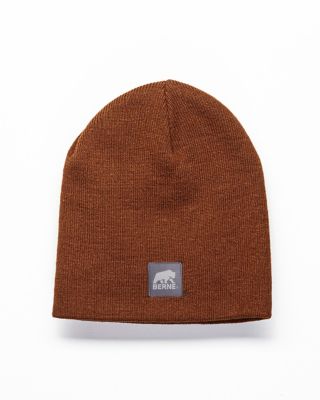
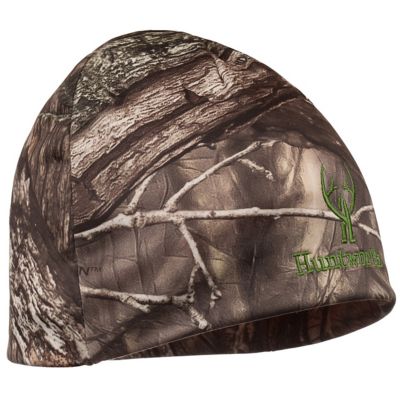
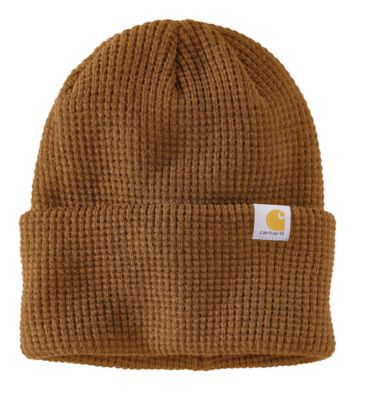
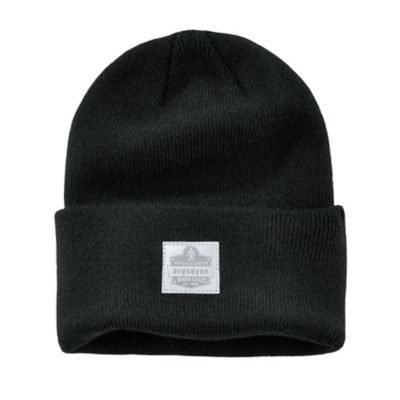
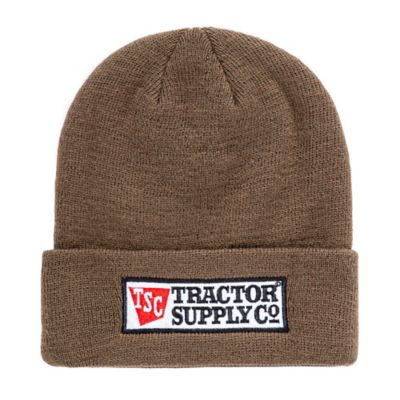
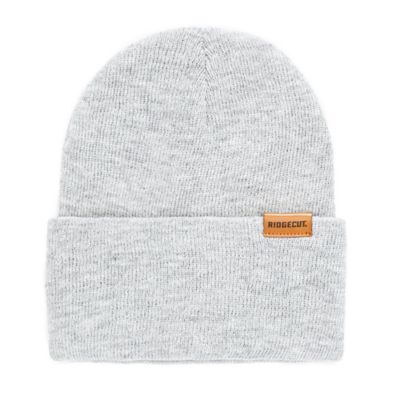
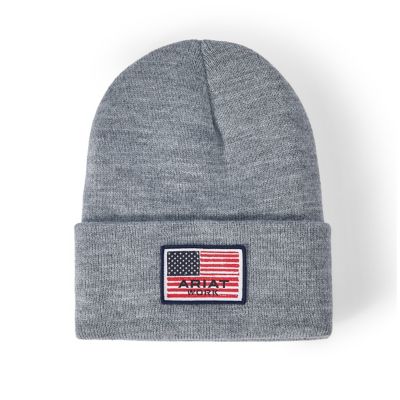
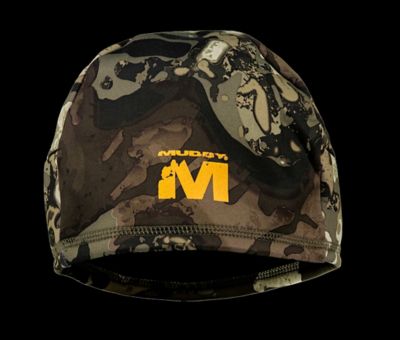
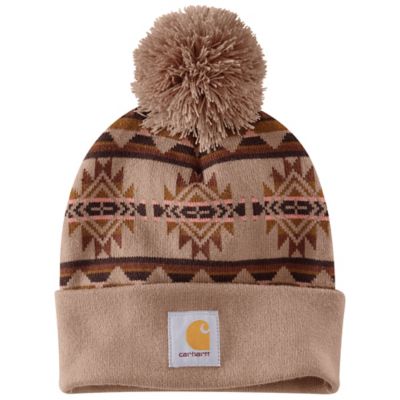
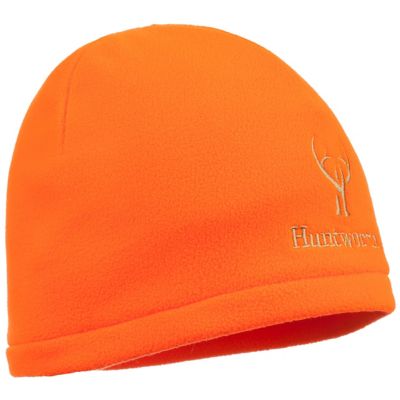
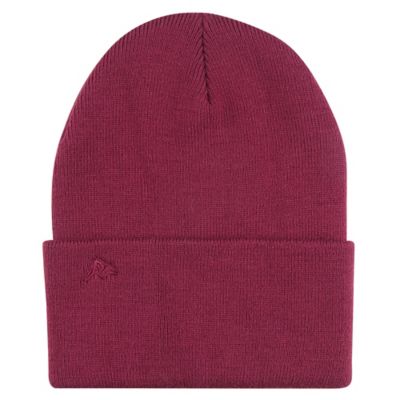
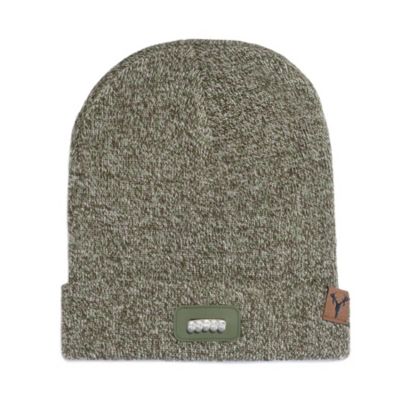
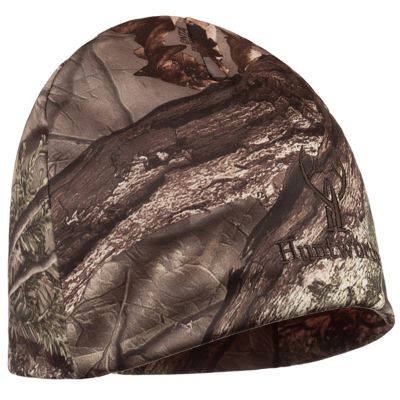
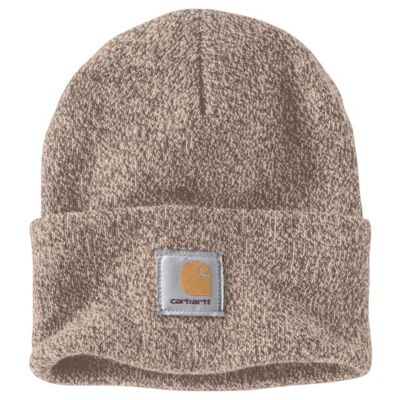
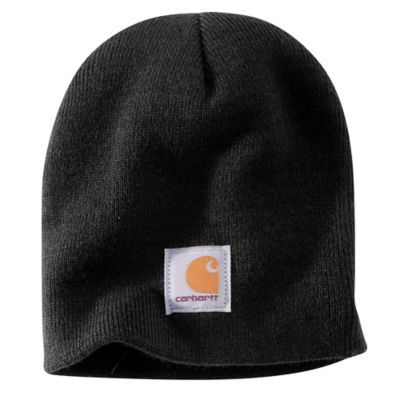
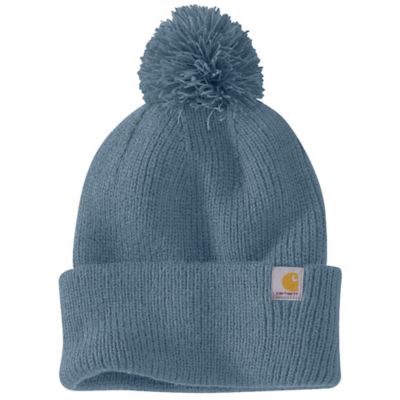
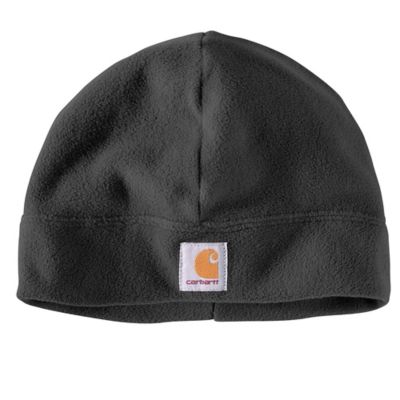
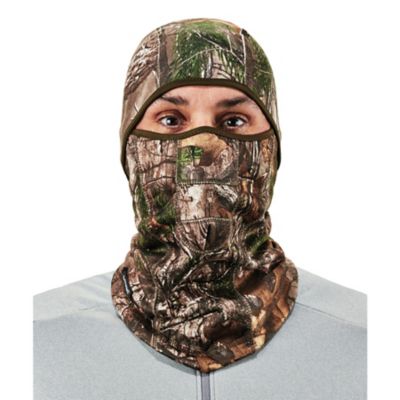
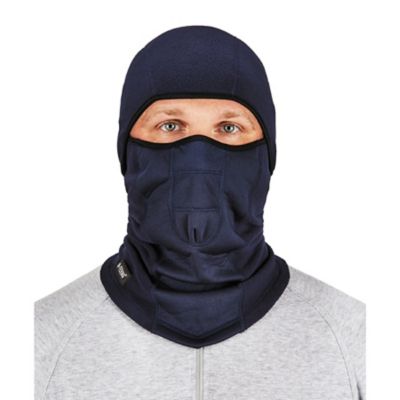
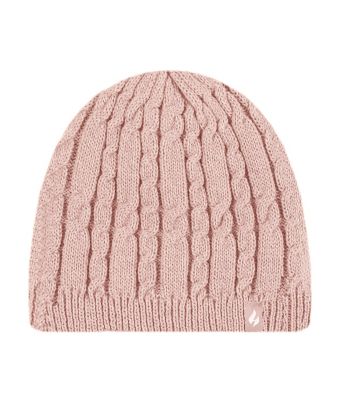
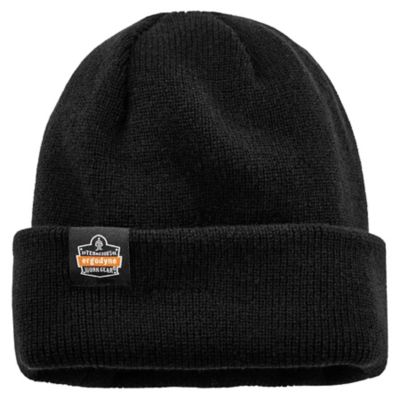
Cold weather beanies are a simple way to stay more comfortable when the air turns sharp and the wind starts finding its way through a coat collar. They fit easily into a coat pocket, truck console, backpack or barn jacket, making them handy for early chores, long walks, school runs, outdoor work and weekend trips. A good beanie should cover the crown of your head and sit low enough to help protect your ears without sliding over your eyes. Look for a close, comfortable fit that stays in place as you move, but does not feel tight around your forehead. Cuffed styles add another layer of fabric around the lower edge, giving your ears and the sides of your head extra coverage. A double-layer knit can also help hold in body heat and block a chilly breeze, while a lighter single-layer cap may be more comfortable for milder days, active work or wearing indoors. Since fit can vary from one style to another, check the listed size details and consider how the hat will sit over longer hair, a ponytail or a hood. Some people prefer a snug cap that stays put while stacking firewood or feeding animals, while others like a roomier shape that leaves space for a little hair and feels easy to wear through a full day.
Material plays a big part in how a cold weather beanie feels and performs. Merino wool is known for helping manage moisture and temperature, which can be helpful when you move between a cold yard and a heated building or work hard enough to build up a little sweat. Wool fibers can also help resist lingering odors, a useful feature when a hat is part of your regular outdoor gear. Acrylic and other synthetic knits are often smooth, lightweight and easy to care for, with a feel that works well for everyday wear. They can help block the wind and are available in a wide range of colors and knit patterns. Some beanies blend wool with synthetic fibers to balance warmth, breathability, stretch and easy care. If you spend time outside in damp conditions, check whether the fabric has moisture-managing or water-resistant features, while remembering that a knit cap is not always meant to replace a waterproof shell. A close weave can help keep cold air out, but very thick knits may feel warmer than needed during active tasks. Think about the conditions around your home, farm, job site or favorite trail, then choose the fabric and weight that match the way you spend time outdoors. Care instructions matter, too. Some wool styles call for gentle washing and air drying, while many synthetic options can be cleaned with less fuss. Keeping a beanie dry between outings helps it stay fresh and ready for the next chilly morning.
Cold weather beanies can make thoughtful gifts for people who spend time outside, including hunters, hikers, runners, anglers, campers, landscapers, livestock keepers and anyone who walks the dog before sunrise. They also make practical additions to a winter care package for a college student, new homeowner, outdoor worker or family member who travels in cold conditions. A neutral color can fit easily with work clothes and coats, while a brighter shade may be easier to spot in a gear bag or on a busy trail. For anyone building a cold-weather wardrobe, pairing a beanie with gloves, warm socks or a neck gaiter can help cover the areas where cold air tends to sneak in. Shoppers looking for more headwear options can also browse
Women's Warm Winter Hats for additional shapes and coverage. Before choosing, consider the hat’s material, stretch, cuff style, lining, thickness and care needs, along with the activity it will support. A beanie for checking fences in a steady wind may need more coverage than one for a quick trip into town, while a runner may value breathability and moisture control over a heavy knit. The right choice should feel comfortable from the first few minutes of wear and continue to fit well while you work, travel or relax outdoors. When colder air settles across the fields and back roads, a well-fitting beanie is an easy layer to keep close at hand.