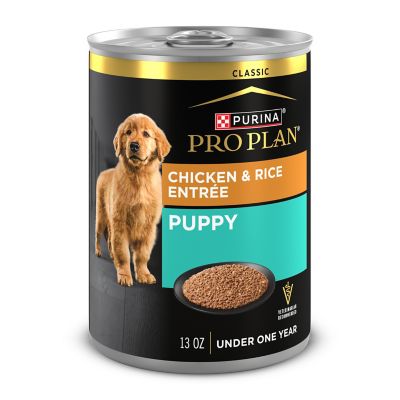
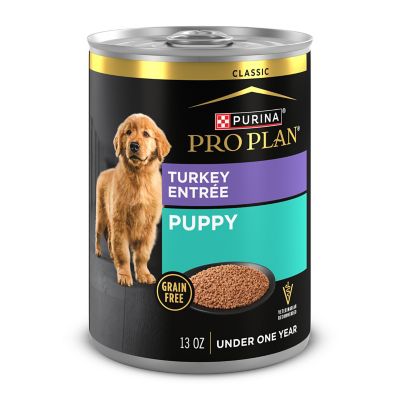
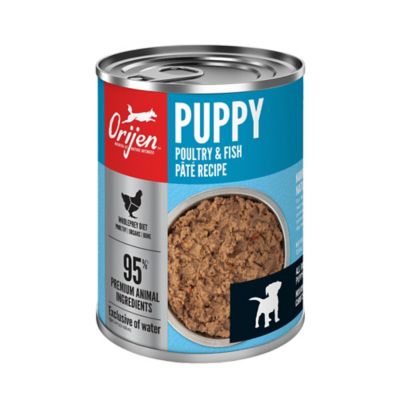
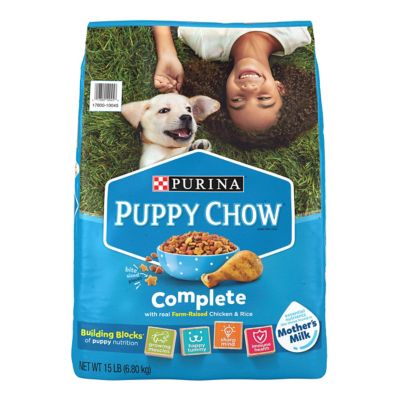
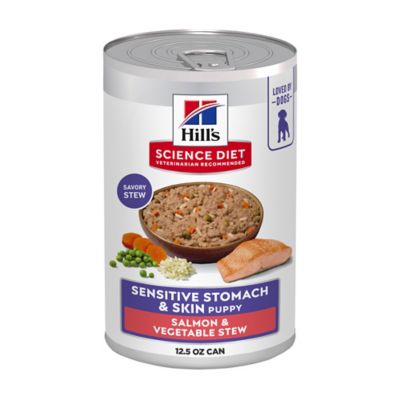
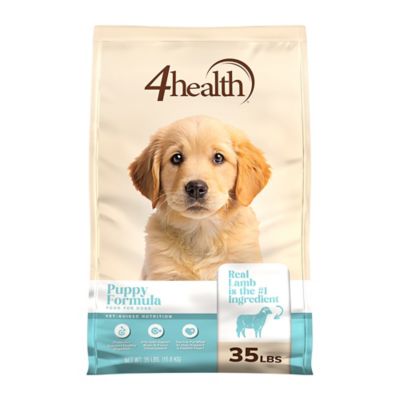
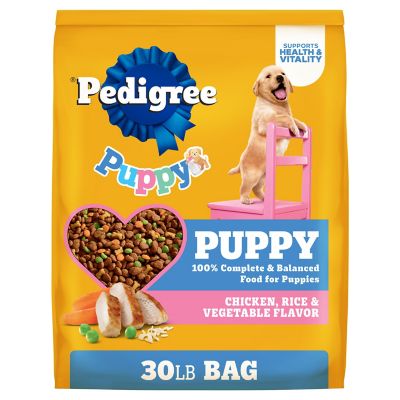
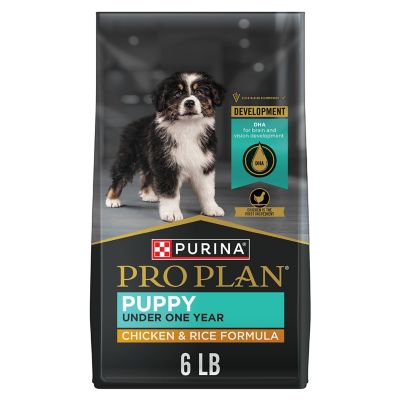
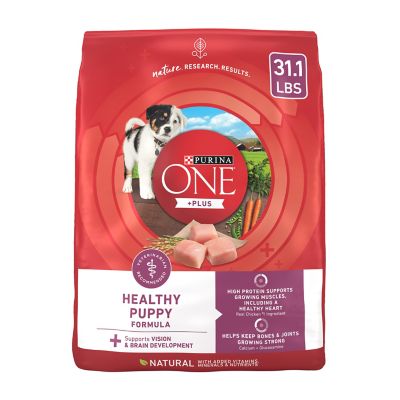
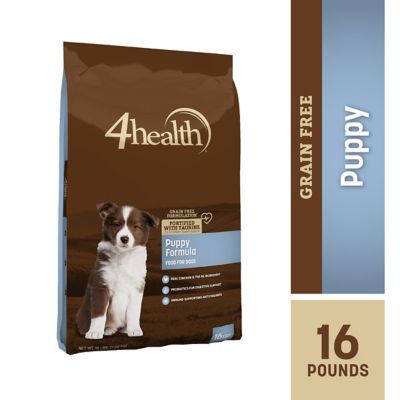
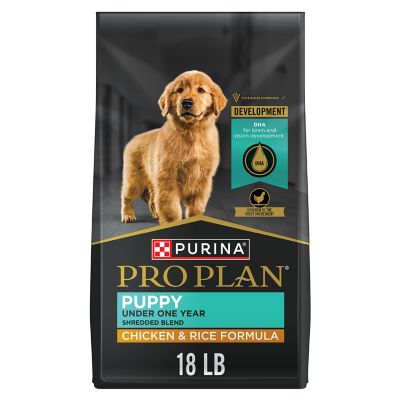
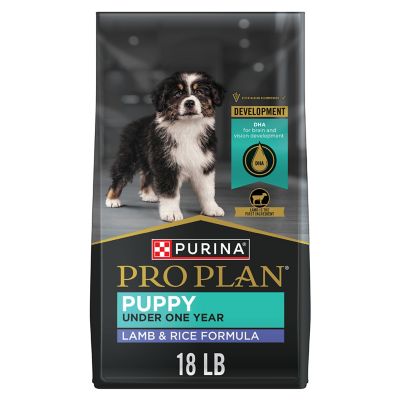
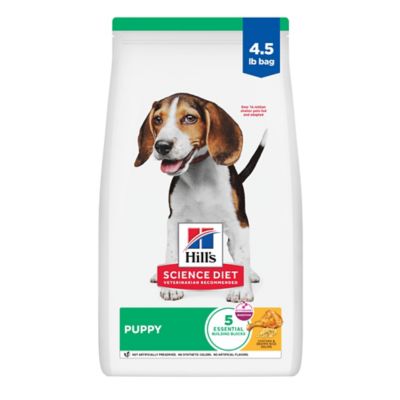
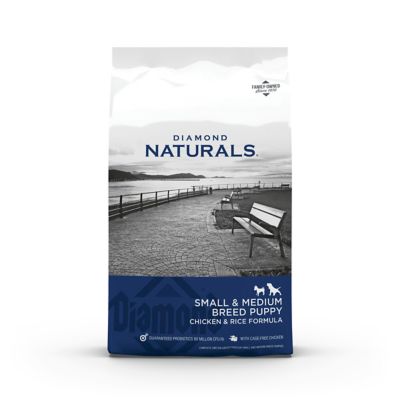
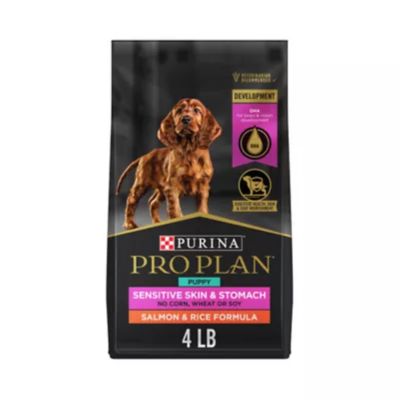
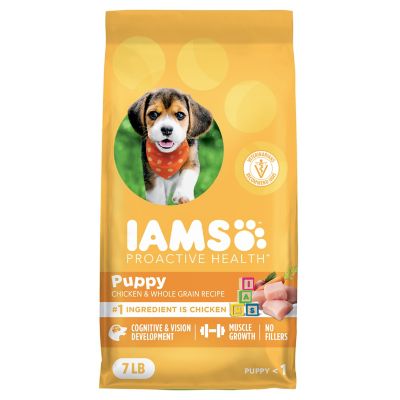
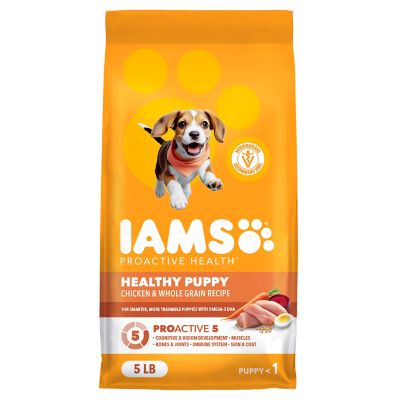
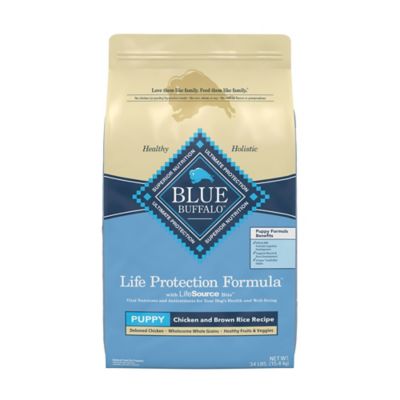
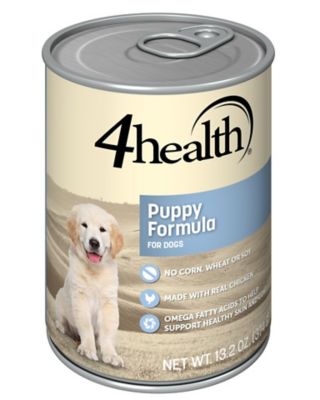
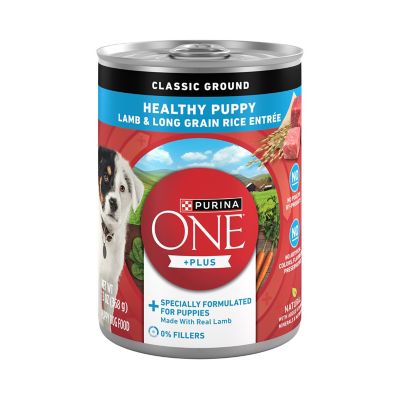
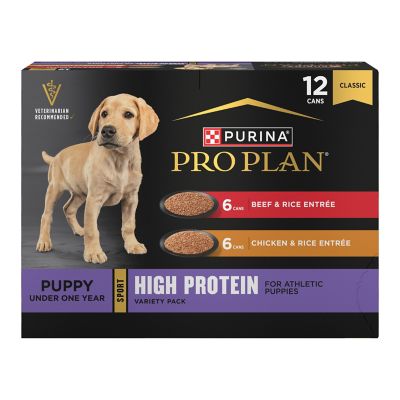
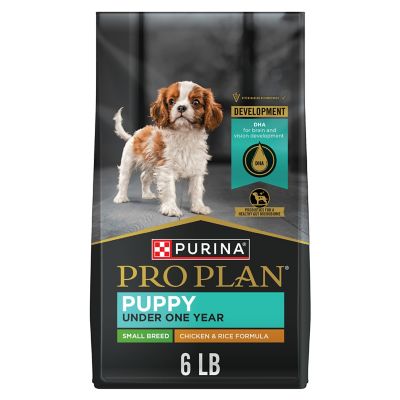
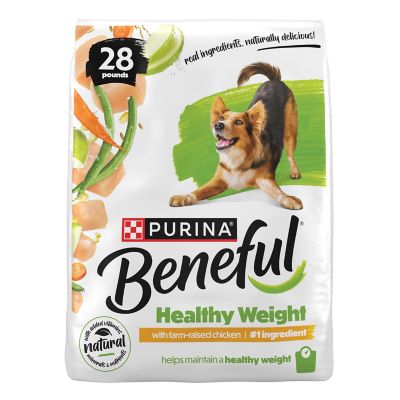
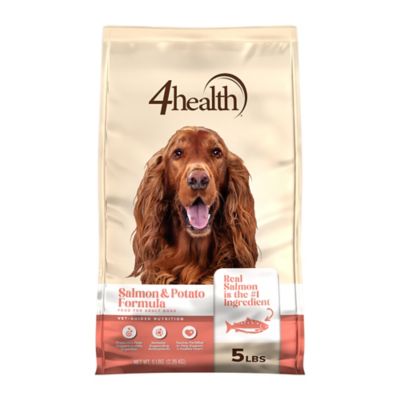
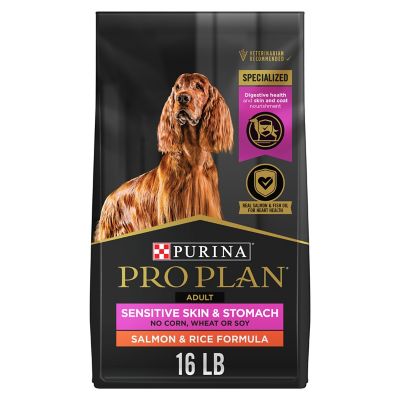
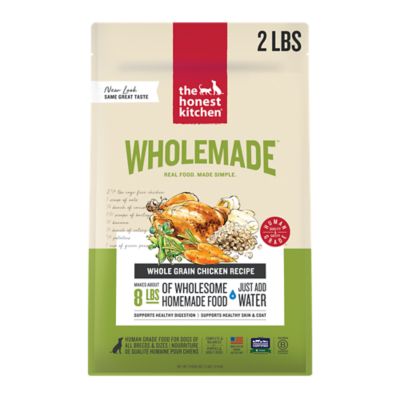
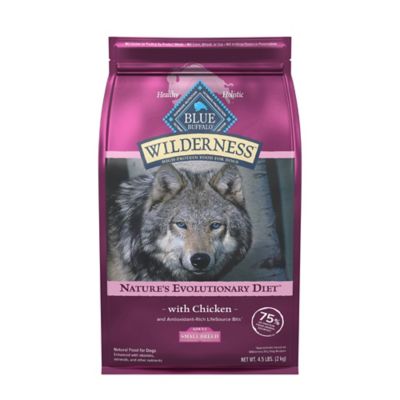
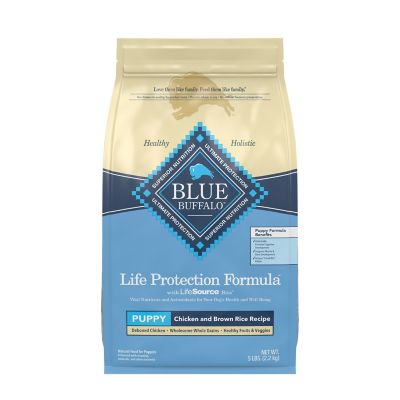
Cocker spaniel puppy food supplies the energy and nutrients a growing pup needs for everything from learning a sit at the kitchen door to tagging along for a walk around the property. The best fit is a complete and balanced food formulated for growth, with a texture the puppy can manage and feeding directions suited to age, weight, and expected adult size. American and English cocker spaniels differ somewhat in build, so a medium-breed puppy formula can be a sensible starting point, but the label matters more than a breed picture on the bag. Look for a nutritional adequacy statement showing that the food meets Association of American Feed Control Officials, or AAFCO, nutrient profiles for growth or has passed feeding trials following AAFCO procedures. AAFCO does not approve individual foods; that statement explains the food’s nutritional purpose. An adult-maintenance formula is not a substitute for a puppy diet, and a food labeled for intermittent or supplemental feeding belongs alongside a balanced diet rather than serving as every meal. Protein supplies amino acids for developing muscles and other tissues, while fat provides concentrated energy for a puppy with plenty of growing to do. Balanced calcium and phosphorus support developing bones and teeth; adding calcium to an already balanced puppy food can throw that balance off. DHA, an omega-3 fatty acid, supports brain and eye development, while essential fatty acids help maintain skin and coat health. Those nutrients matter beneath a cocker spaniel’s soft coat just as much as they do in a shorter-coated puppy. A clearly named animal protein can help a shopper understand a recipe, though the first ingredient alone does not establish how well the whole food meets a puppy’s needs. For a household bringing home its first spaniel or raising a pup alongside an older dog, a dedicated growth formula helps keep the youngster’s meals matched to the right life stage rather than whatever happens to be in the other dog’s bowl.
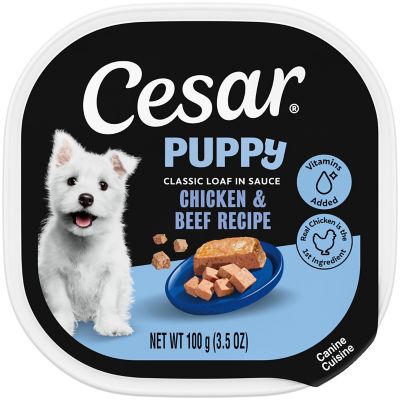
Dry and wet cocker spaniel puppy foods offer different textures and ways to fit meals into everyday life. Dry kibble is straightforward to measure, store, and portion into a treat pouch for short training sessions. Kibble size and shape should allow a puppy to pick up and chew the pieces comfortably, especially during the early weeks at home. Small mouths do not automatically require a small-breed formula, though; expected adult size and the food’s feeding directions remain important. Wet puppy food has a softer texture and more moisture, which may appeal to a pup that prefers a tender meal. Either format can supply complete nutrition when its label identifies it as complete and balanced for growth. A mix of wet and dry food can also work, provided the portions account for the calories in both rather than stacking a full serving of one on top of the other. Texture alone does not determine nutritional value, and ordinary dry kibble should not take the place of toothbrushing or veterinary dental care. Digestibility is another useful consideration, particularly when a puppy is settling into a new home and routine. Some formulas contain prebiotic fibers that help nourish beneficial gut bacteria, while fiber blends can help support normal stool consistency. A richer recipe or a sudden ingredient change is not necessarily a better match for a sensitive stomach. Foods marketed for skin or digestive support also vary in purpose, and a bag label cannot diagnose an allergy. Repeated ear trouble, itching, vomiting, or loose stools calls for veterinary attention rather than a string of food changes. Omega-3 and omega-6 fatty acids support normal skin function, but food is not a treatment for an ear infection. Grain-free wording is not, by itself, a reason to choose a puppy food, and grains are not automatically a problem for cocker spaniels. A recipe that supports steady growth, comfortable digestion, and a healthy body condition is more useful than a long list of ingredients chosen simply because they sound appealing.
Feeding directions and package details help turn a suitable formula into a manageable daily routine. Young cocker spaniel puppies often eat three to four measured meals a day, with many moving toward two daily meals around six months; the timing depends on the puppy and the veterinarian’s advice. The feeding chart is a starting point, not a fixed allowance for every pup. Calories per cup or can make a difference when comparing foods, since equal-looking portions can deliver different amounts of energy. A kitchen scale can help keep portions consistent, and any kibble set aside for rewards should come out of the day’s total. Treats generally should supply no more than 10 percent of daily calories so that complete puppy food provides most of the nutrition. Keeping a puppy lean matters more than encouraging fast weight gain: ribs should be easy to feel beneath a light covering, with a waist visible from above. Regular weight checks help a veterinarian judge growth without relying on the way a fluffy coat looks. When changing foods, a gradual transition over about seven to ten days, starting with a little of the new food mixed into the familiar food, can reduce the chance of stomach upset. Some puppies need a slower change. Package size should suit how quickly the household can finish the food while following its storage directions. Dry food keeps best in its original bag, tightly closed inside a clean, dry container, which also preserves the lot number and feeding information. Opened wet food needs prompt refrigeration and handling according to the label, and bowls need washing after meals. Fresh drinking water belongs within easy reach throughout the day. For shoppers comparing broader growth-stage nutrition options,
Healthy Puppy Food offers another place to explore puppy-focused formulas. Many cocker spaniels approach the transition to adult food around twelve months, though growth and body condition should guide that decision with a veterinarian’s input. Until then, a balanced growth diet, measured portions, and a steady feeding routine give those busy paws a sound foundation.